Historical figure and era
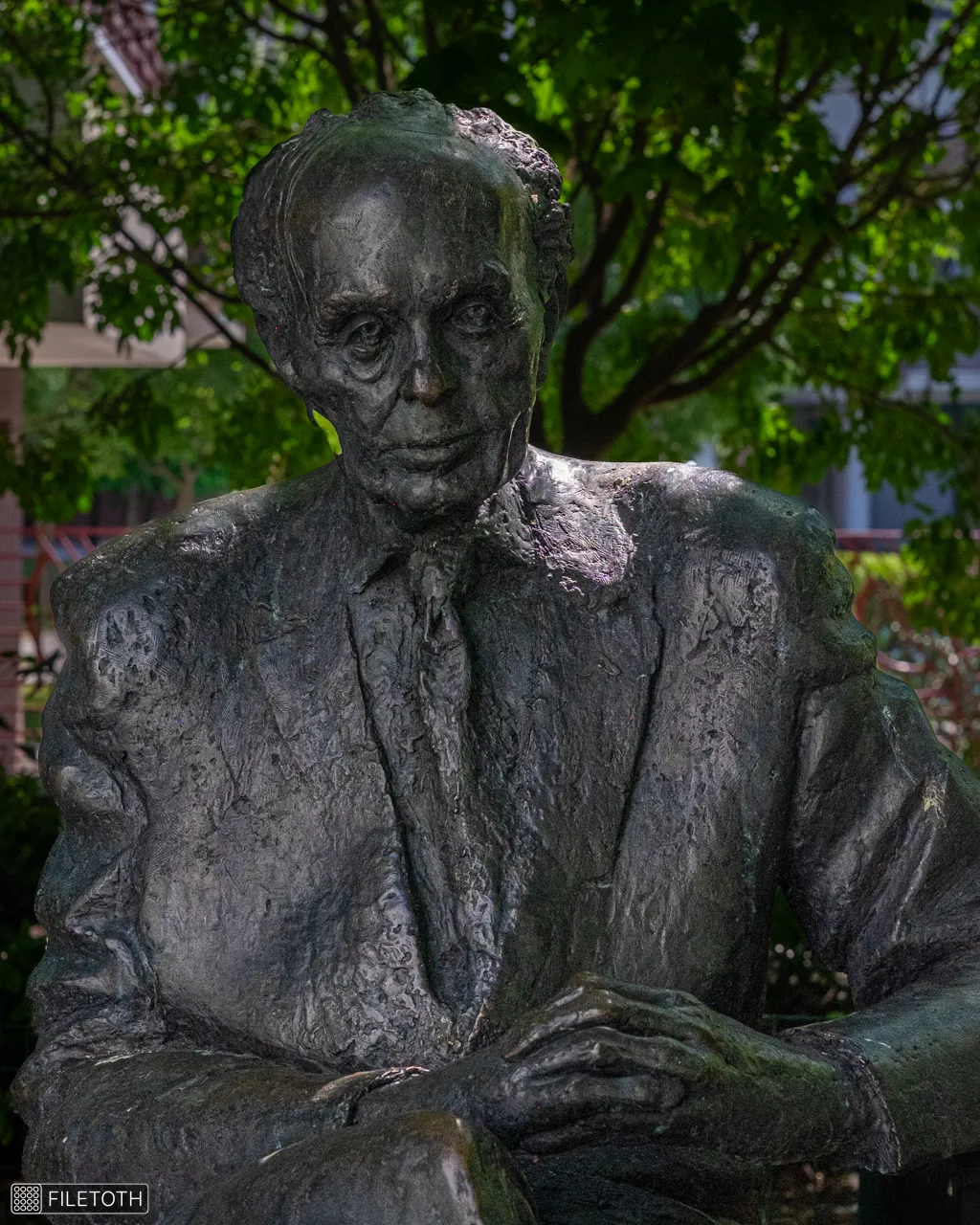
Ferenc Deák (1803–1876), often remembered as "The Wise Man of the Nation," played a decisive role in negotiating the Austro-Hungarian Compromise of 1867. Rather than pursuing victory through conflict, Deák believed that lasting political stability required dialogue, constitutional order, and mutual respect. His influence shaped the future of Hungary not through military achievement, but through patience, negotiation, and the willingness to reconcile opposing interests for the common good.
Creation and historical context
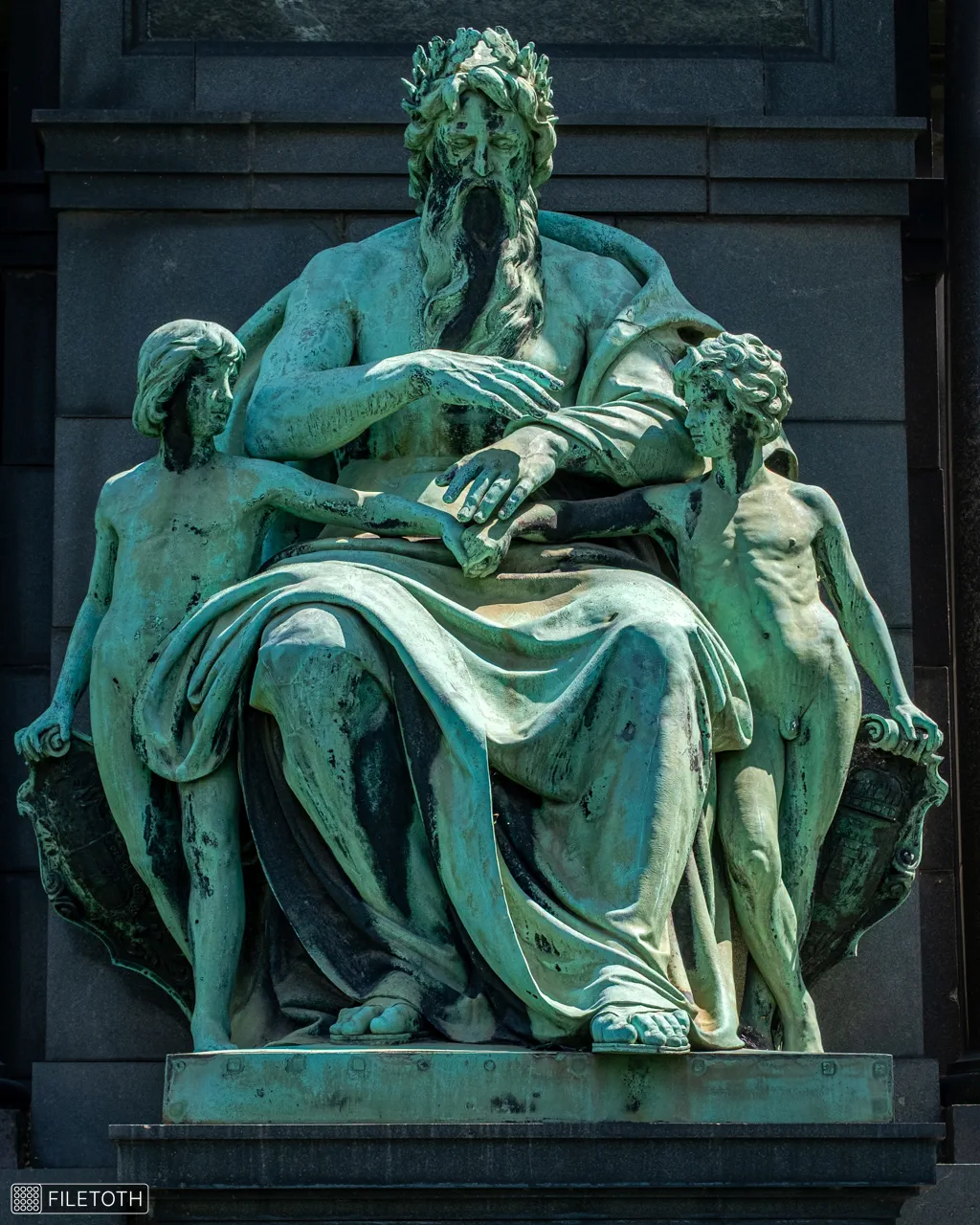
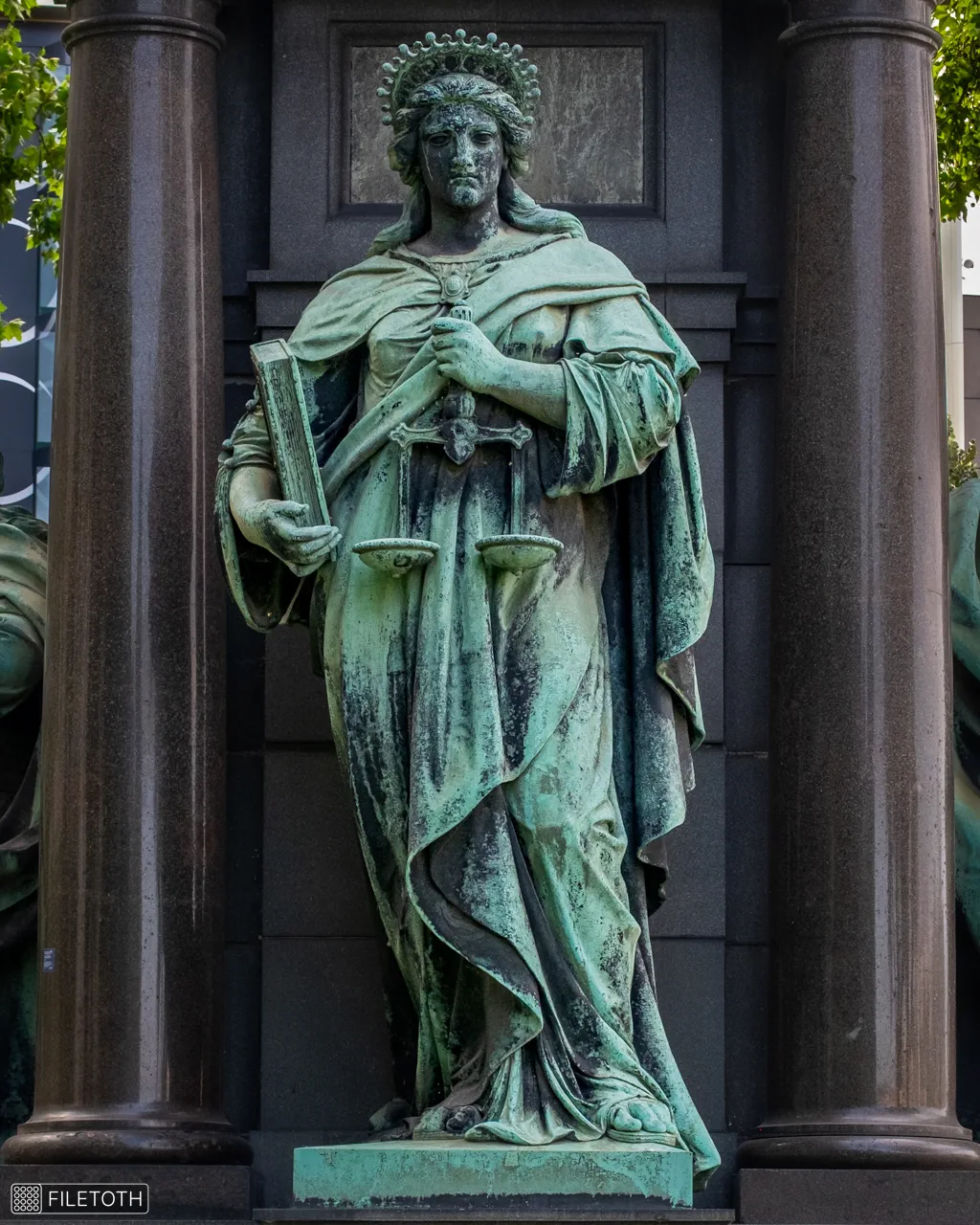
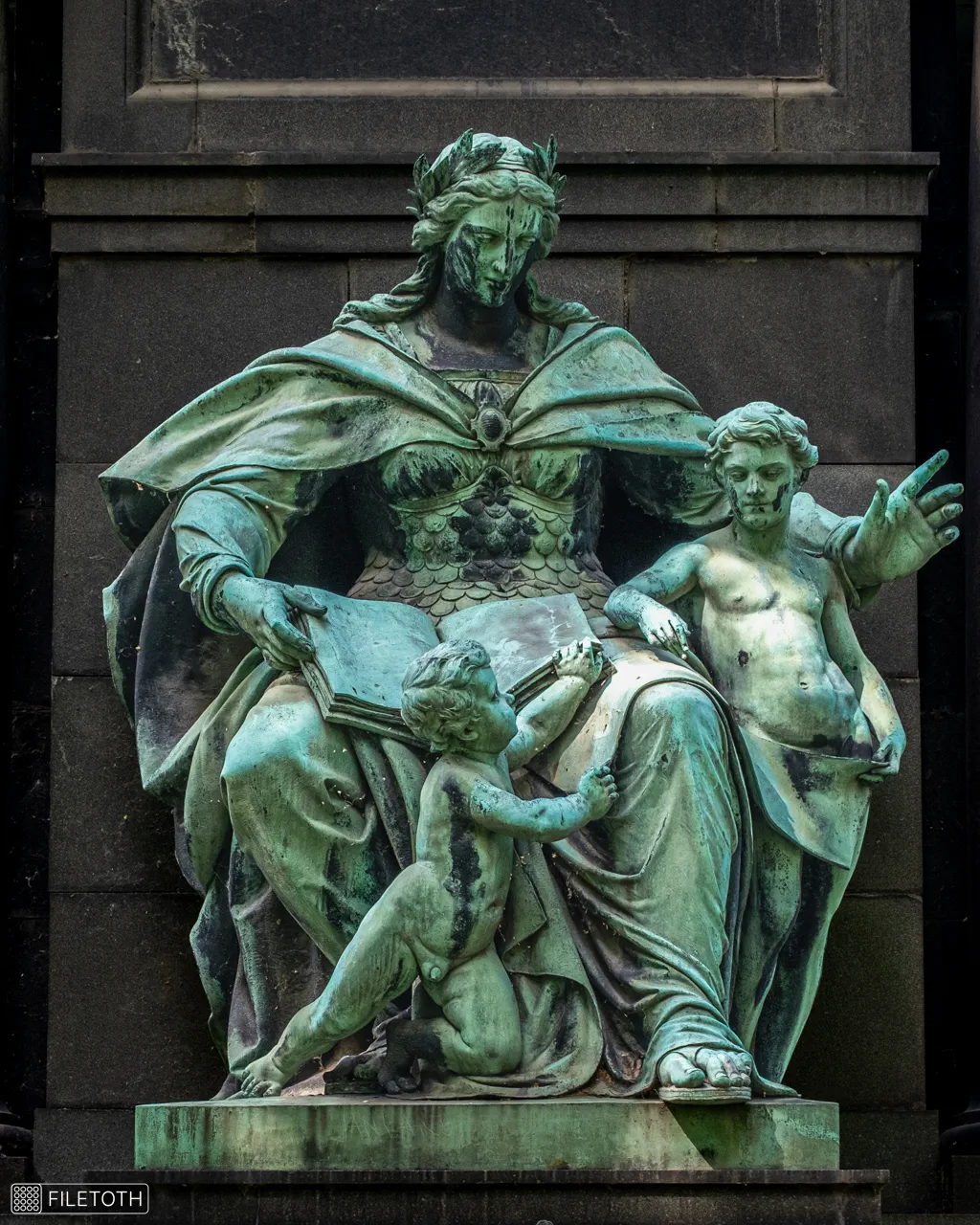
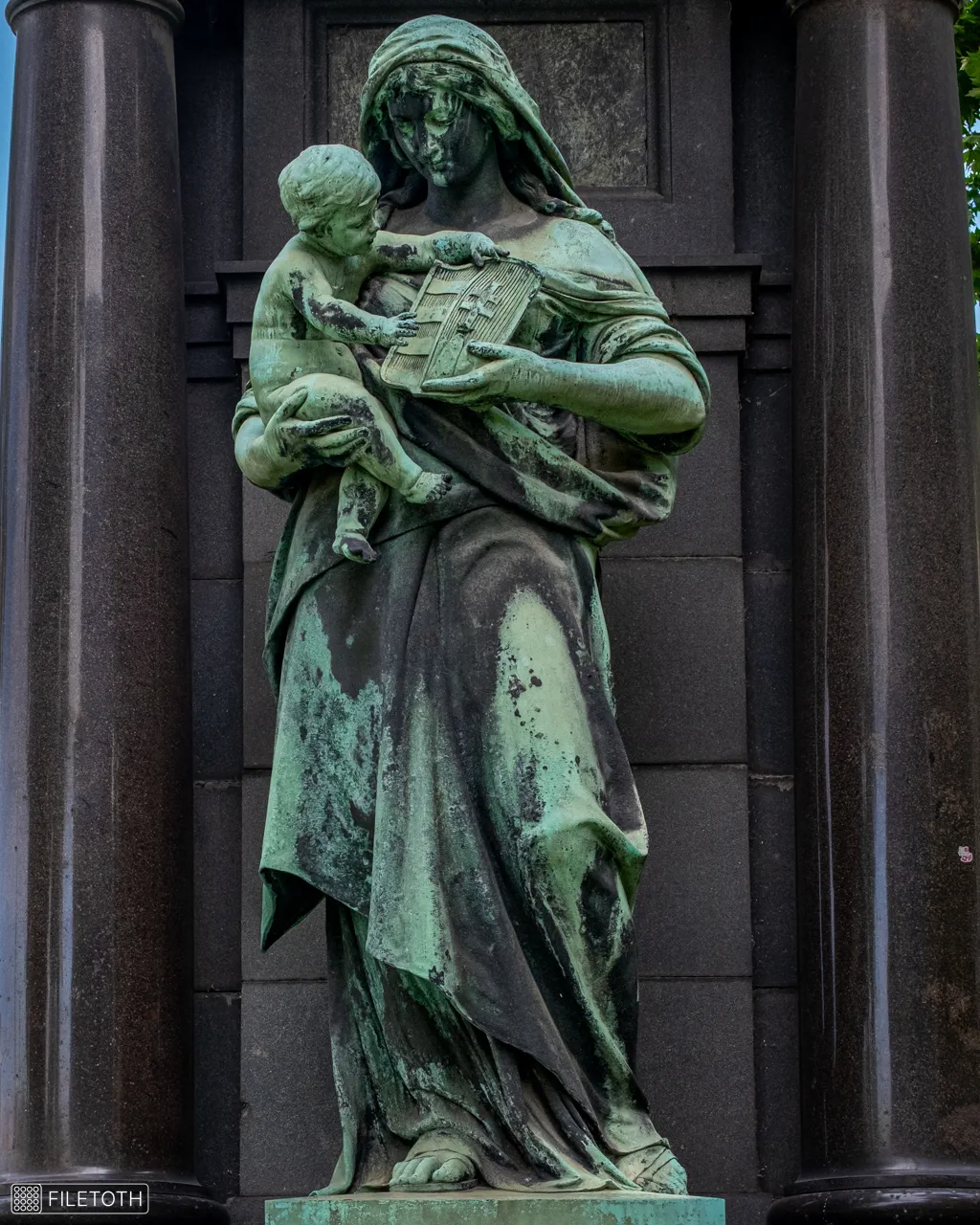
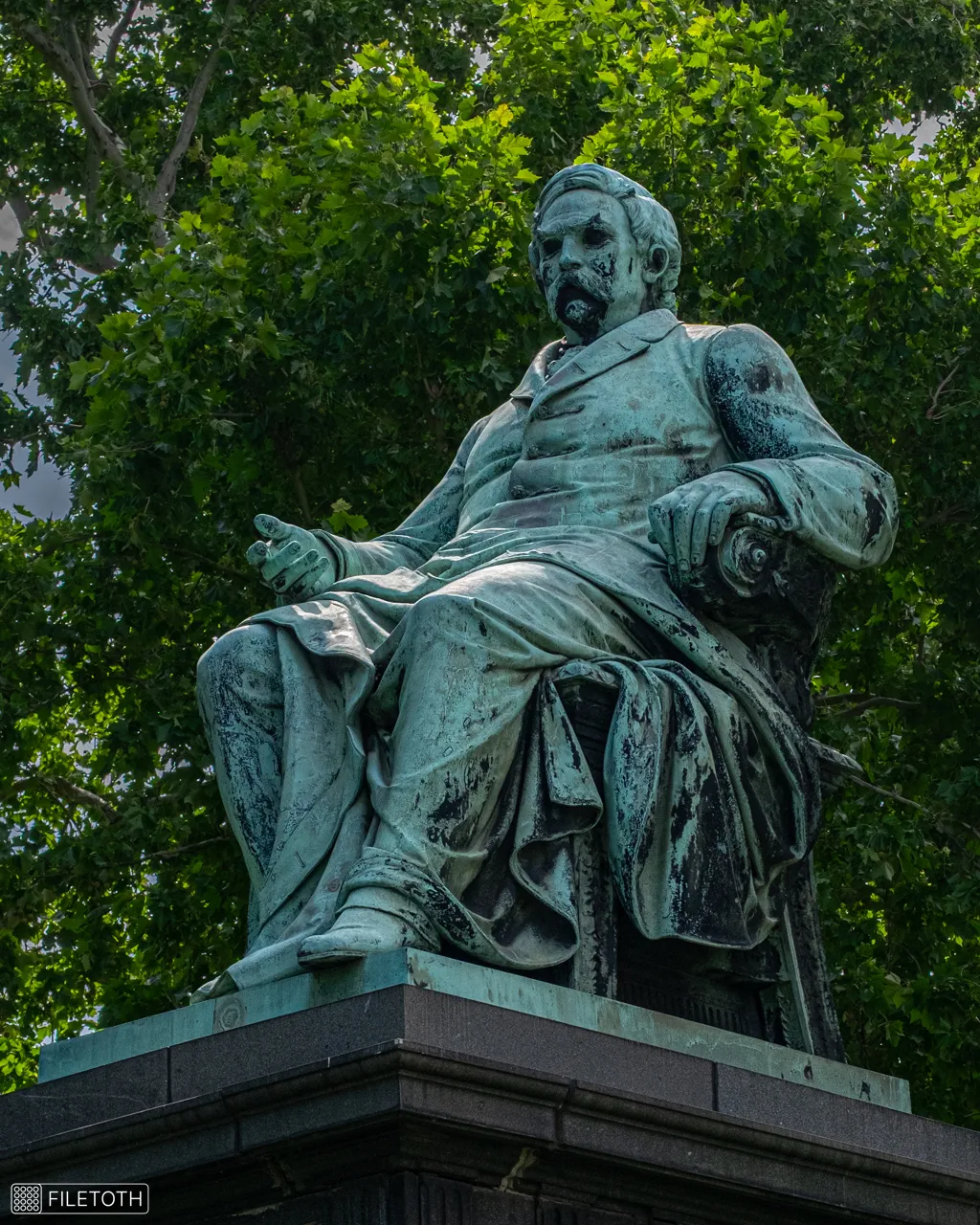
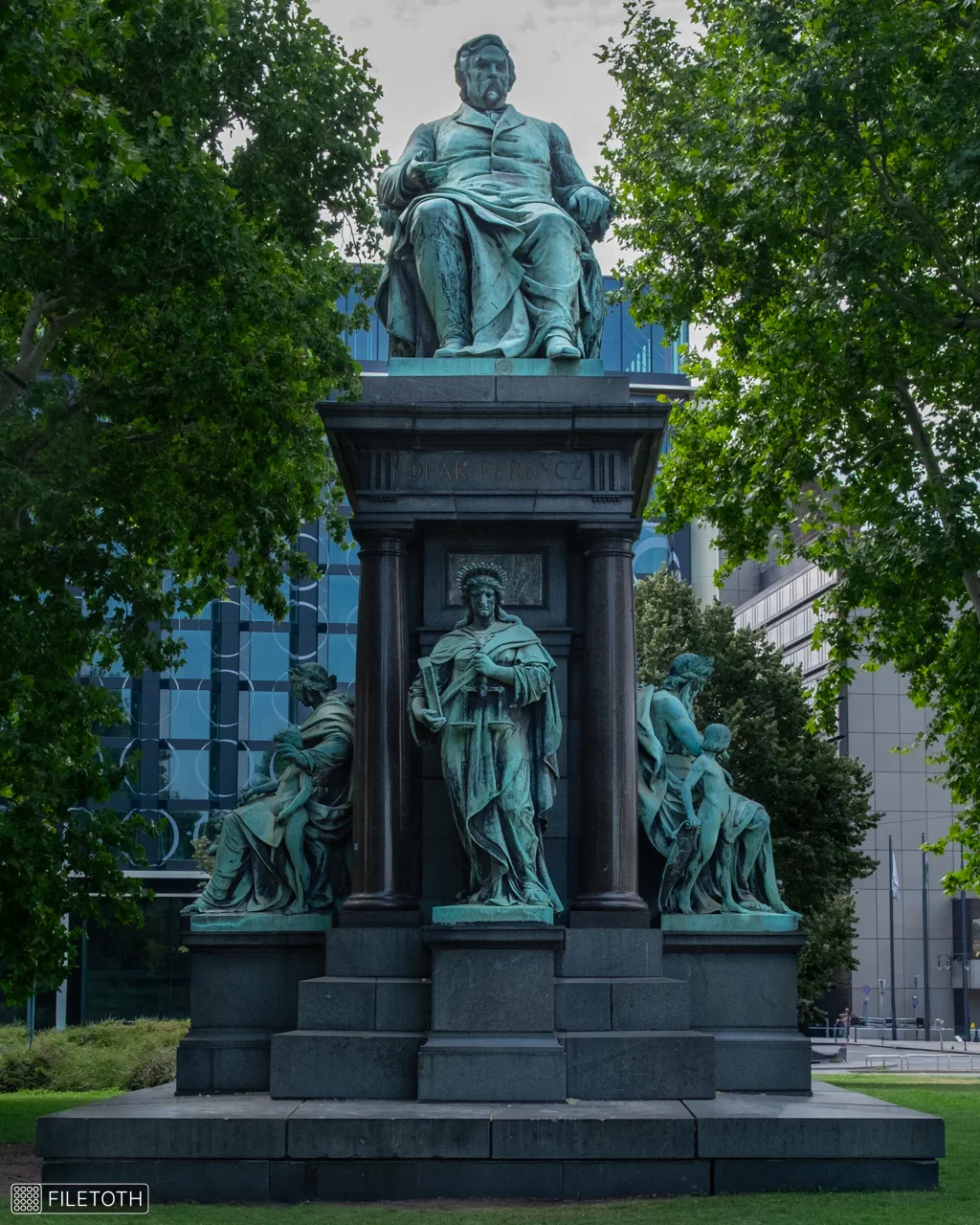
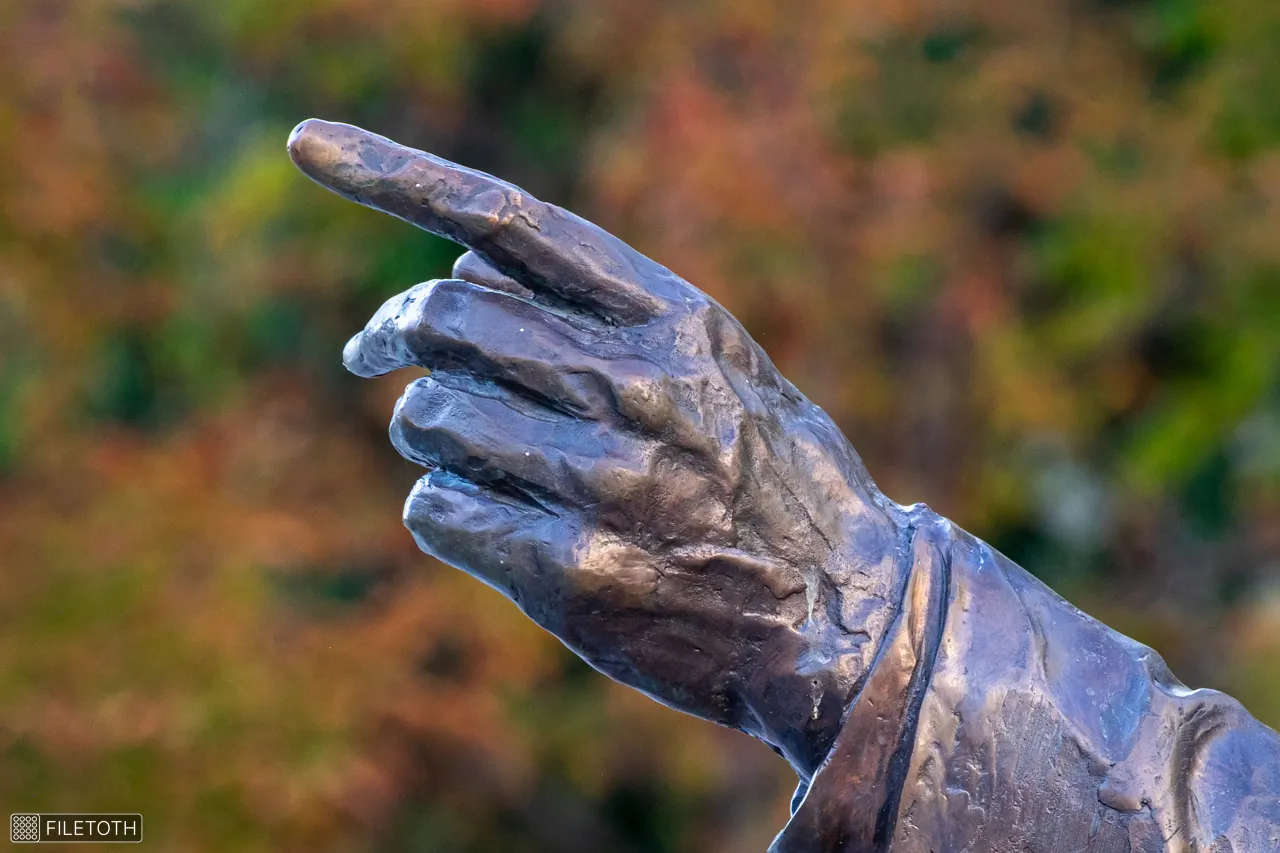
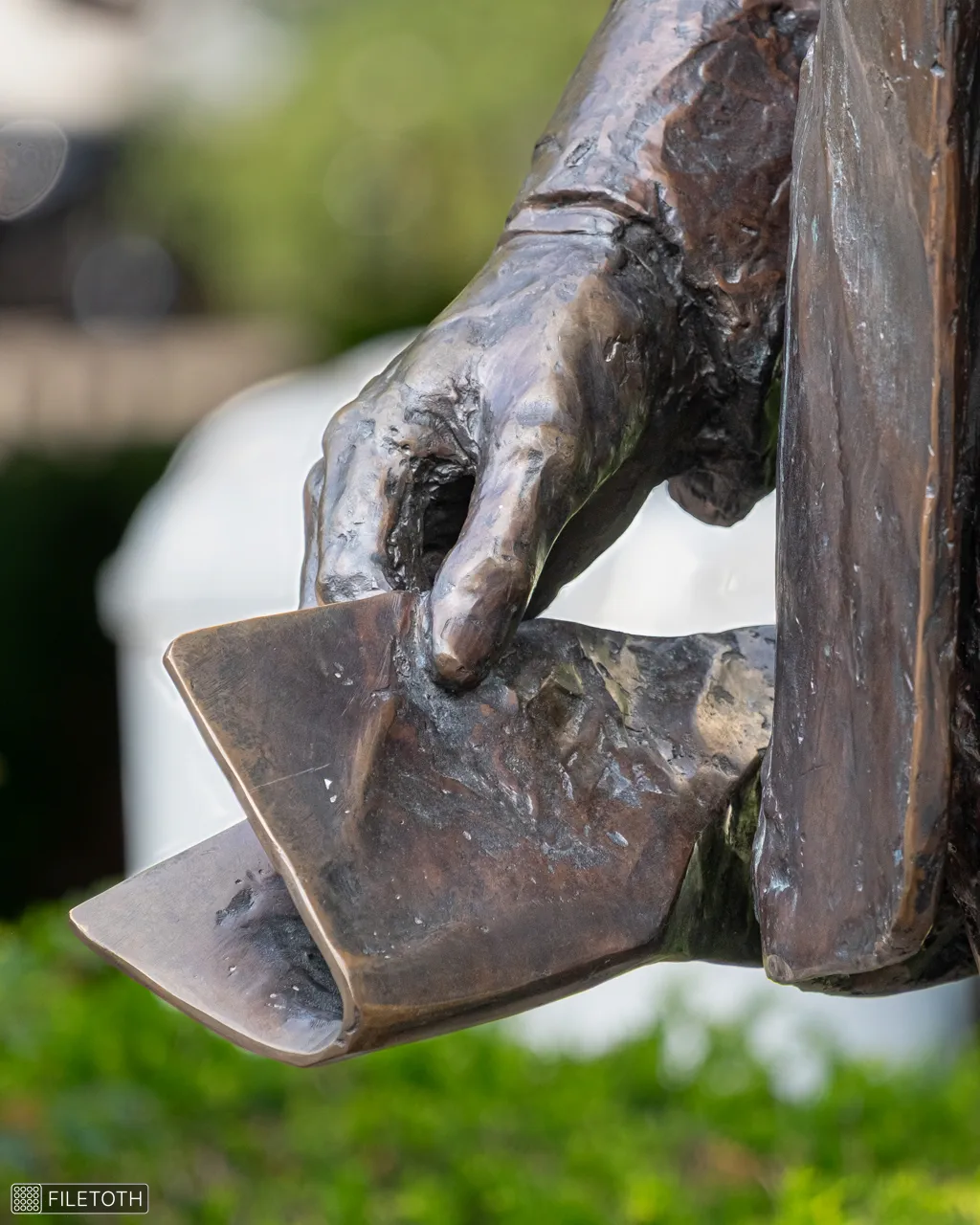
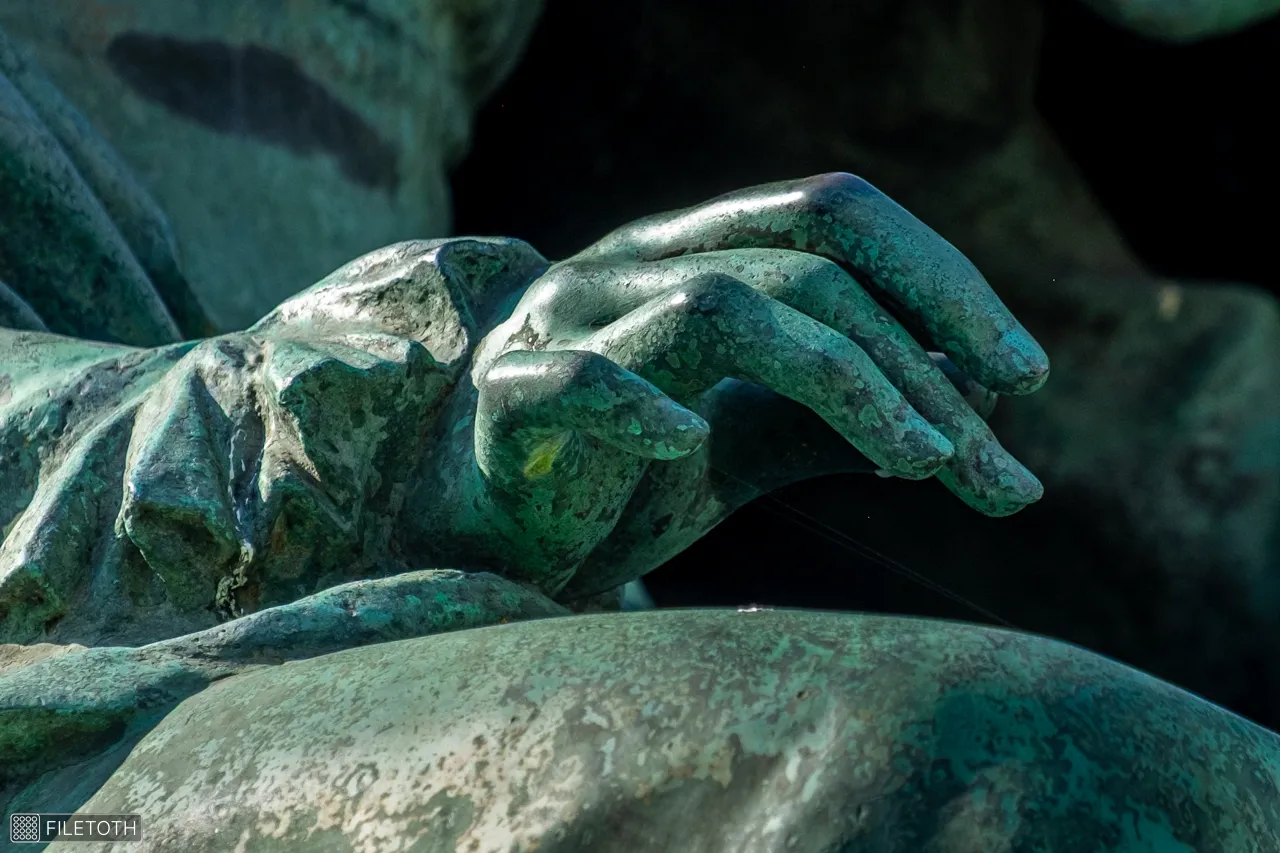
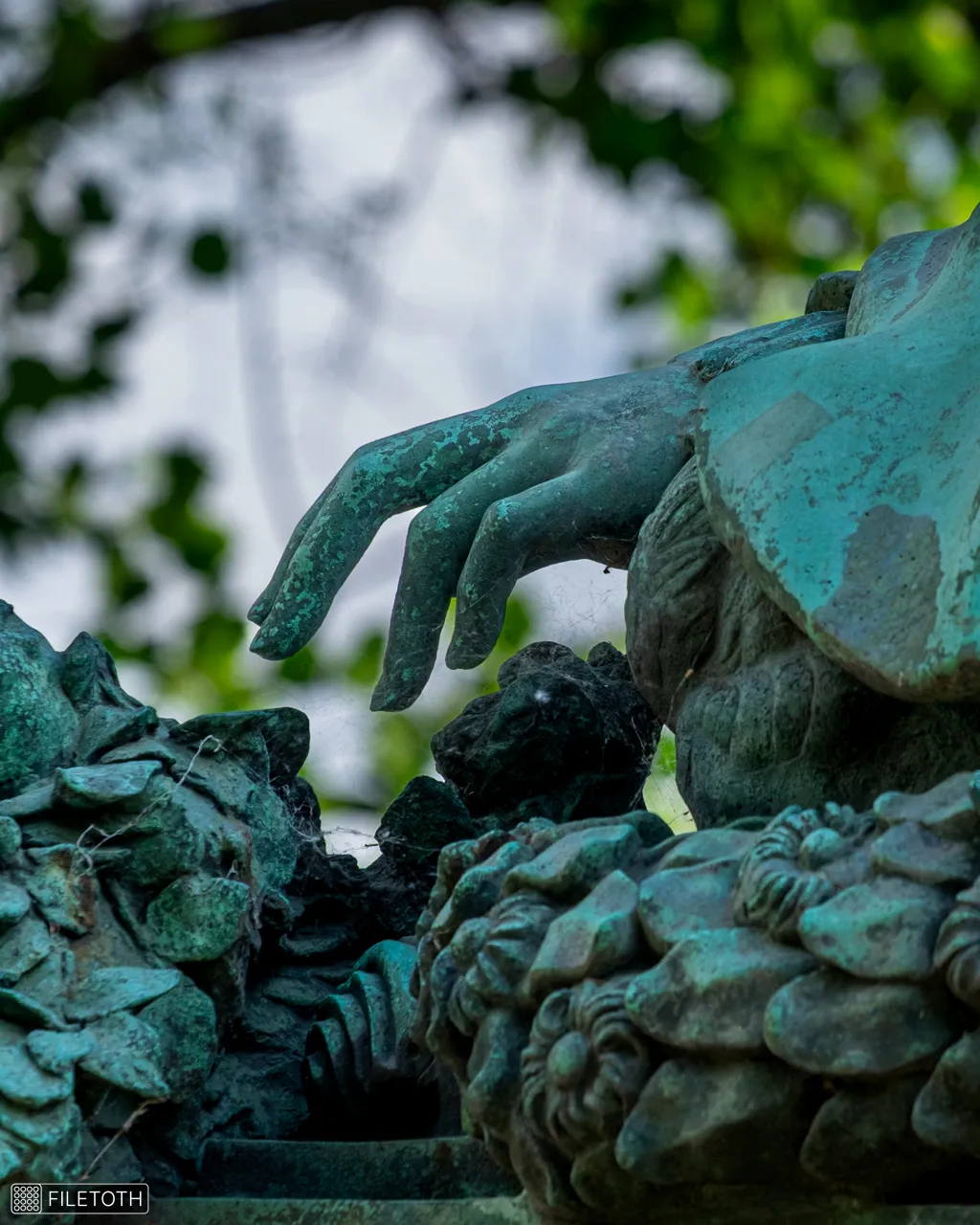
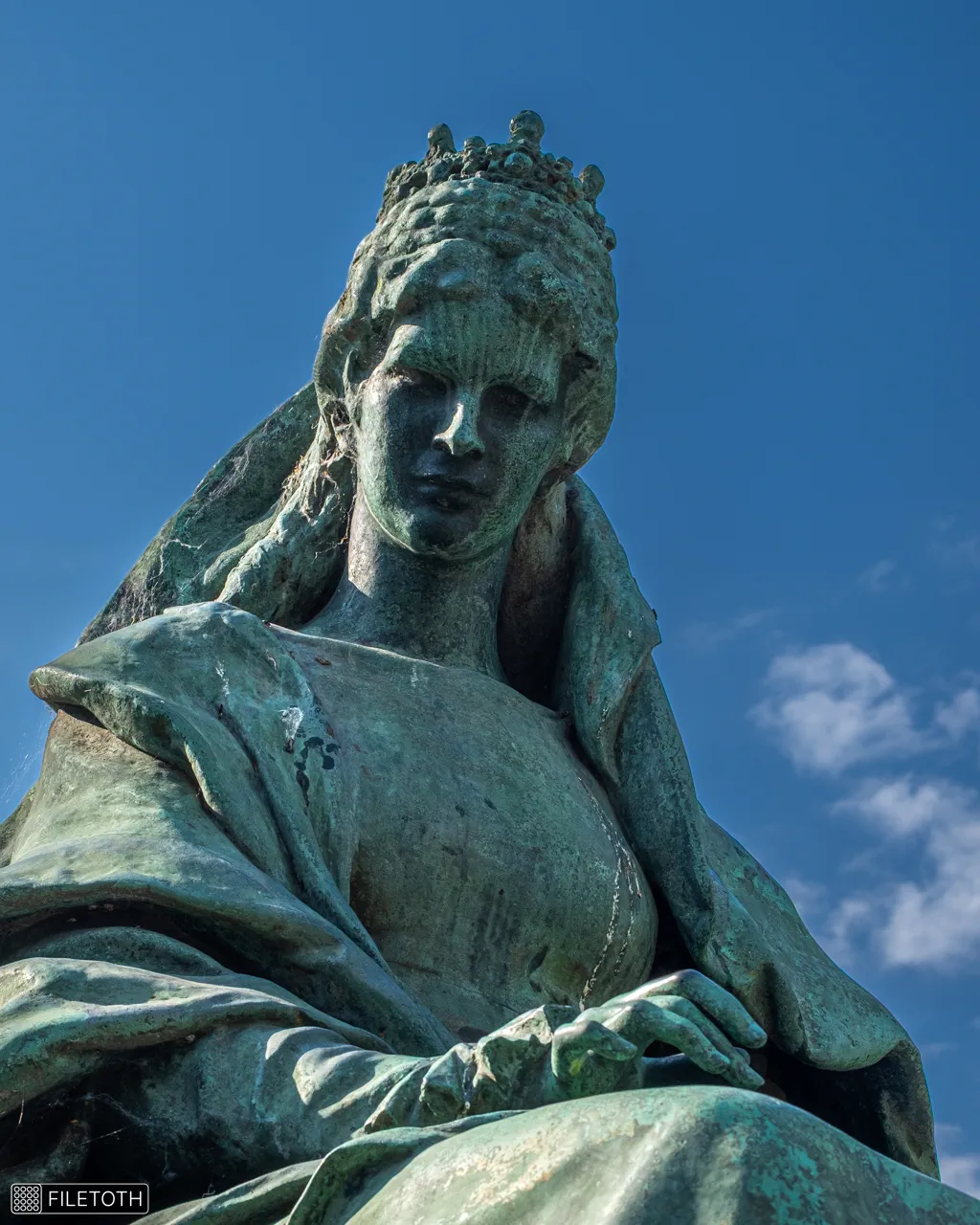
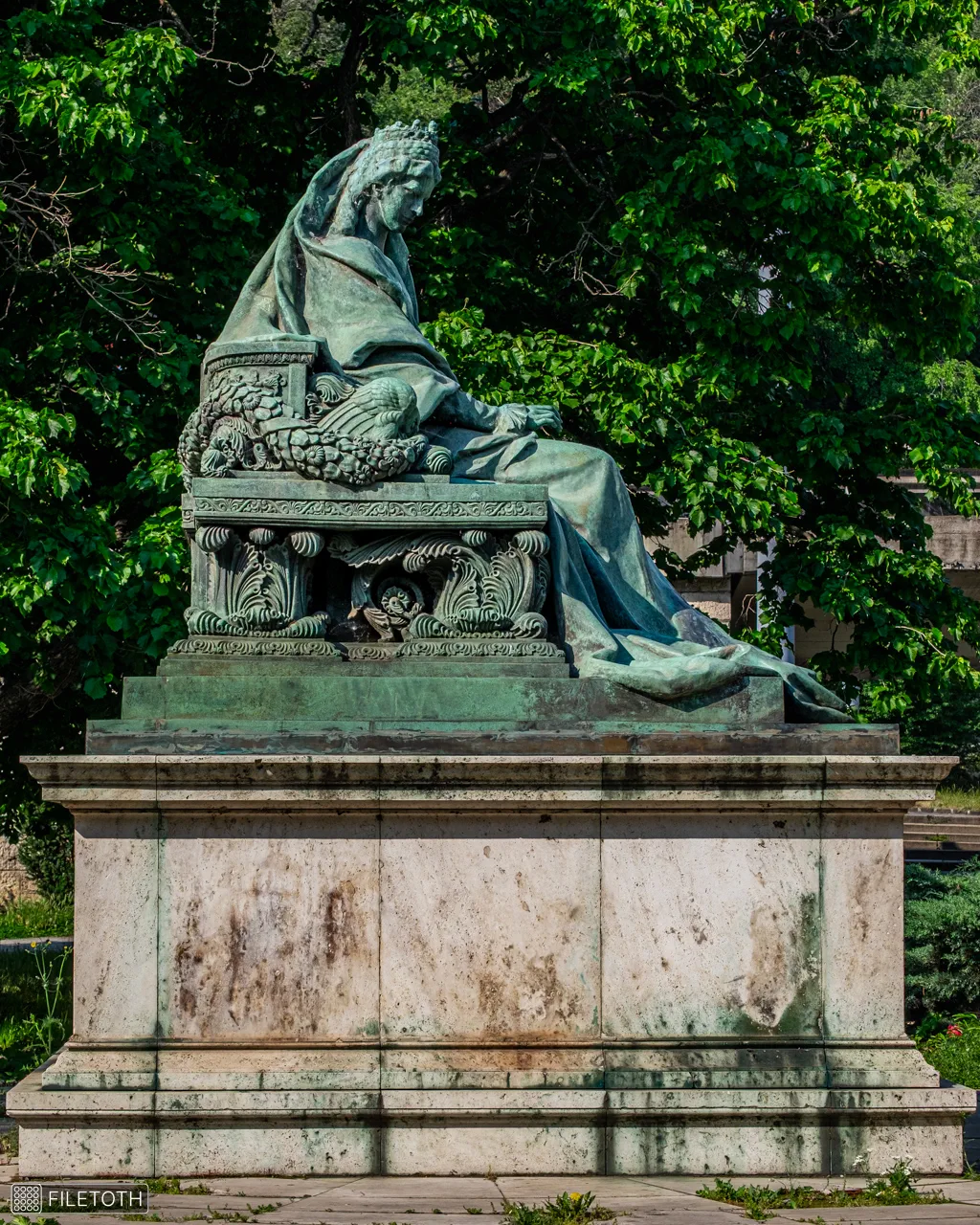
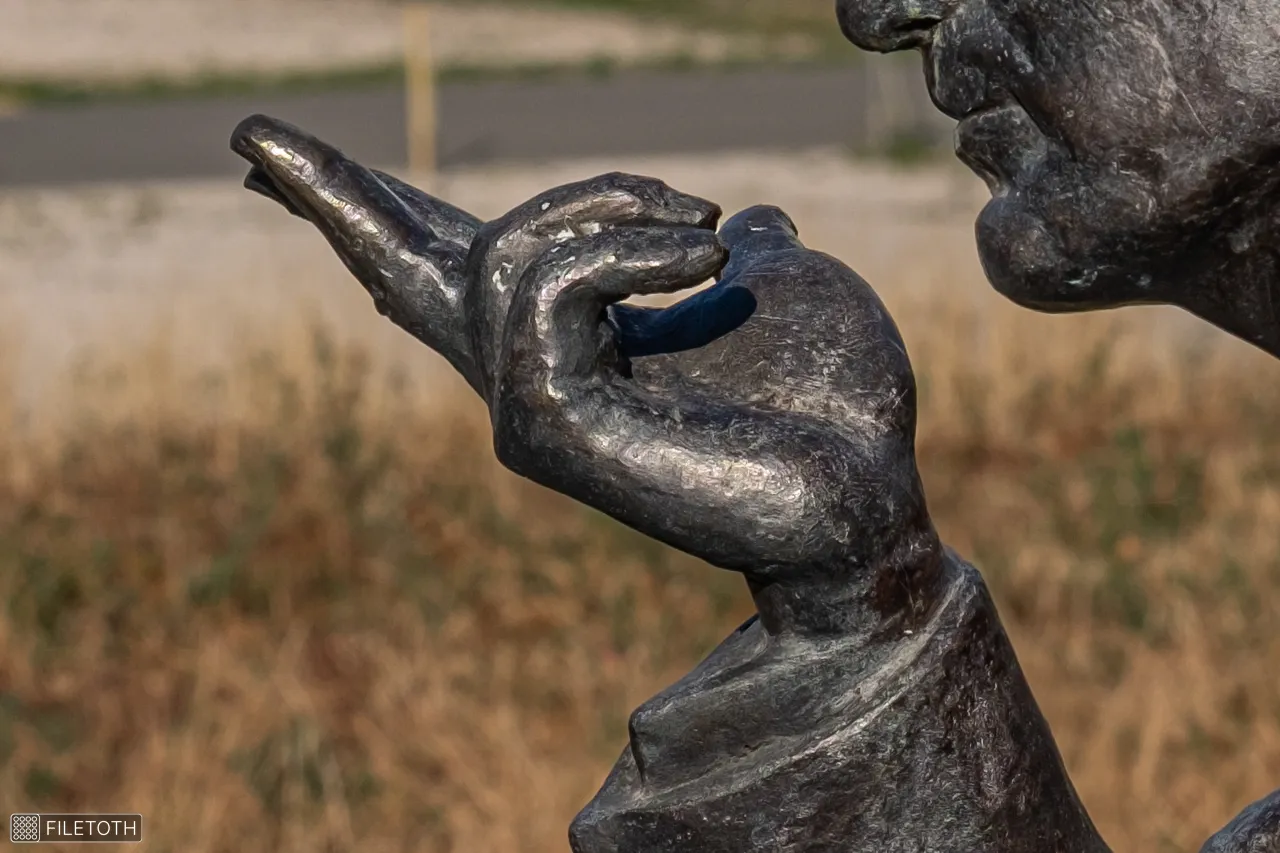
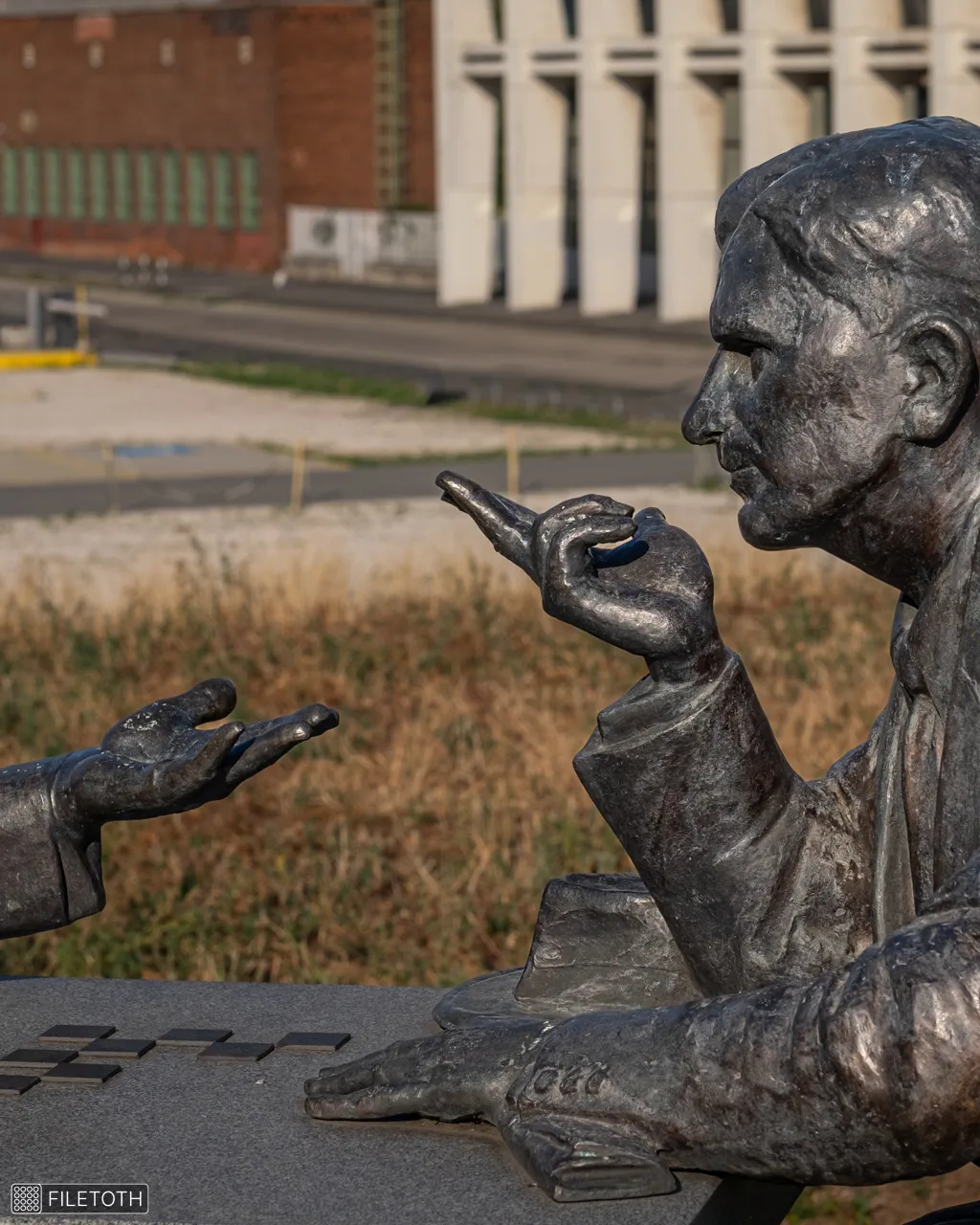
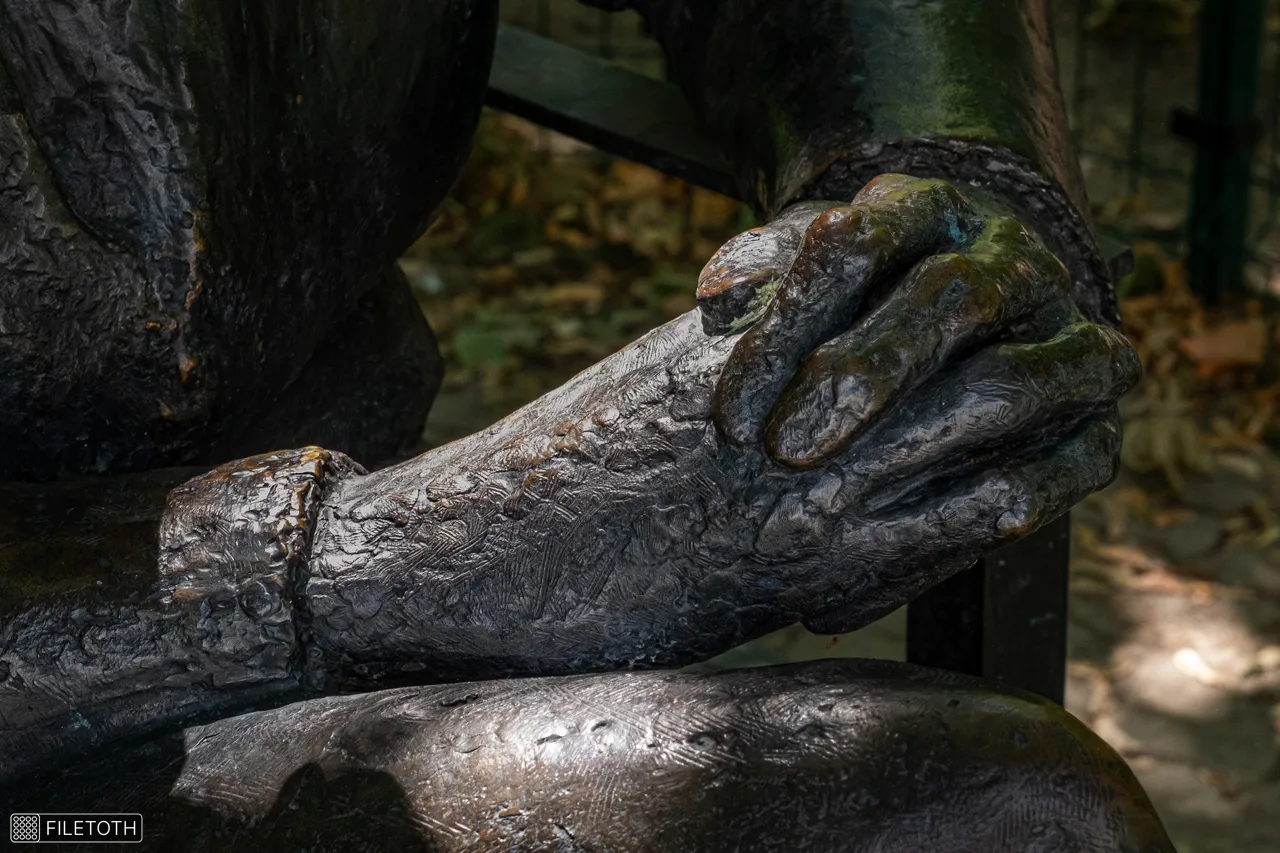
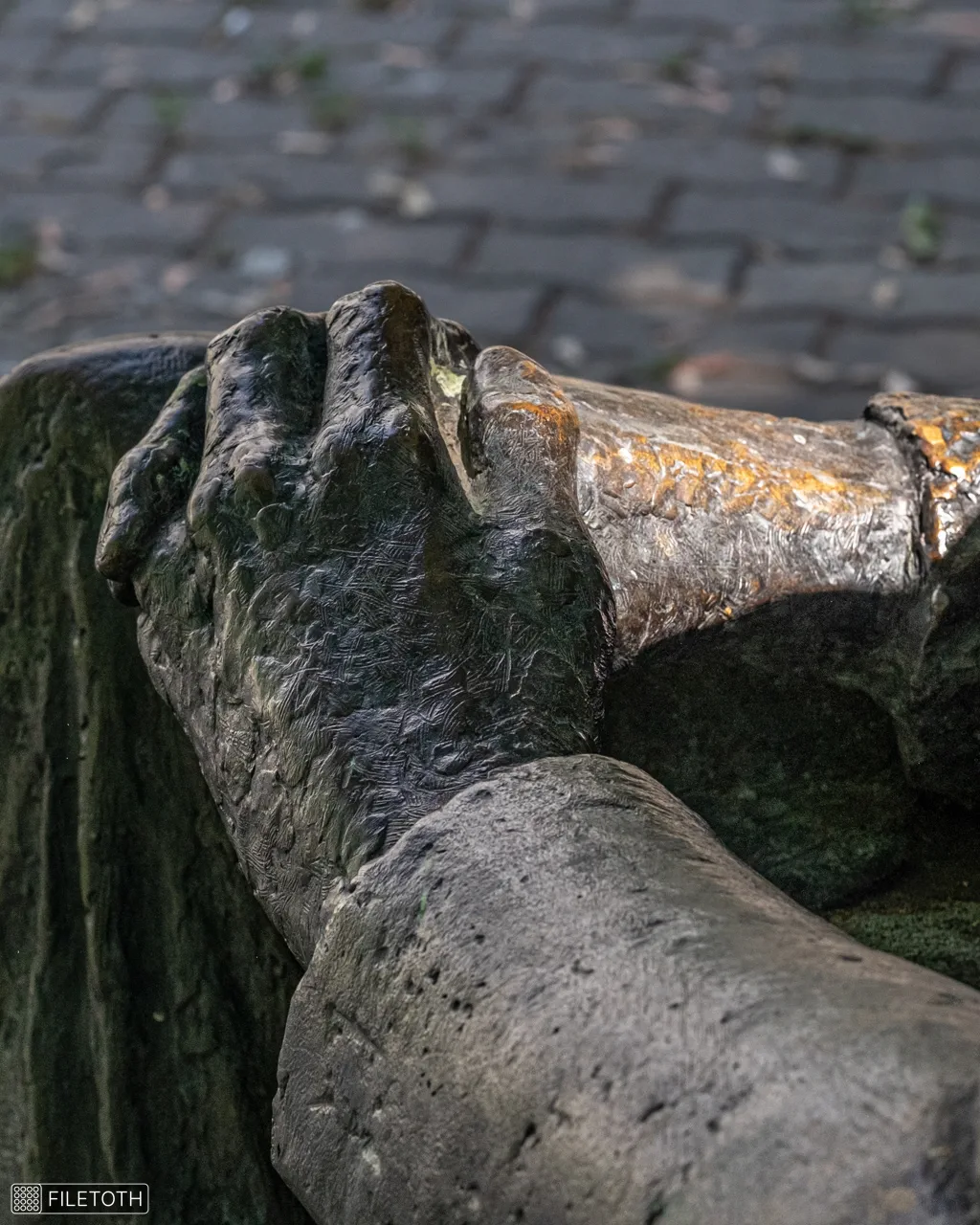
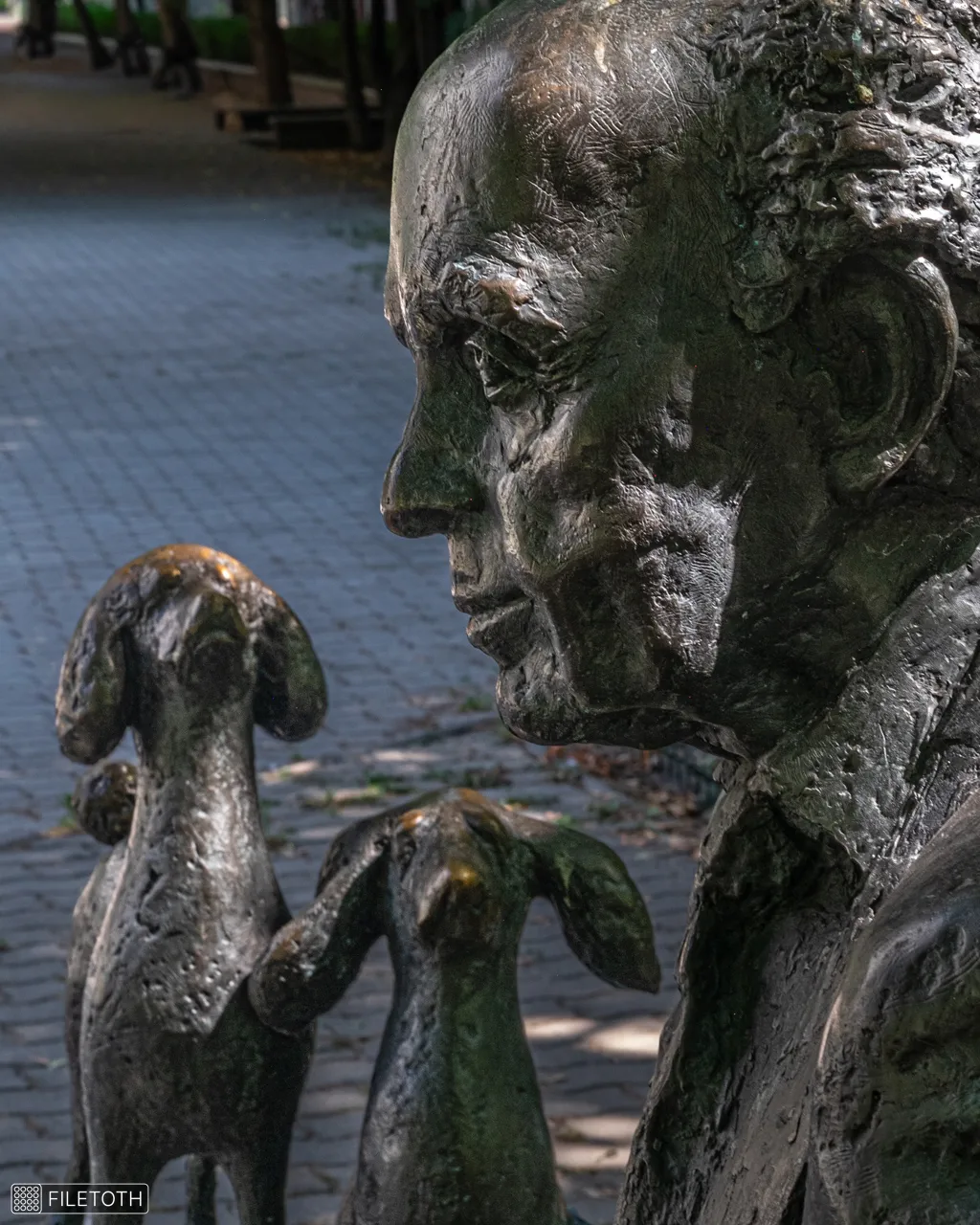
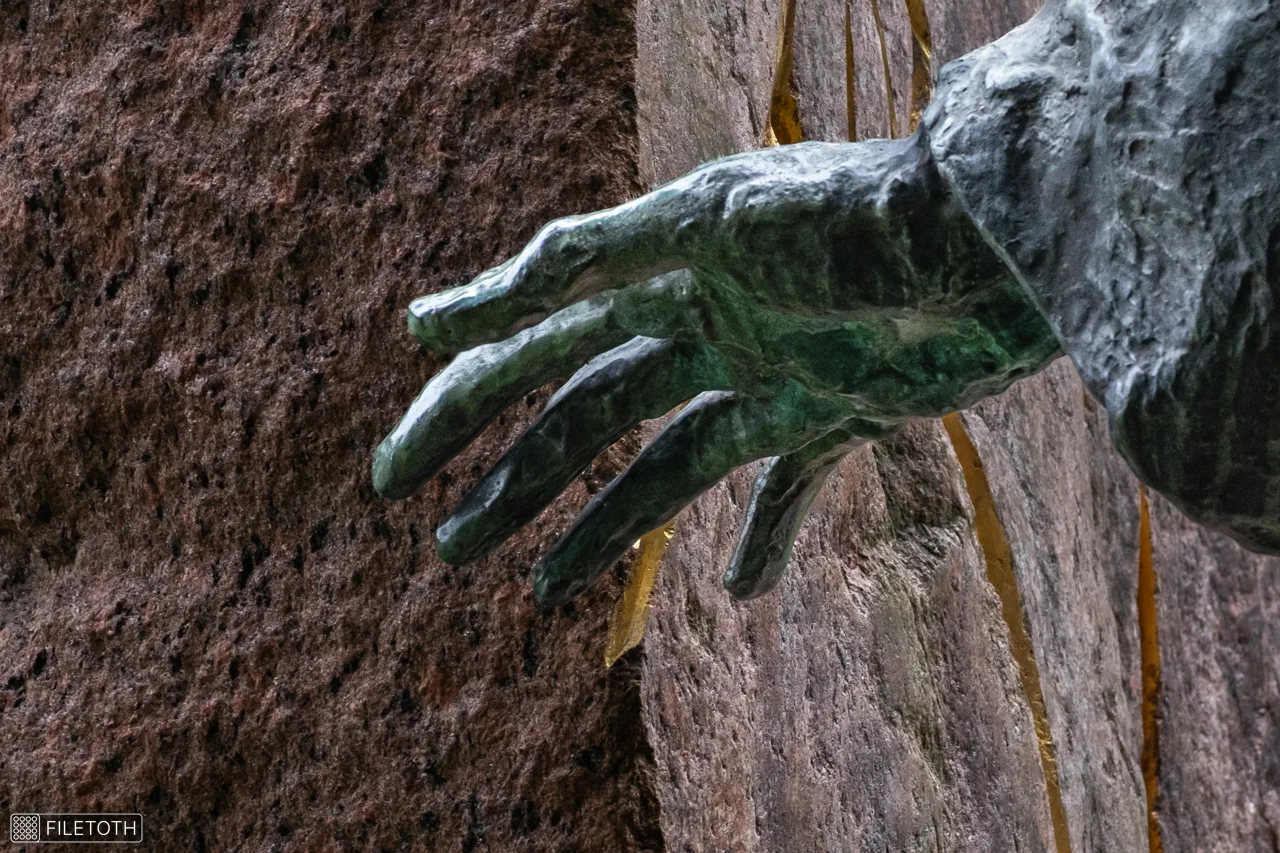
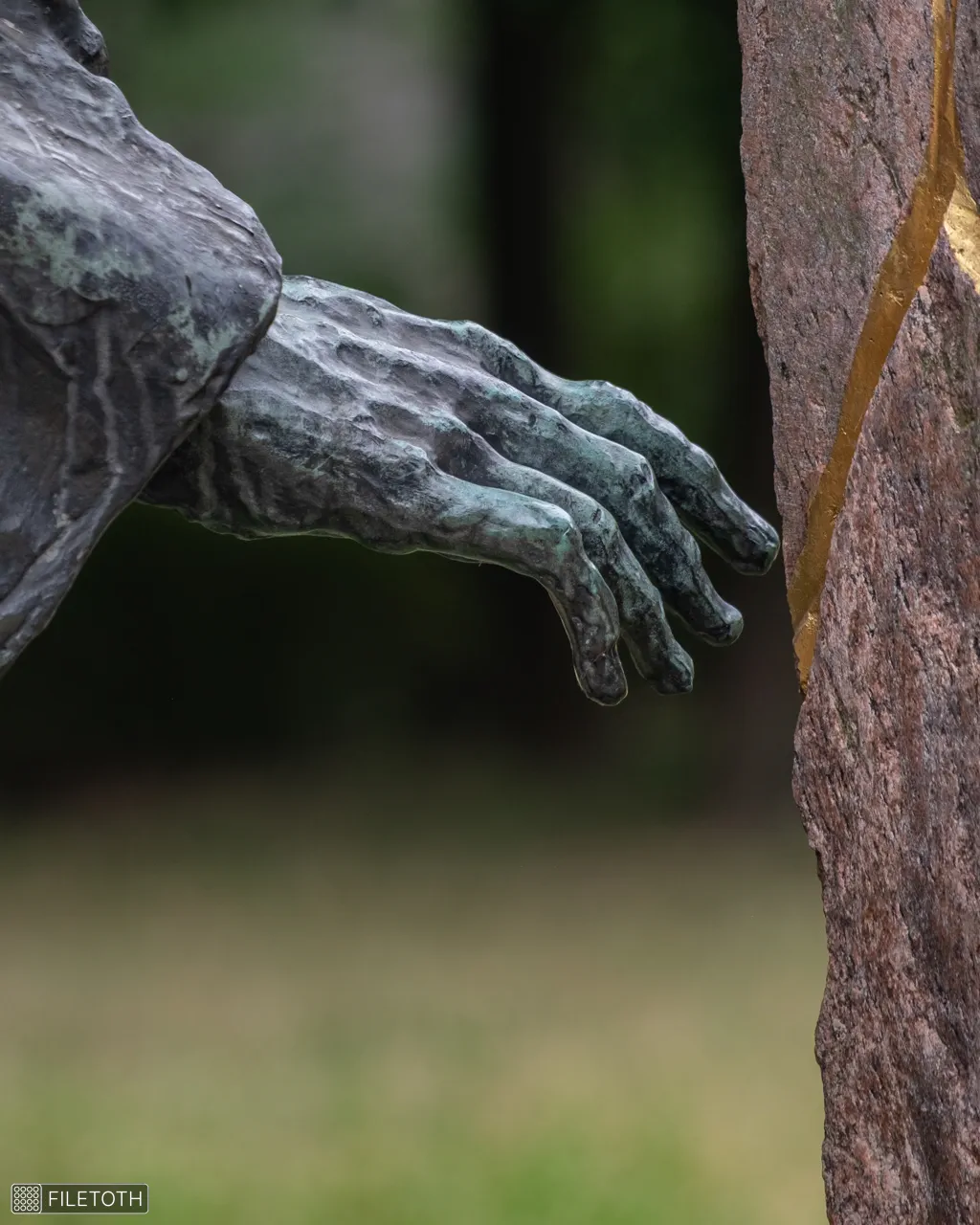
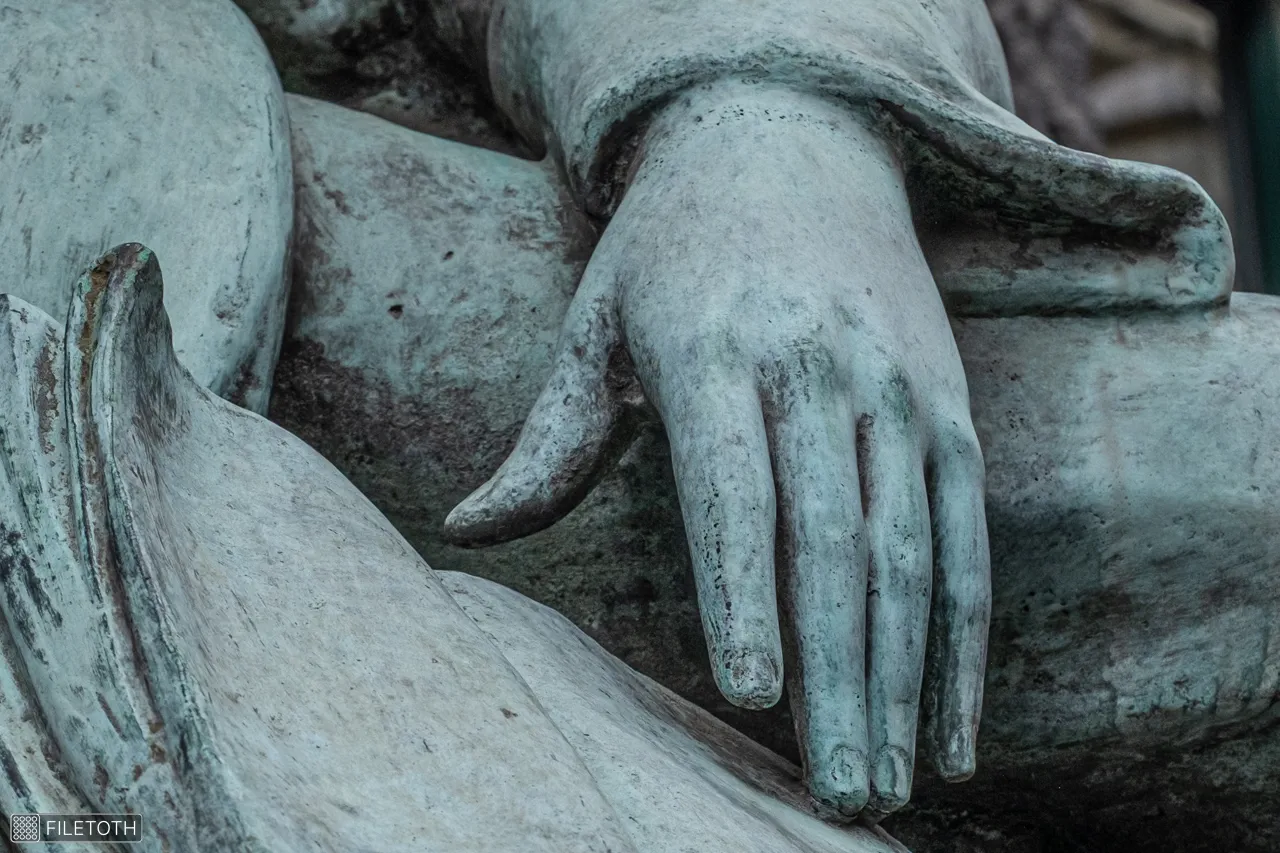
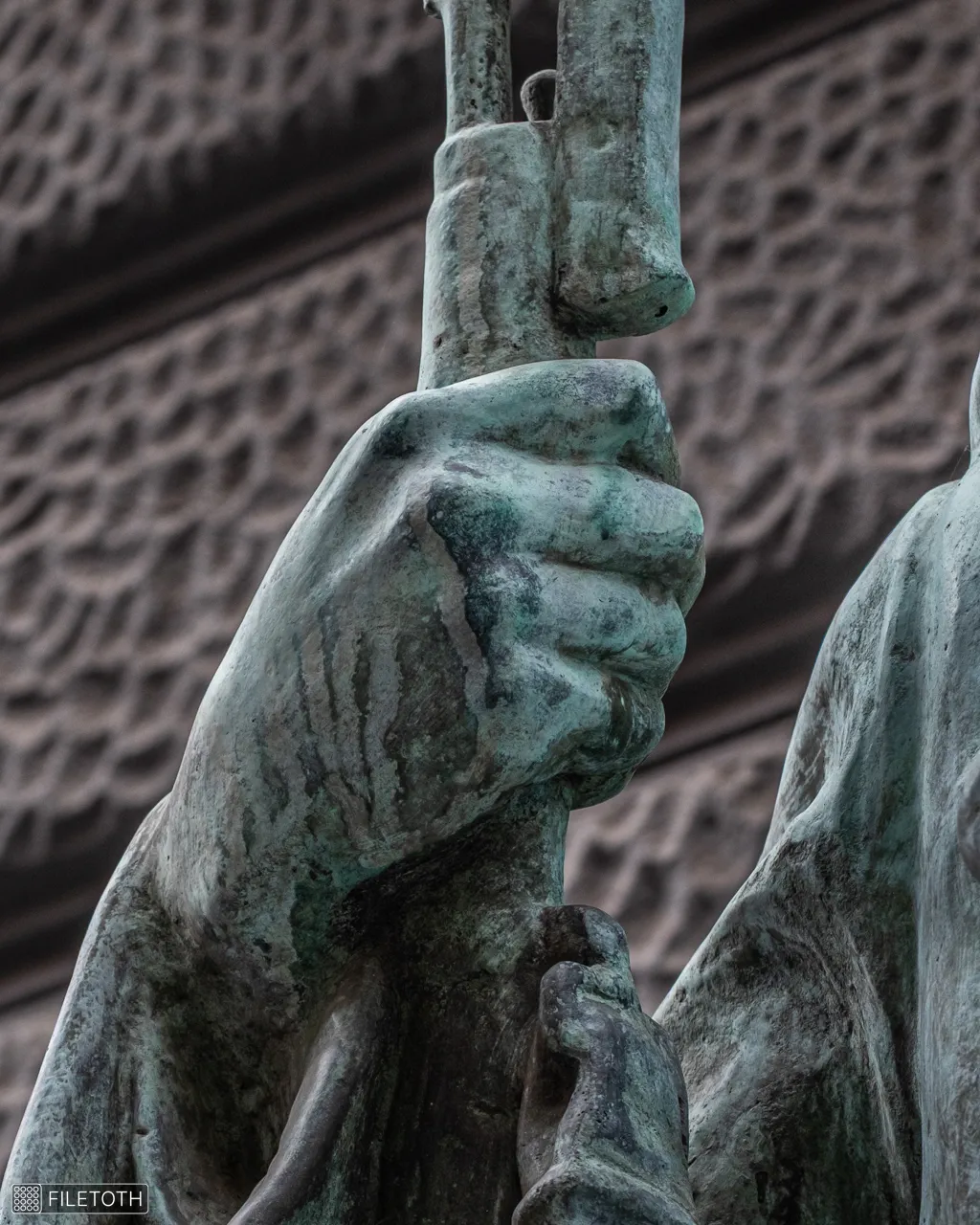
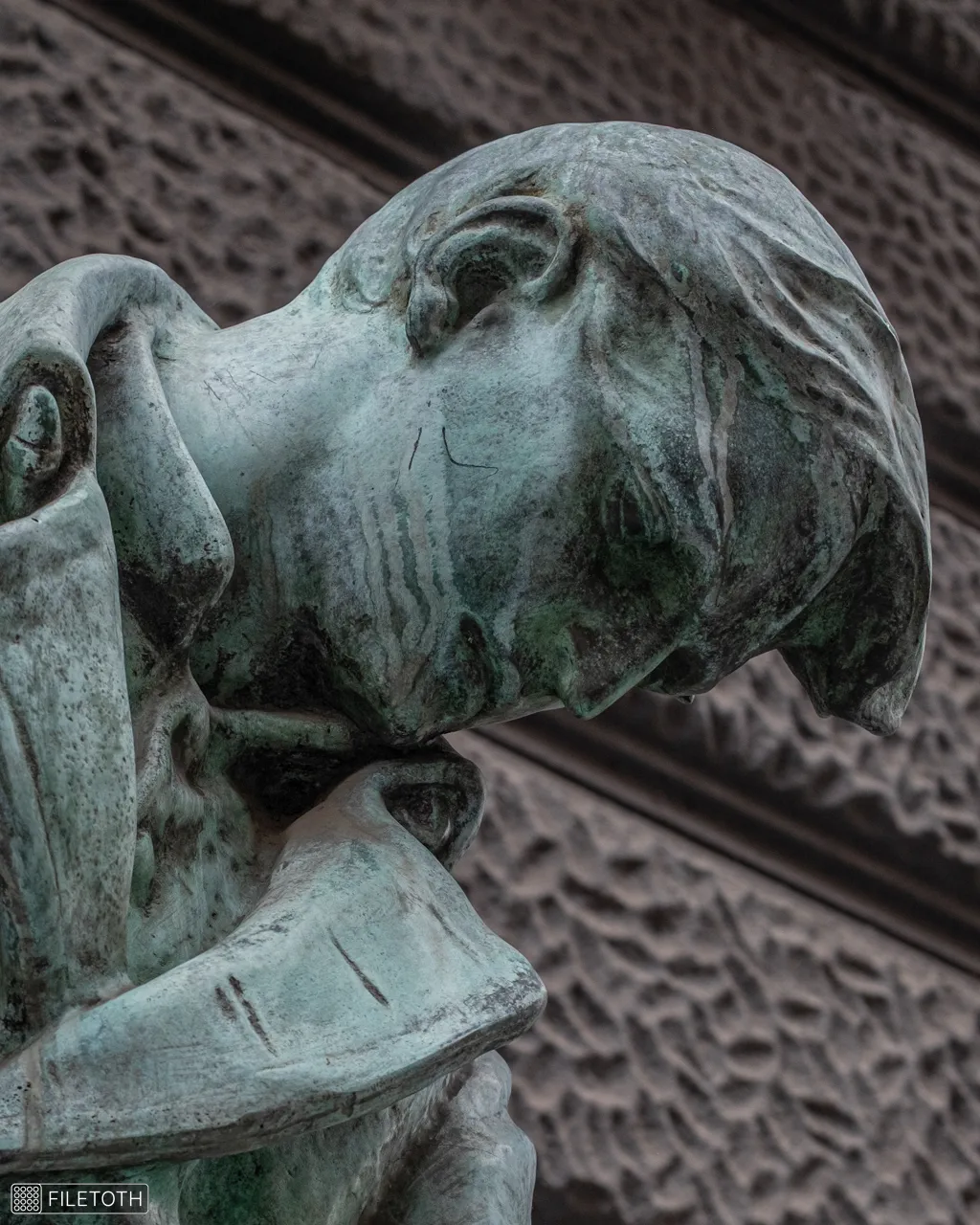
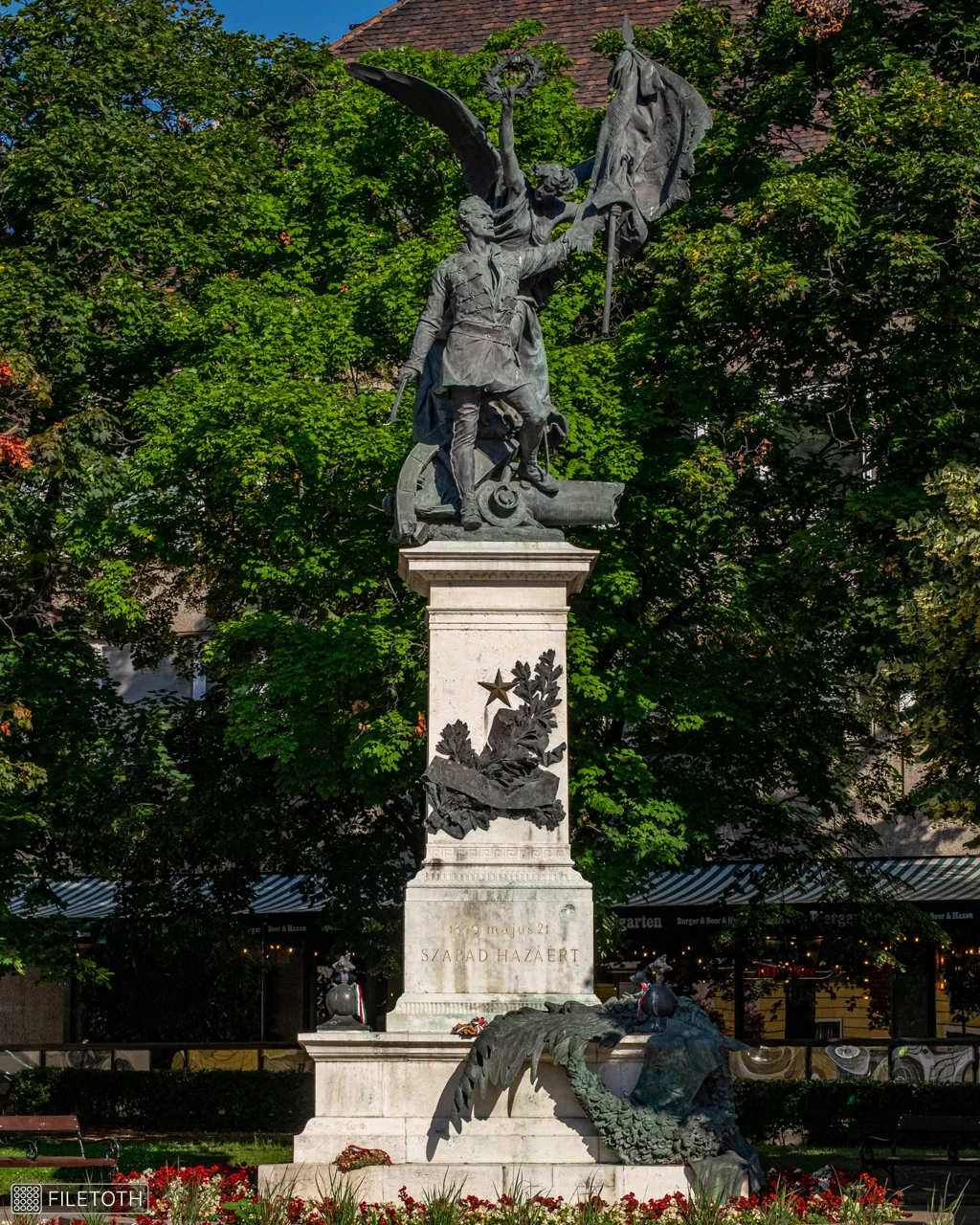
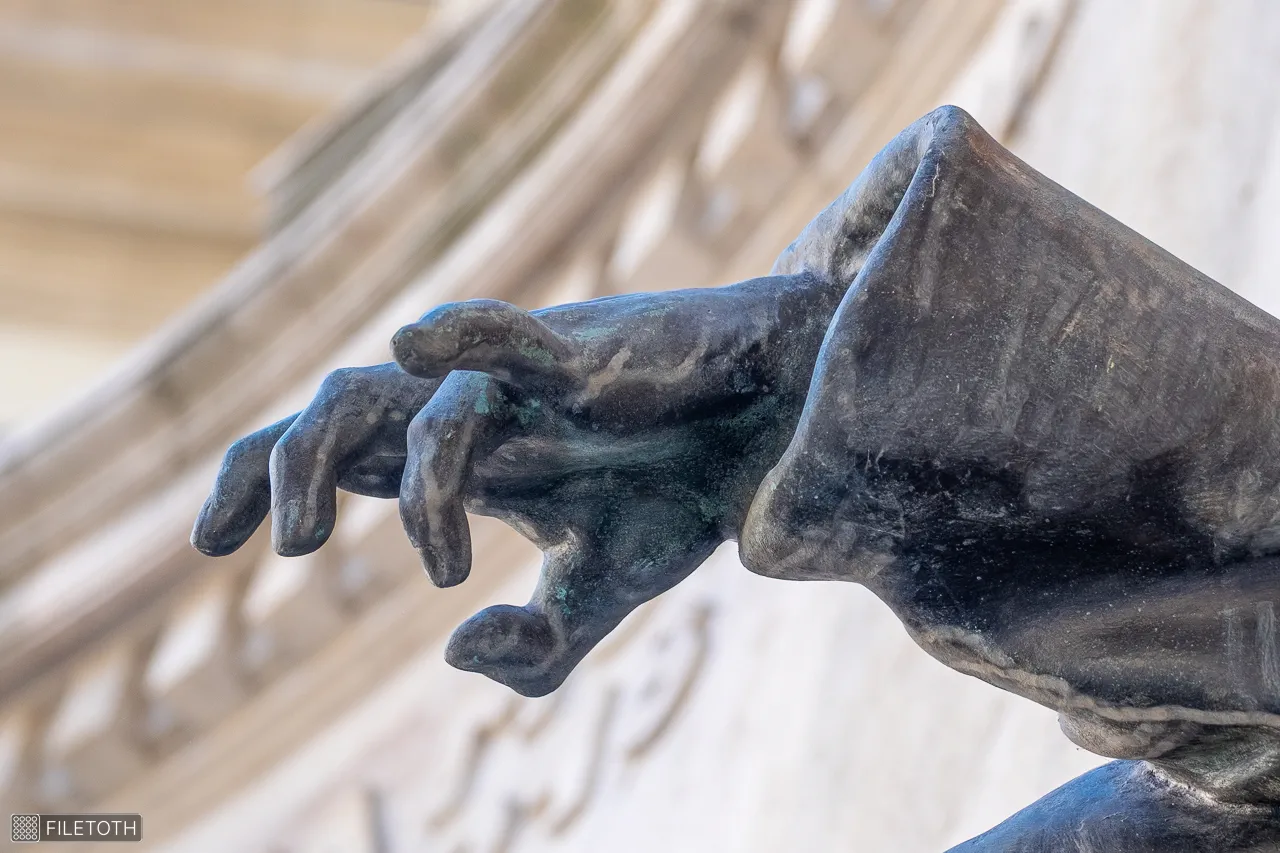
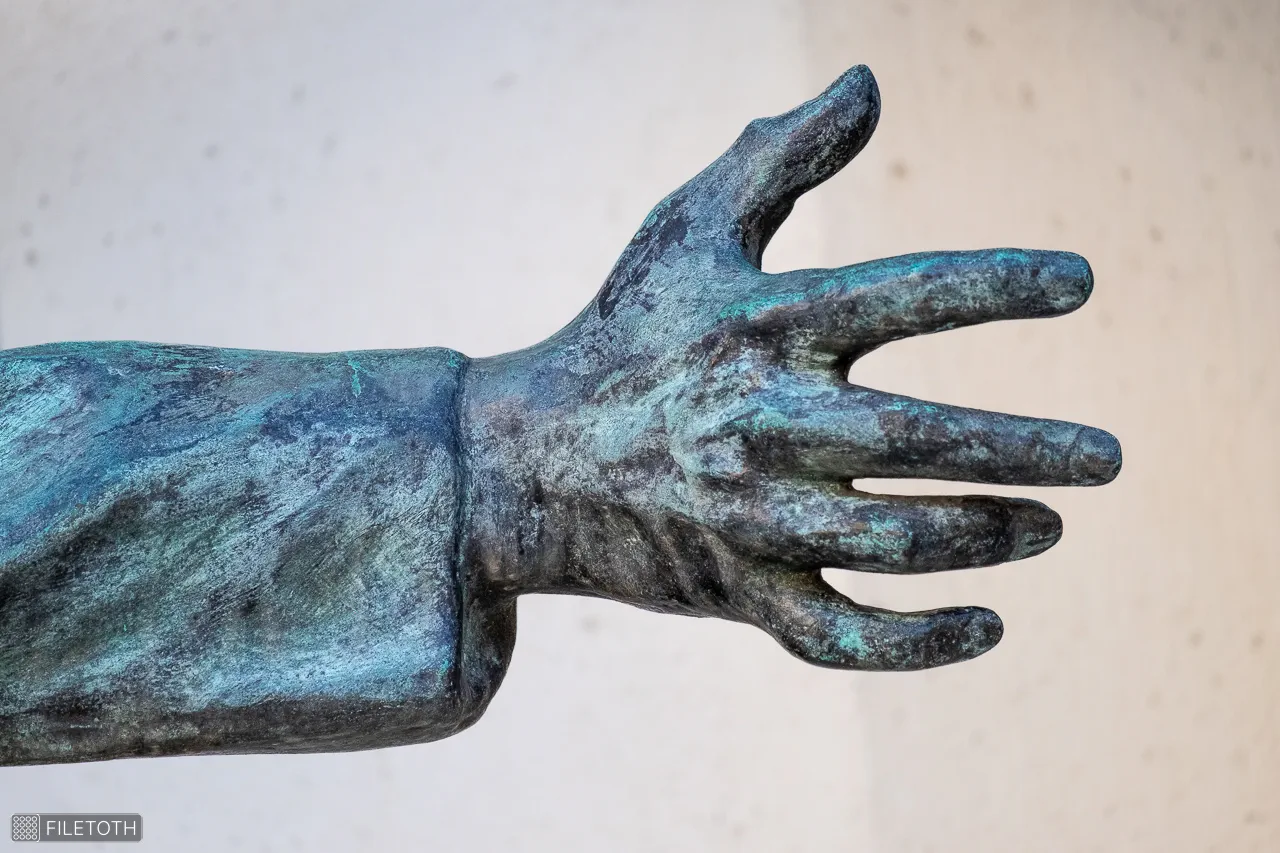
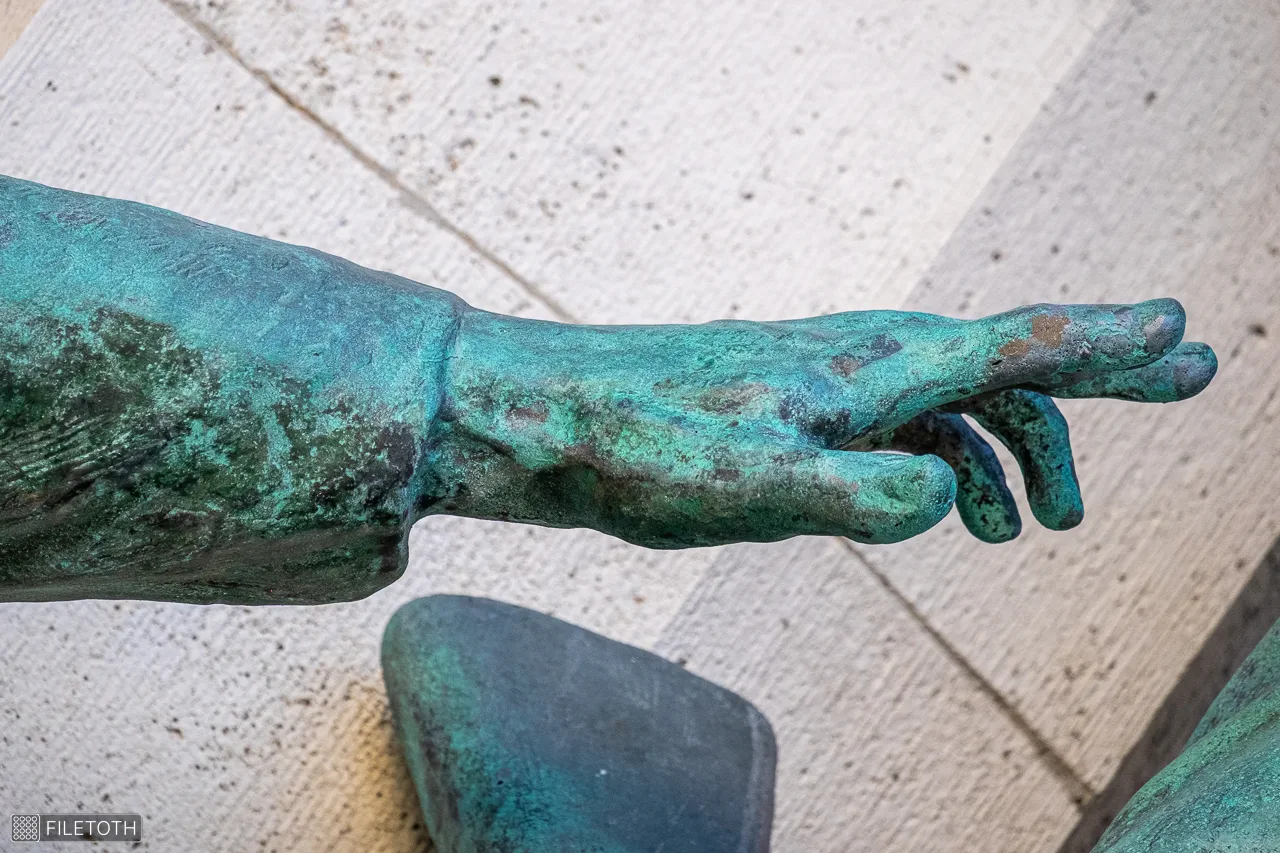
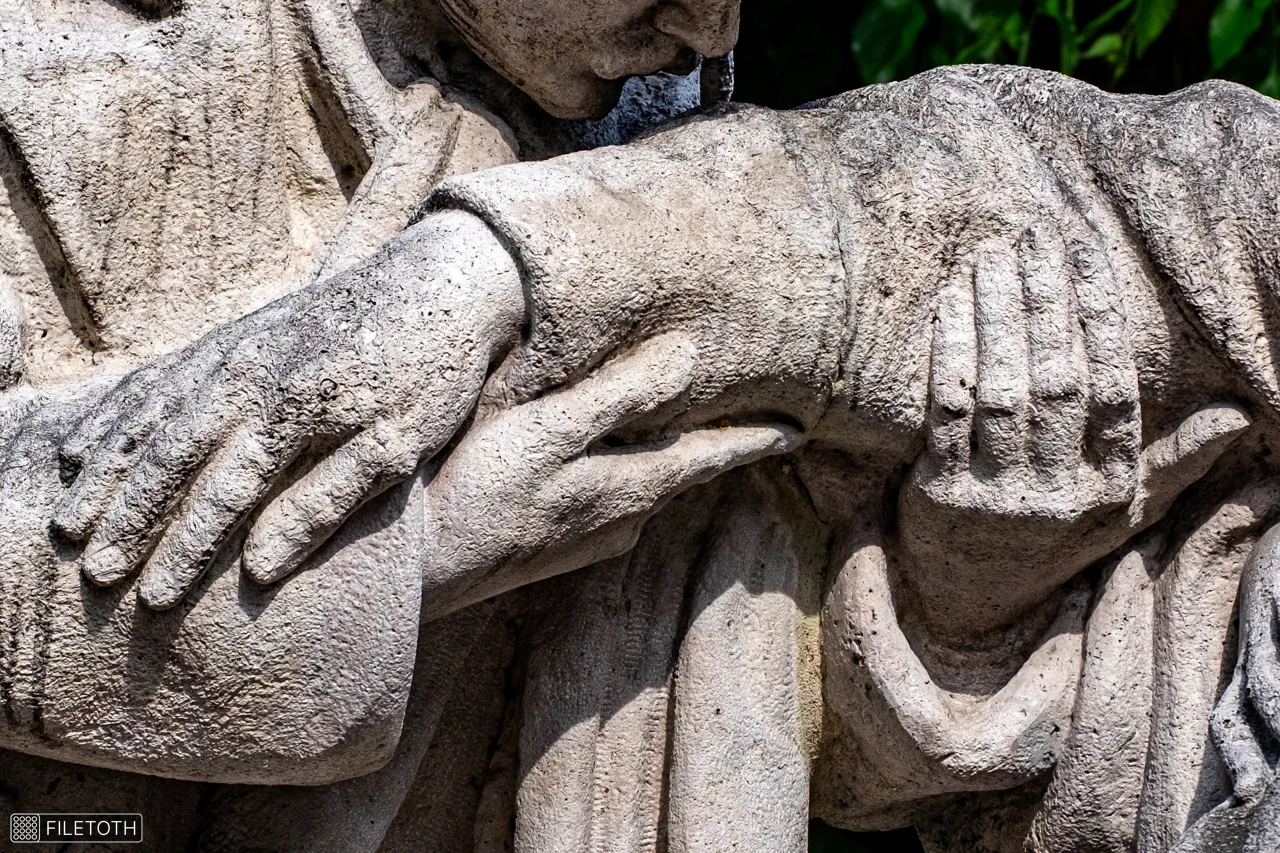
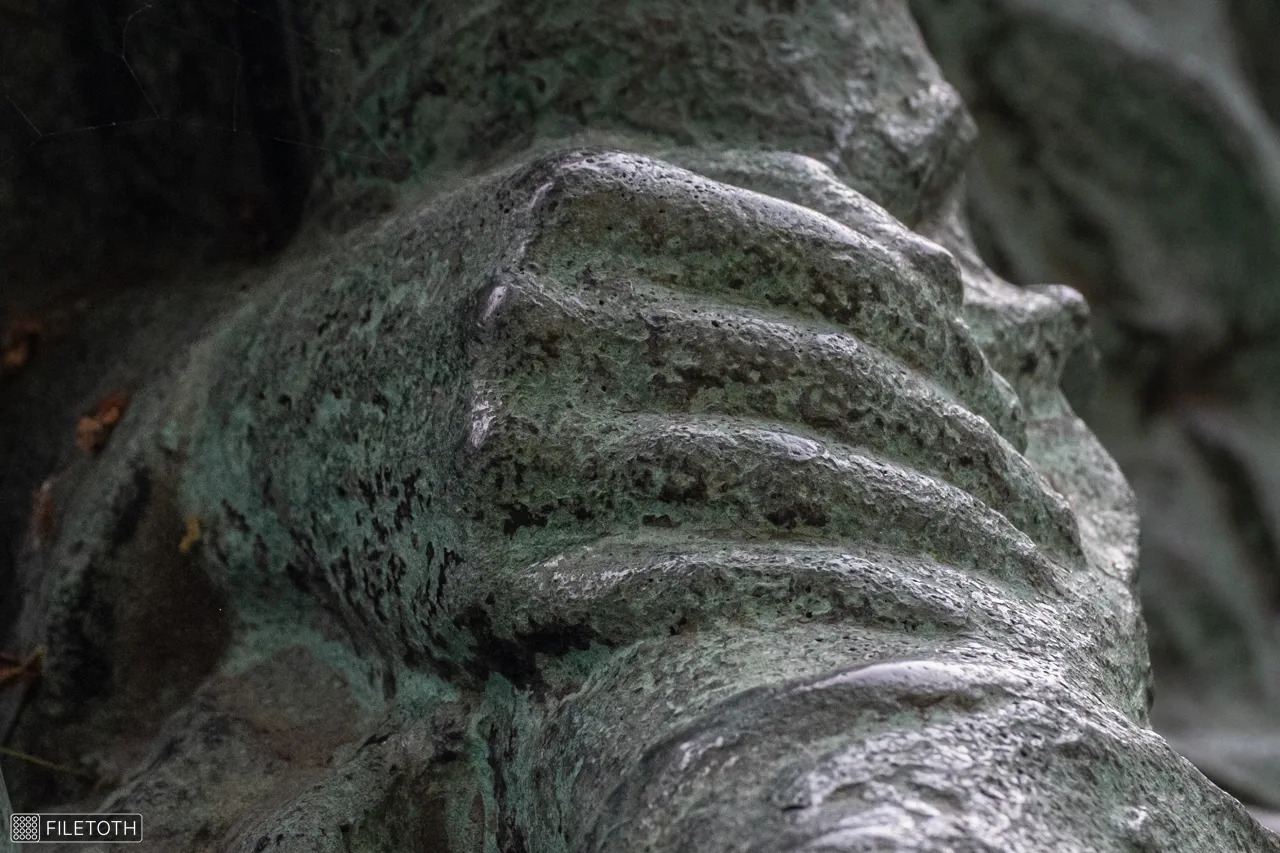
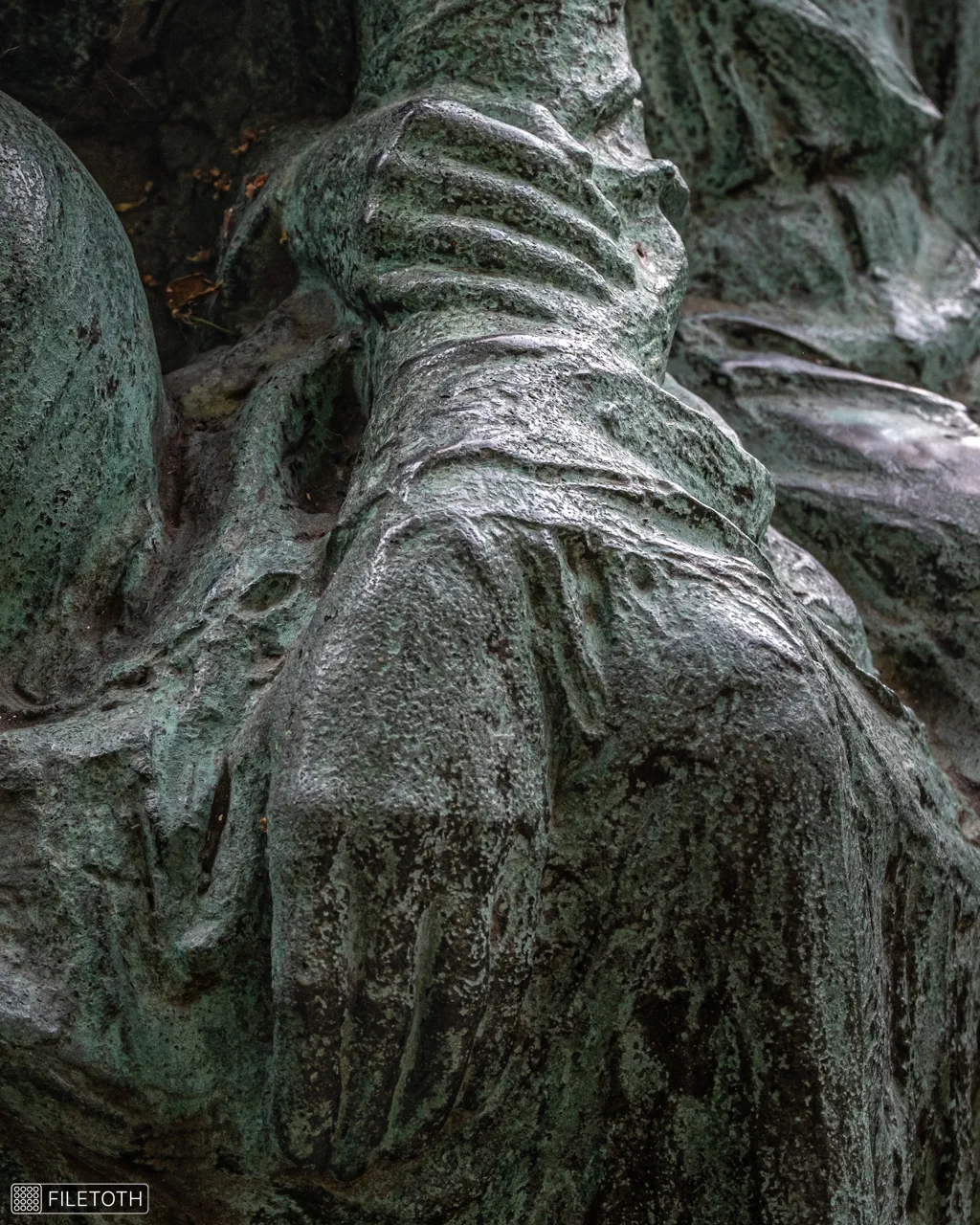
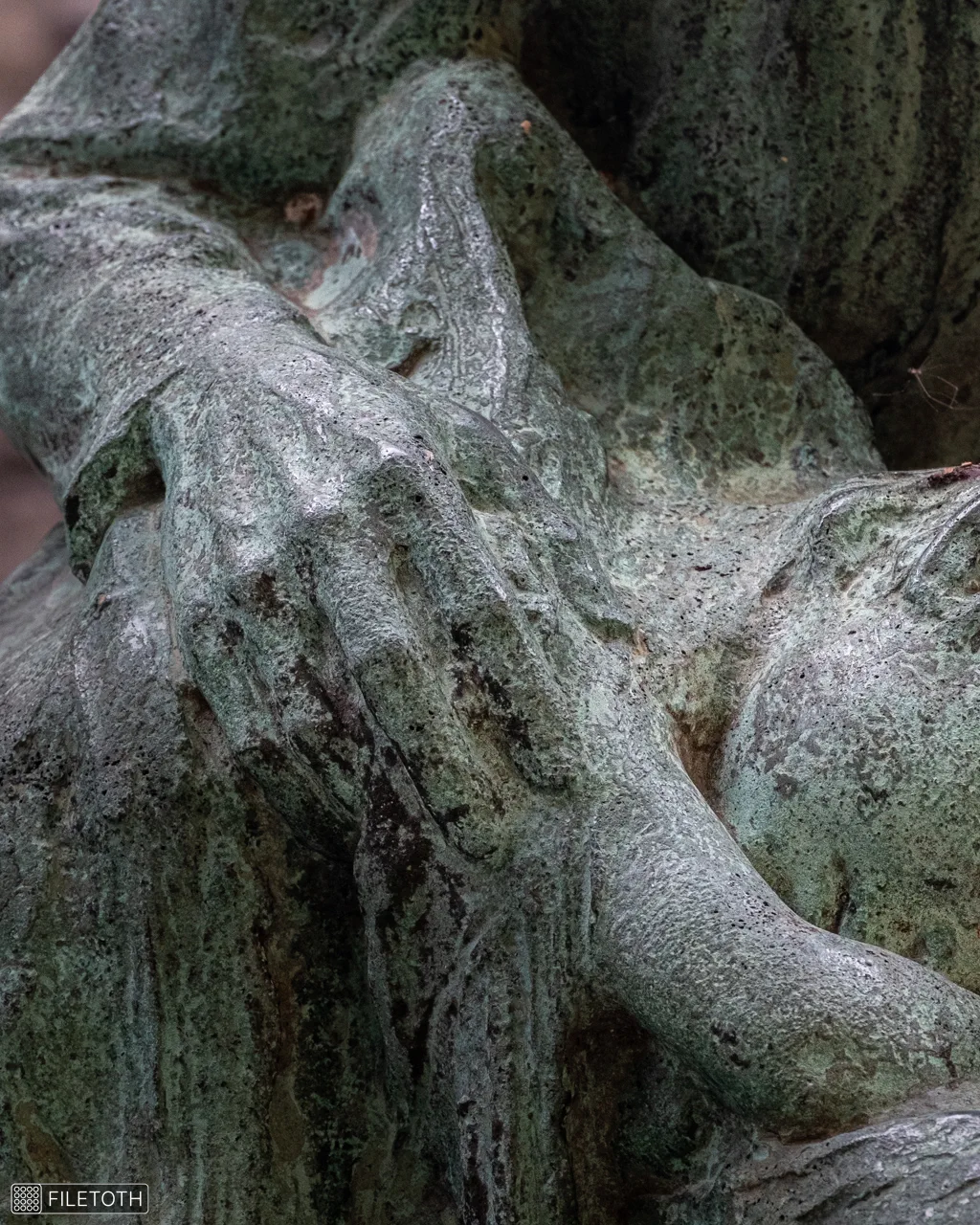
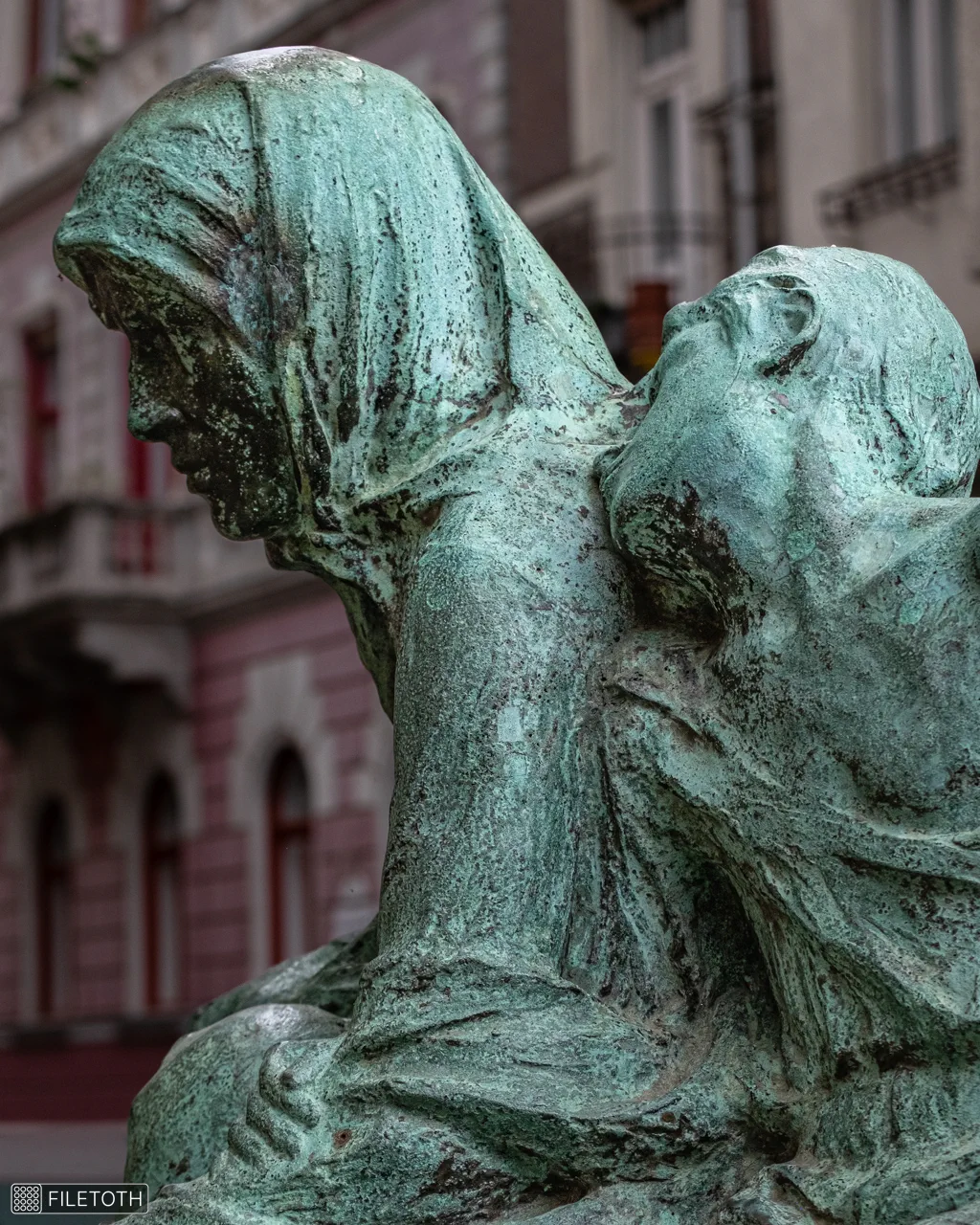
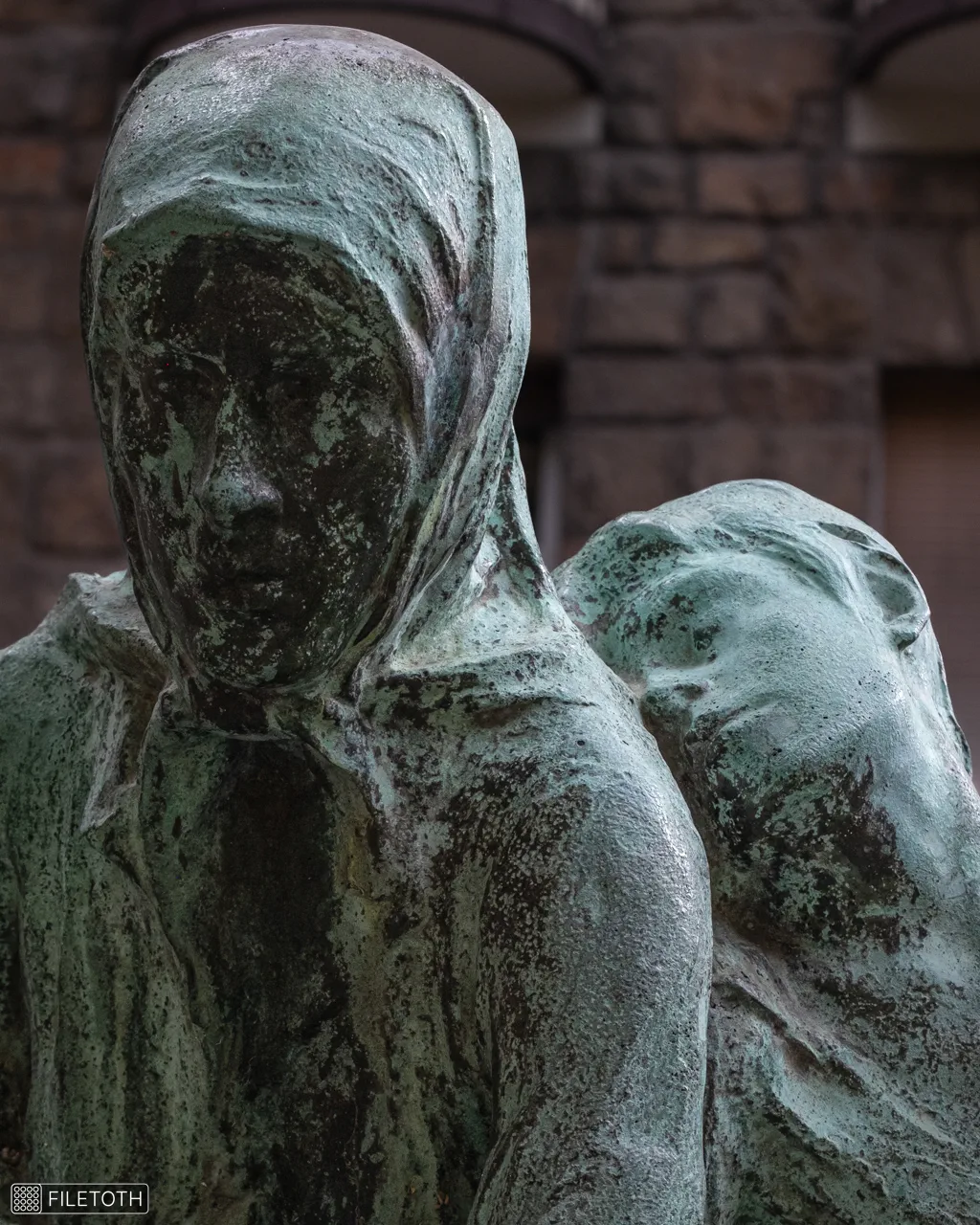
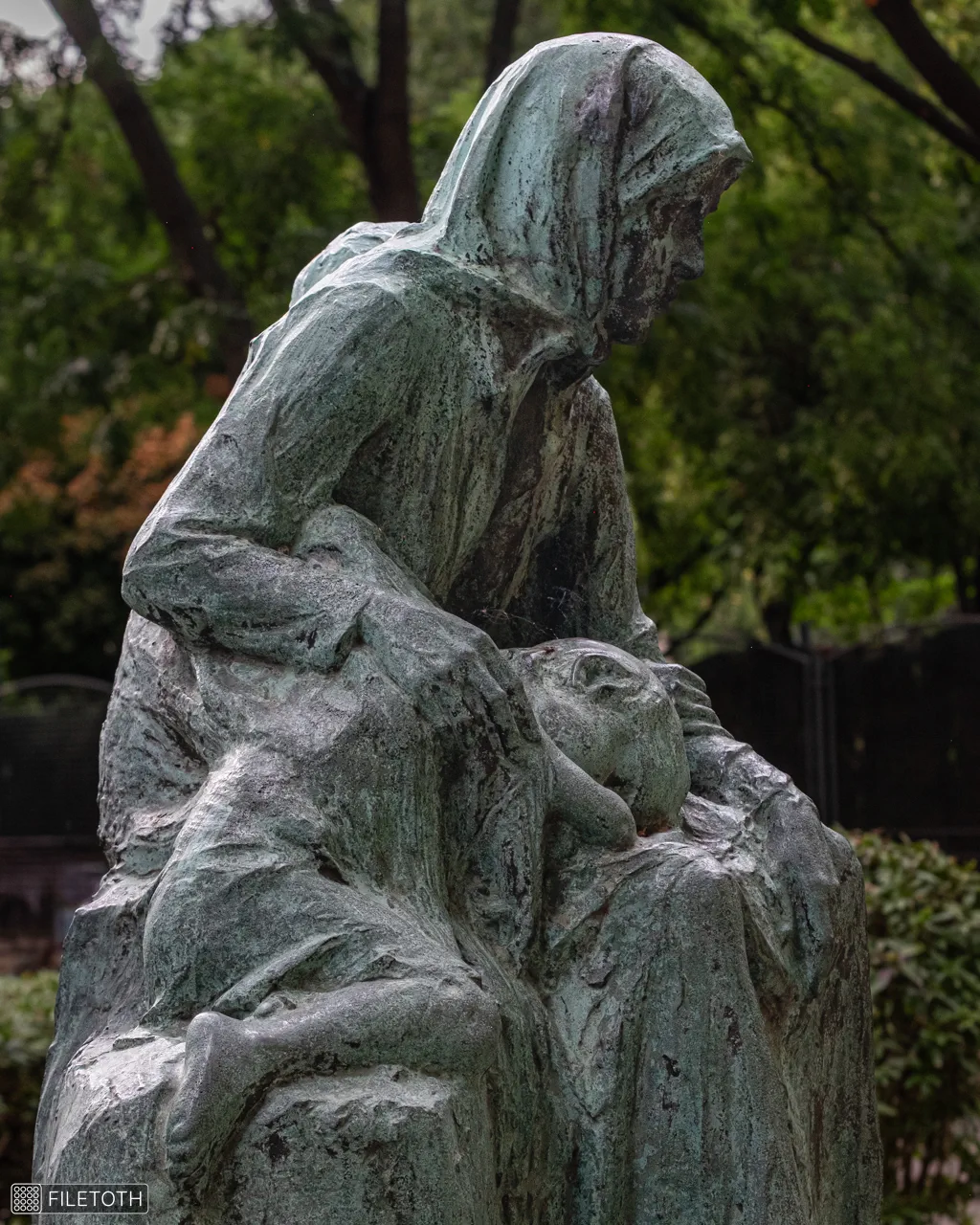
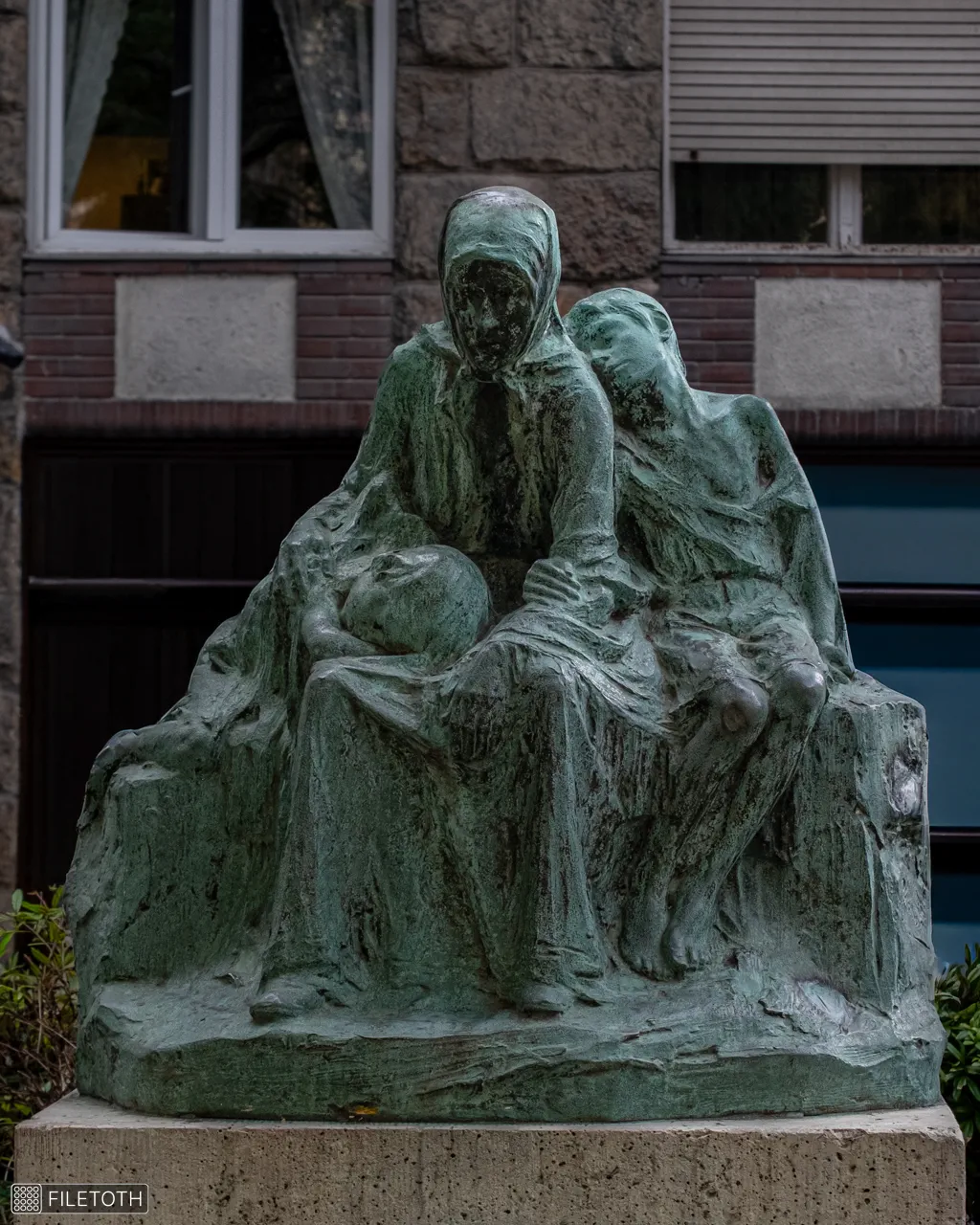
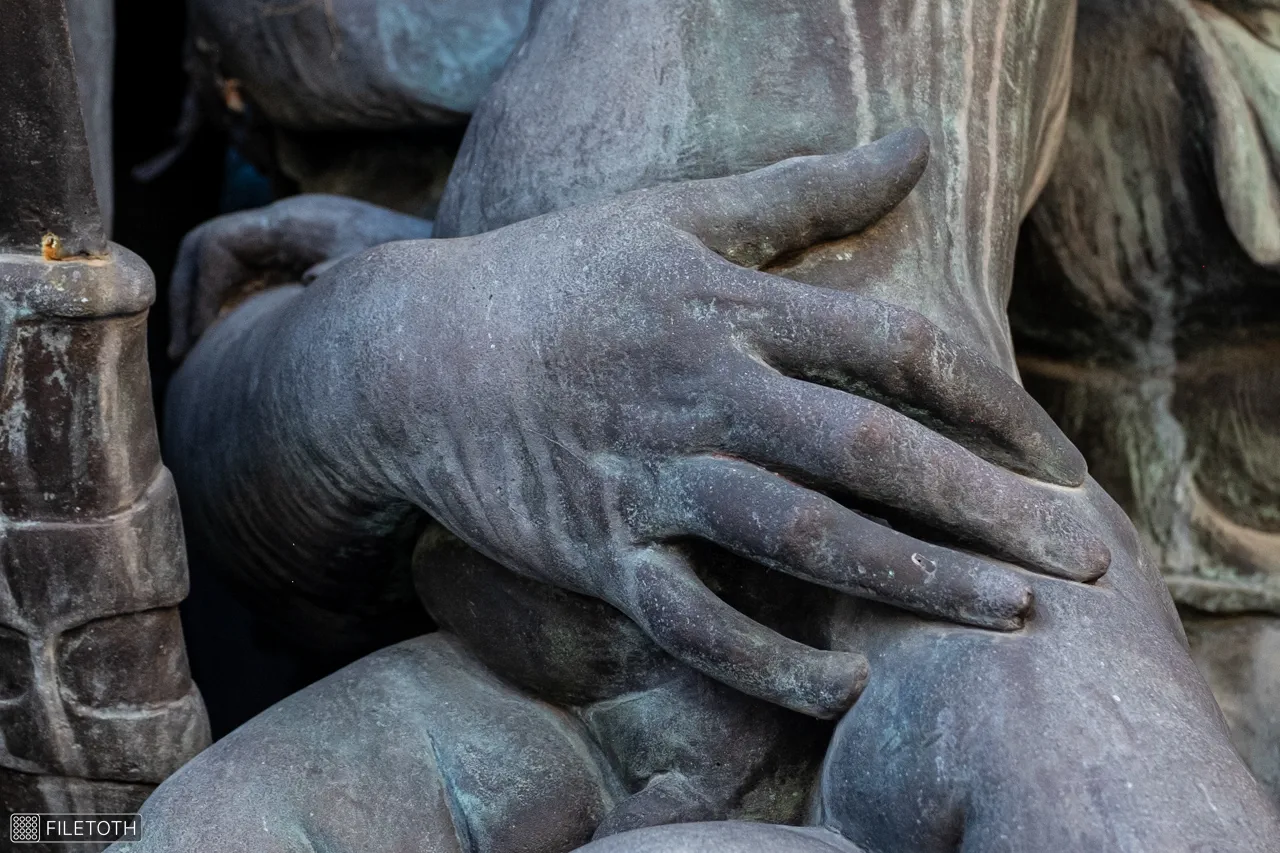
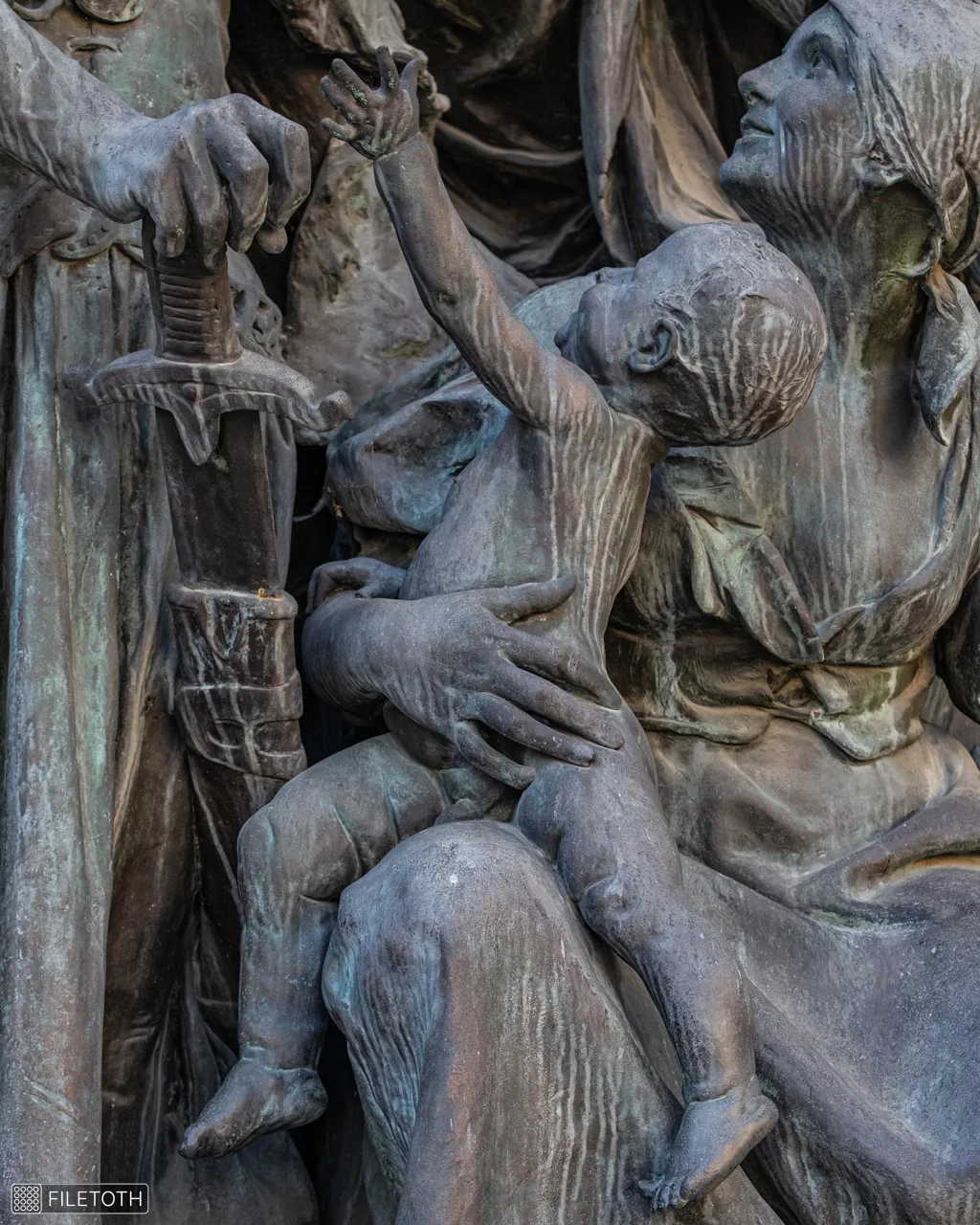
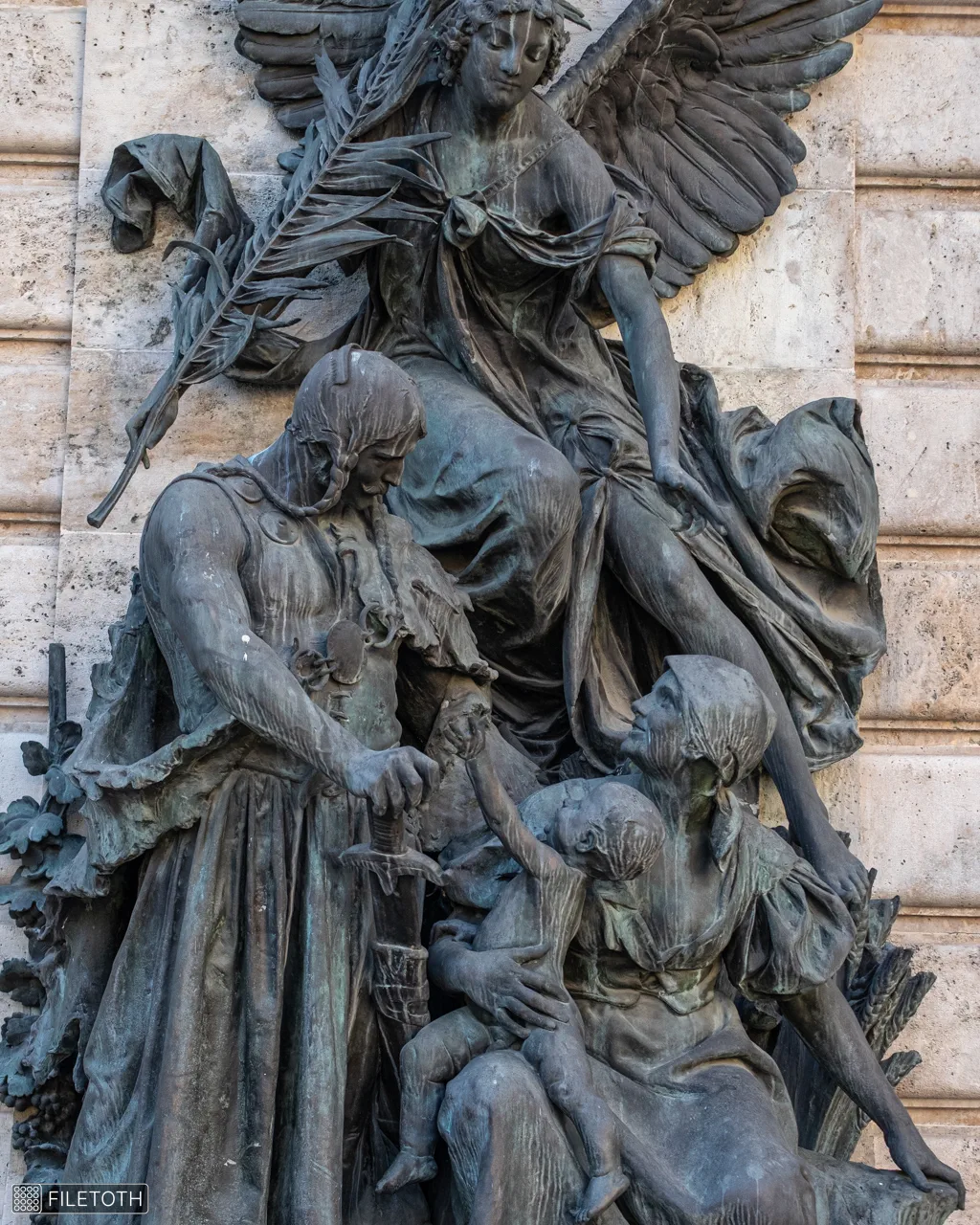
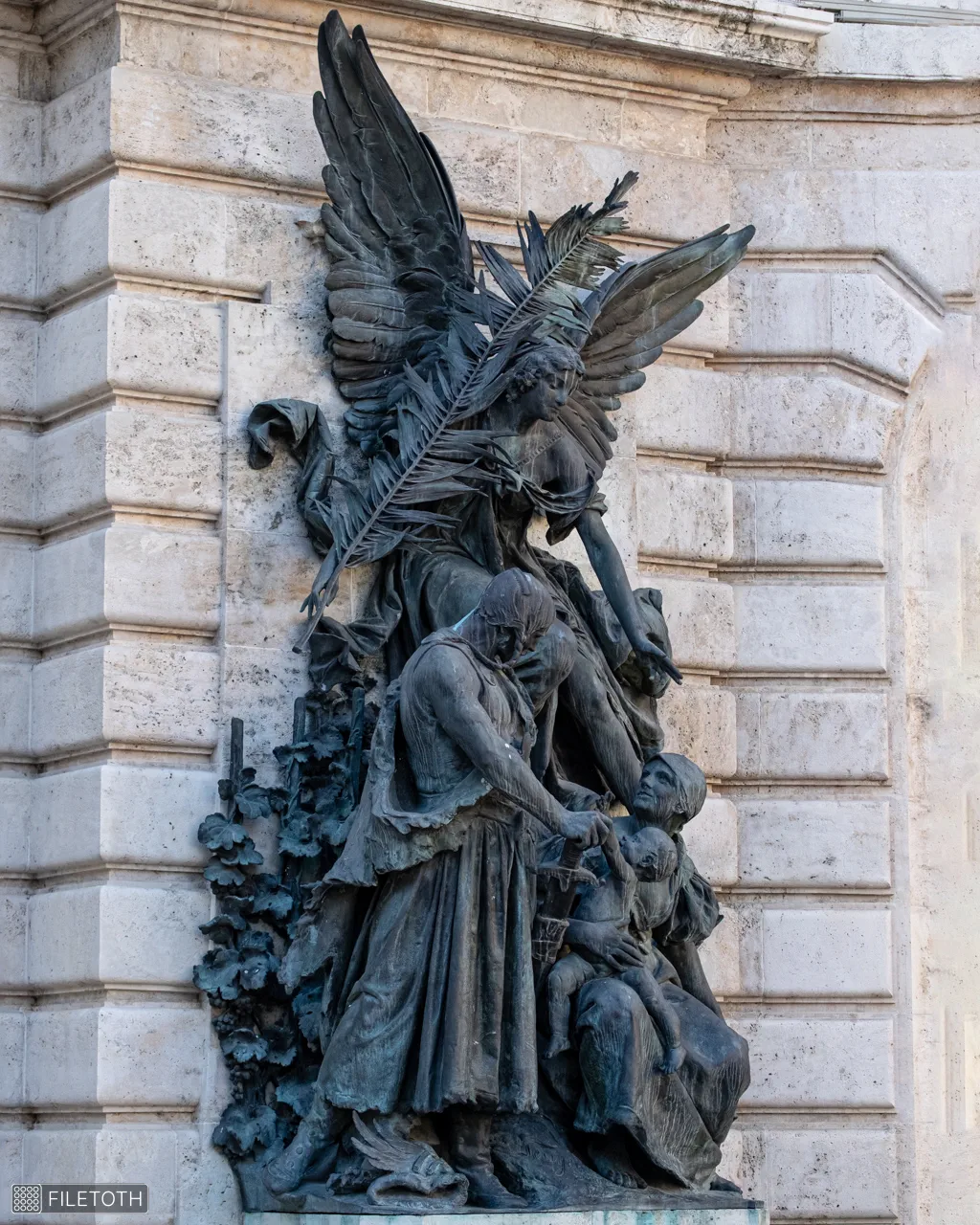
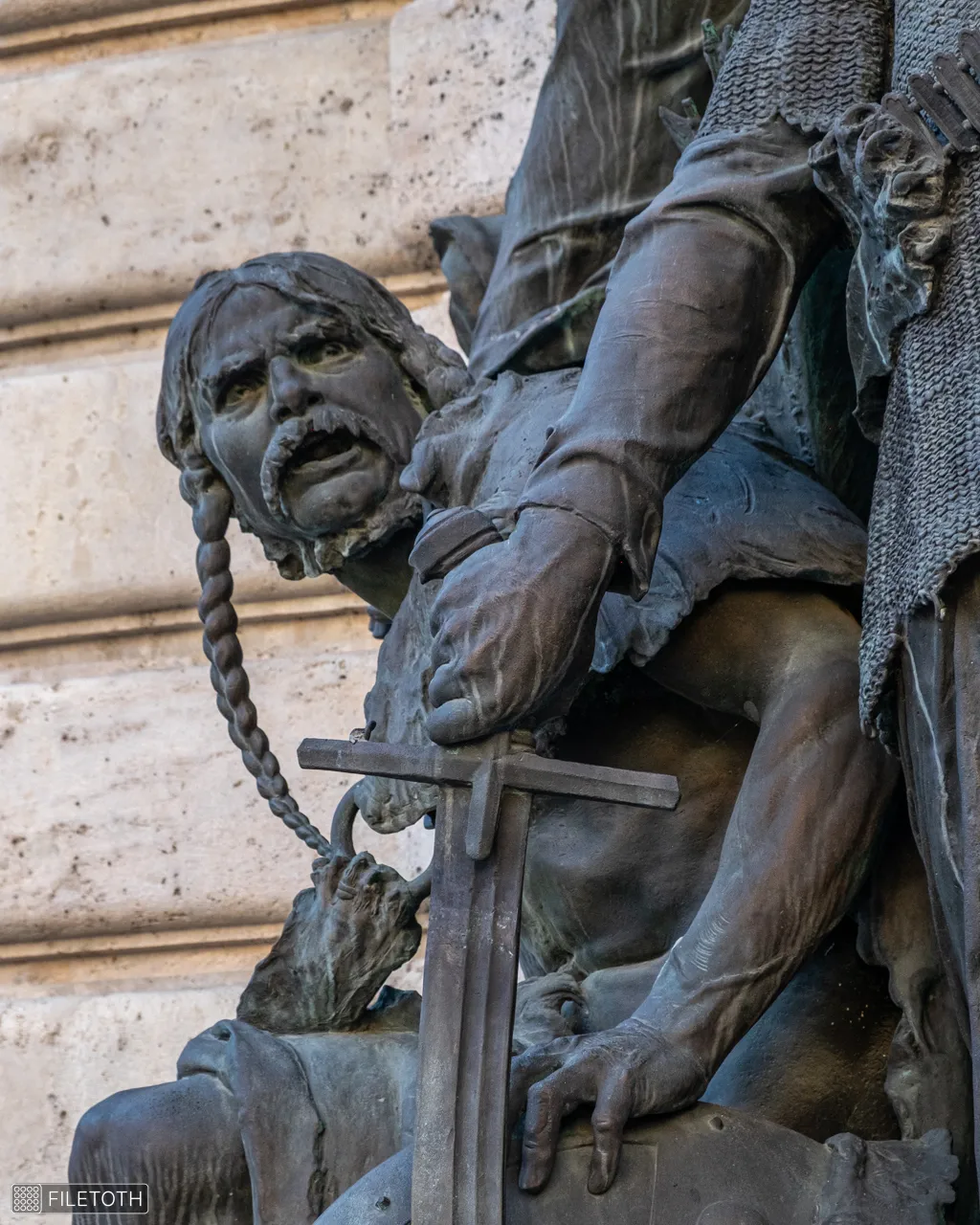
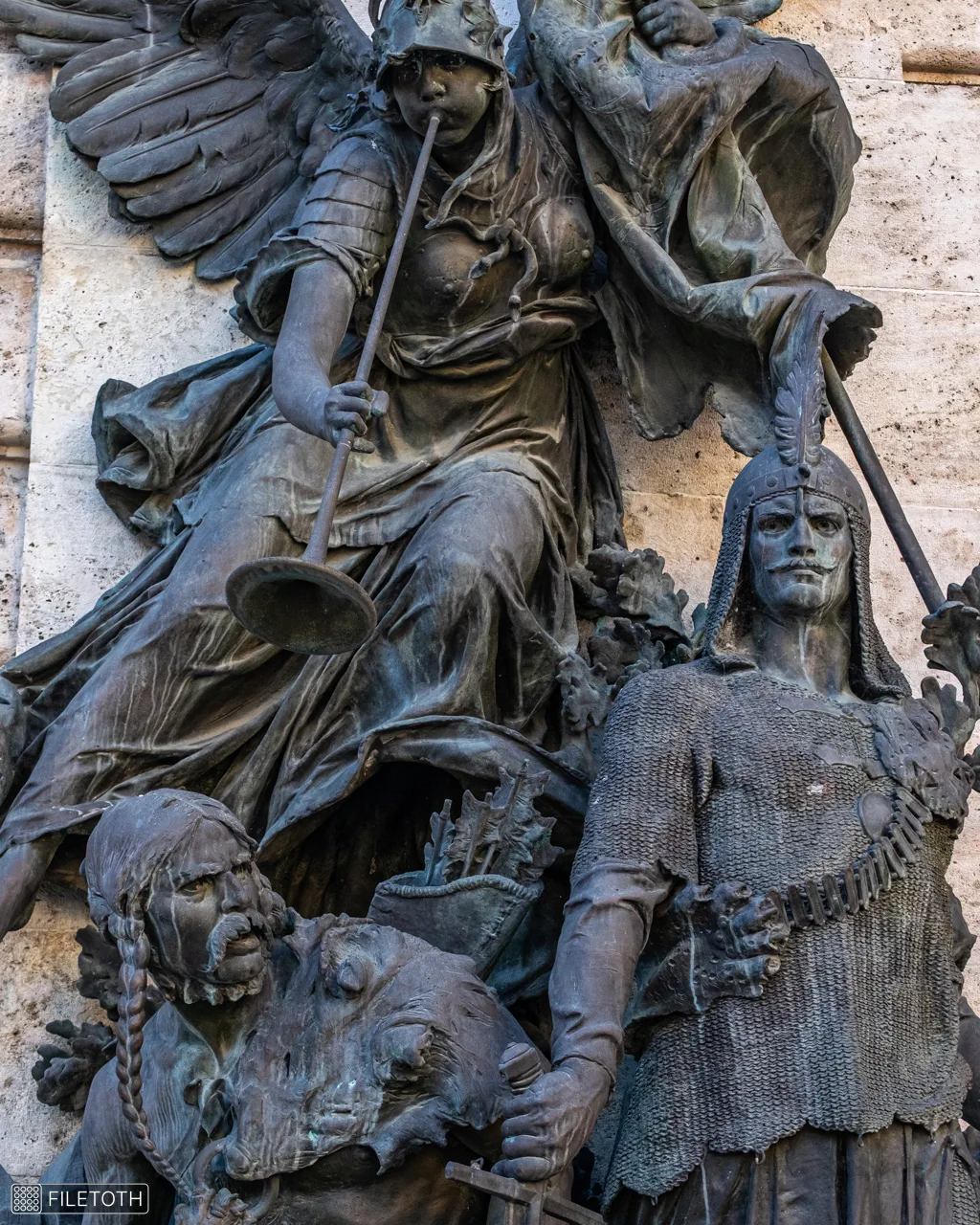
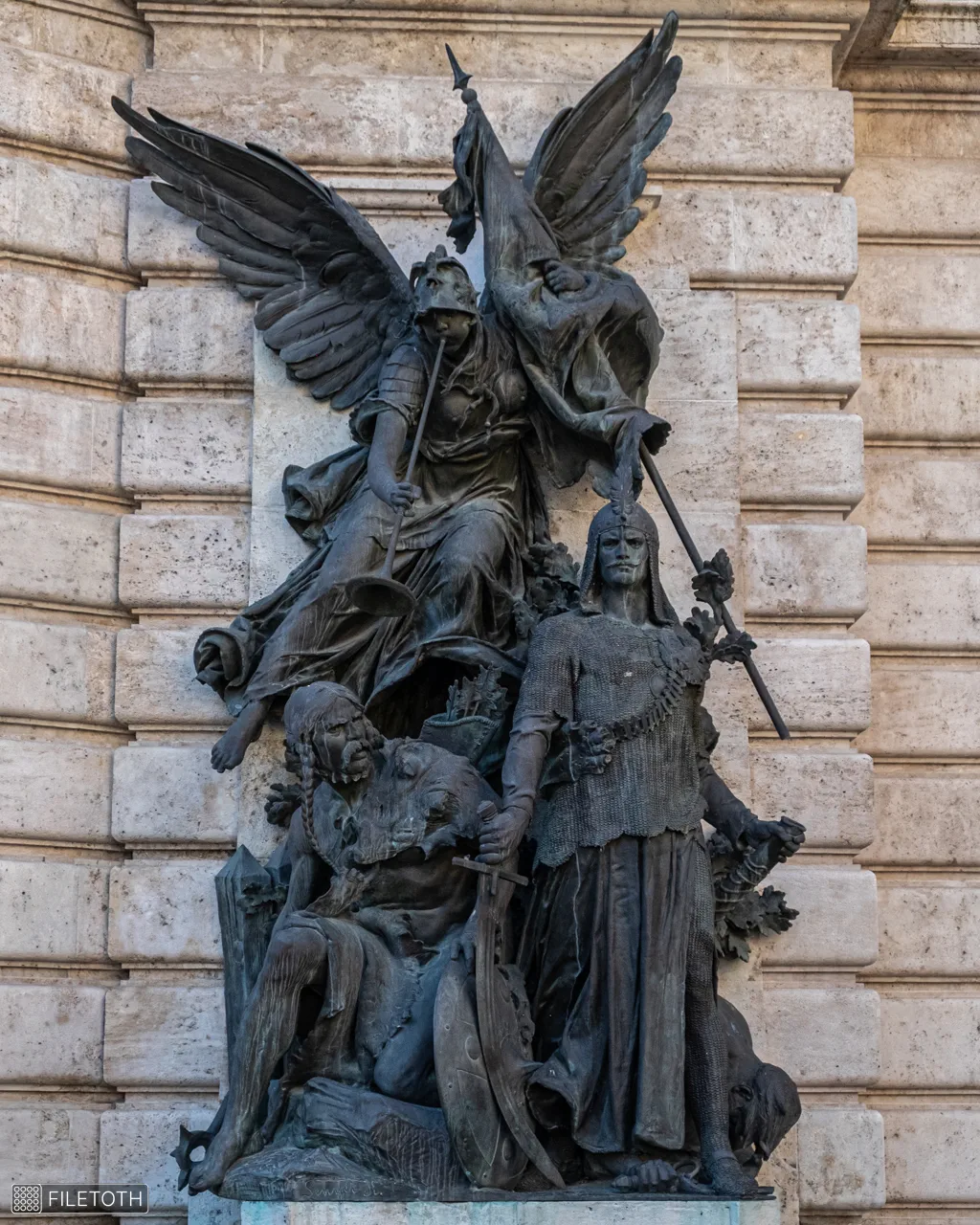
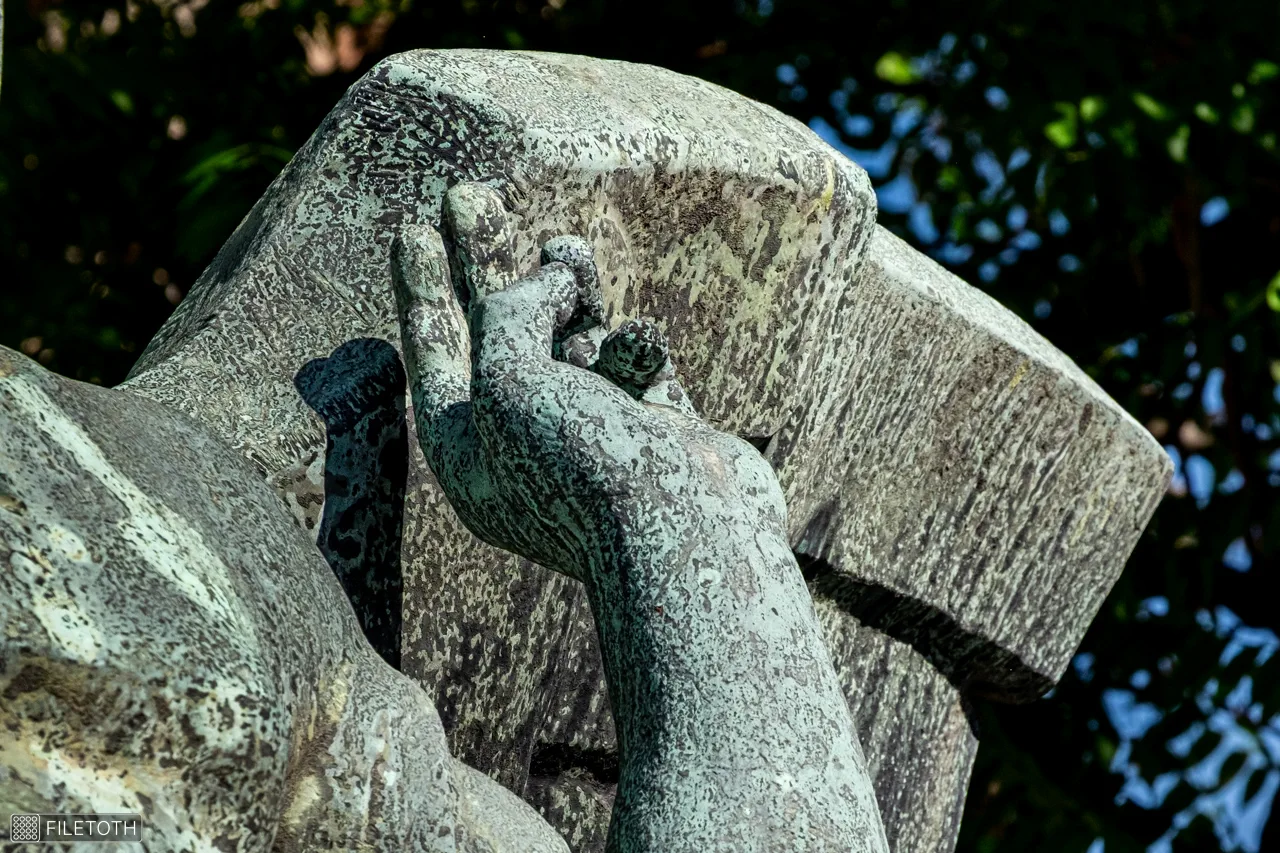
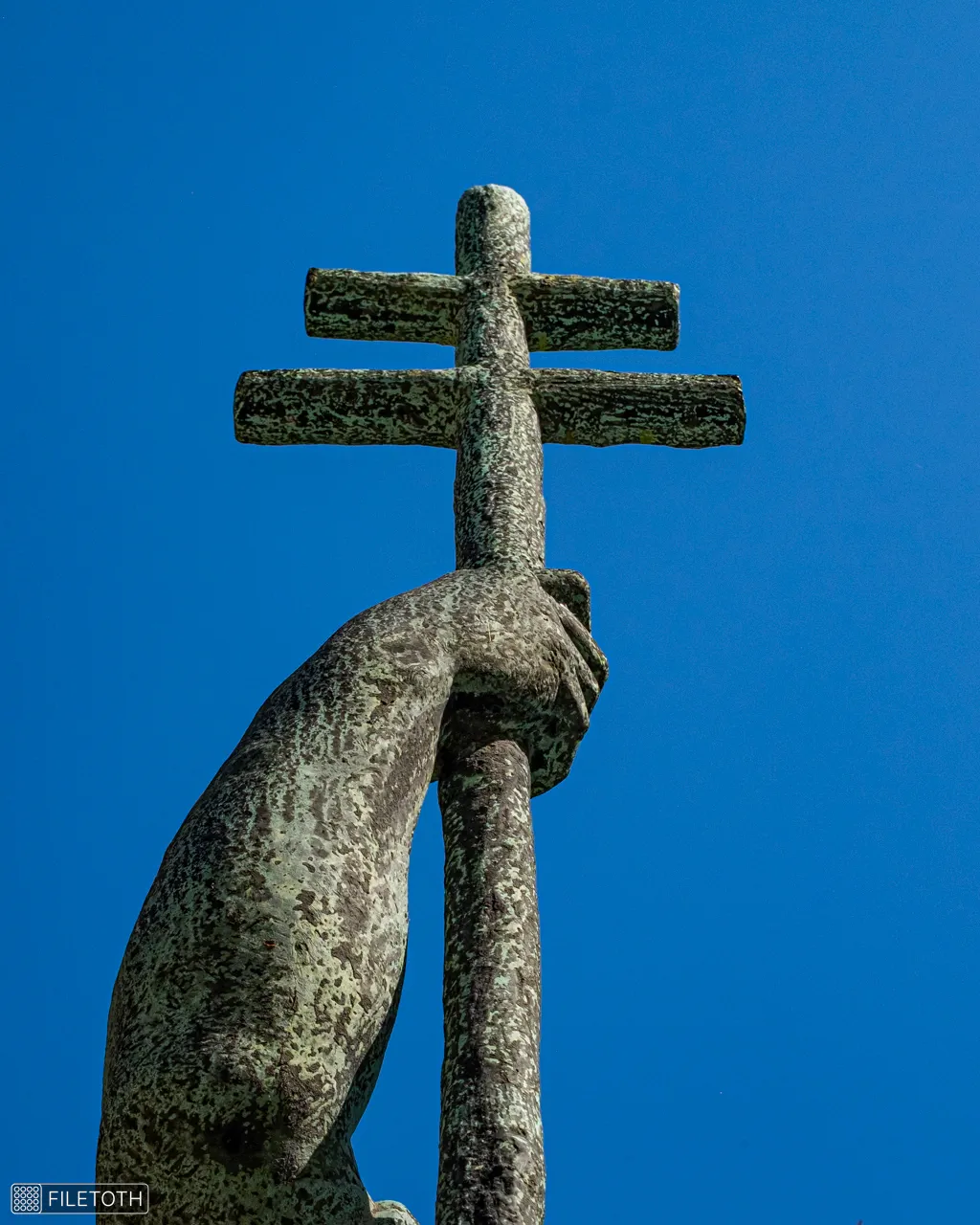
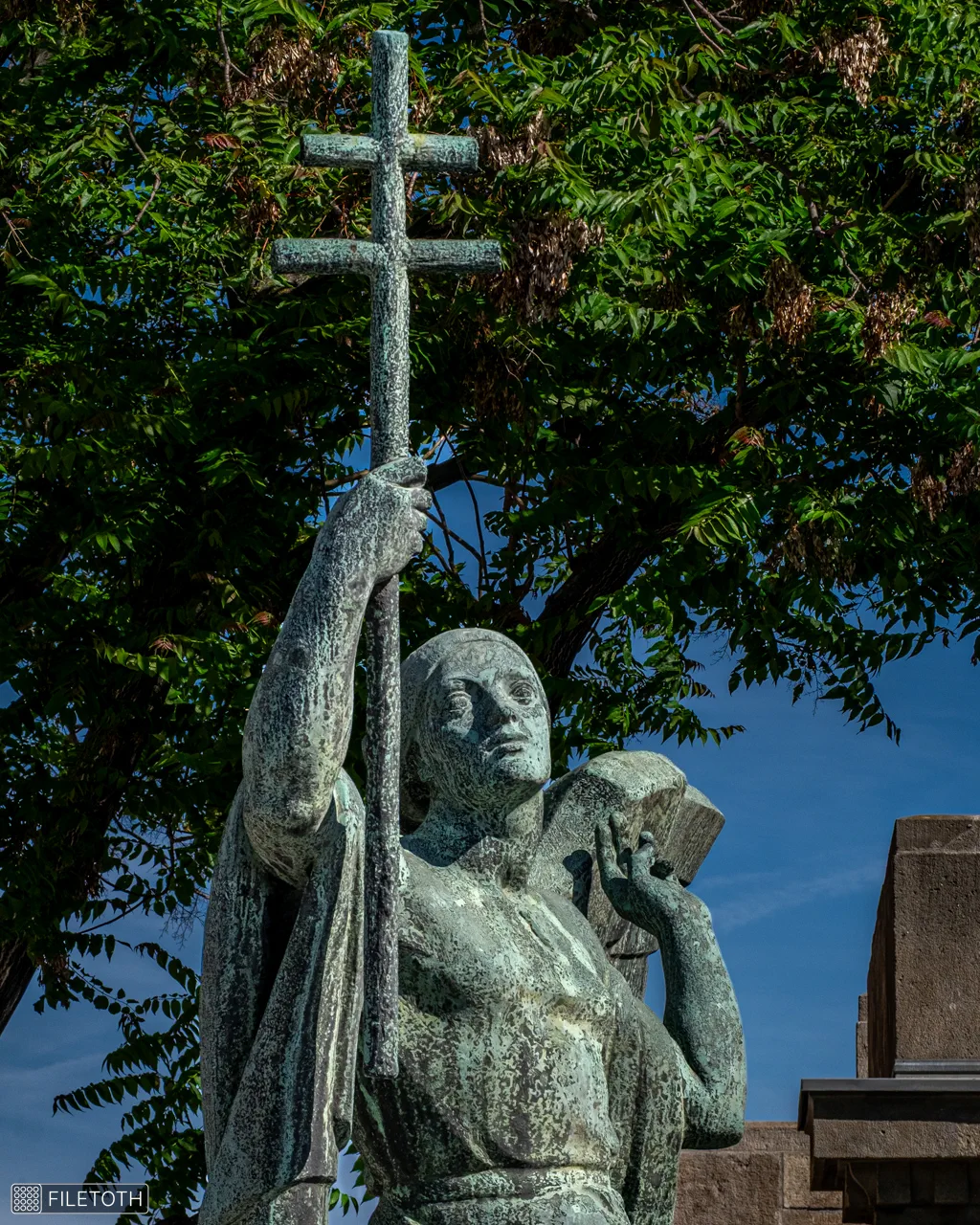
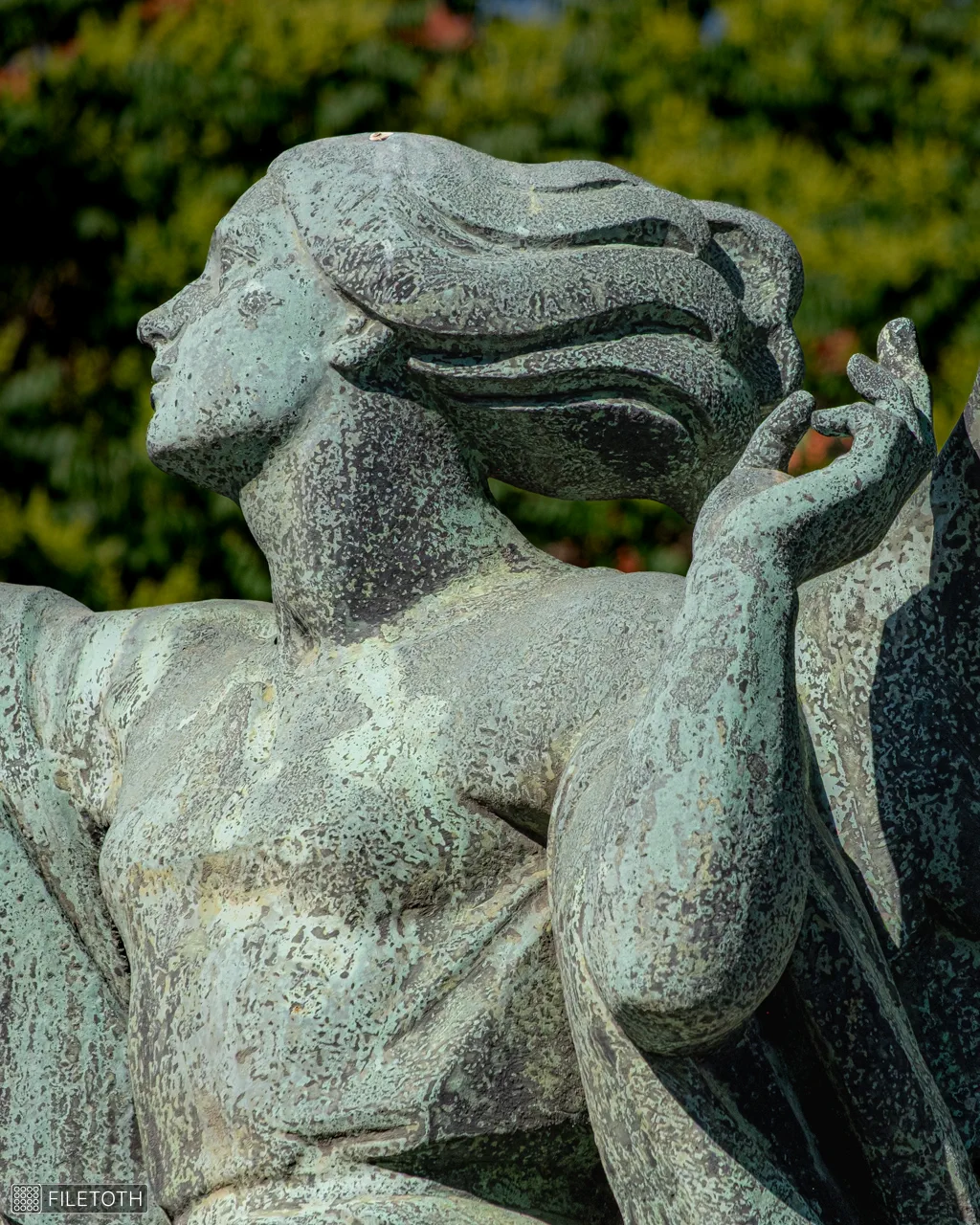
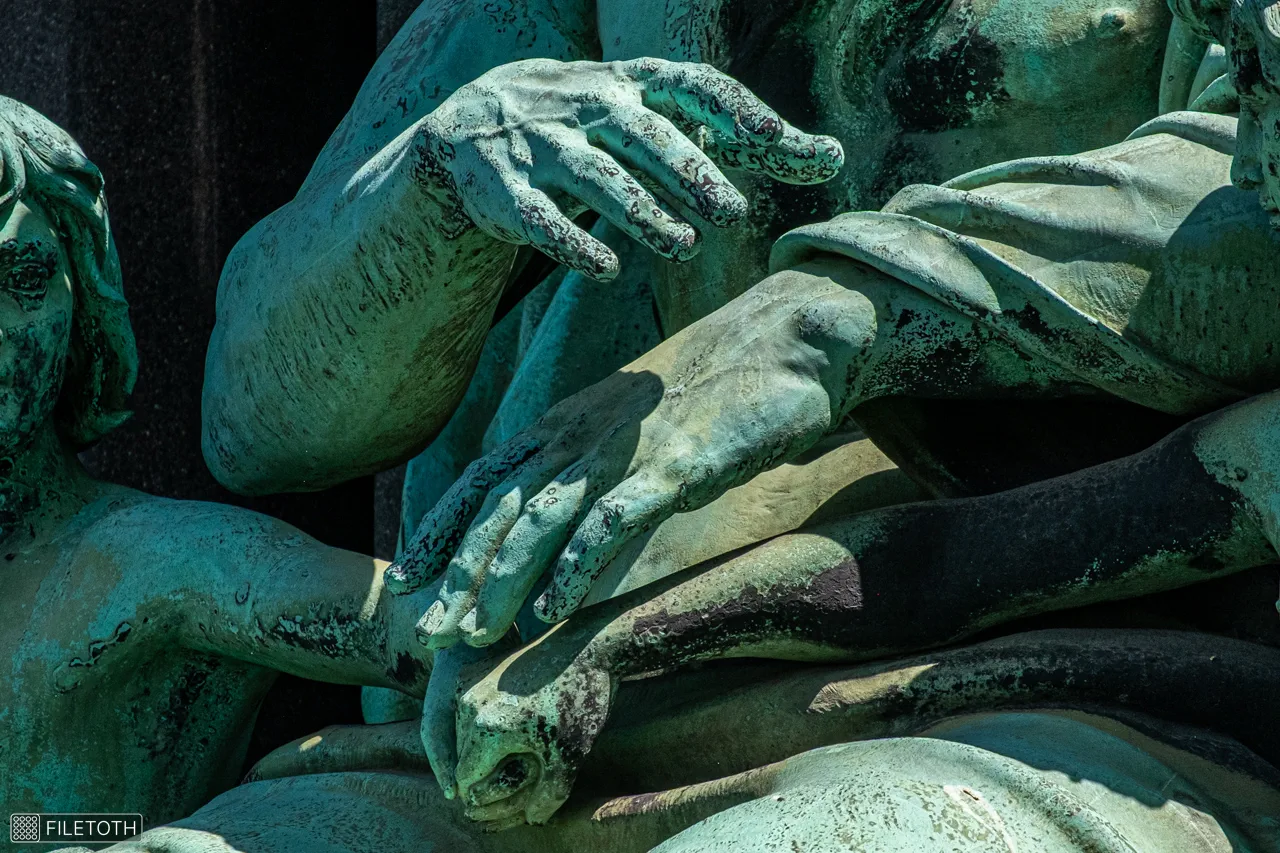
The memorial, unveiled on September 29, 1887, presents the seated figure of Deák above four allegorical groups reflecting the ideals associated with his public life. Justitia represents justice, while Education and National Progress, Patriotism, and the Compromise group illustrate the foundations of a modern nation. The monument's most expressive gesture appears in the Compromise group, where two children reach across to shake hands as an elderly figure gently holds his hands above theirs. Rather than joining the agreement himself, he protects it, transforming political reconciliation into a timeless human gesture.
Monument by Adolf Huszár, Ede Mayer and Adolf Keszler, unveiled September 29, 1887. [ref.]