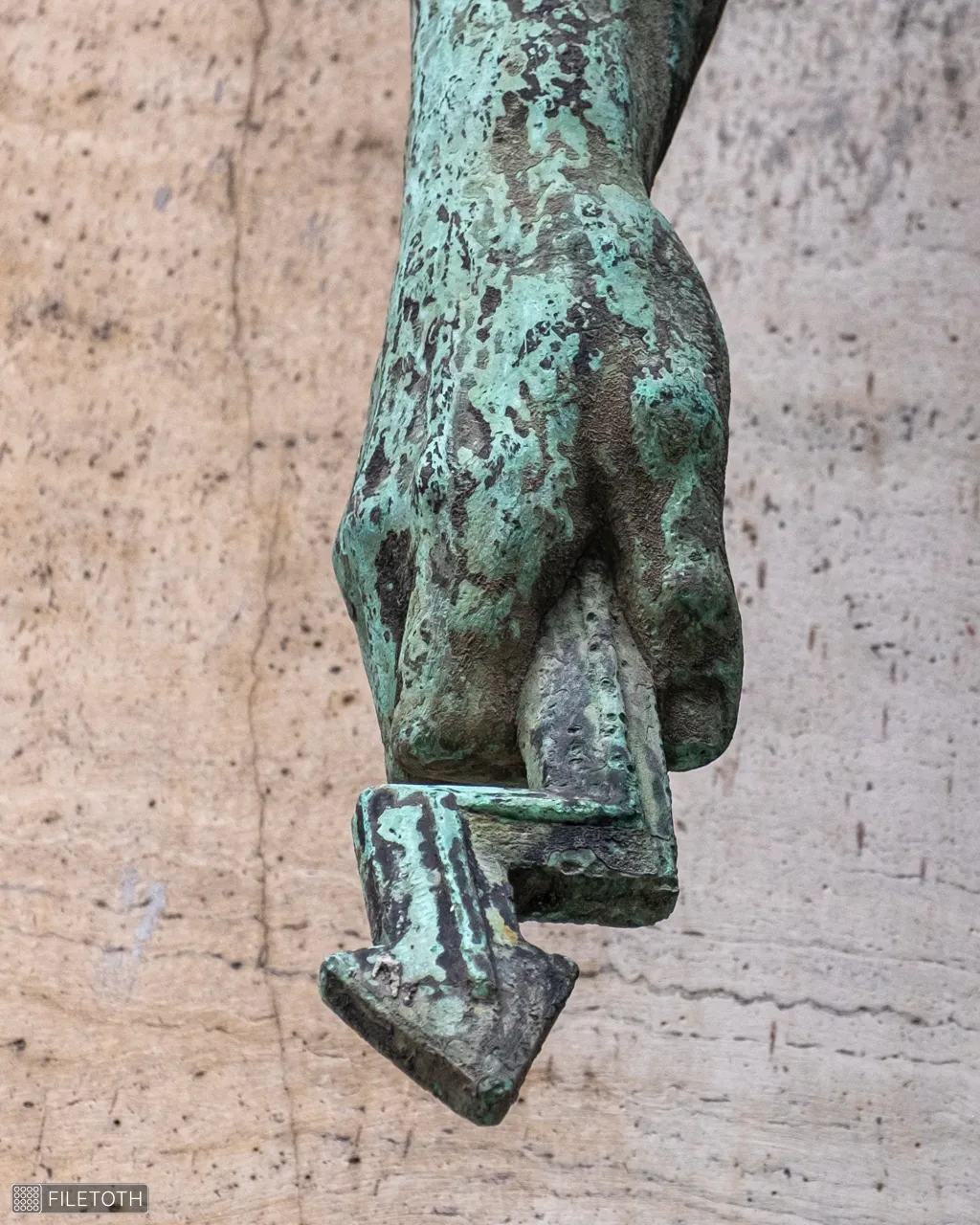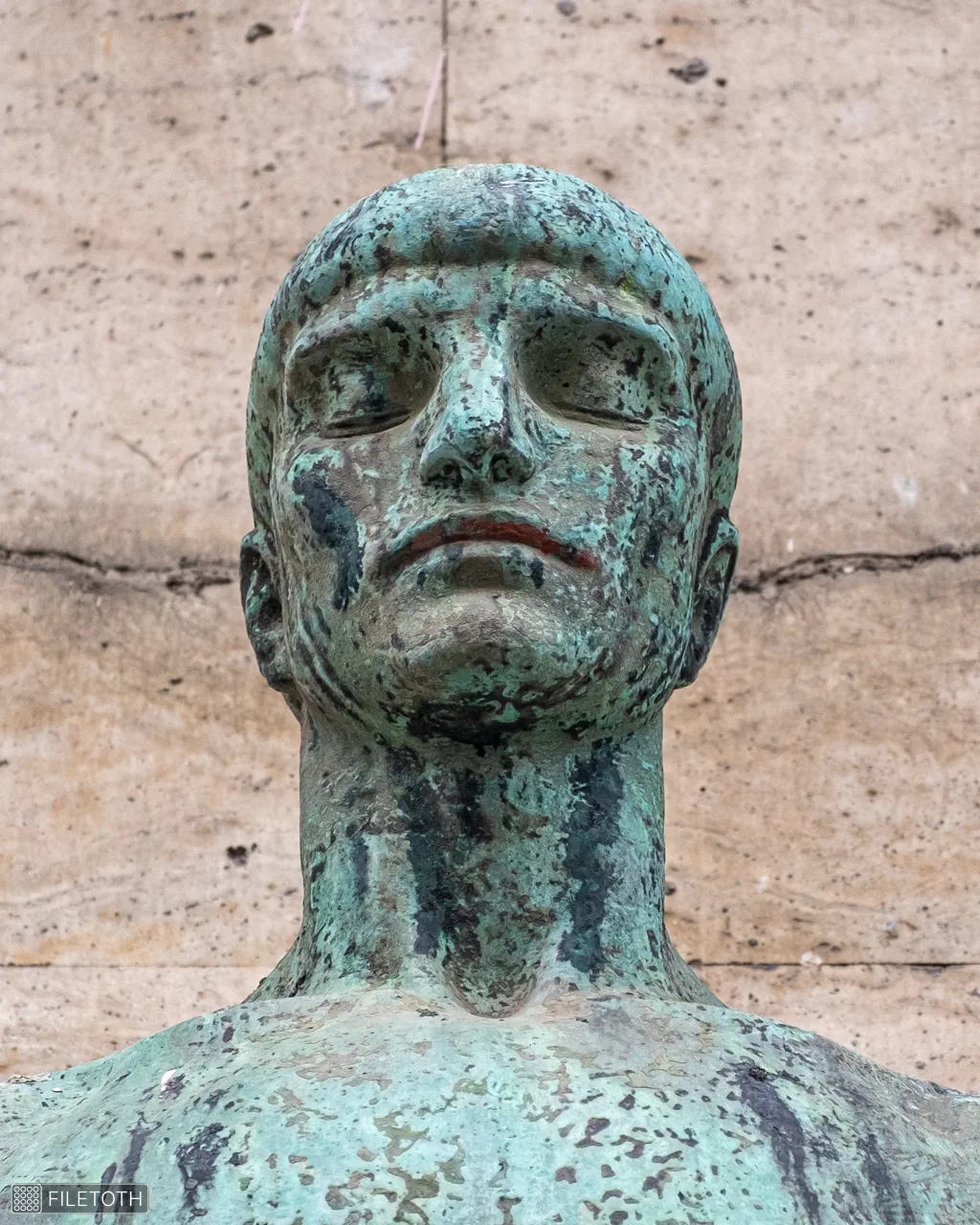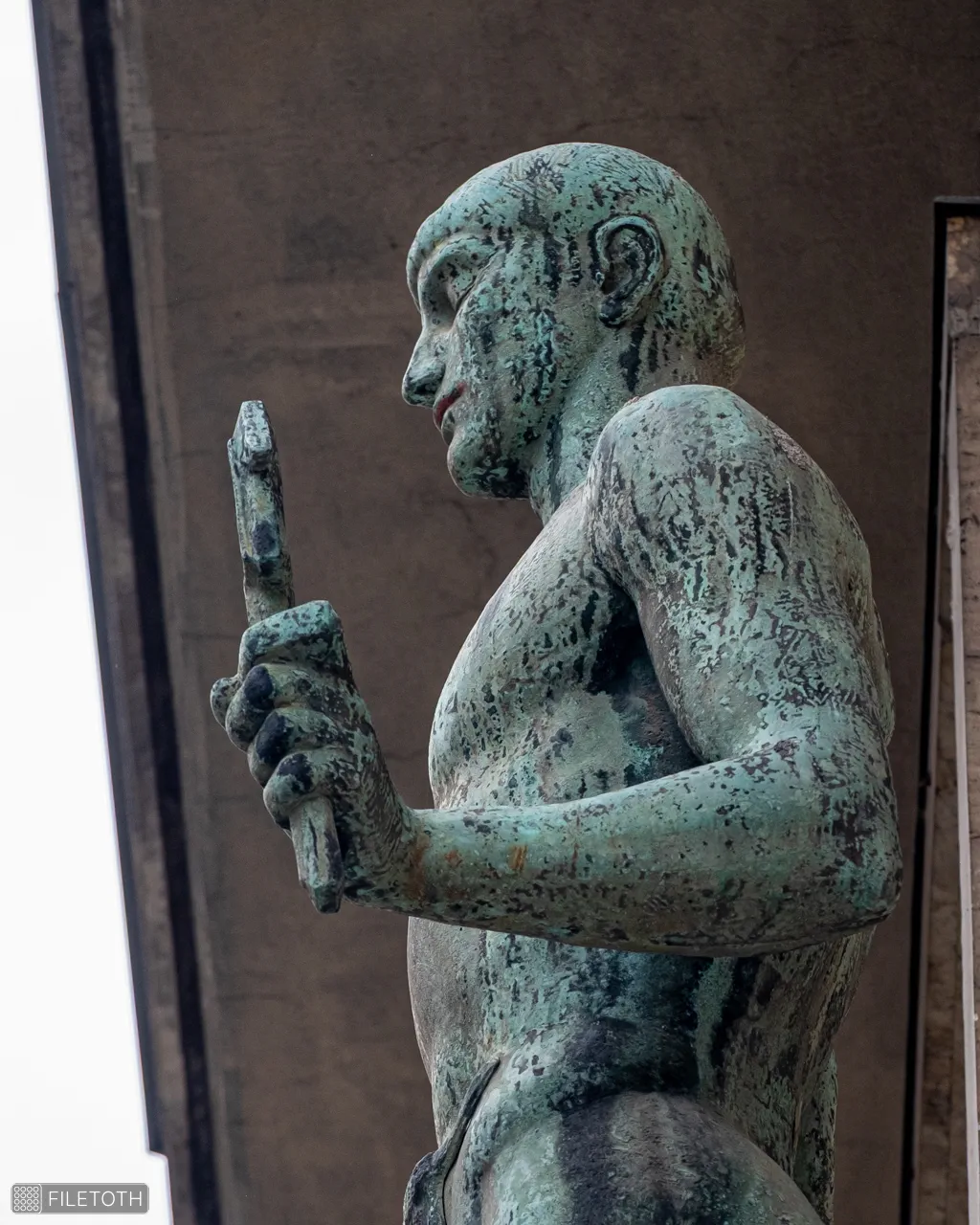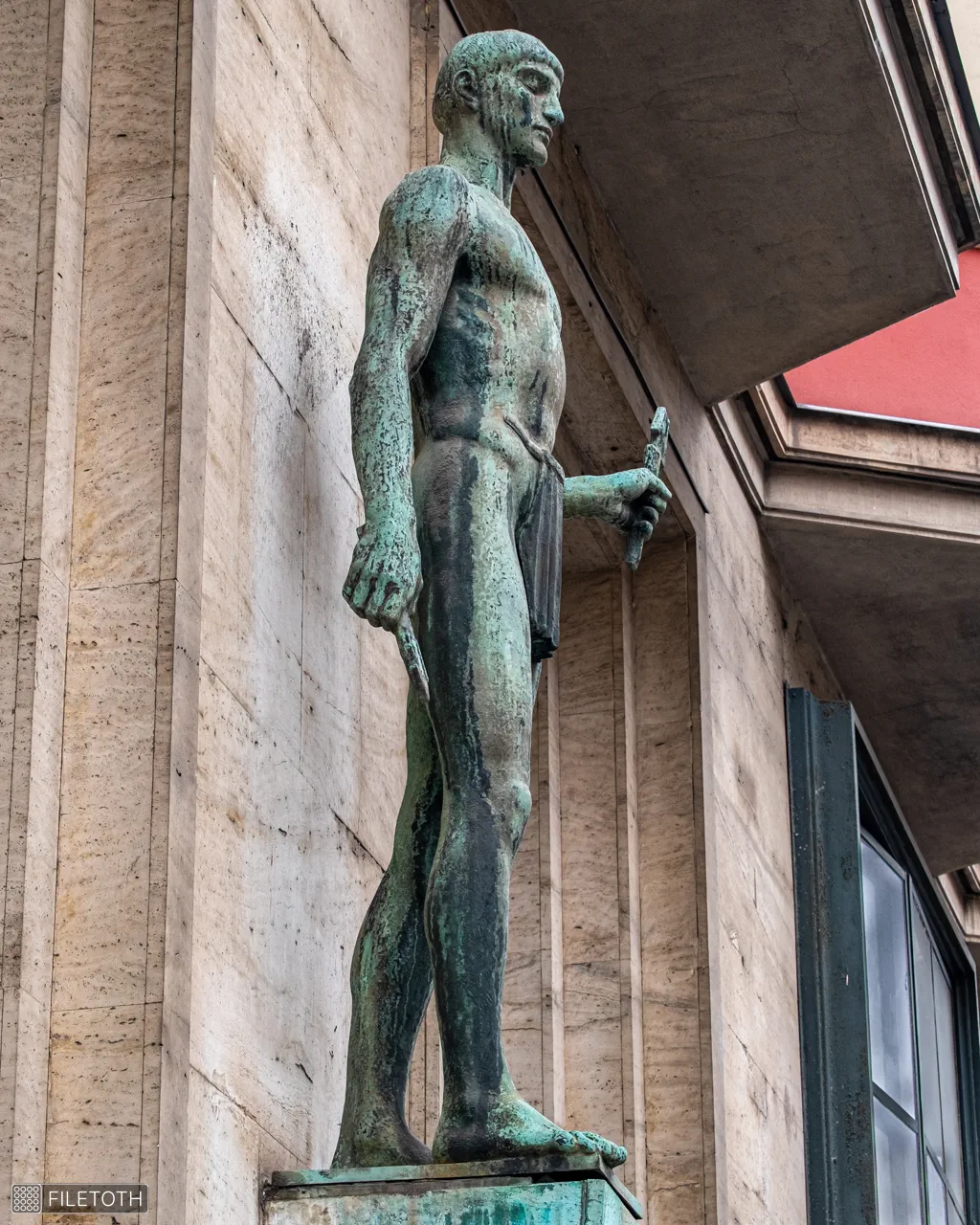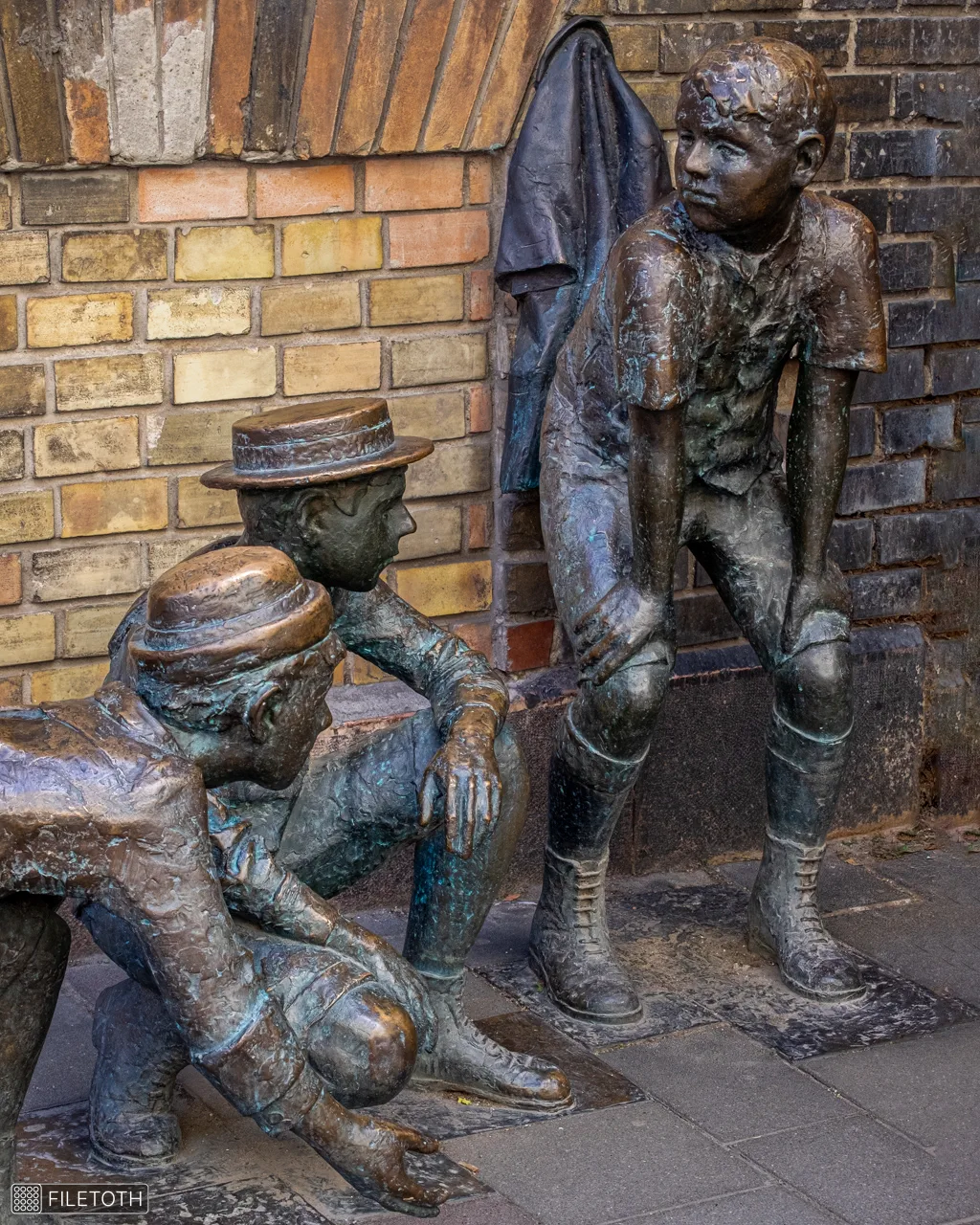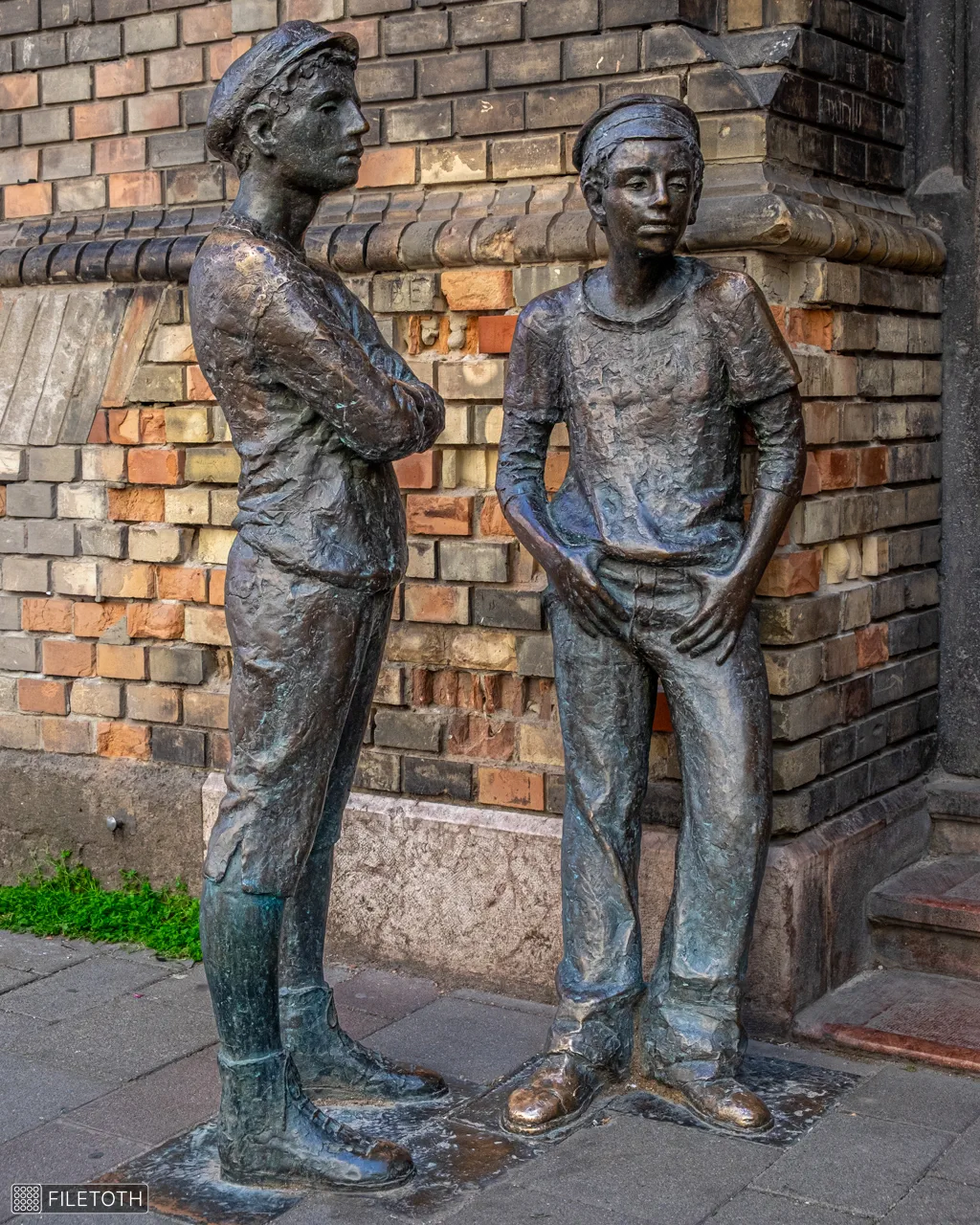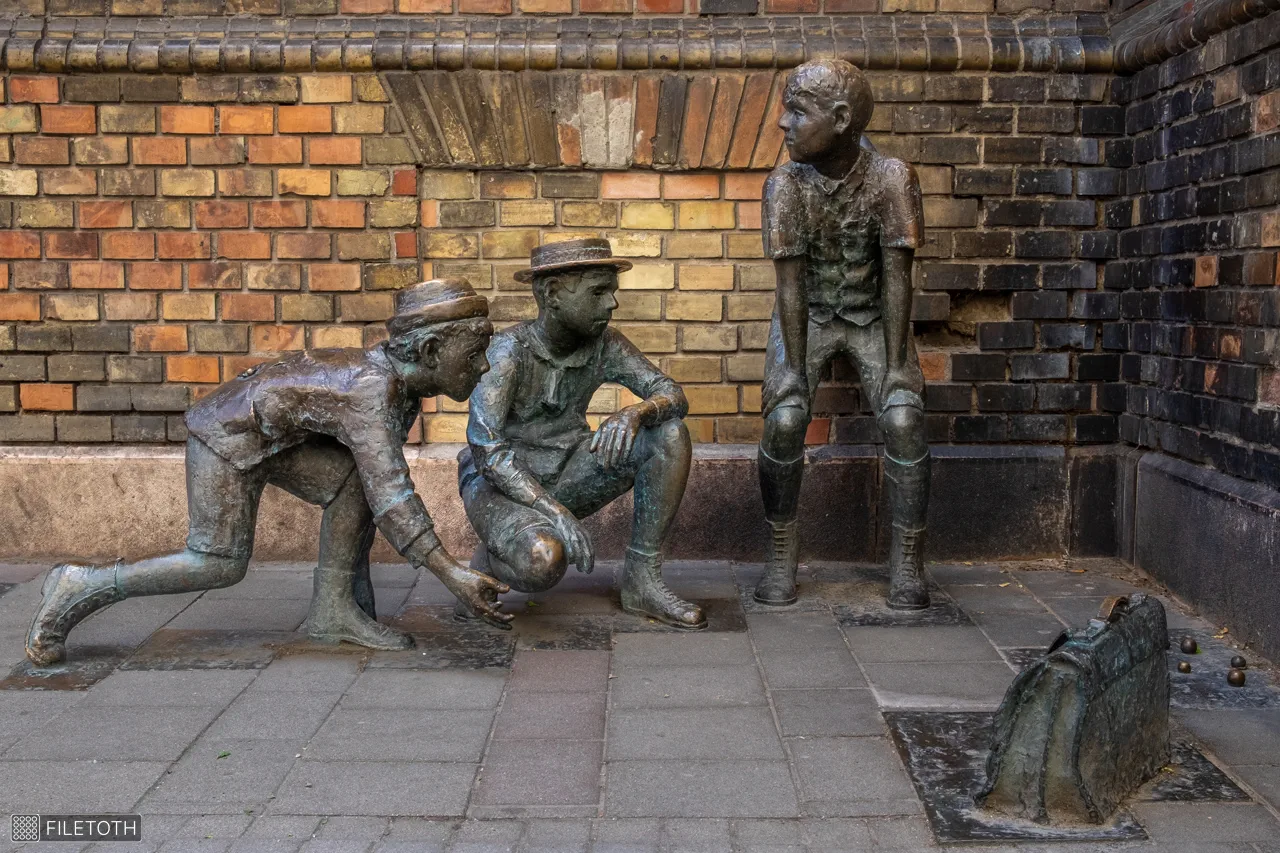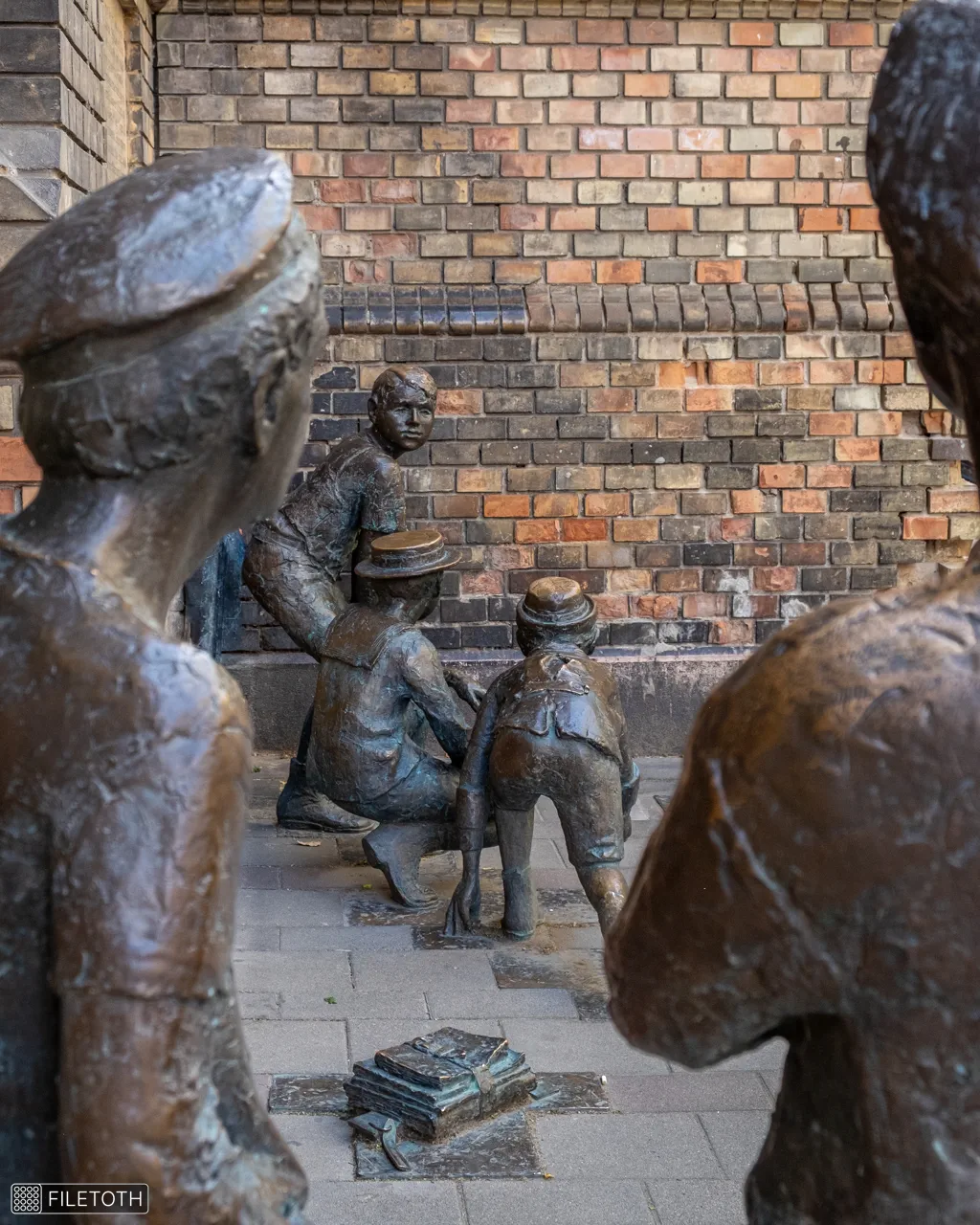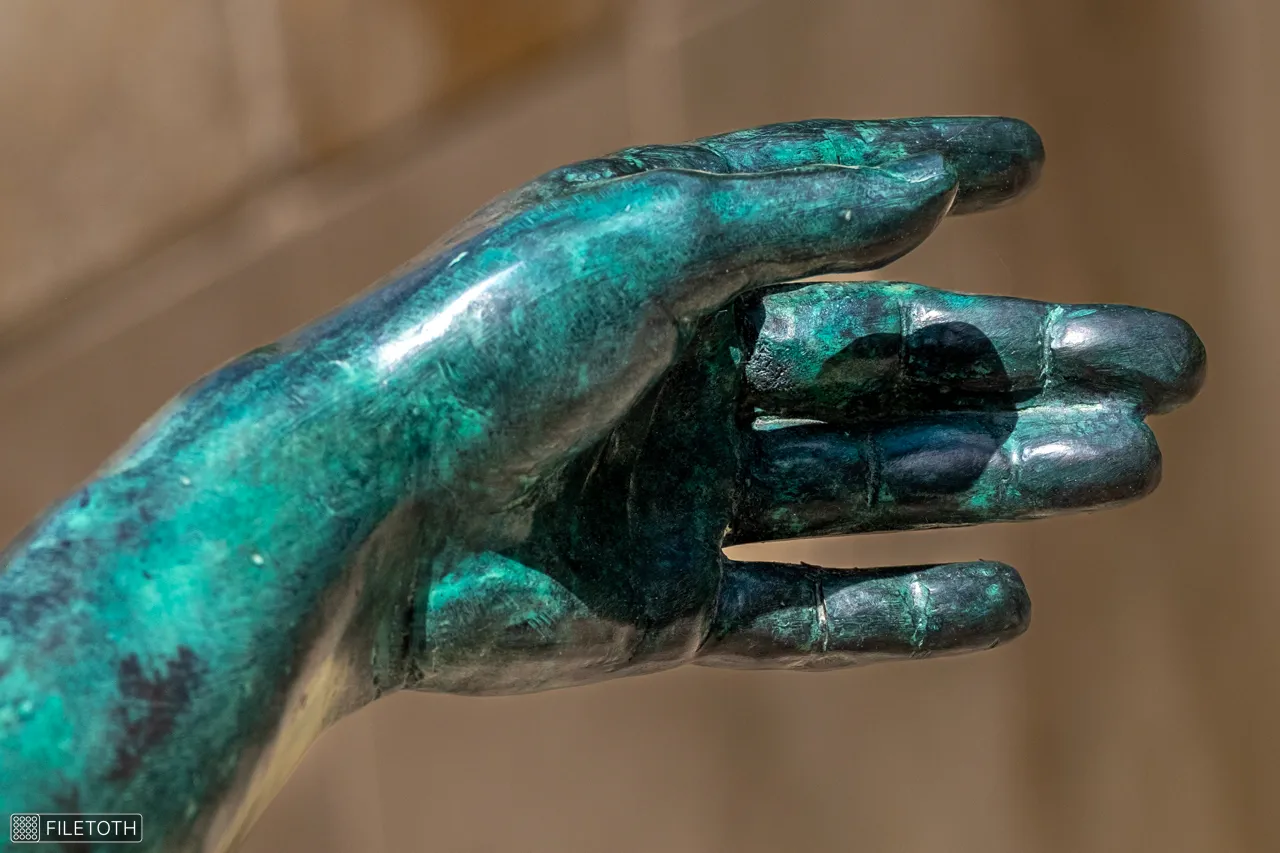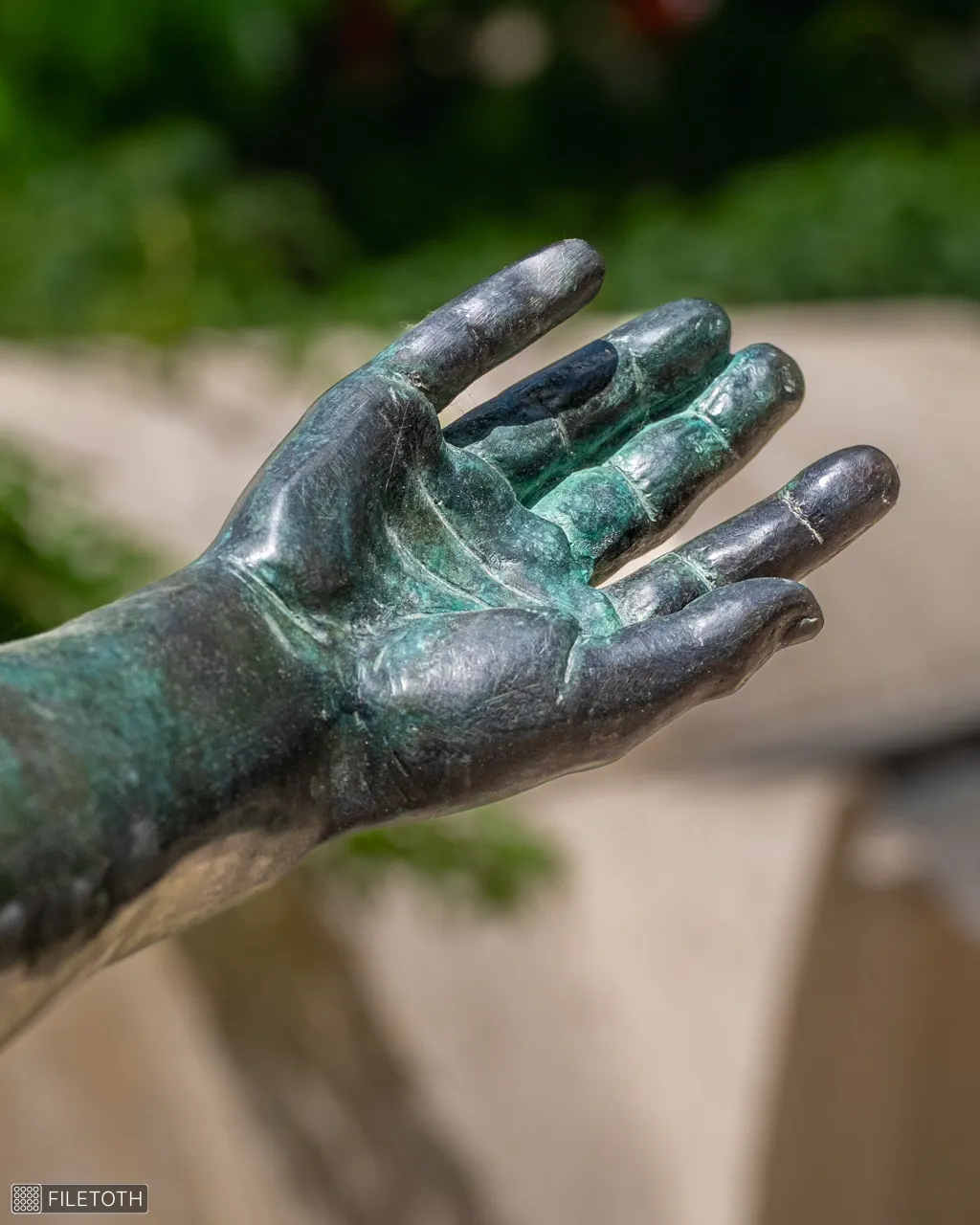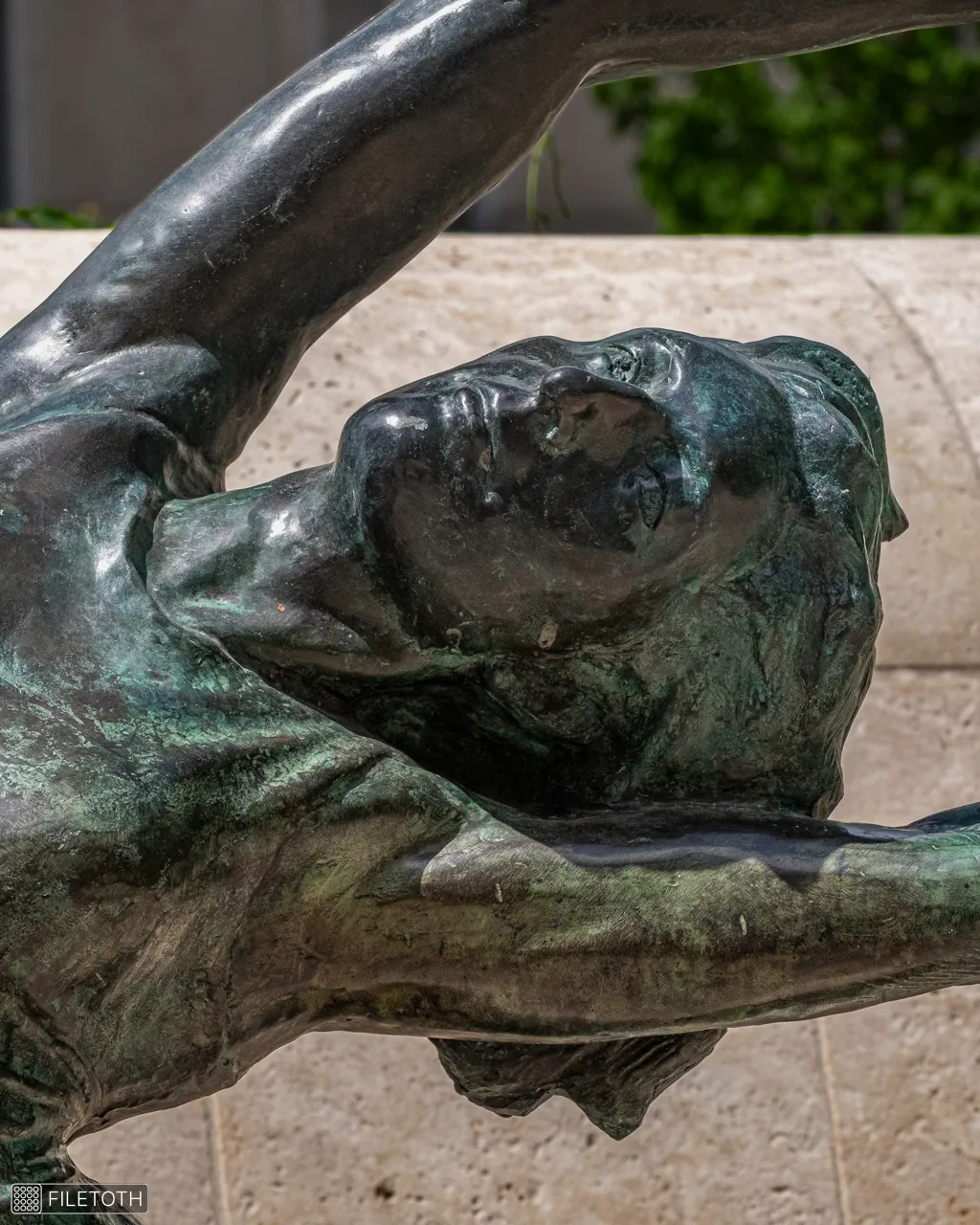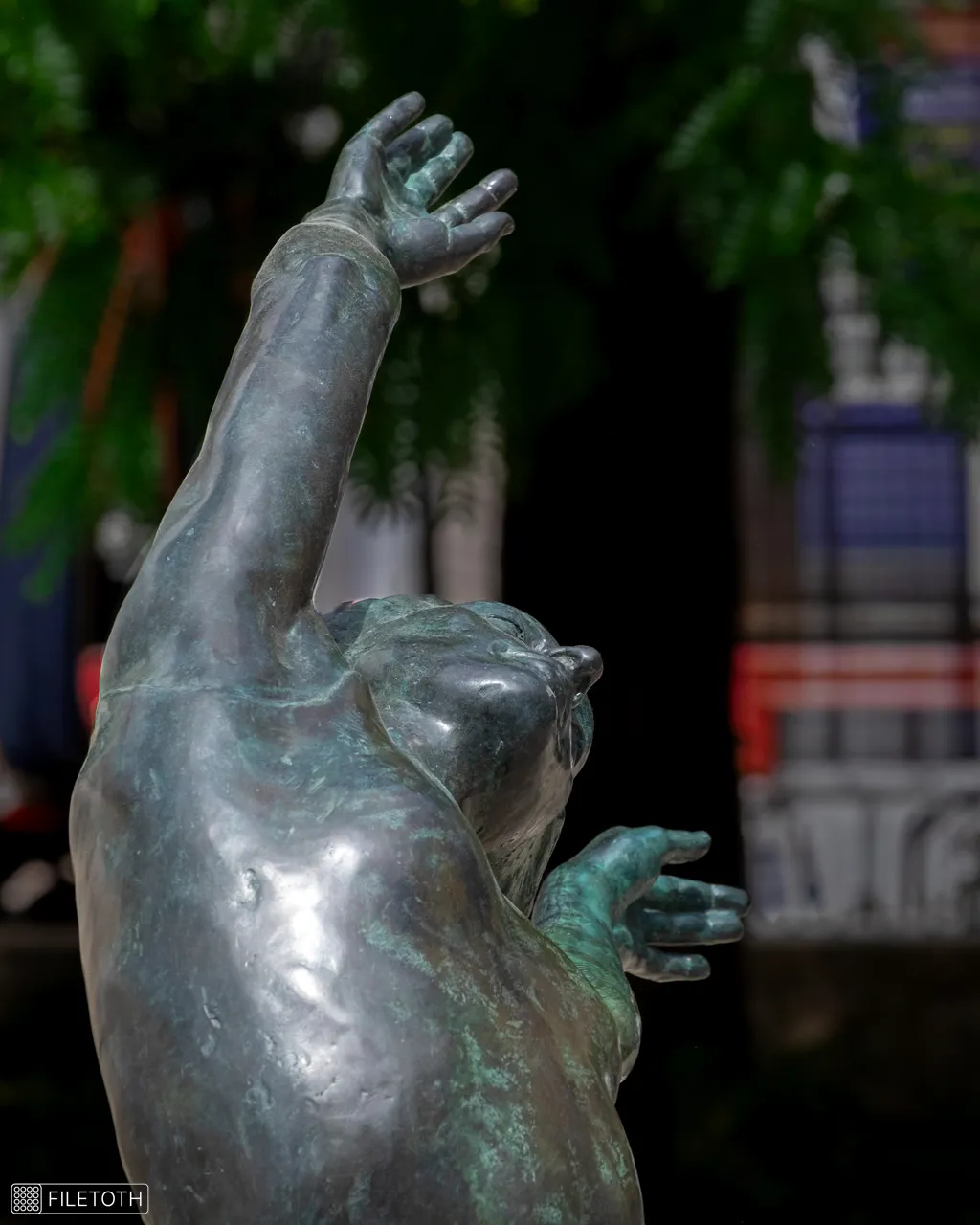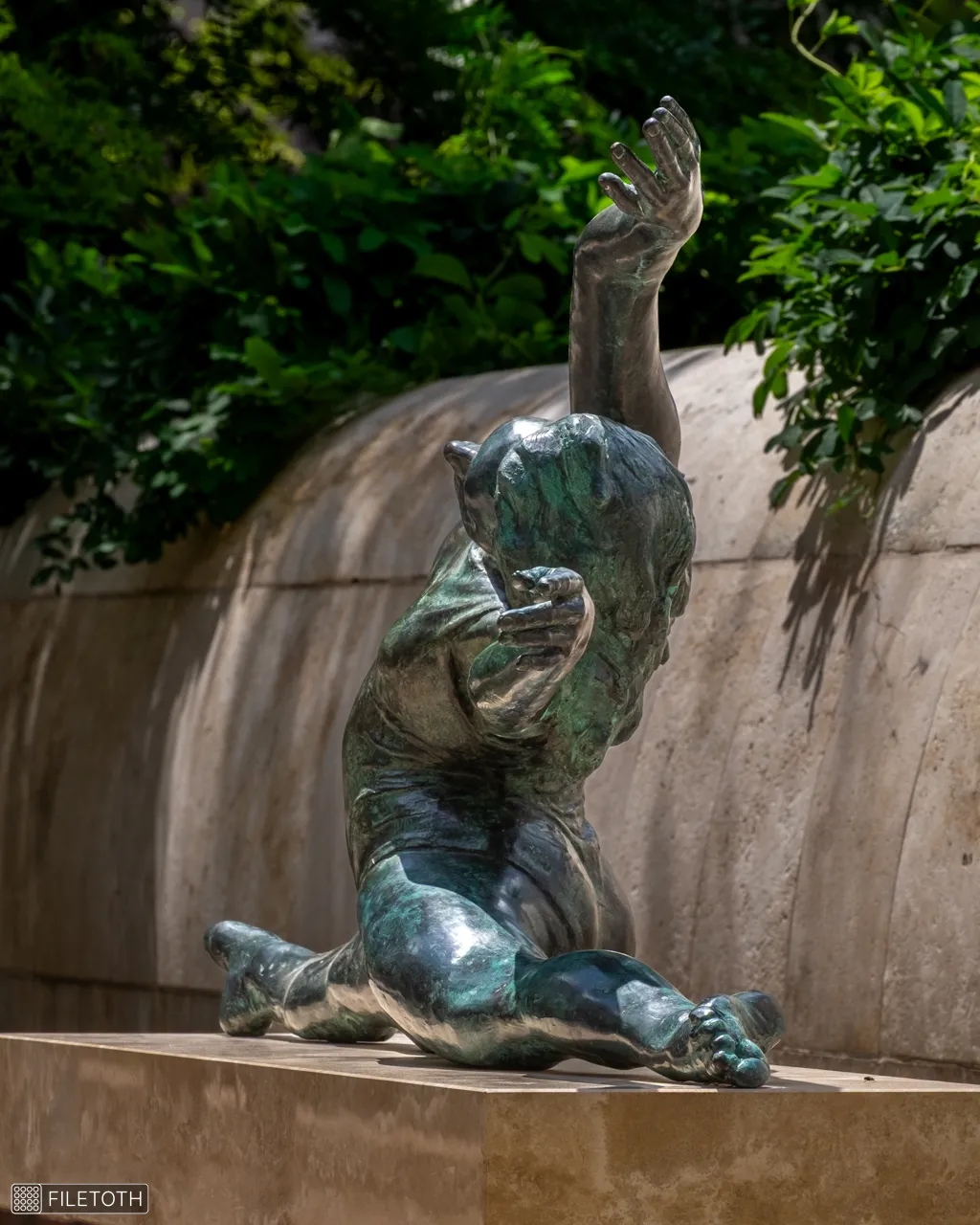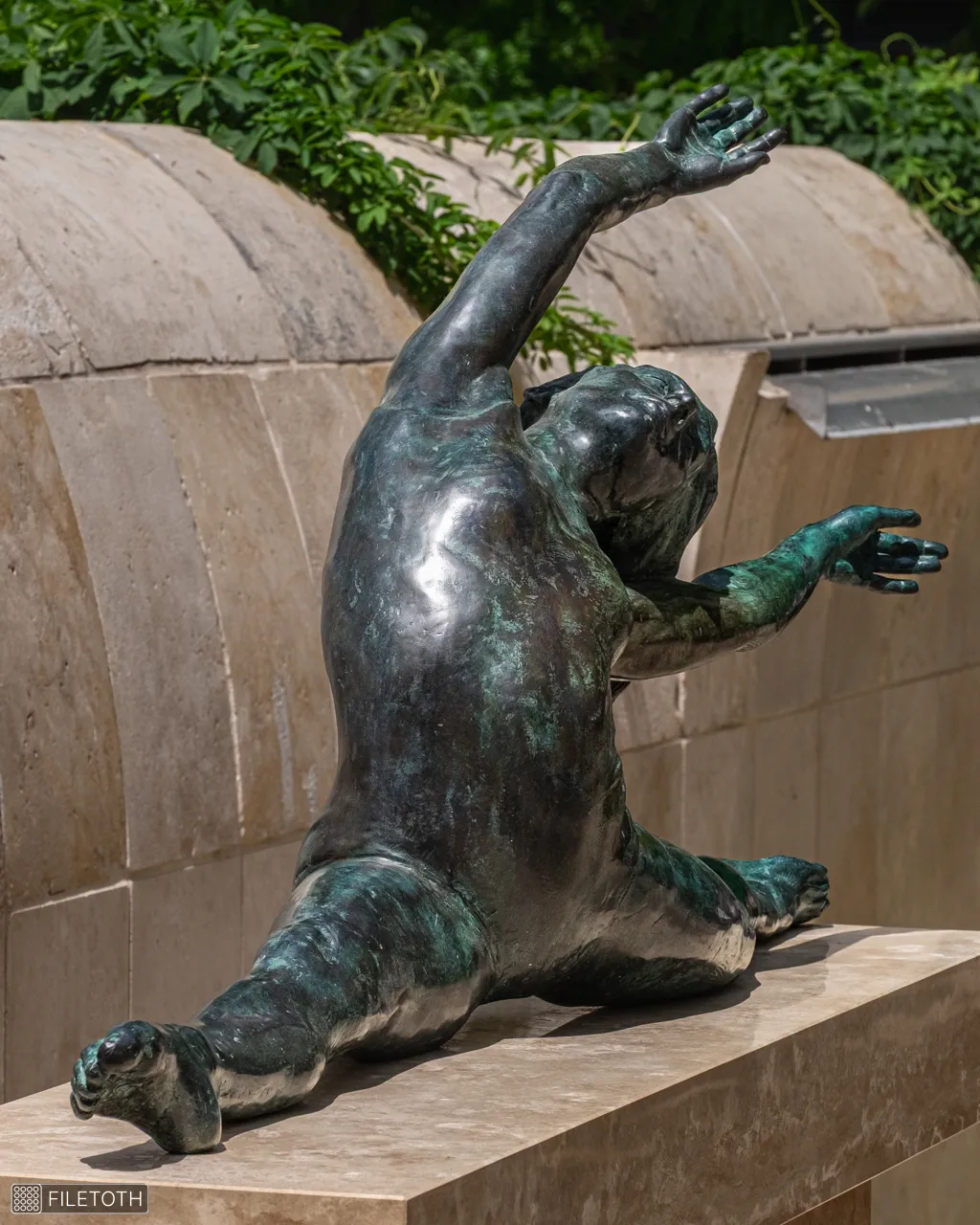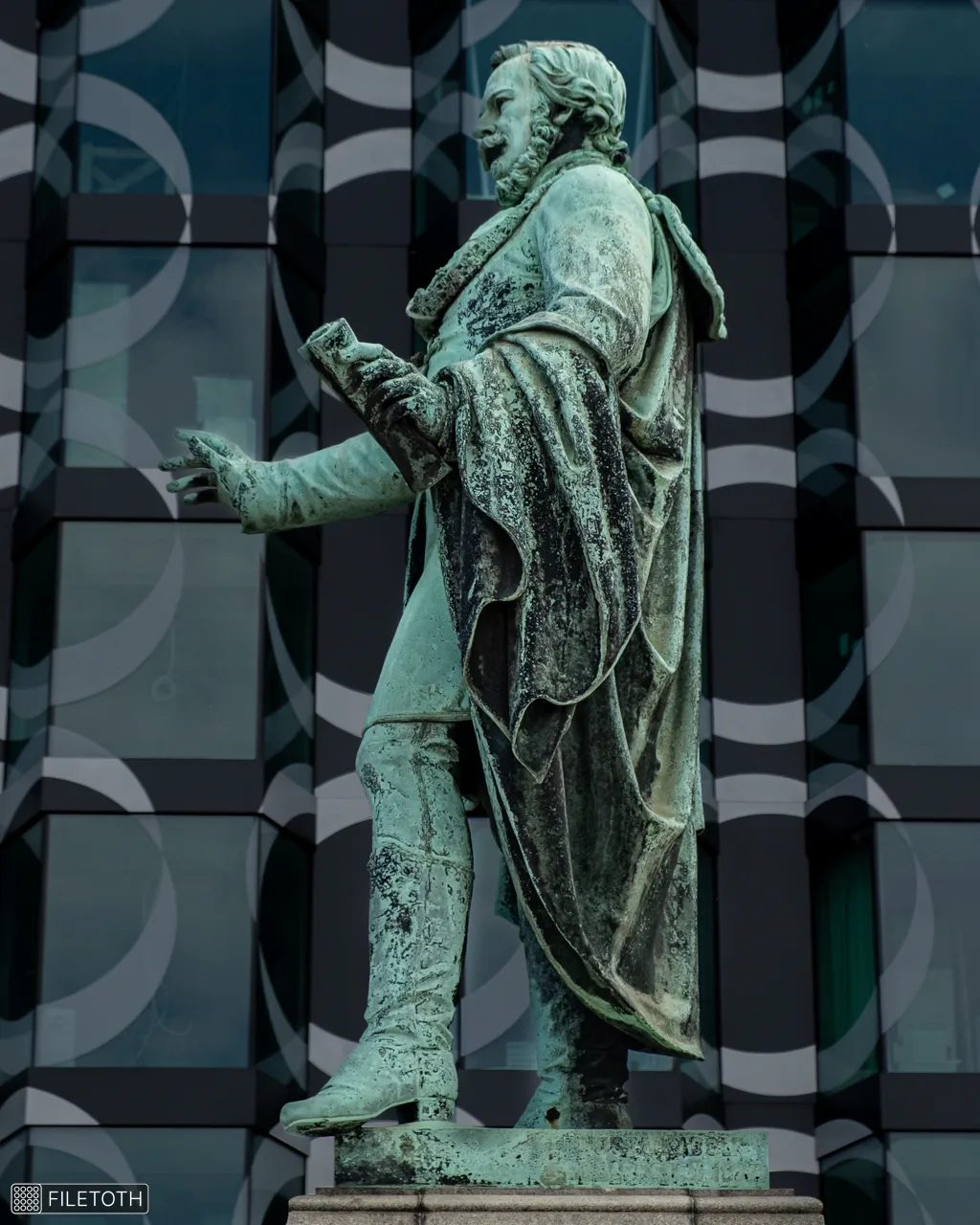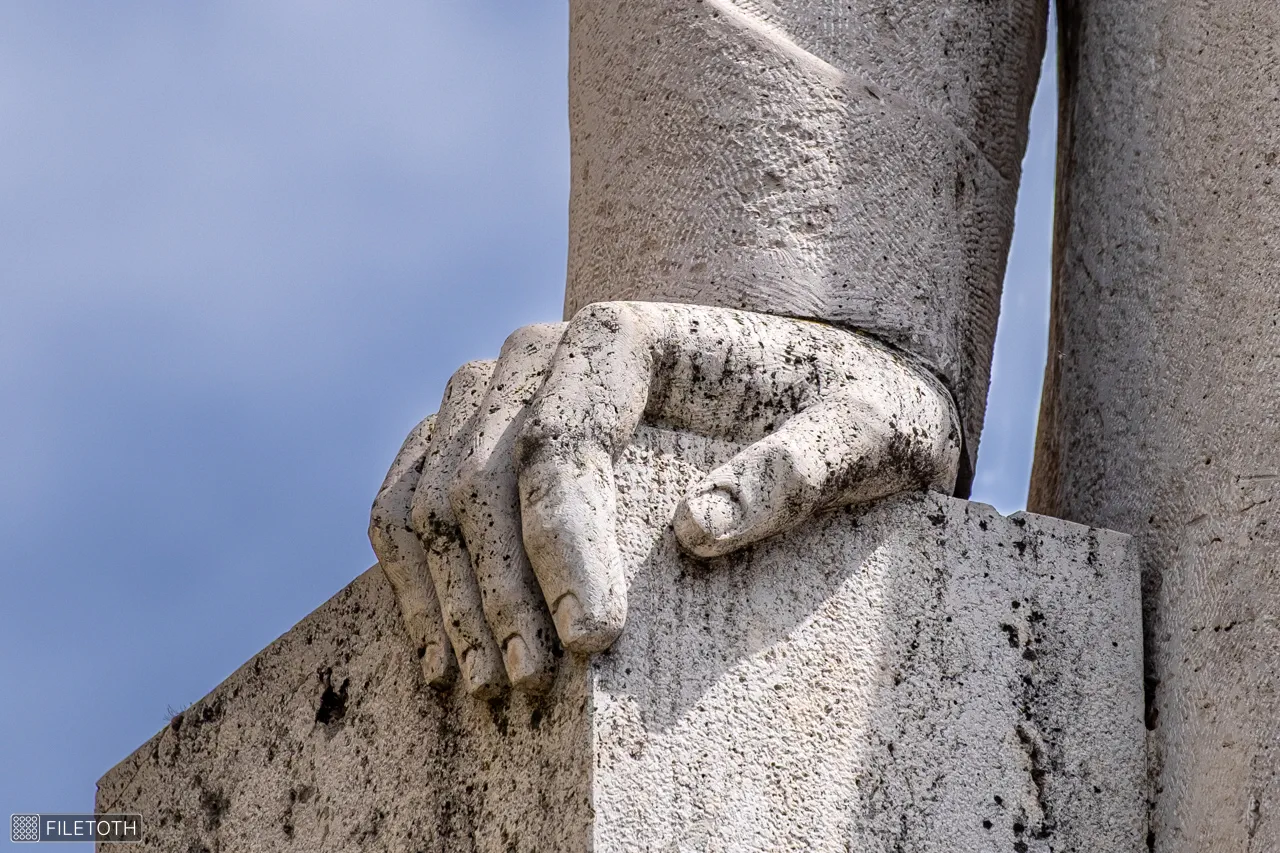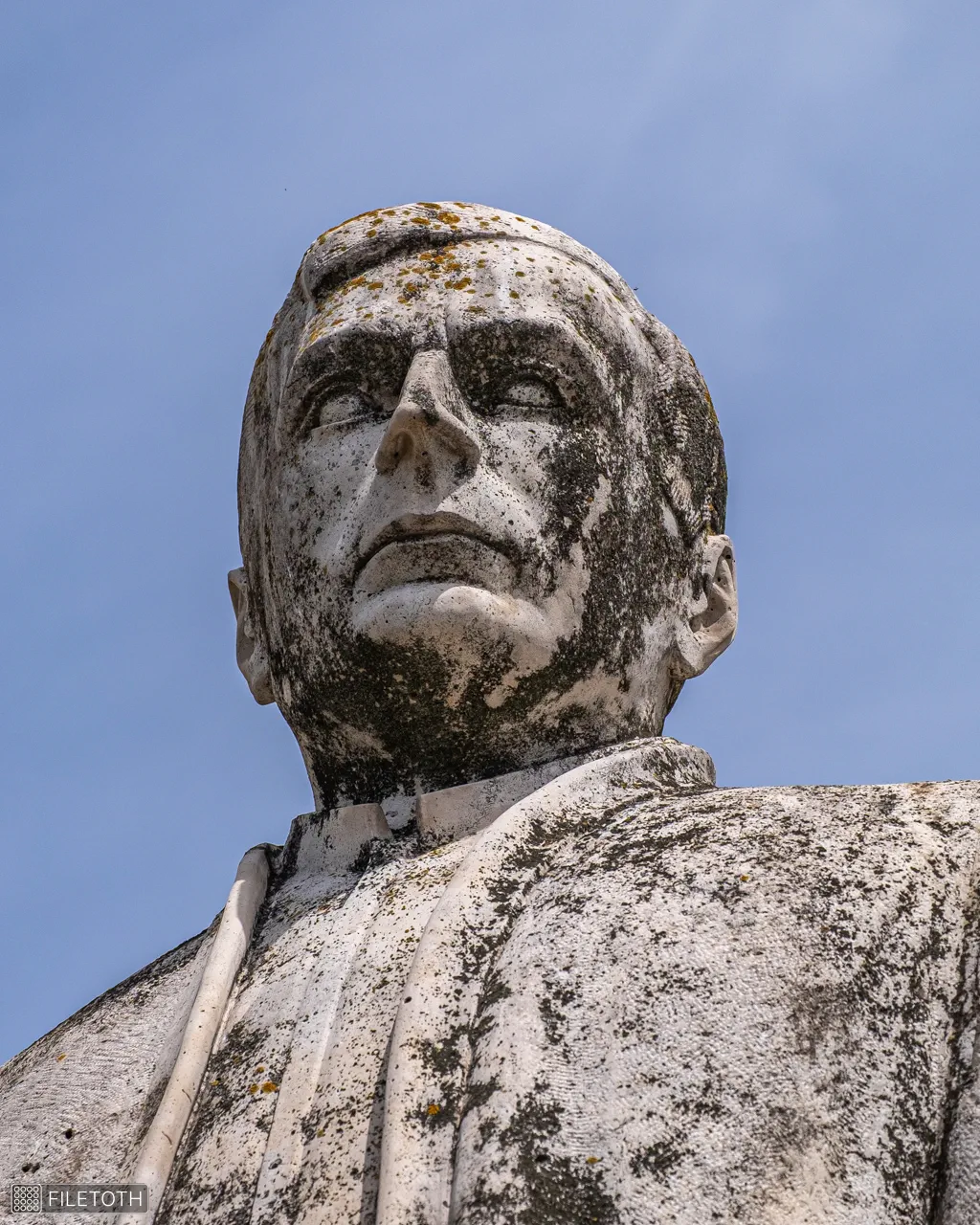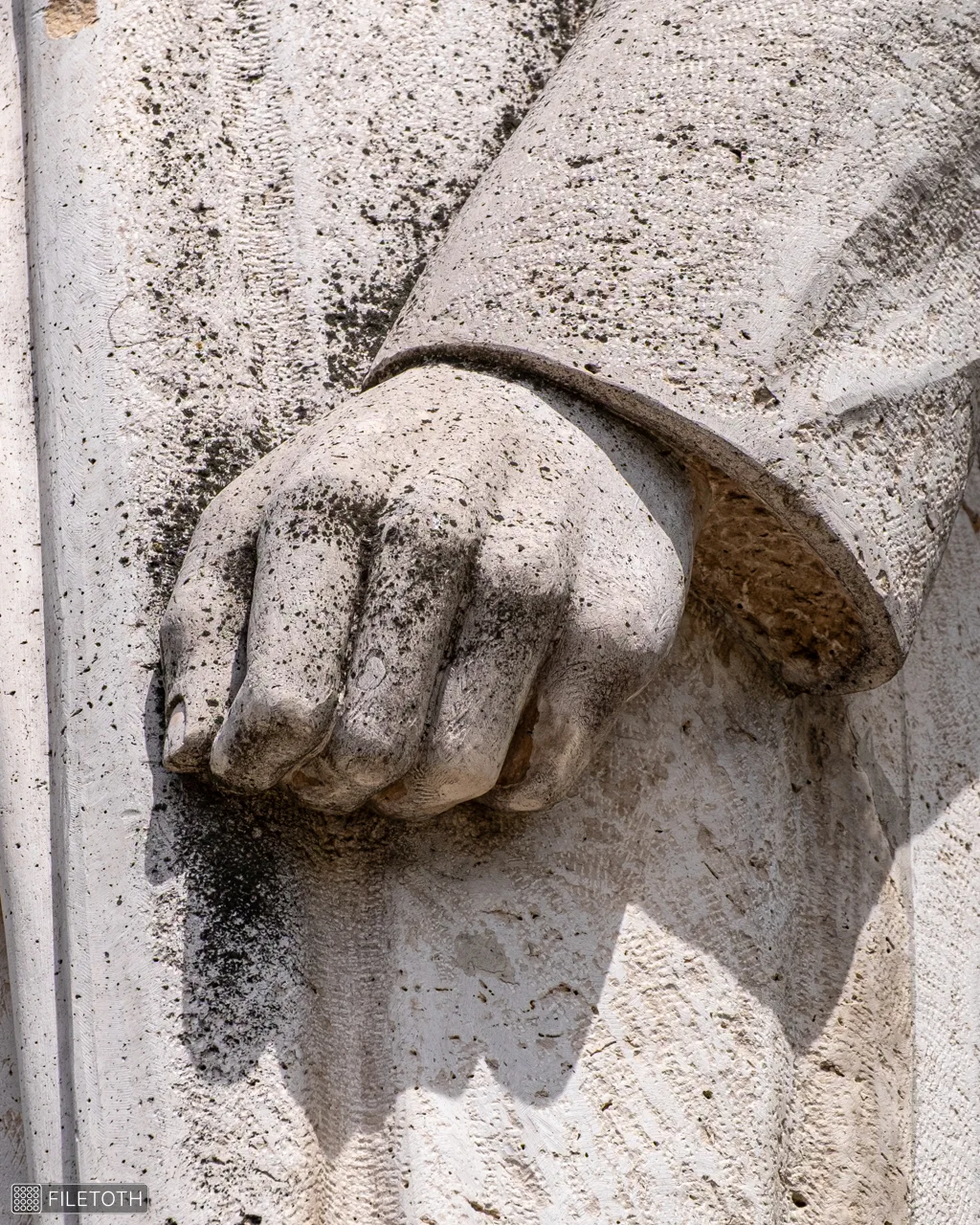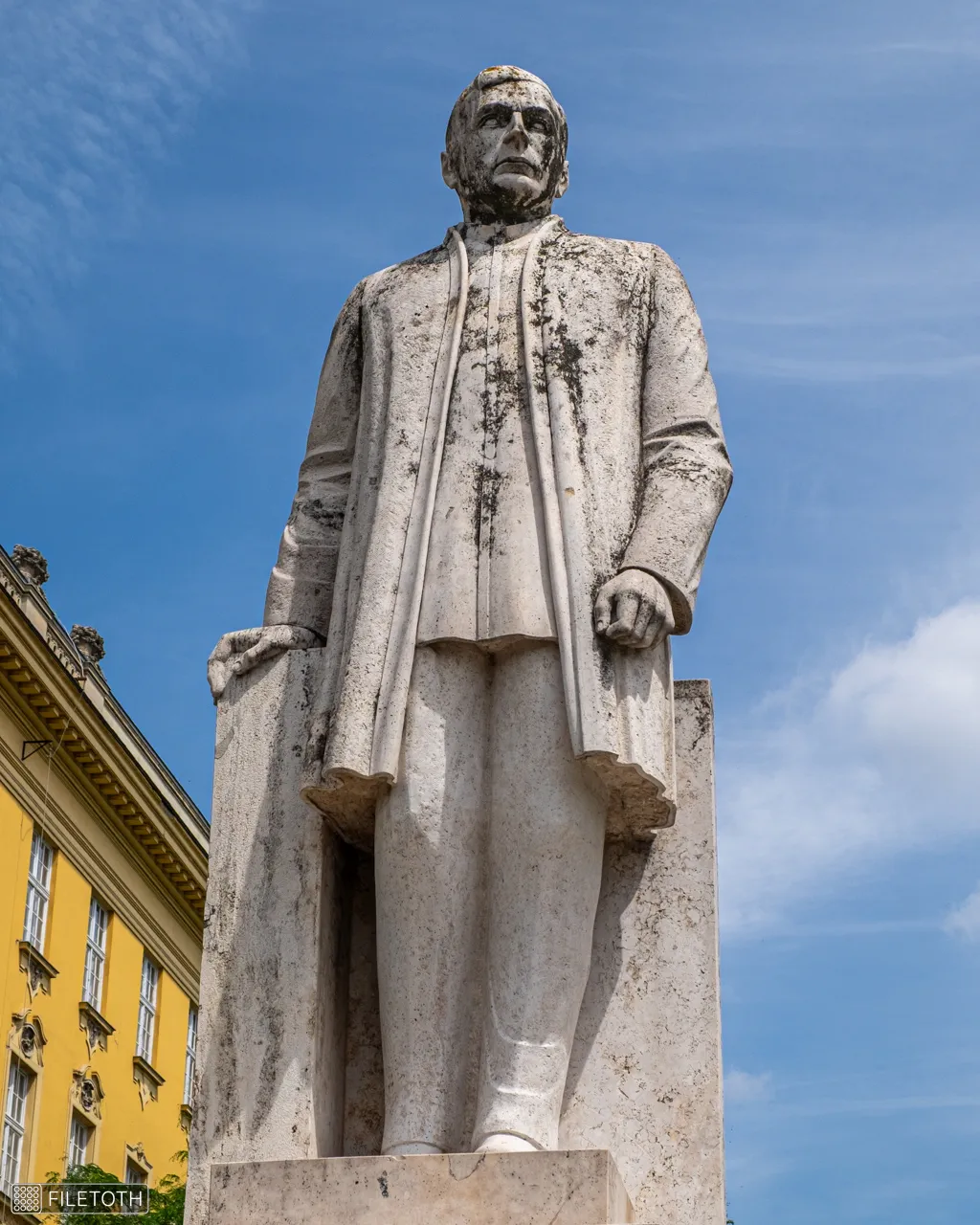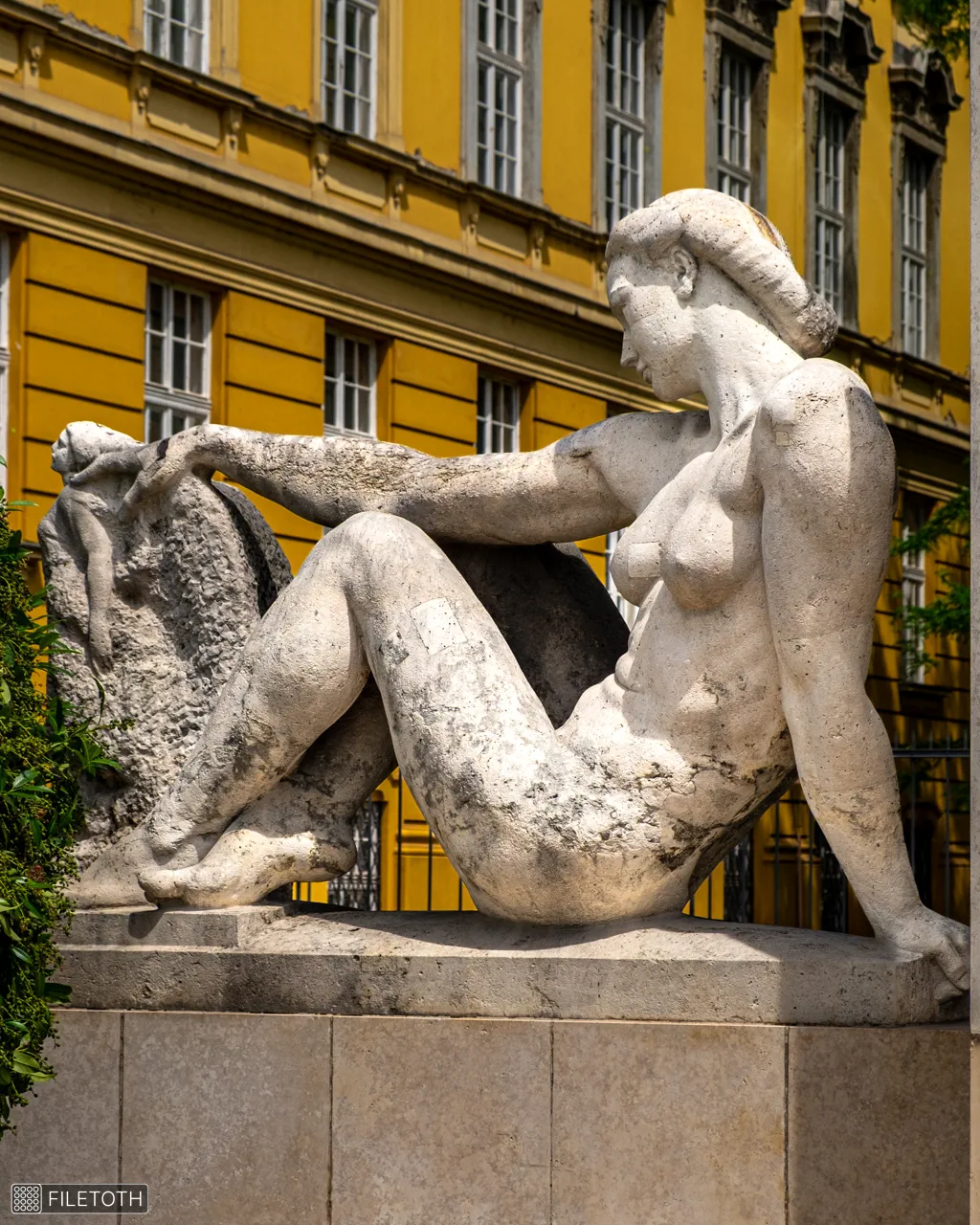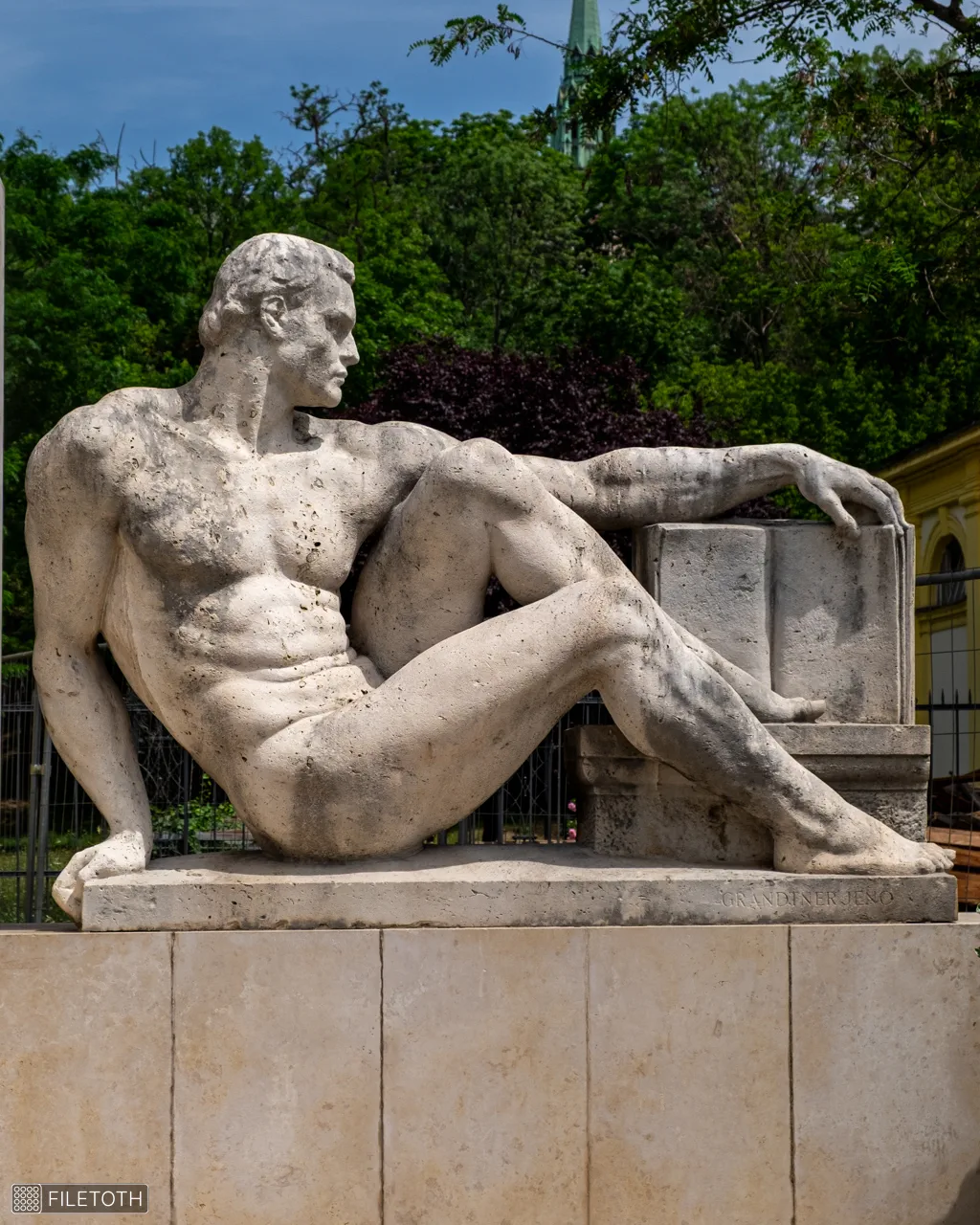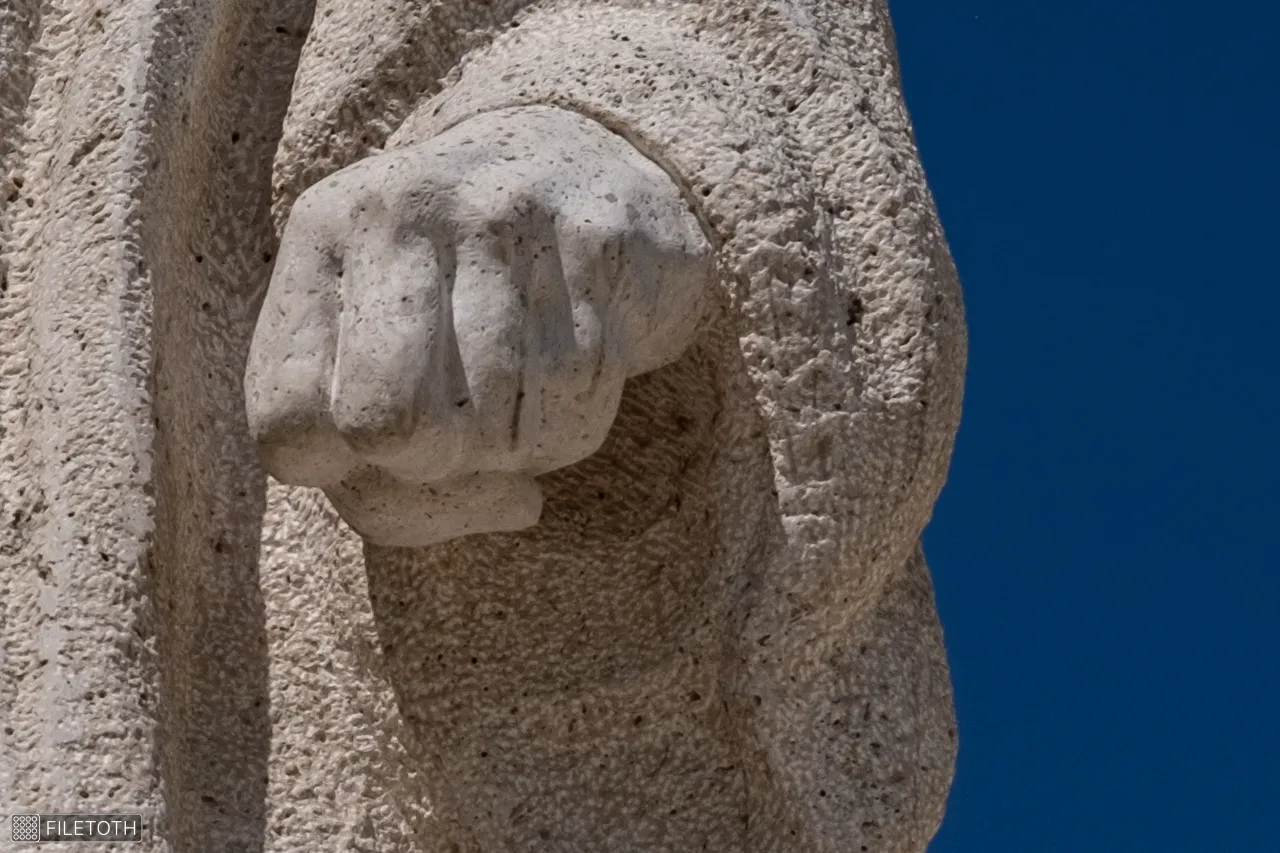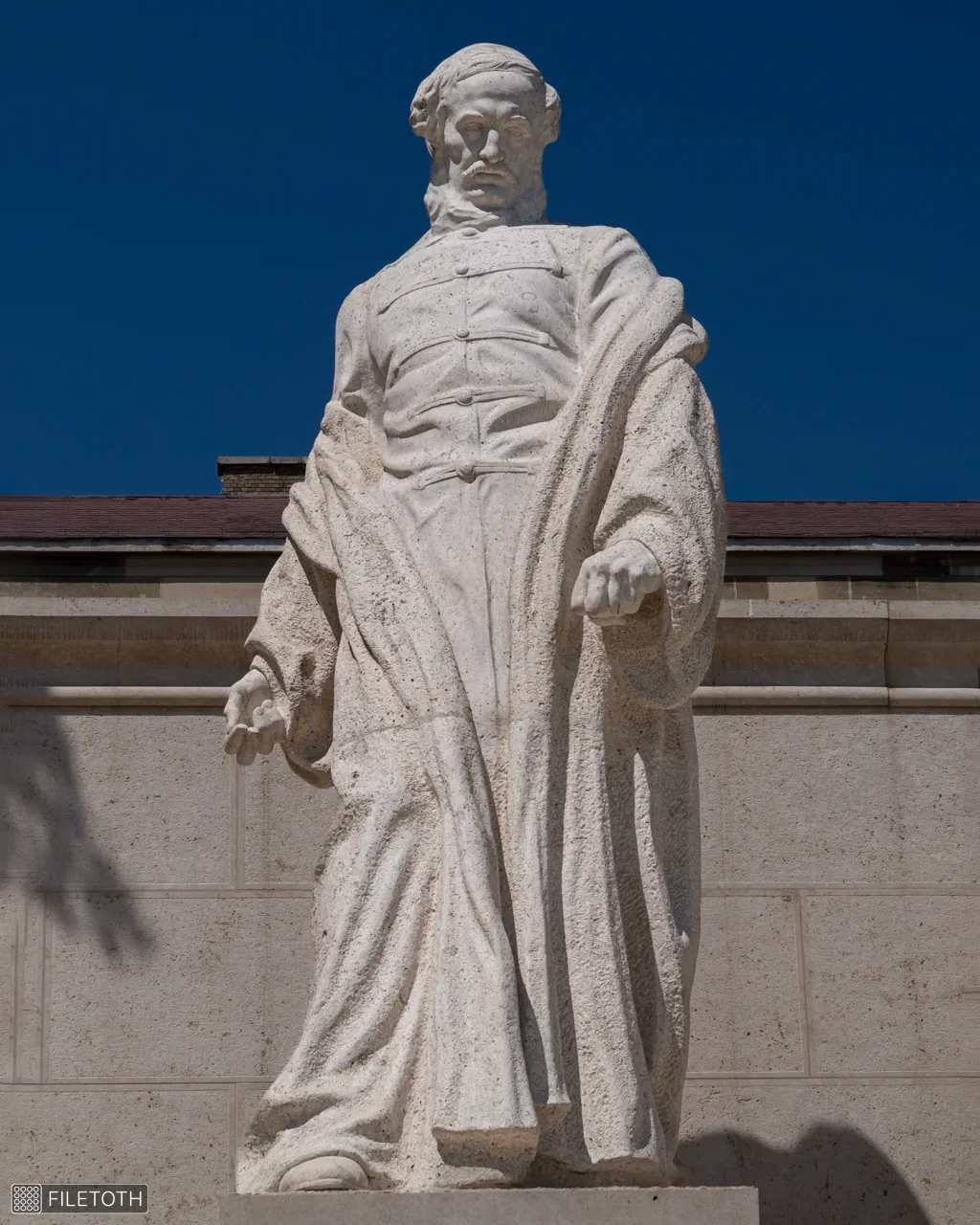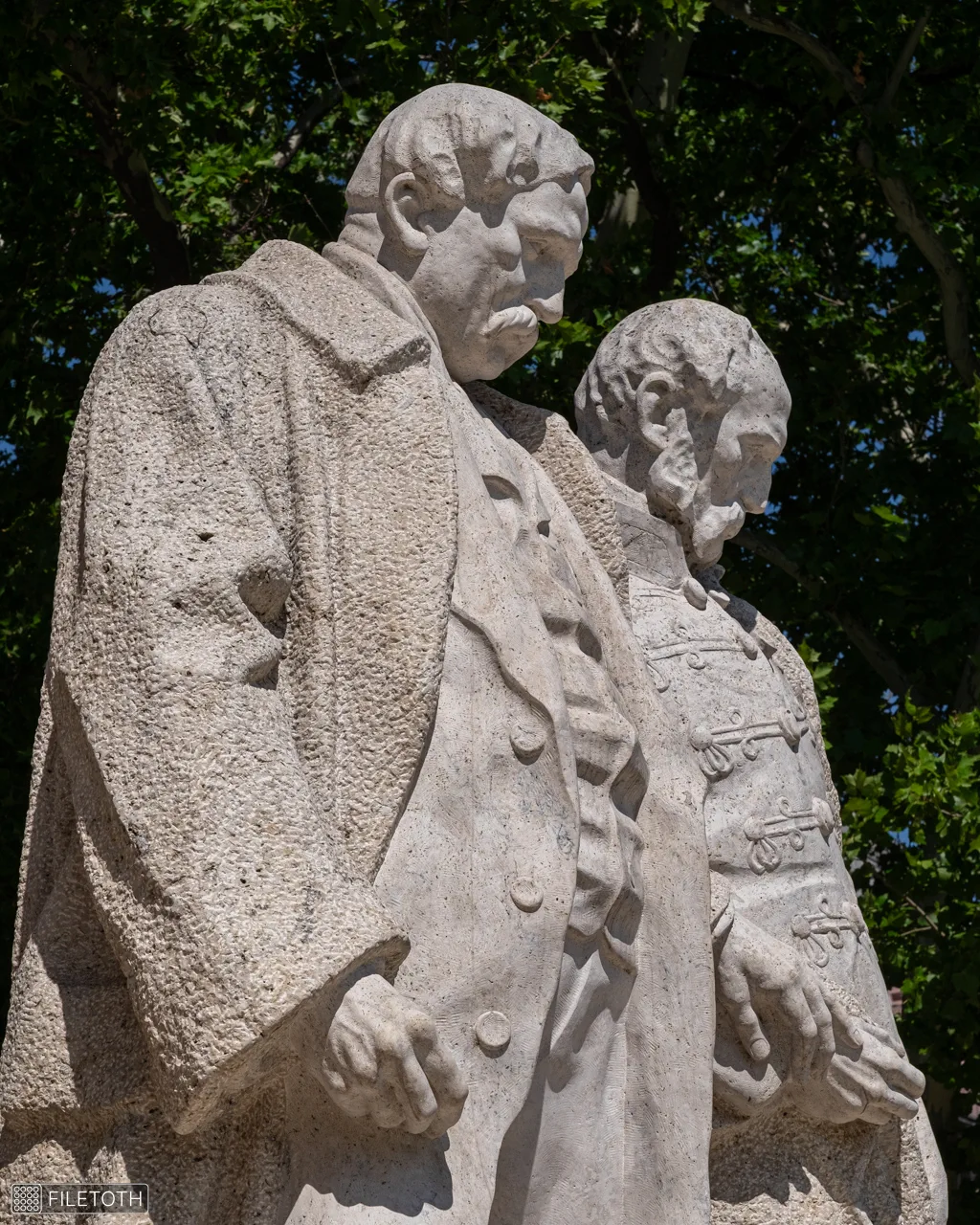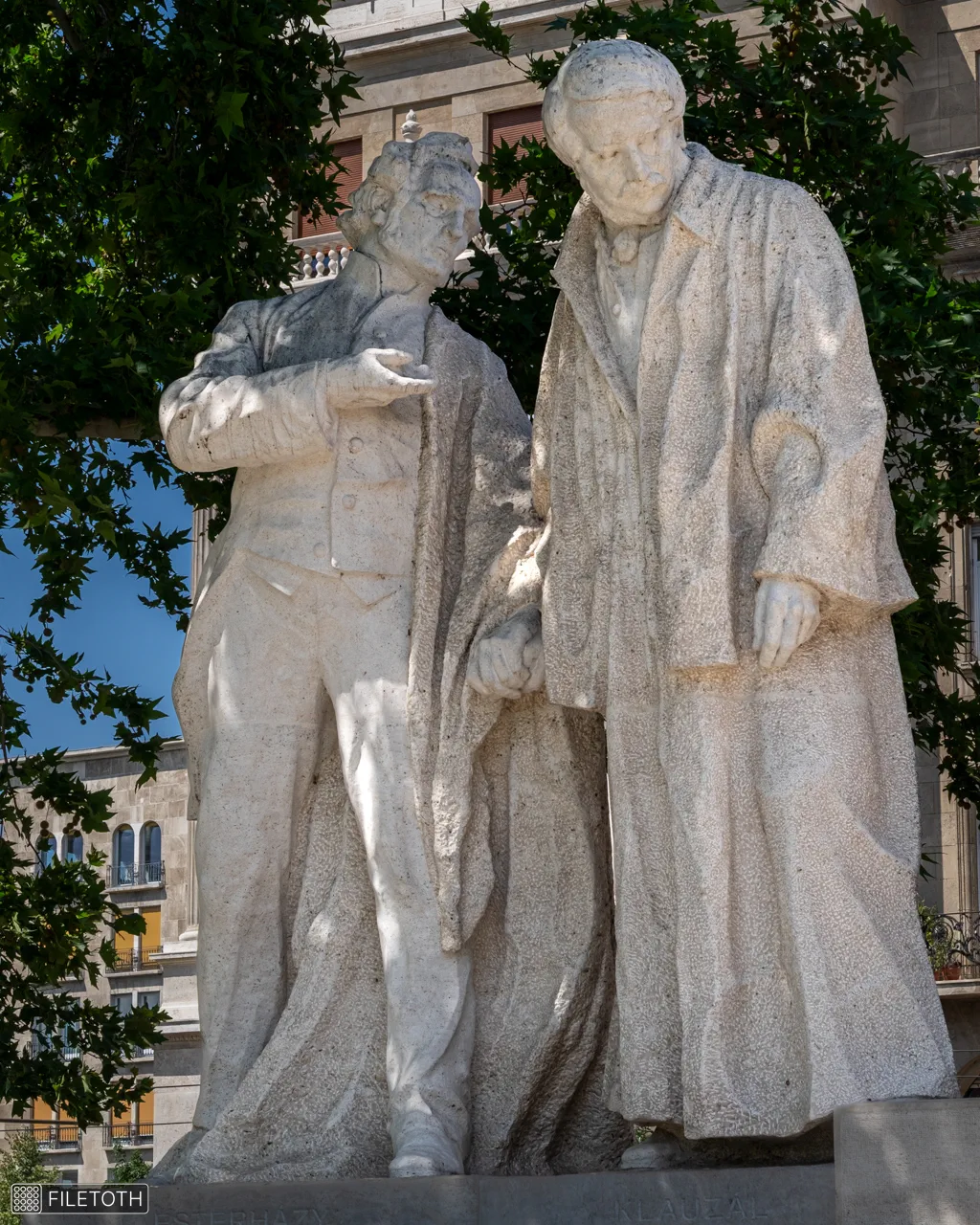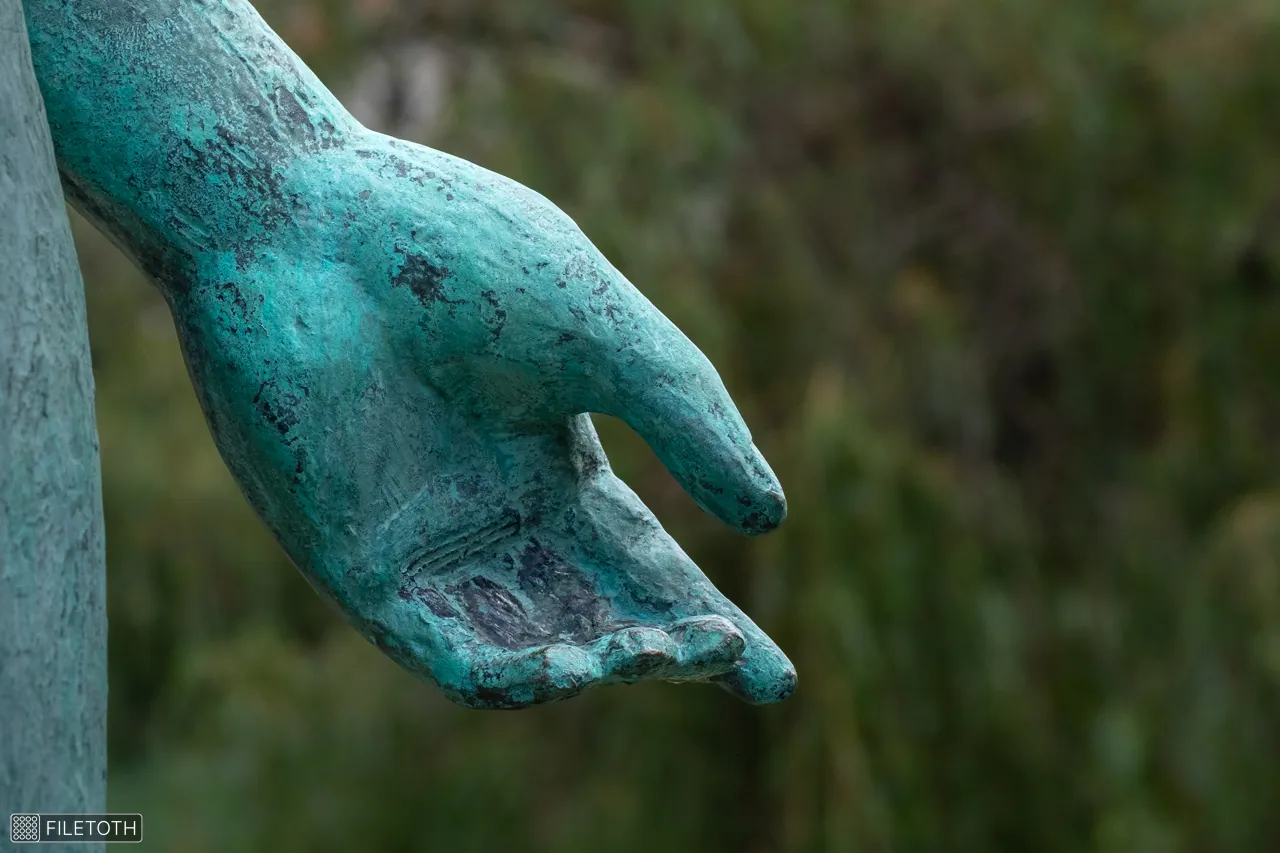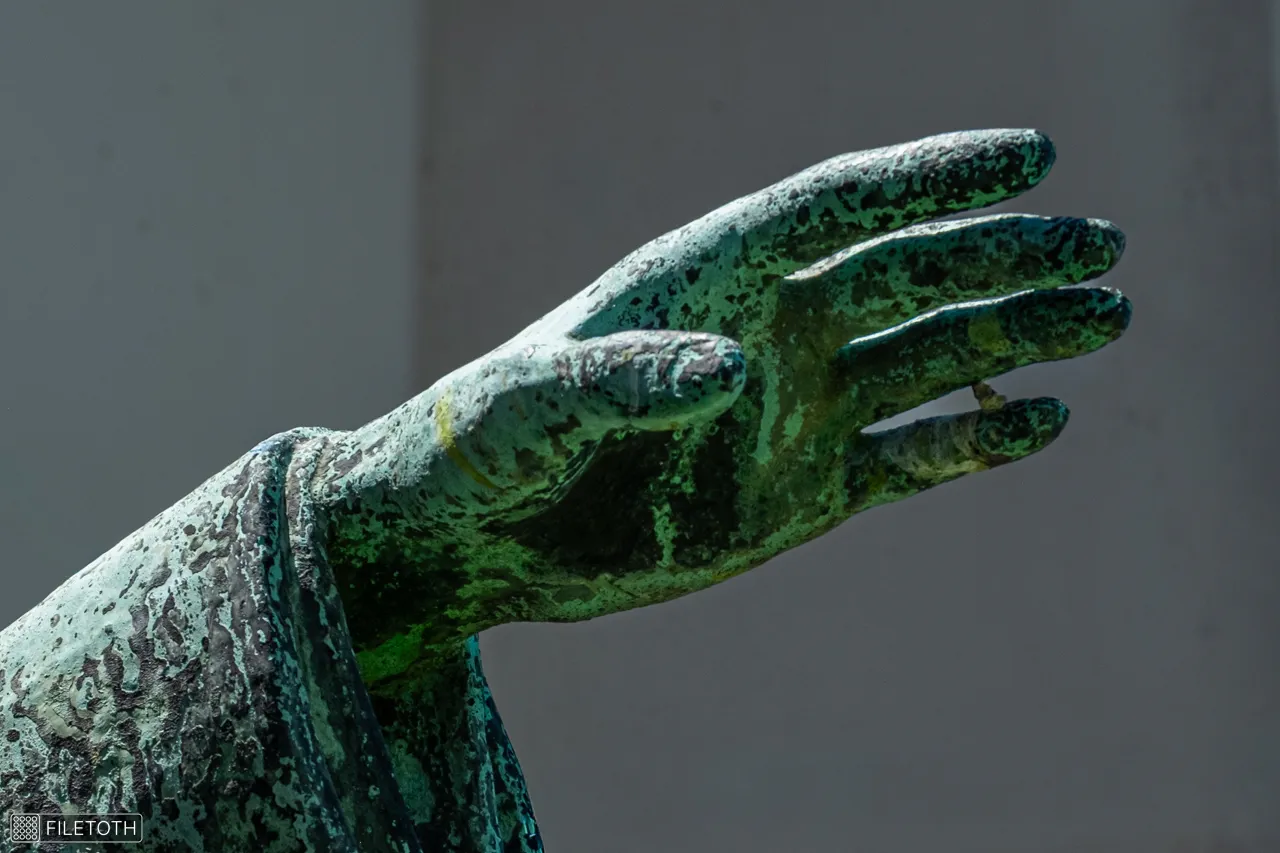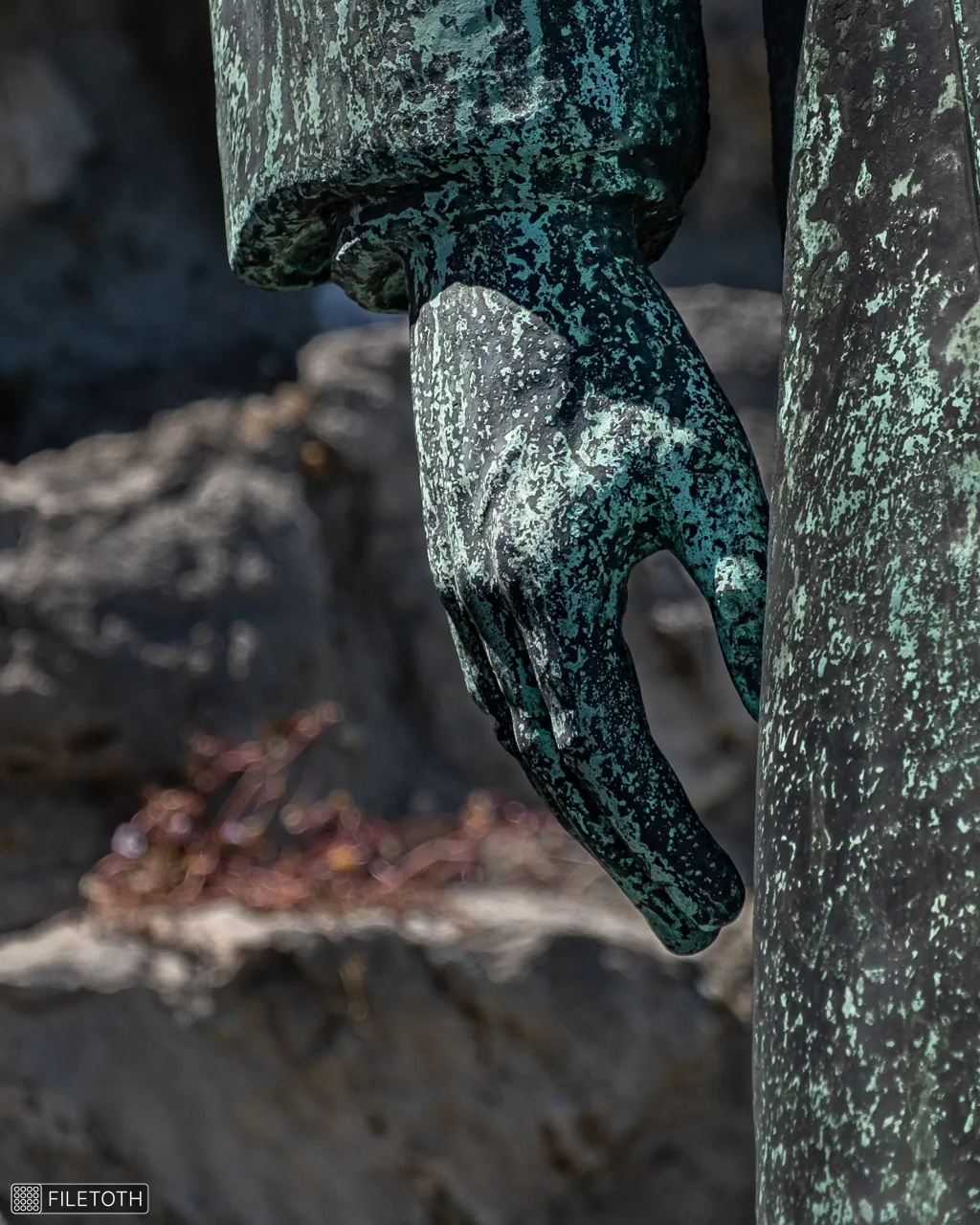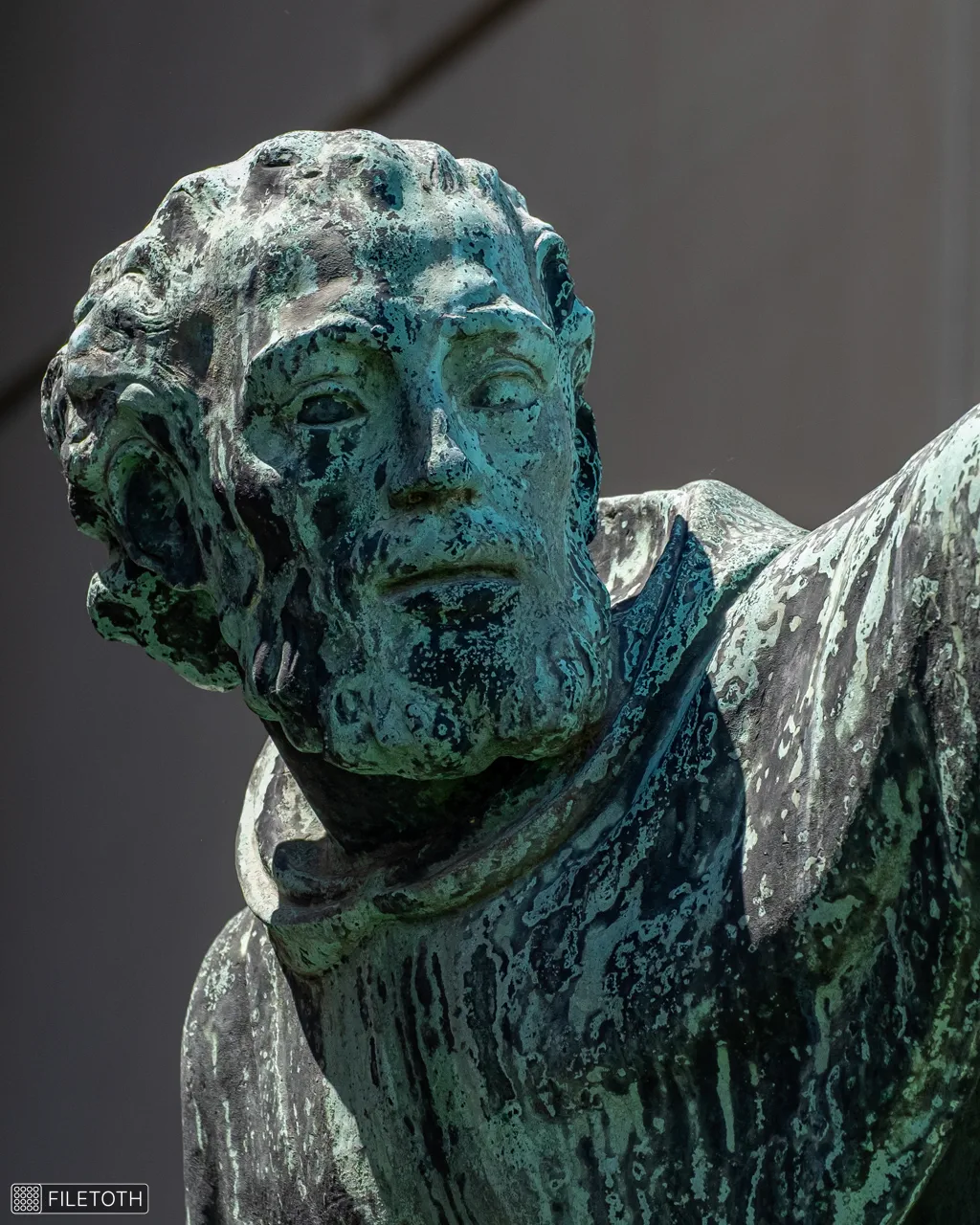
Hands that build, strive and shape the world.

ENDEAVOR

Inventors, builders, thinkers — gestures reflecting human effort, discipline and ambition.

Hands, gestures and statues embodying human endeavor—from invention and craftsmanship to discipline, learning and achievement.

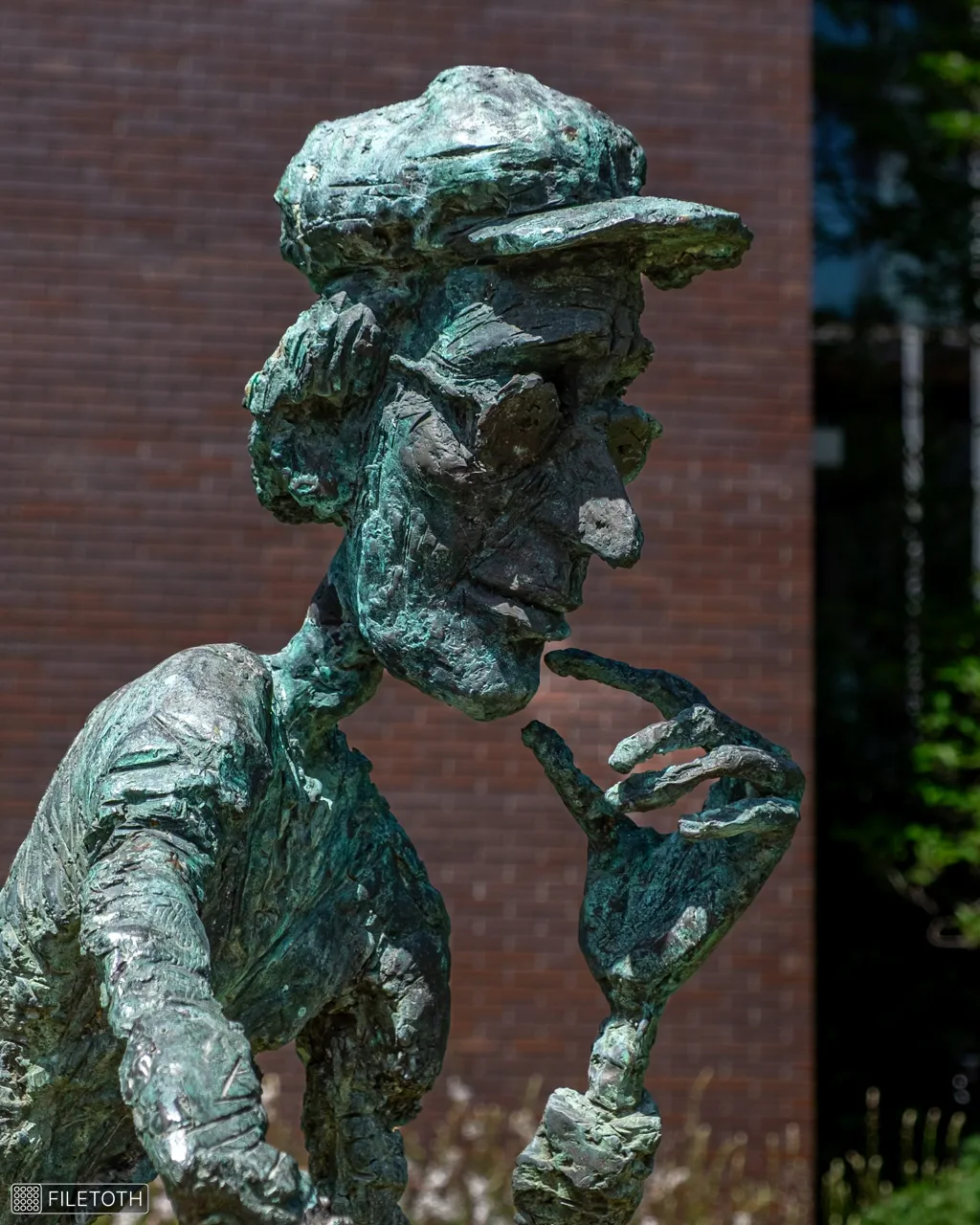
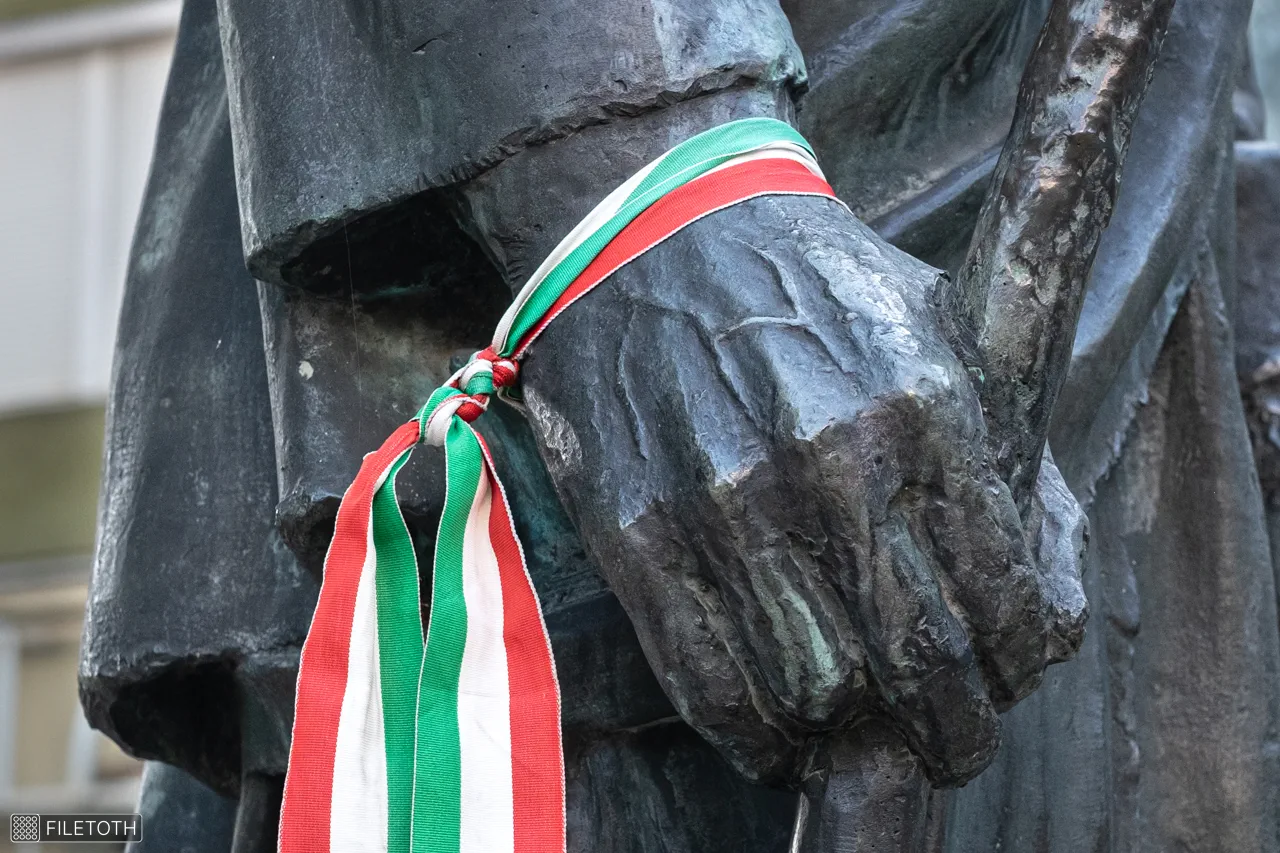
The Hand of the Journey

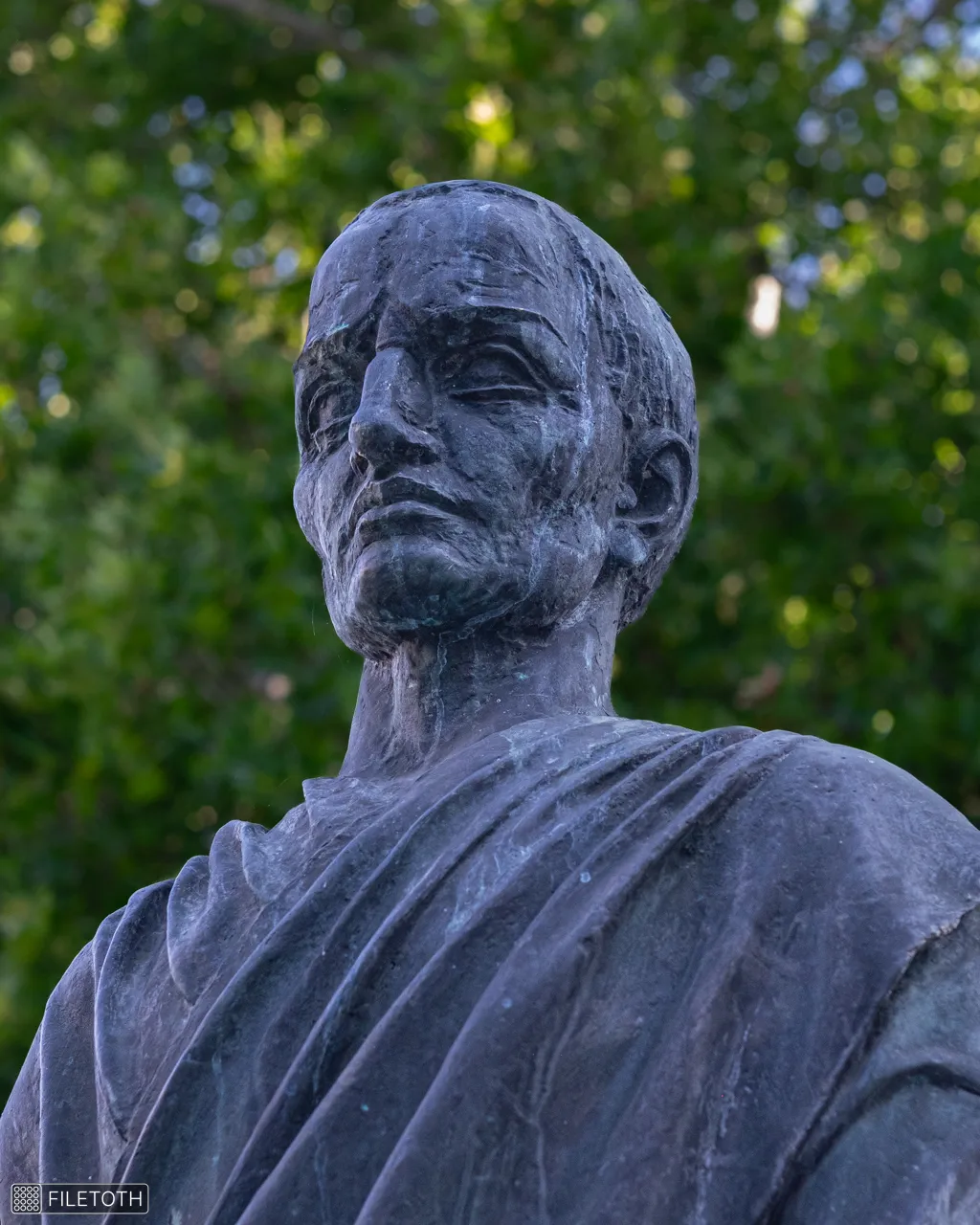
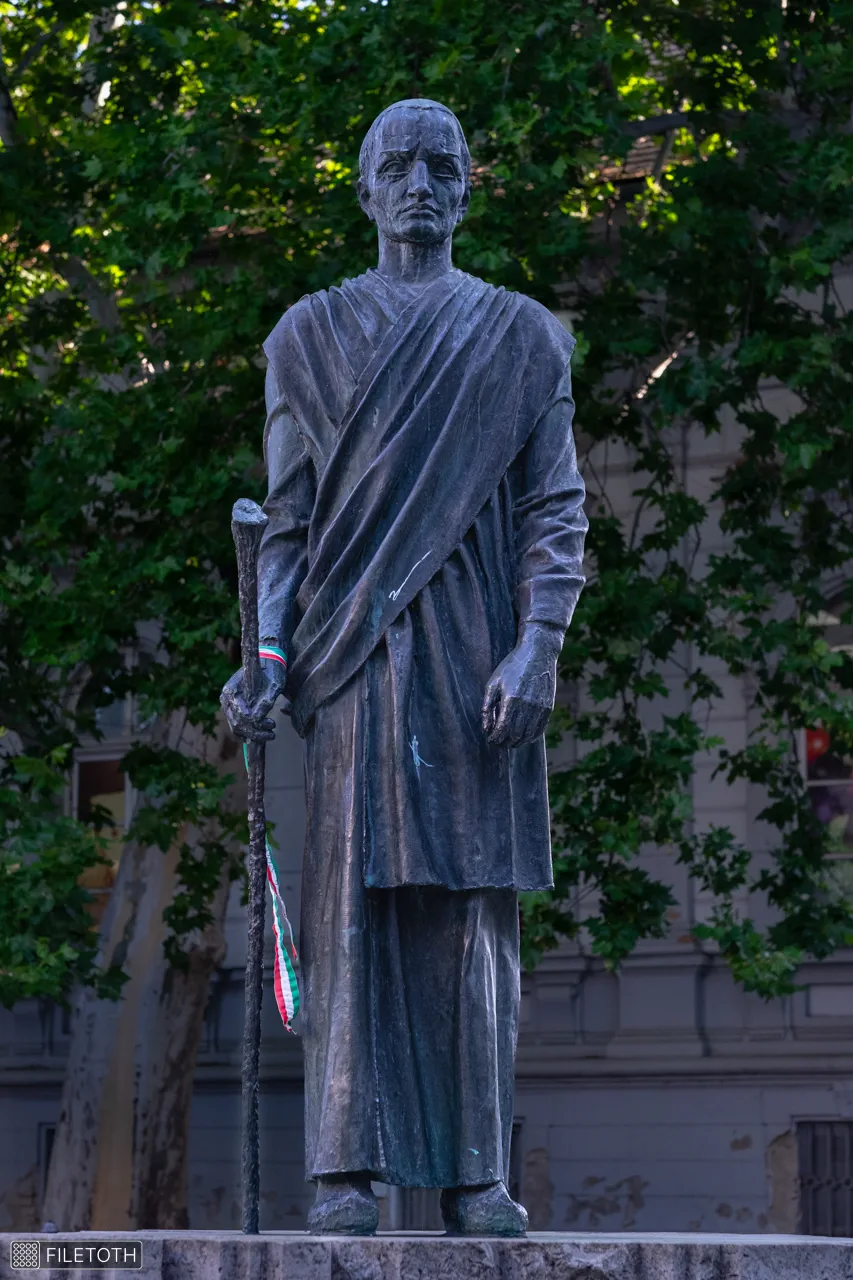
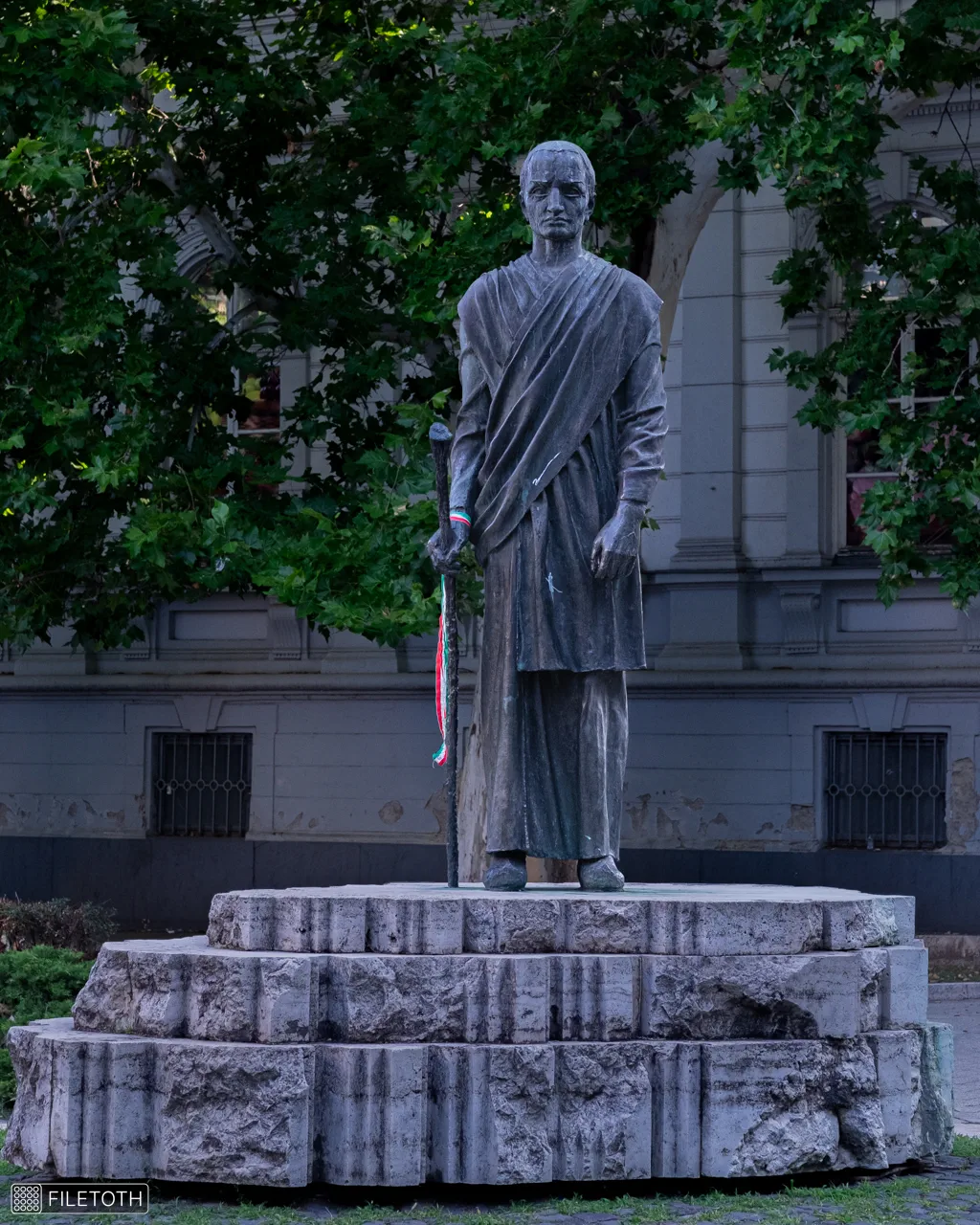
Sándor Kőrösi Csoma Statue

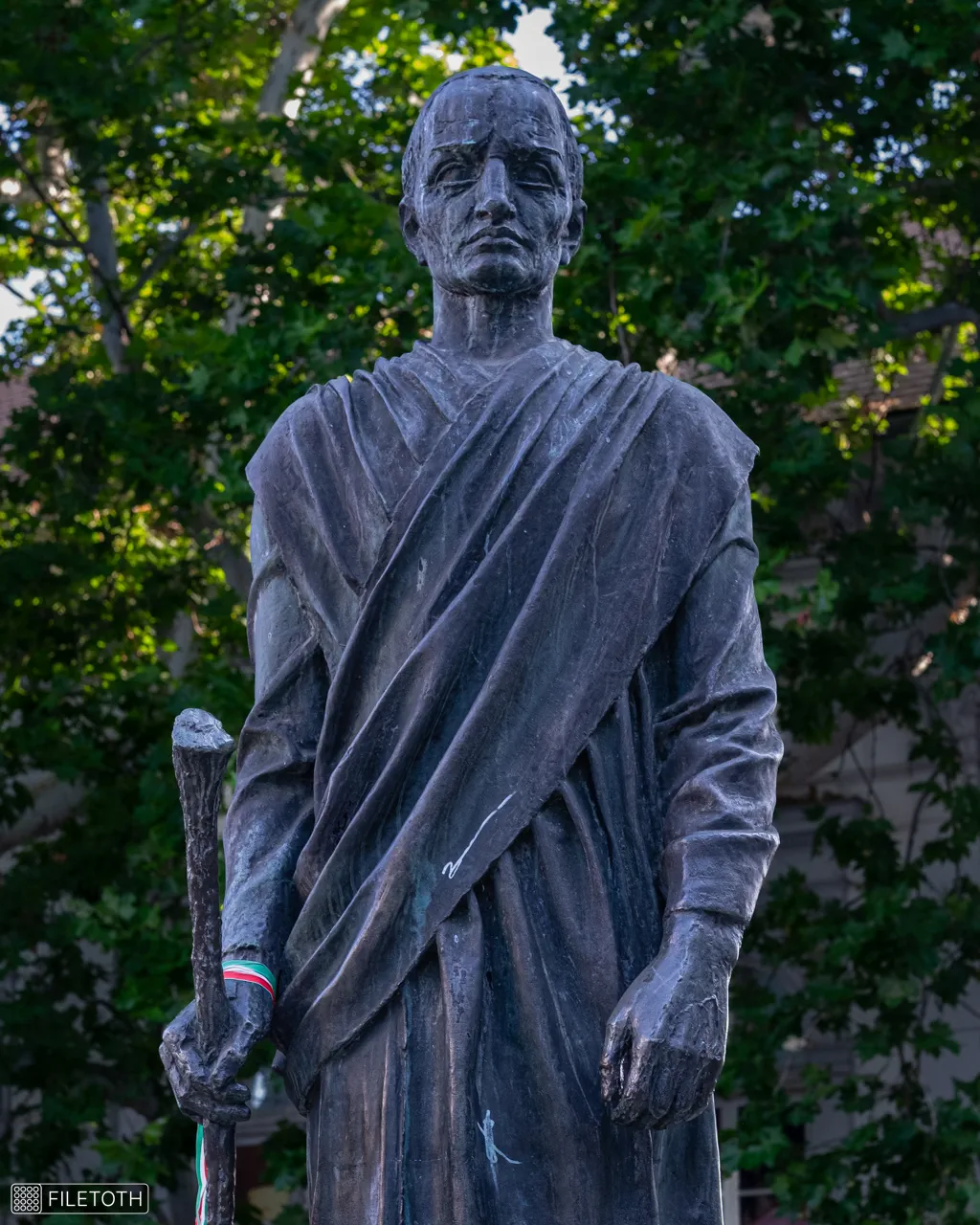
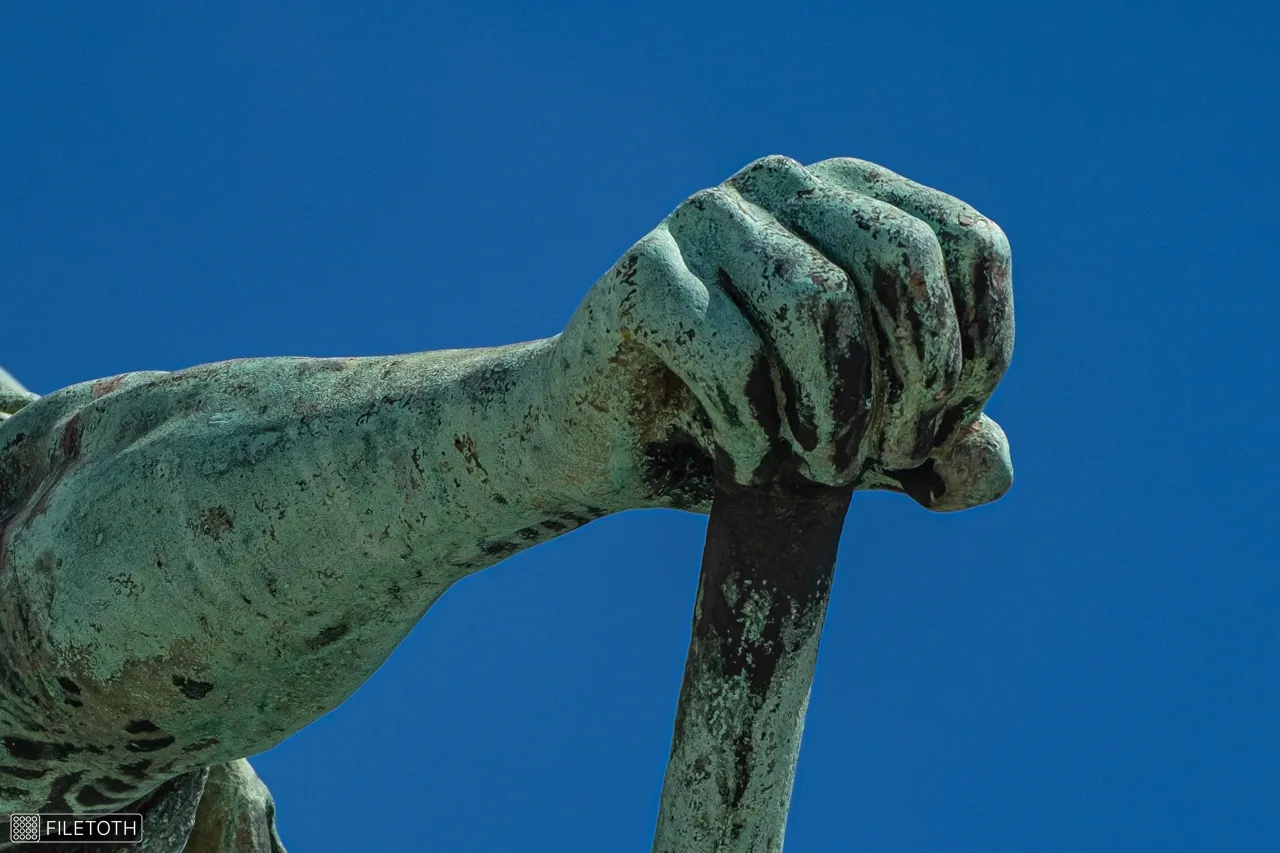
Close-up of Sándor Kőrösi Csoma's left hand holding a walking staff.

Historical figure and era

Sándor Kőrösi Csoma (1784–1842) was a Hungarian linguist, explorer, and scholar whose lifelong search for the origins of the Hungarian people led him across Asia. His years of study in Tibet resulted in the first Tibetan–English dictionary and grammar, achievements that established the field of Tibetan studies. Living with extraordinary simplicity and determination, he devoted his life to knowledge rather than personal recognition.

Creation and historical context

Sculpted by Béla Tóth and unveiled on 9 April 1984, the statue portrays Kőrösi Csoma as a solitary traveler rather than an academic. Dressed in Eastern robes and holding a walking staff with both hands, he stands quietly, gazing toward the distance. The composition reflects both his physical journeys across Asia and his unwavering intellectual pursuit. Calm, balanced, and purposeful, the monument honors perseverance as much as discovery.

Statue by Béla Tóth, unveiled on 9 April 1984. [ref.]
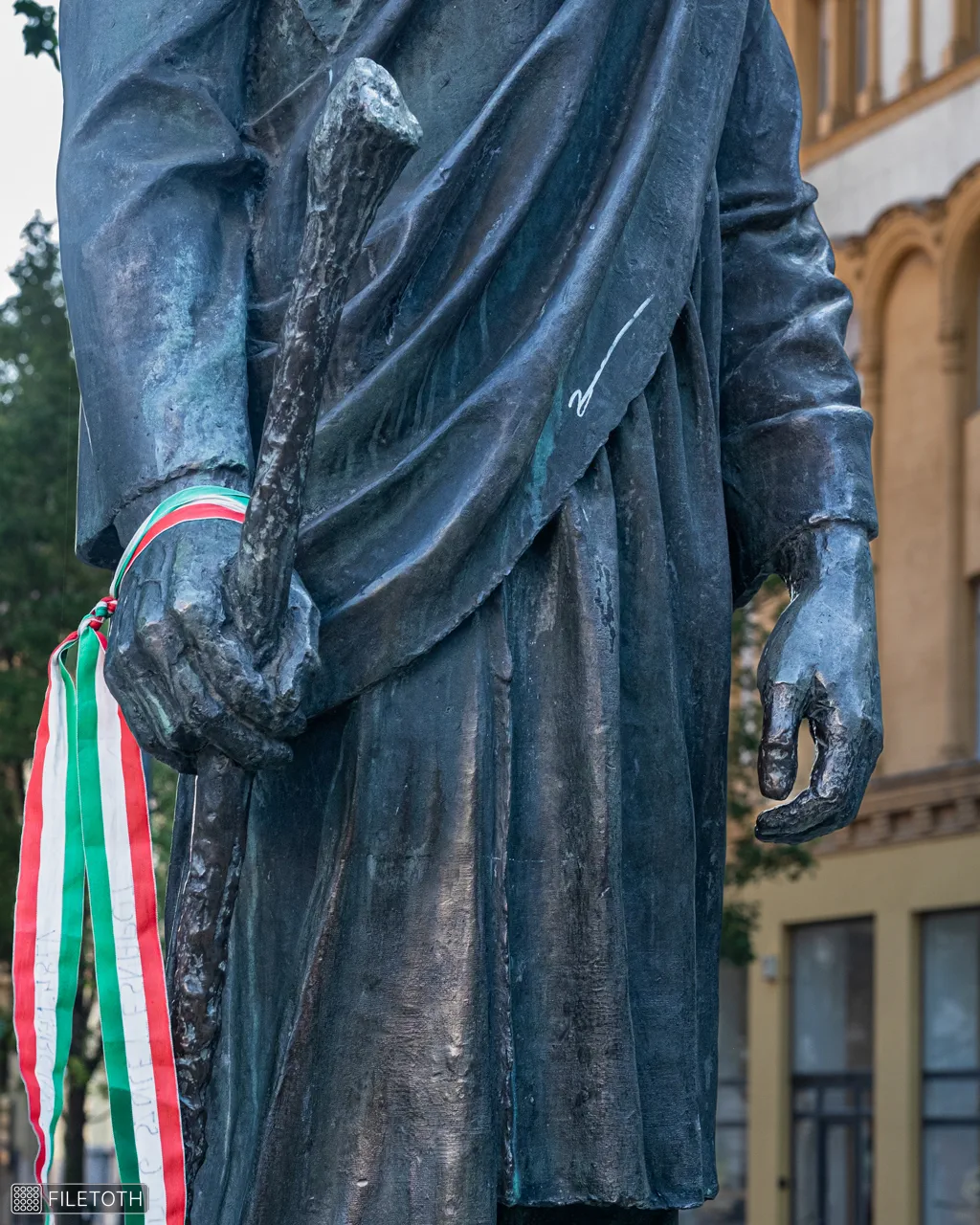
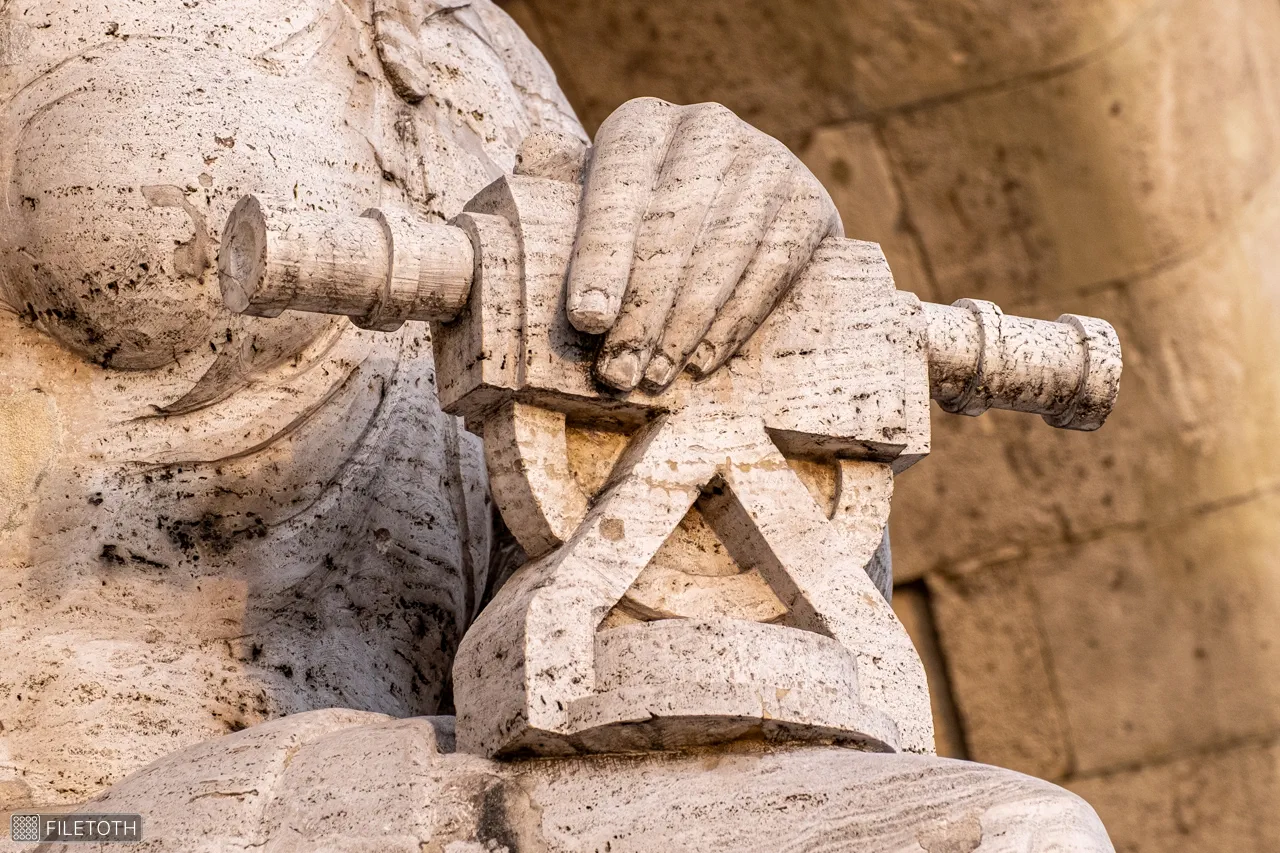
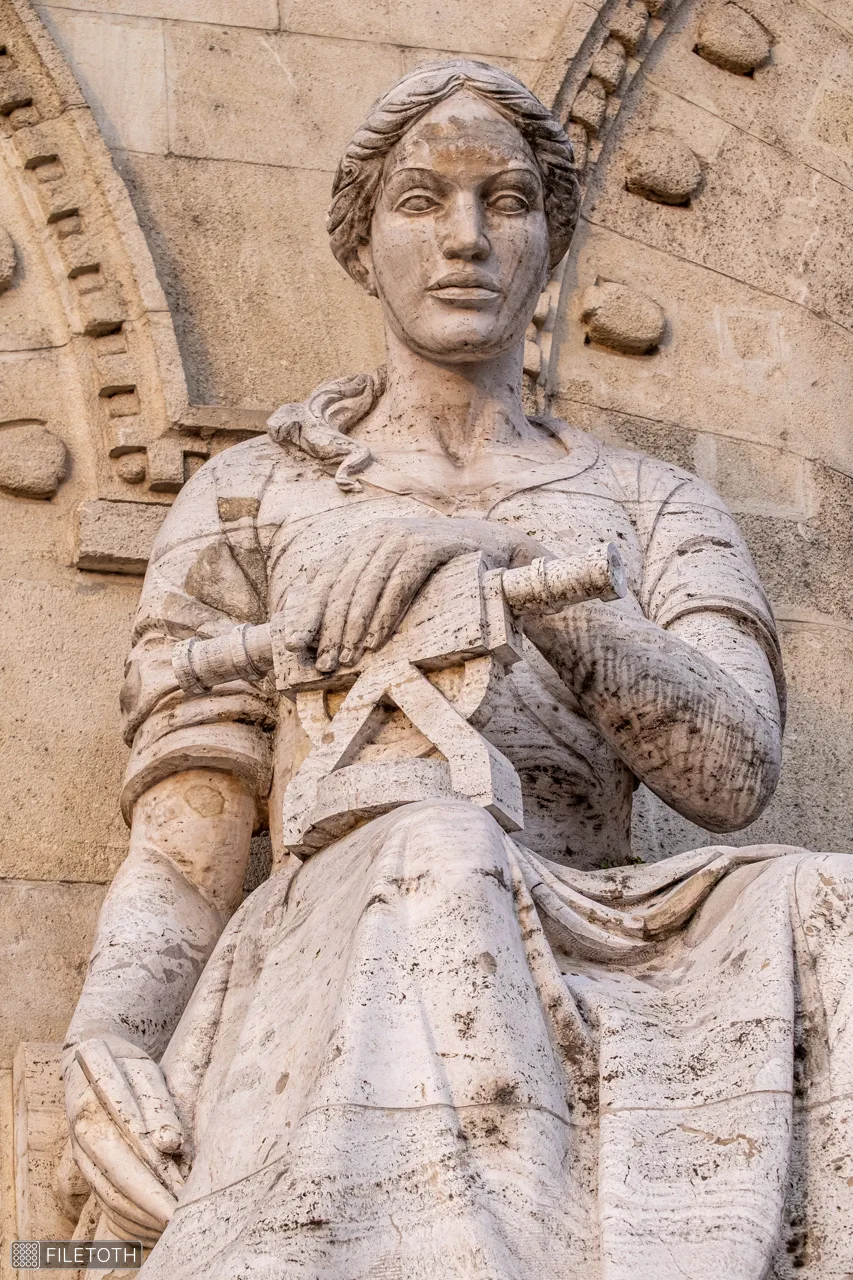
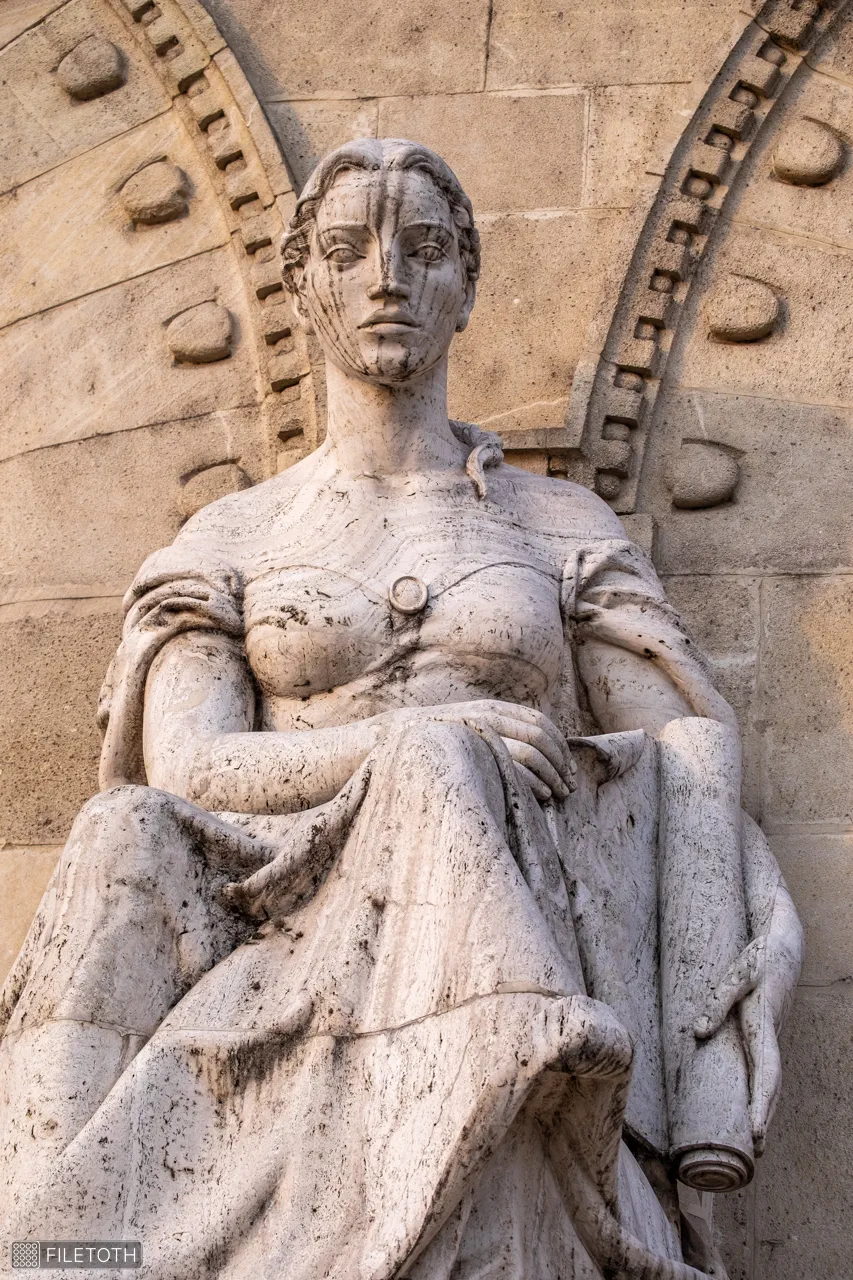
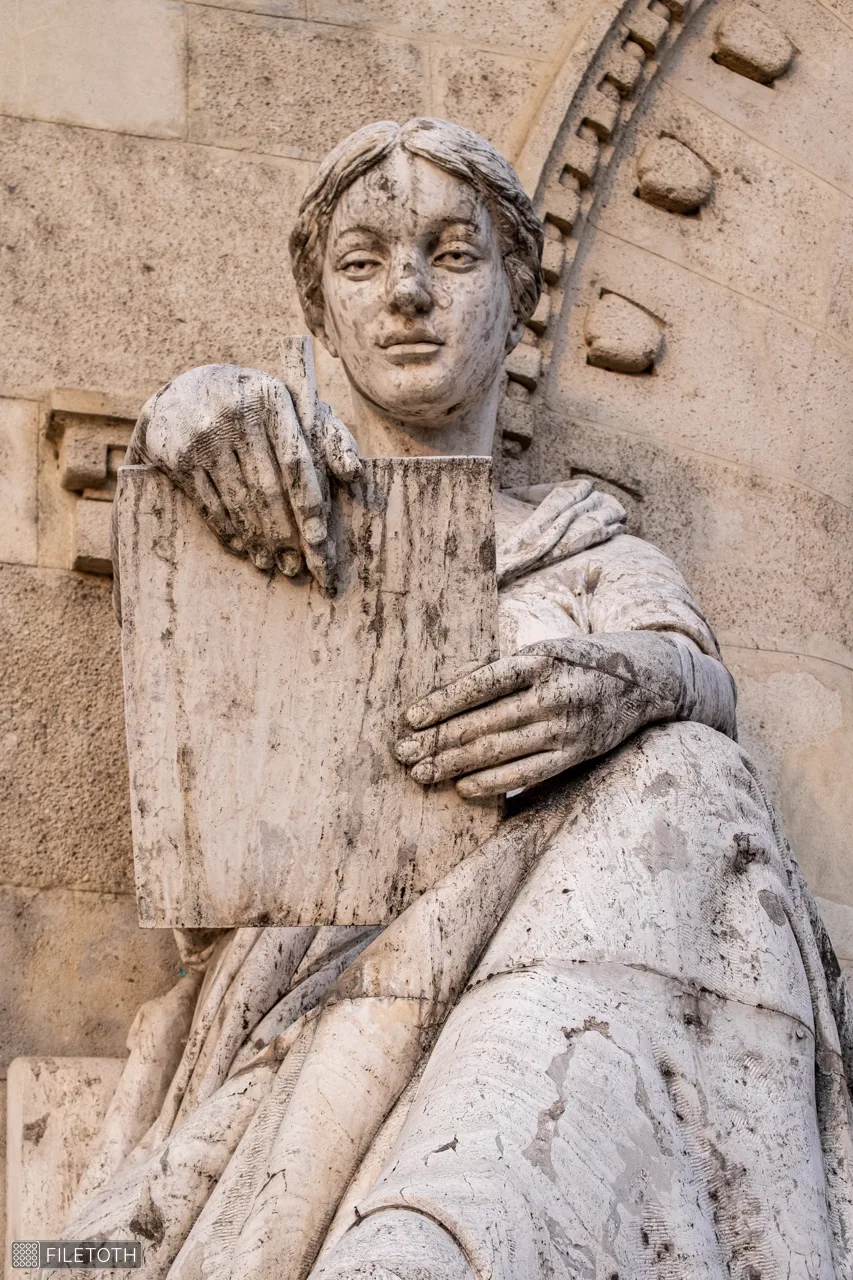
The Hand of Ingenuity

Budapest University of Technology Entrance Statues

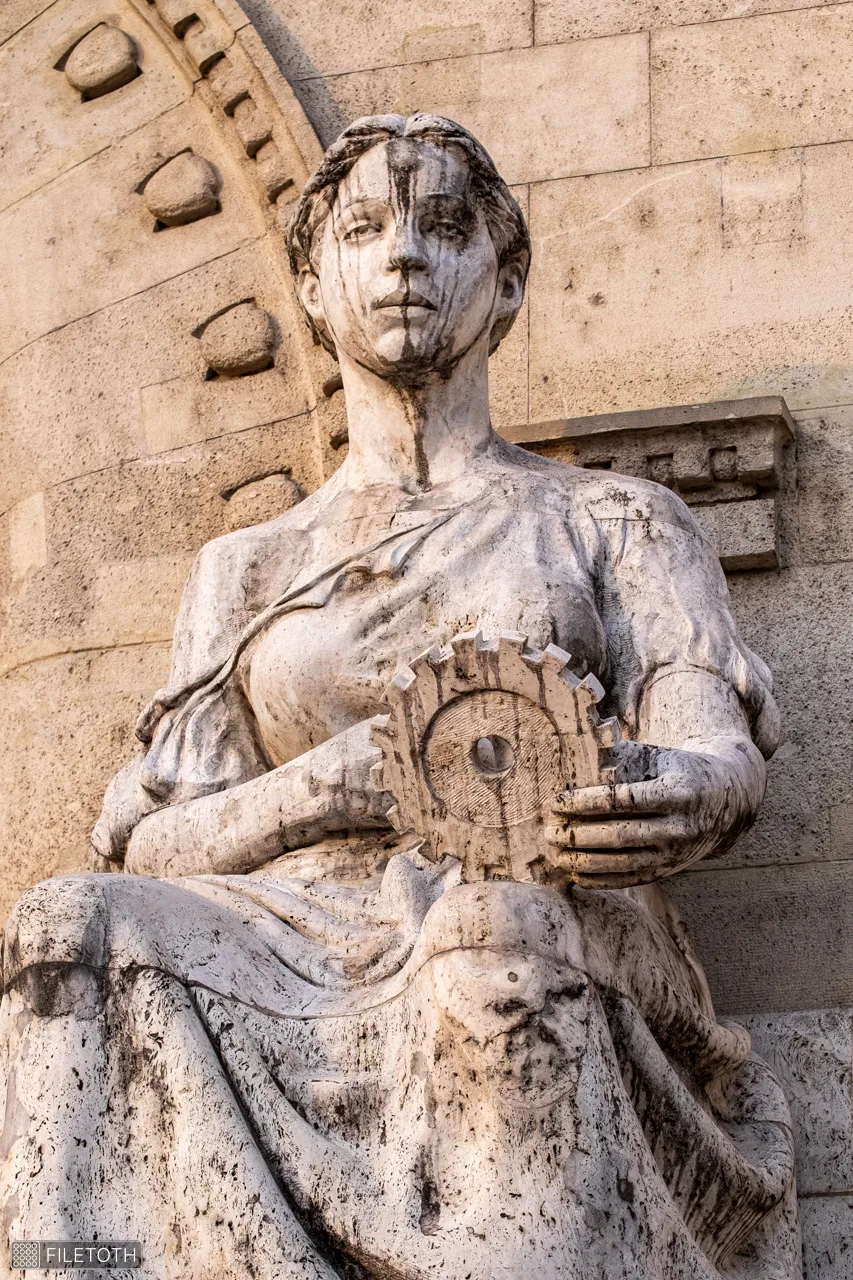
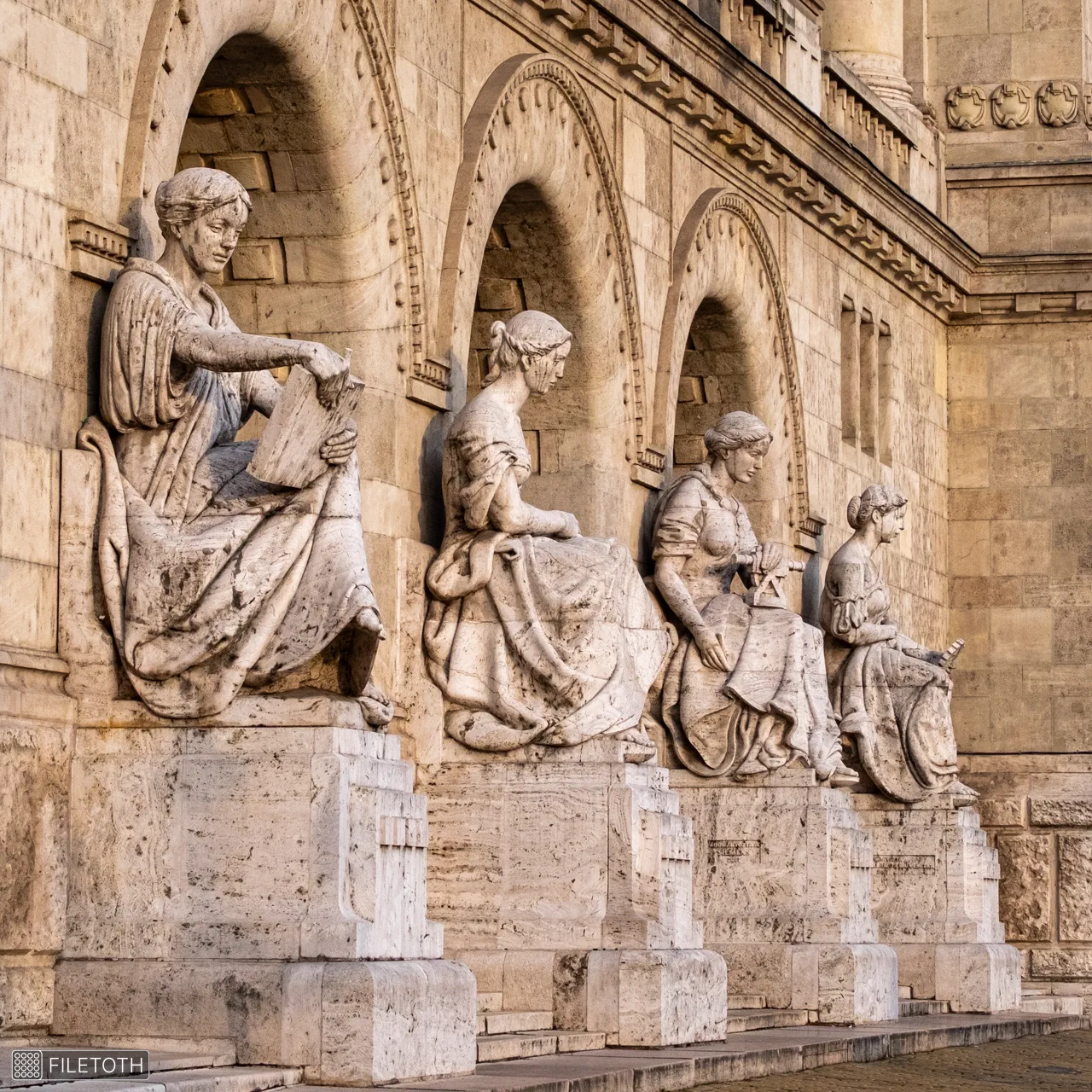
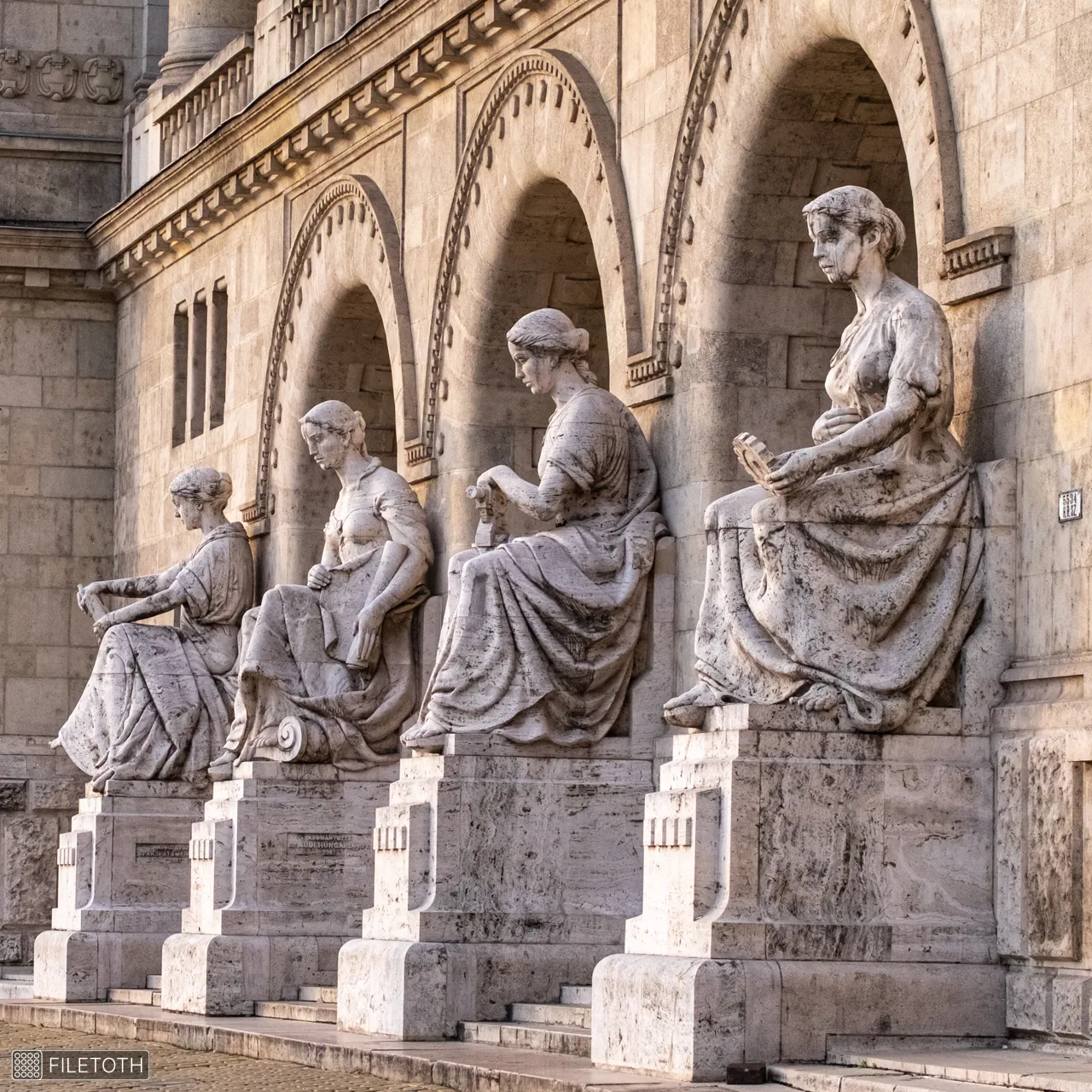
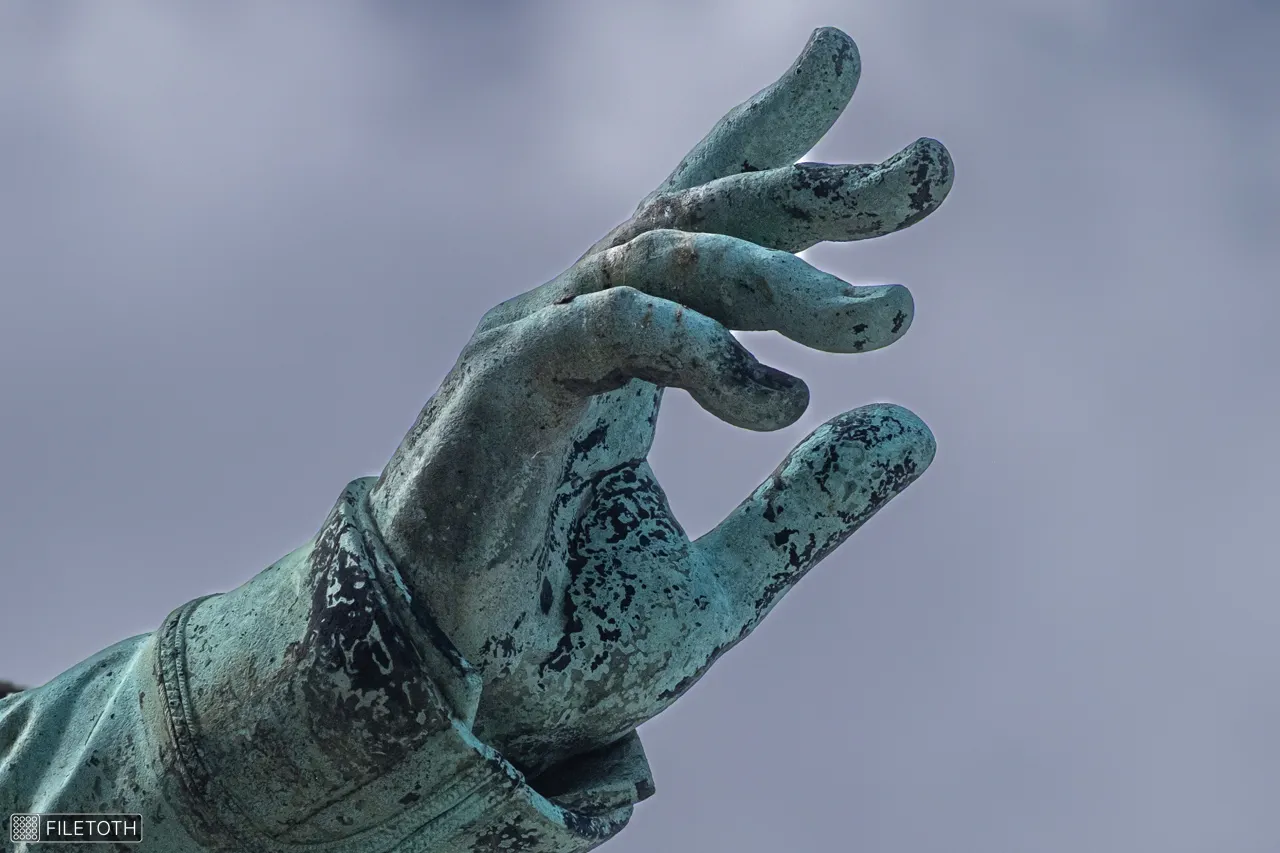
Close-up of the hand of one of the university entrance statues.

Historical figure and era

The statues at the main entrance of the Budapest University of Technology represent the technical sciences: mechanical engineering, chemical engineering, architecture, and engineering sciences. Together, the four allegorical figures embody a university's confidence in knowledge transformed into practical innovation through careful calculation, design, and craftsmanship.

Creation and historical context

Installed in 1909, the sculptures framed the university's façade during a period when engineering and industrialization were central to Hungary's modernization. Destroyed during the Second World War in 1945, they were reconstructed in 2007 for the university's 225th anniversary using a surviving historical photograph. Today they connect generations of students and researchers, symbolizing continuity through destruction, rebuilding, and technological progress while quietly celebrating the inventive spirit that defines engineering.

Statues by Károly Senyei, 1909 (reconstructed 2007). [ref.]

The Hand of Enlightenment

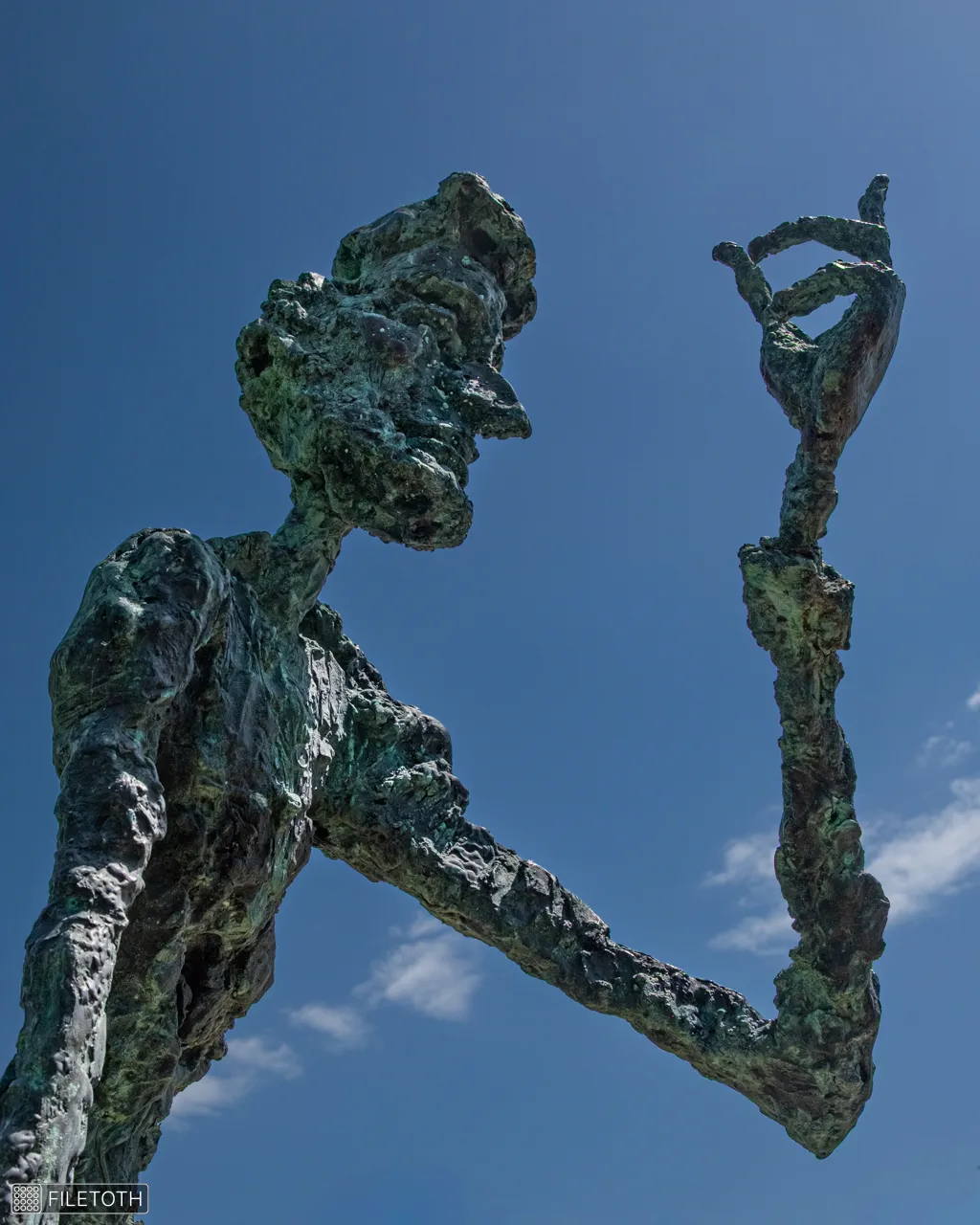
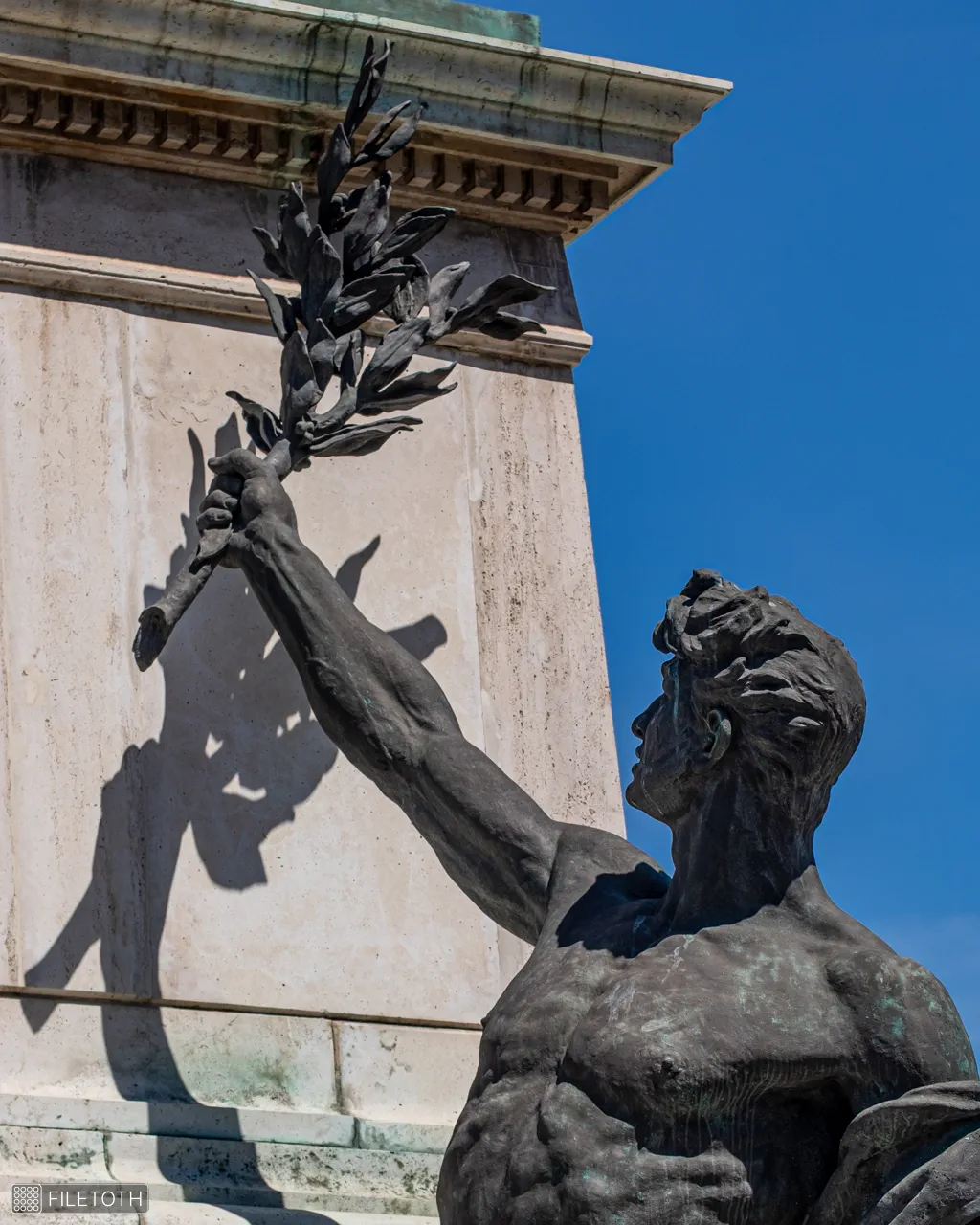
Electricity Statue

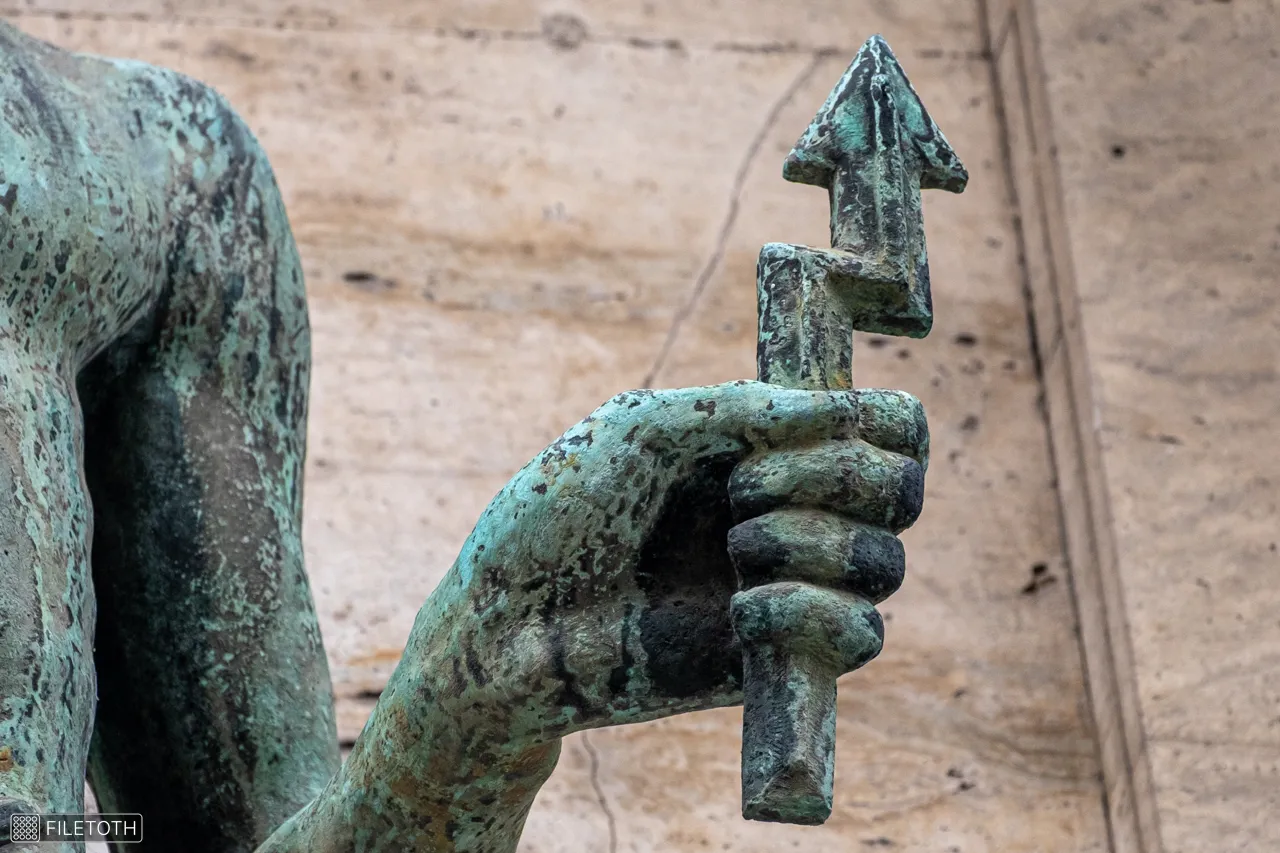
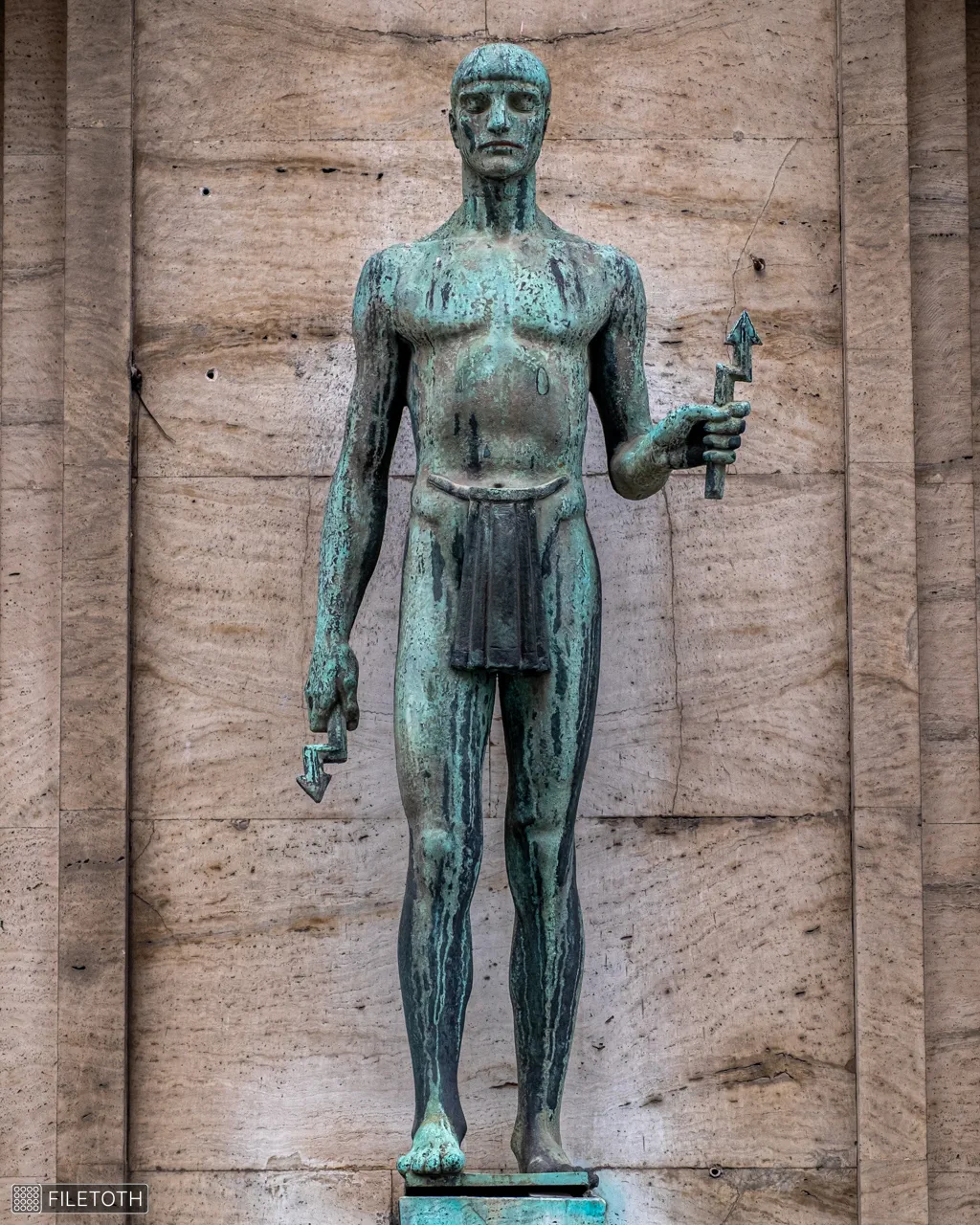
Close-up of the raised hand holding a lightning bolt.

Historical figure and era

Electricity transformed everyday life during the twentieth century, bringing light, communication, and industry to rapidly growing cities. Rather than representing a historical person, this allegorical figure embodies the invisible force that became one of the defining technologies of the modern age. Commissioned for the headquarters of Budapest's Municipal Electricity Works, the sculpture celebrates electricity as a symbol of human progress and urban development.

Creation and historical context

Béla Ohmann's sculpture was installed in 1932 on the façade of the Budapest Municipal Electricity Works building, designed by Dénes Györgyi and Ernő Román. Also known as Sky and Earth, the standing figure holds stylized lightning bolts in both hands—one raised toward the sky, the other lowered toward the earth. The composition symbolizes the flow of energy between the two realms. Calm and monumental, the figure recalls the visual language of ancient mythology while celebrating one of the defining achievements of the modern age.

Statue by Béla Ohmann, 1932. [ref.]

The Hand of Progress

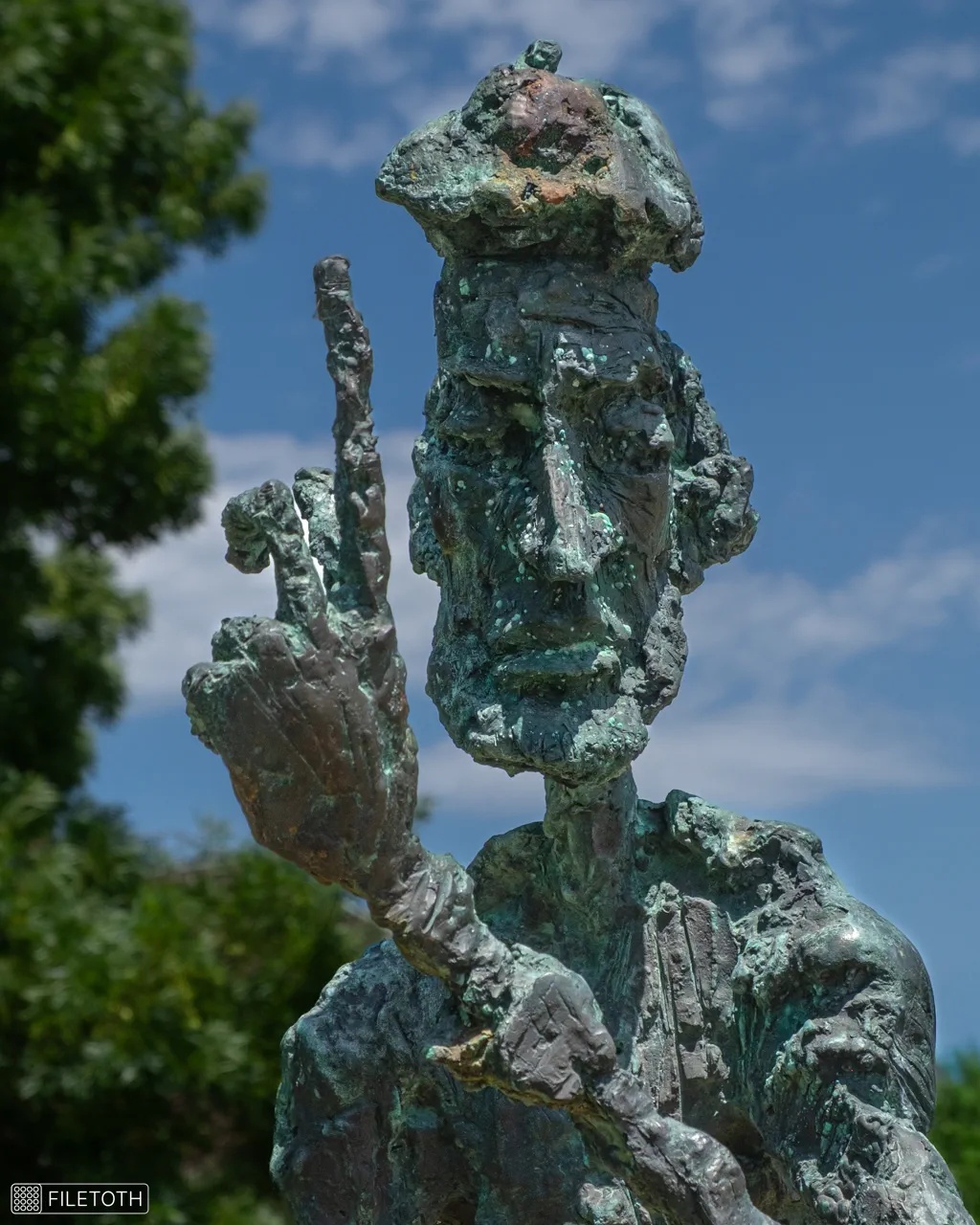
István Tisza Memorial

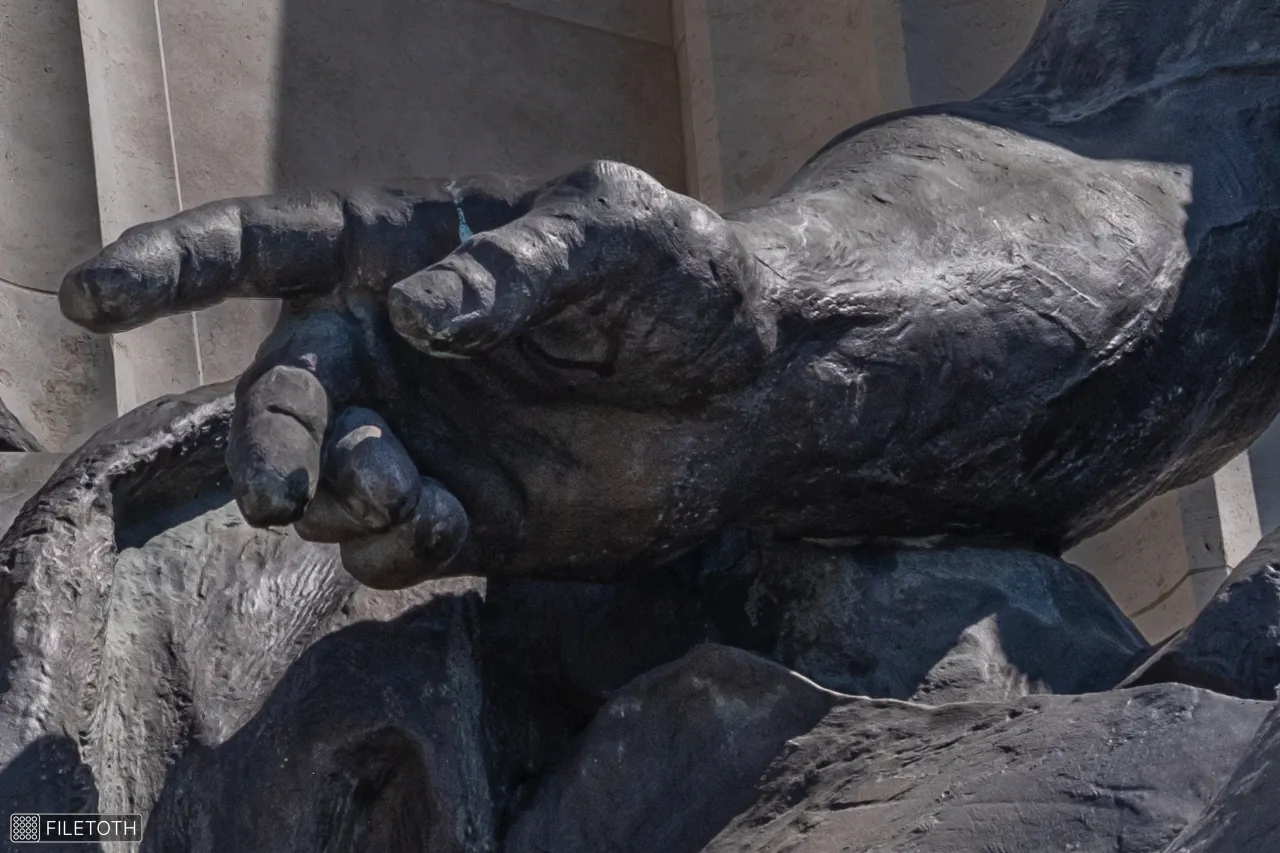
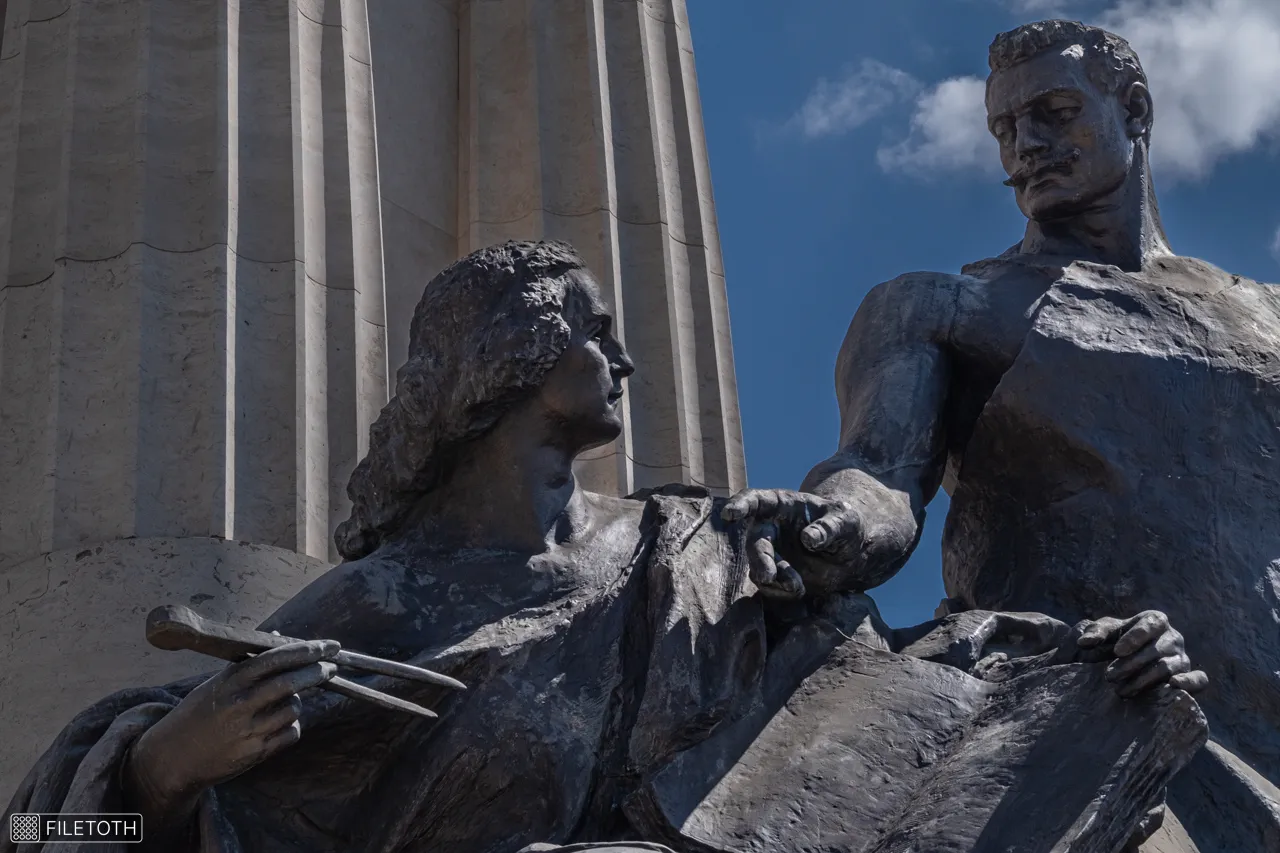
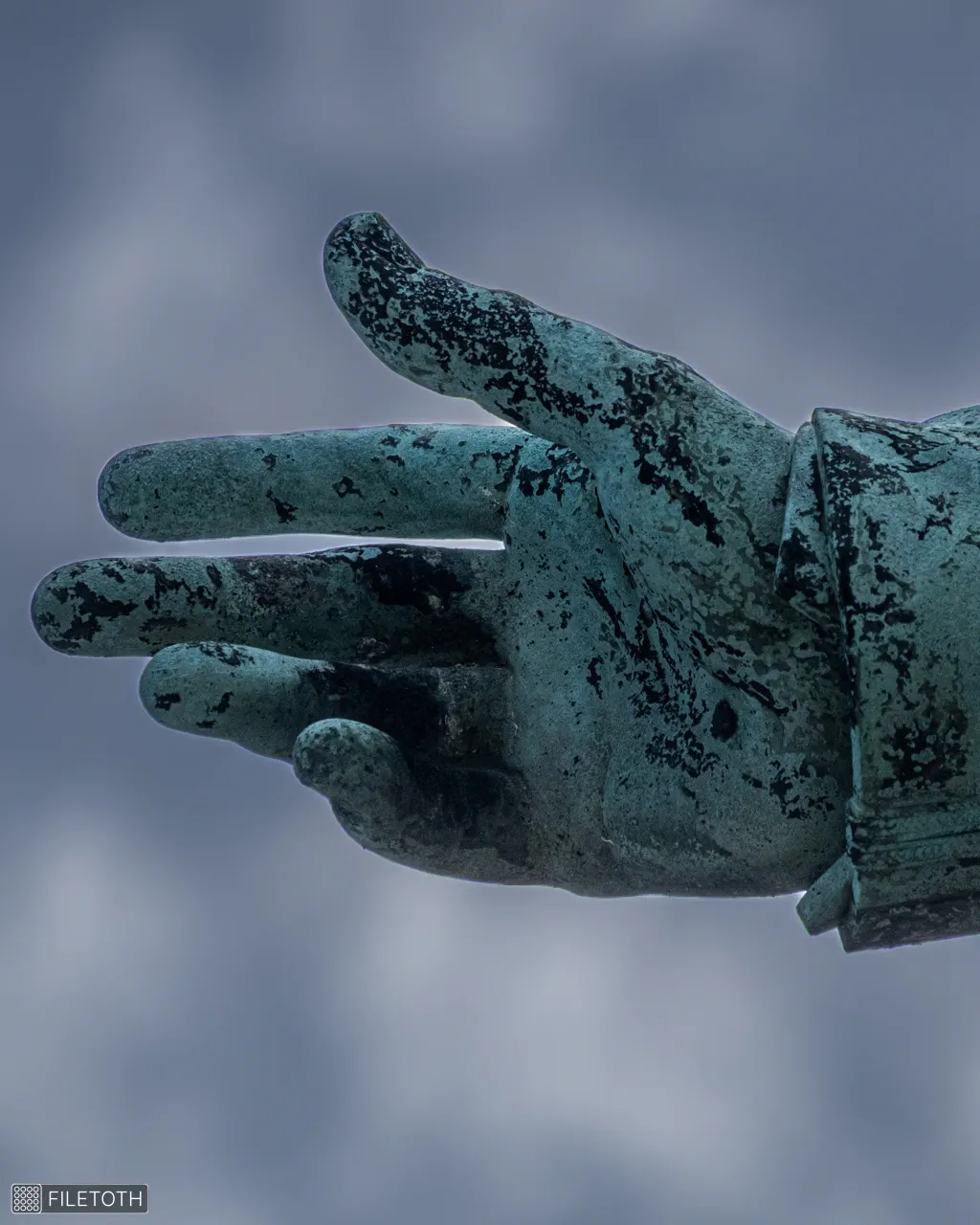
Close-up of the Work allegory's powerful left hand pointing forward.

Historical figure and era

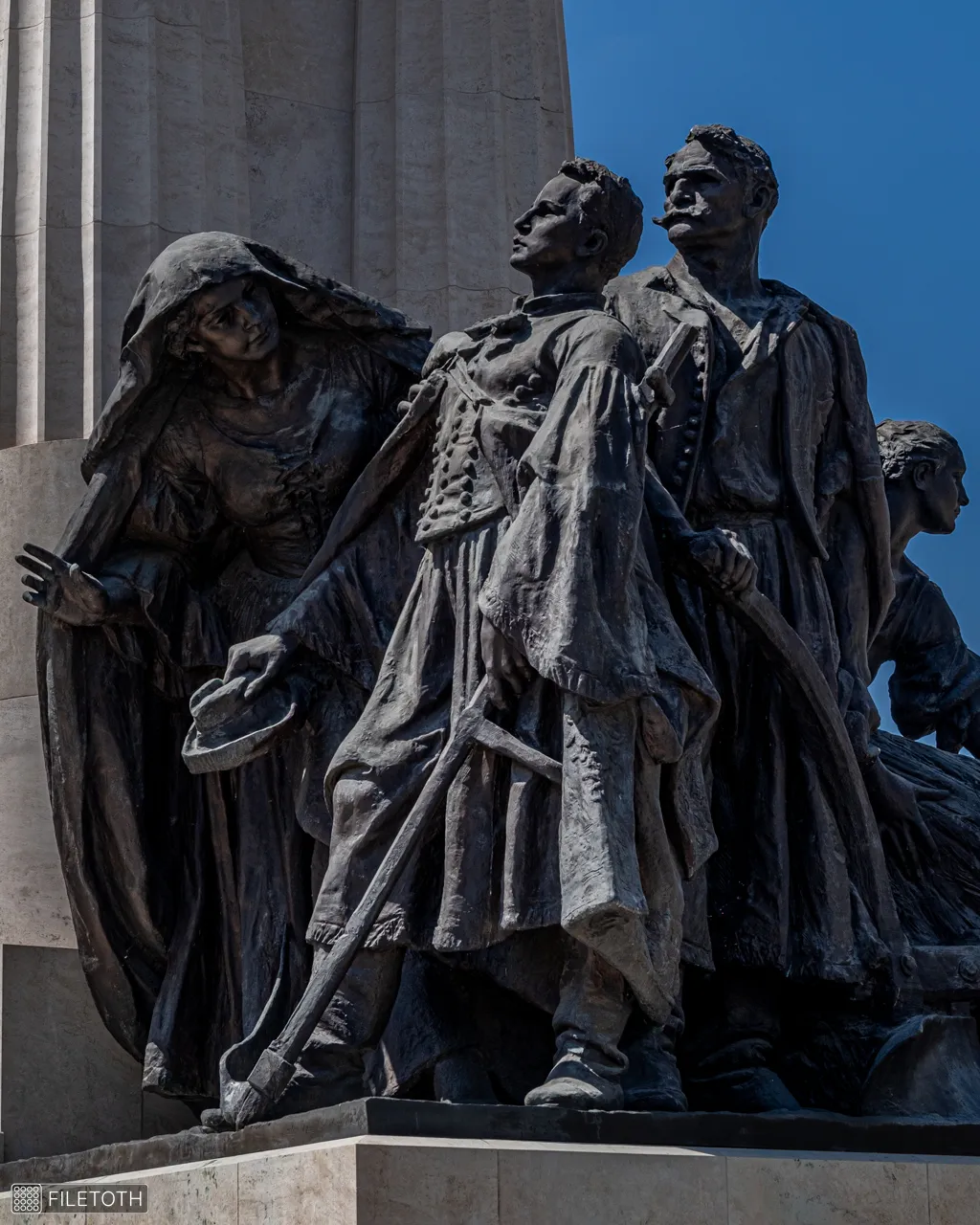
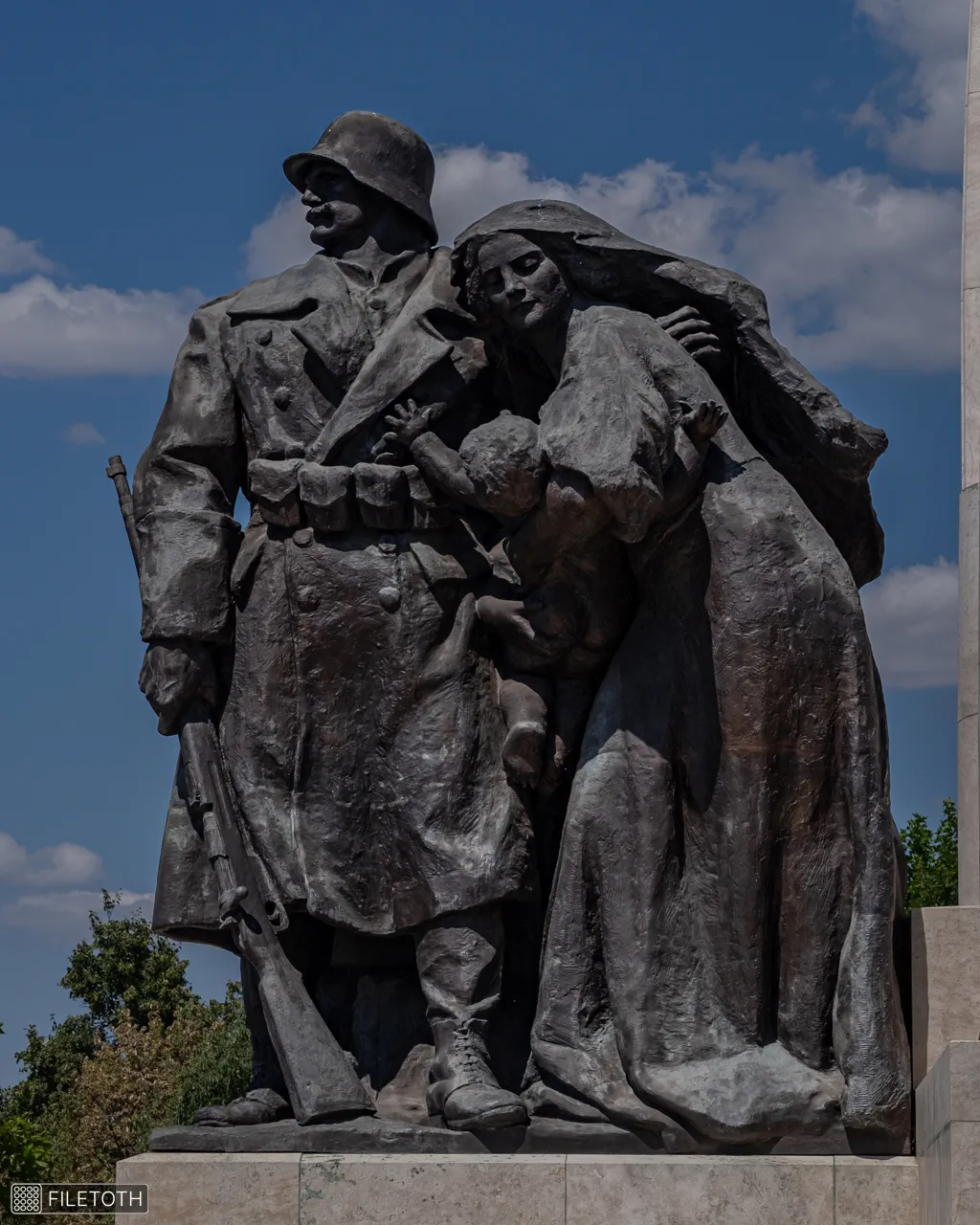
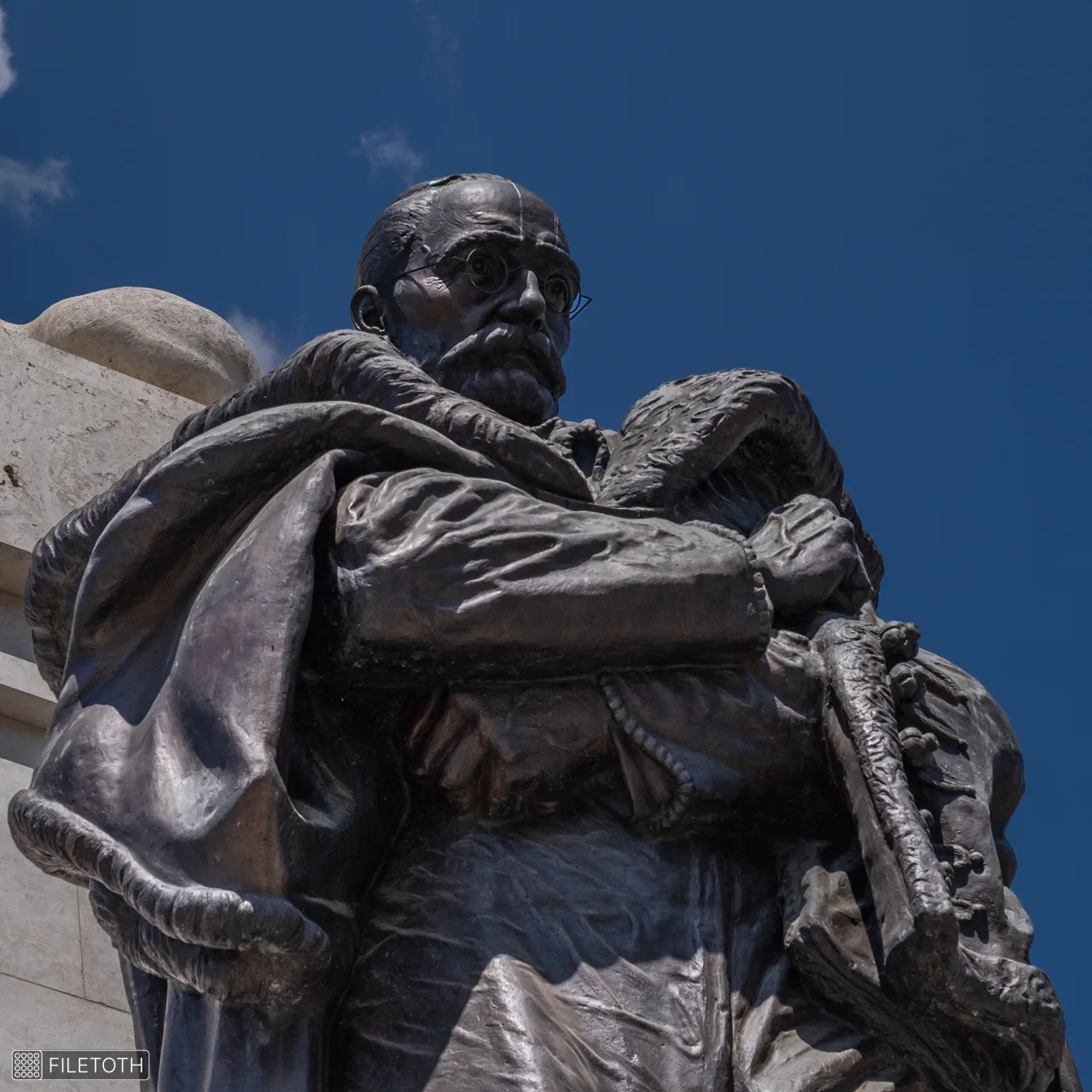
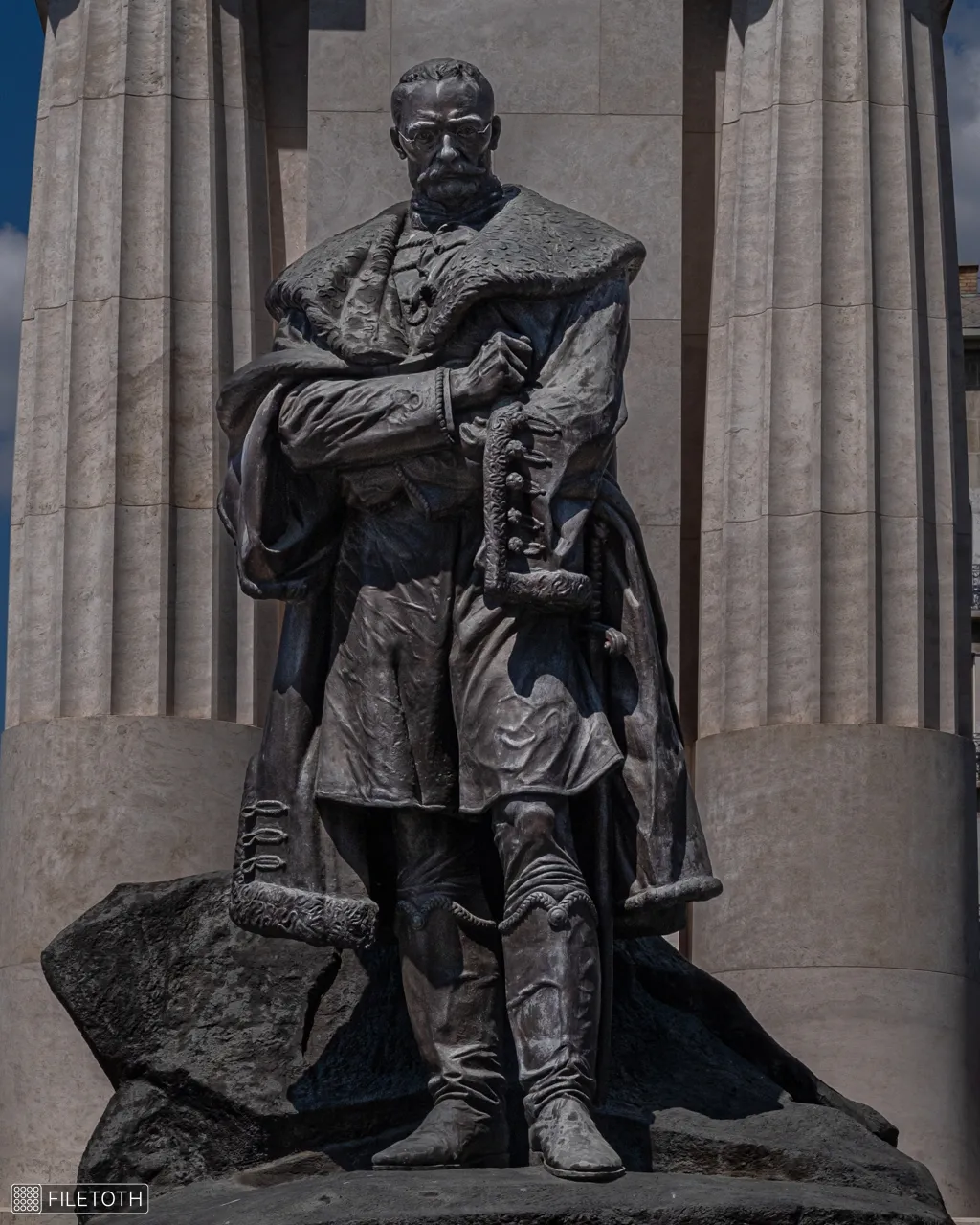
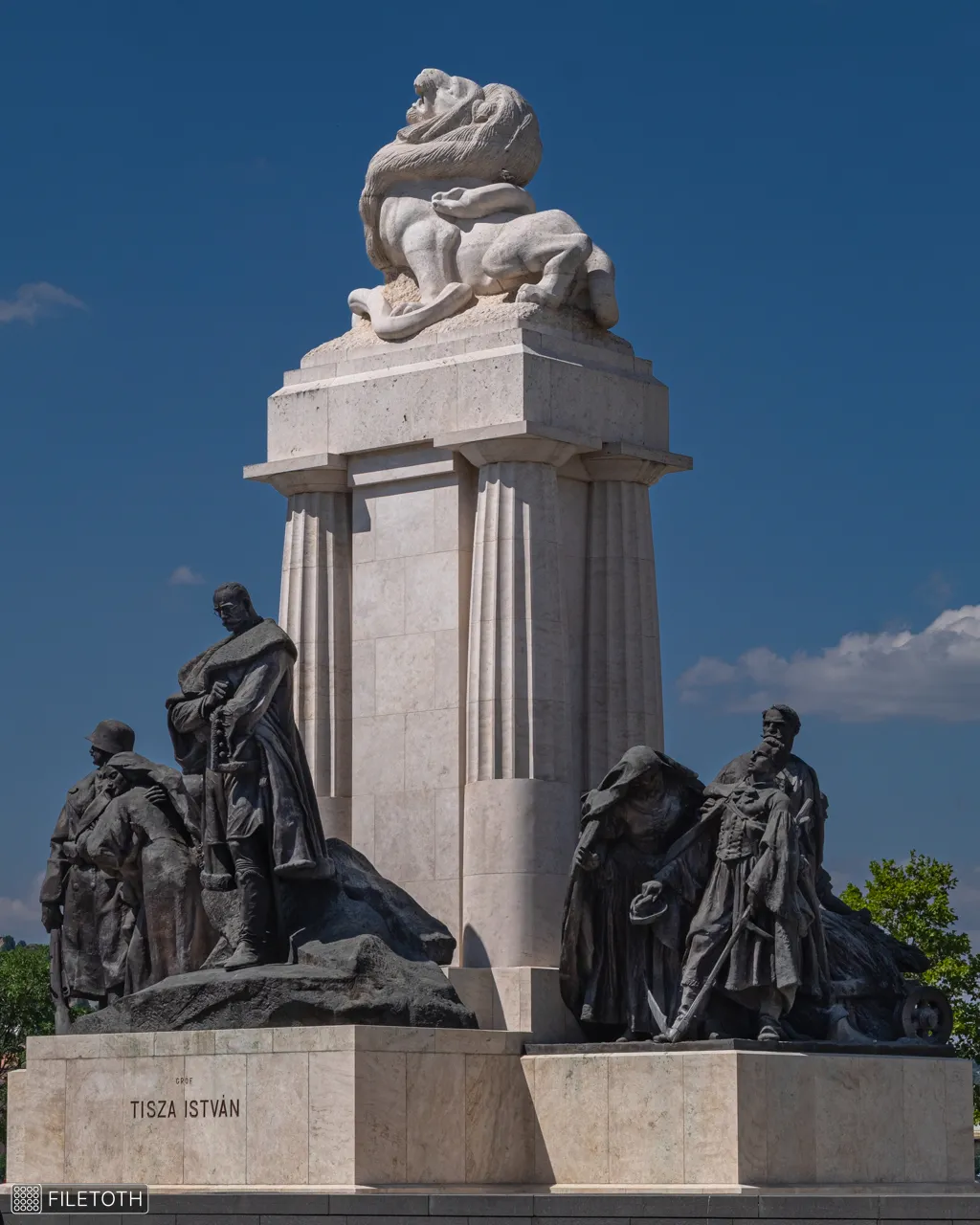
The István Tisza Memorial honors the Hungarian statesman István Tisza (1861–1918), Prime Minister of Hungary during the years leading up to and throughout much of the First World War. Surrounding the central figure are several allegorical sculptural groups representing the values and people of the nation. Among them, the figures of Work and Science form one of the monument's most thoughtful compositions, emphasizing that national progress depends upon both knowledge and productive labor.

Creation and historical context

Designed by György Zala with collaborators Antal Orbán, Ernő Foerk, and Imre Elek, the monumental memorial was unveiled on 22 April 1934. Rising above a light stone architectural setting, the bronze sculptures include groups representing farming families, soldiers, labor, and learning. In the allegory of Work and Science, the seated female figure holds an open book and a compass while the standing worker extends his left hand forward. Rather than pointing toward Science herself, the gesture directs attention outward, expressing the idea that knowledge finds its purpose through action.

Memorial by György Zala, Antal Orbán, Ernő Foerk and Imre Elek, unveiled on 22 April 1934. [ref.]
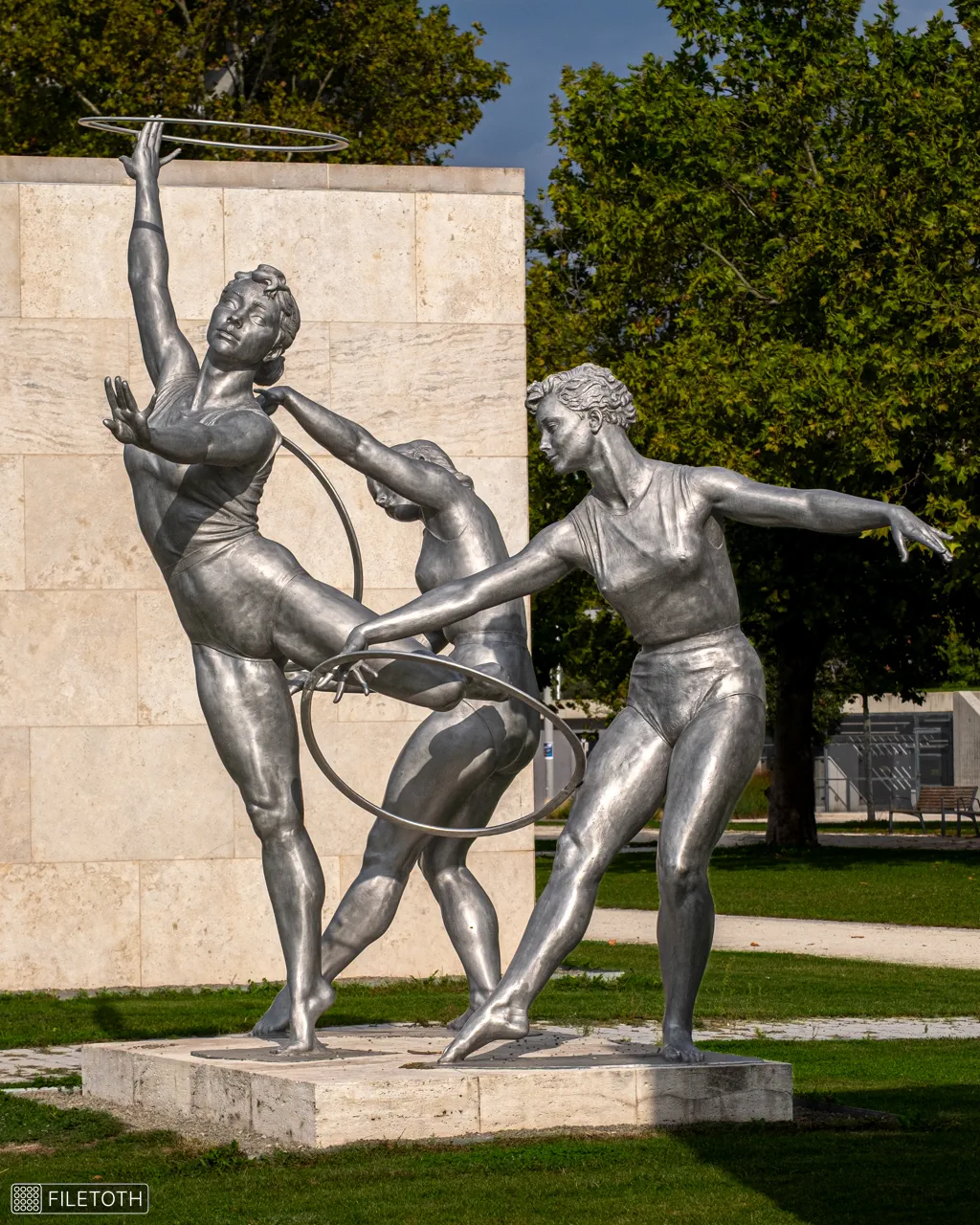
The Hand of Discipline

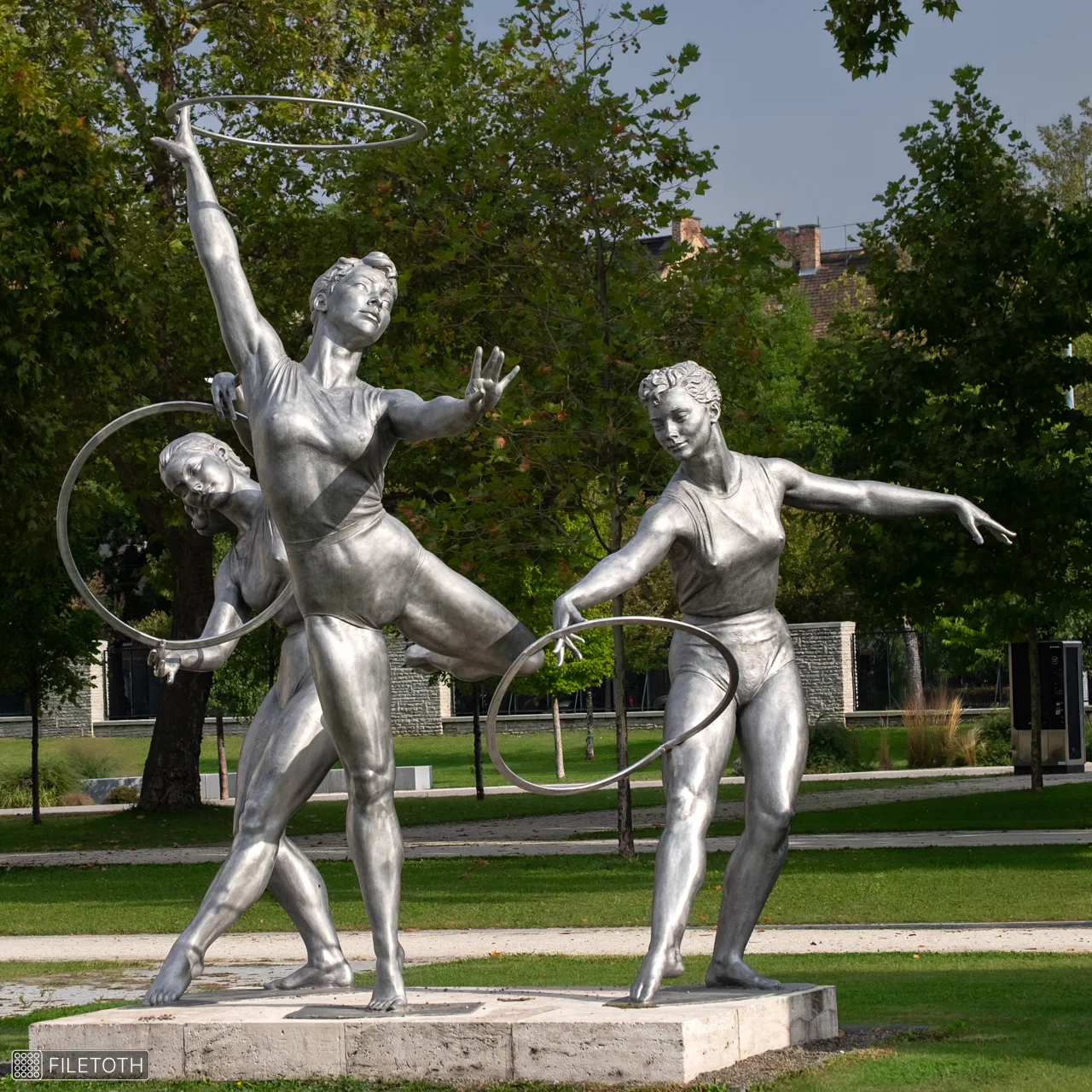
Gymnast Girls Statue

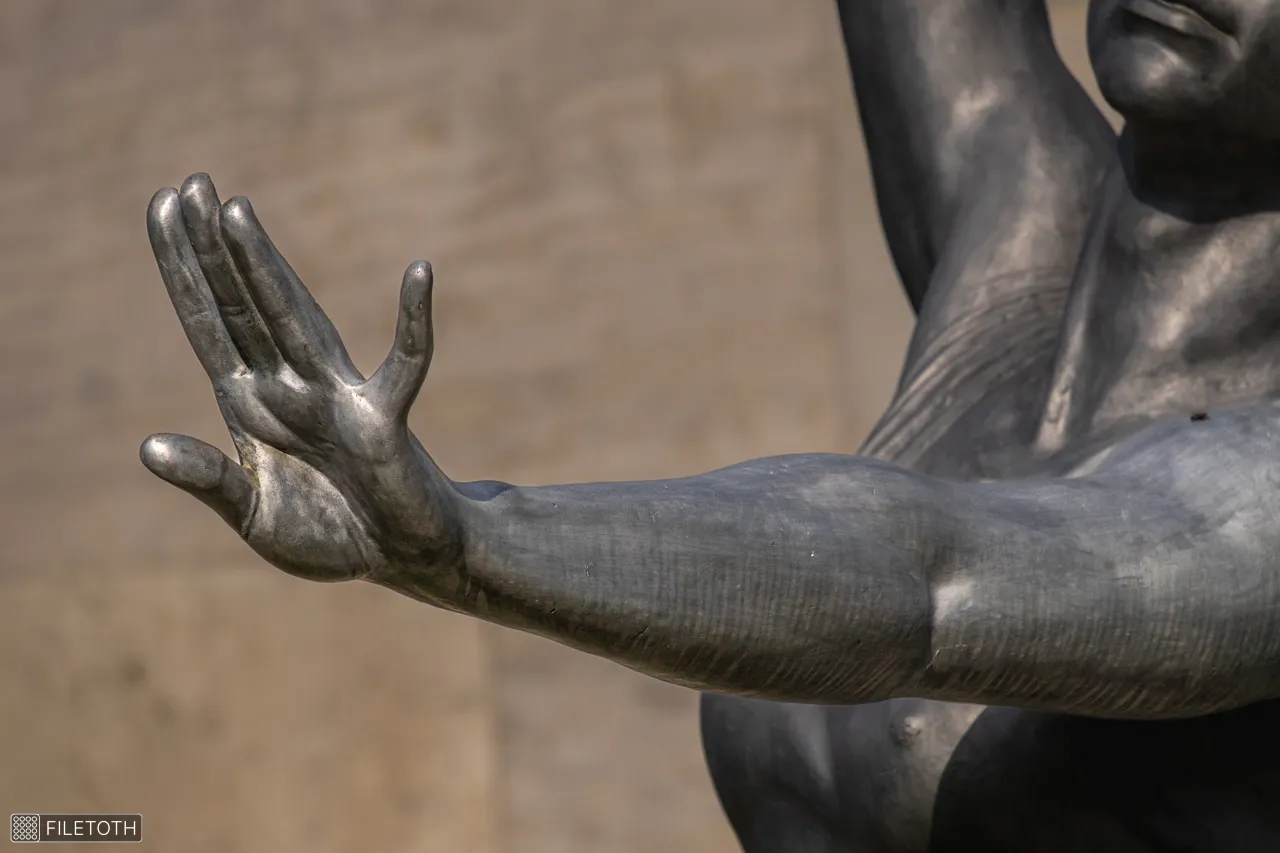
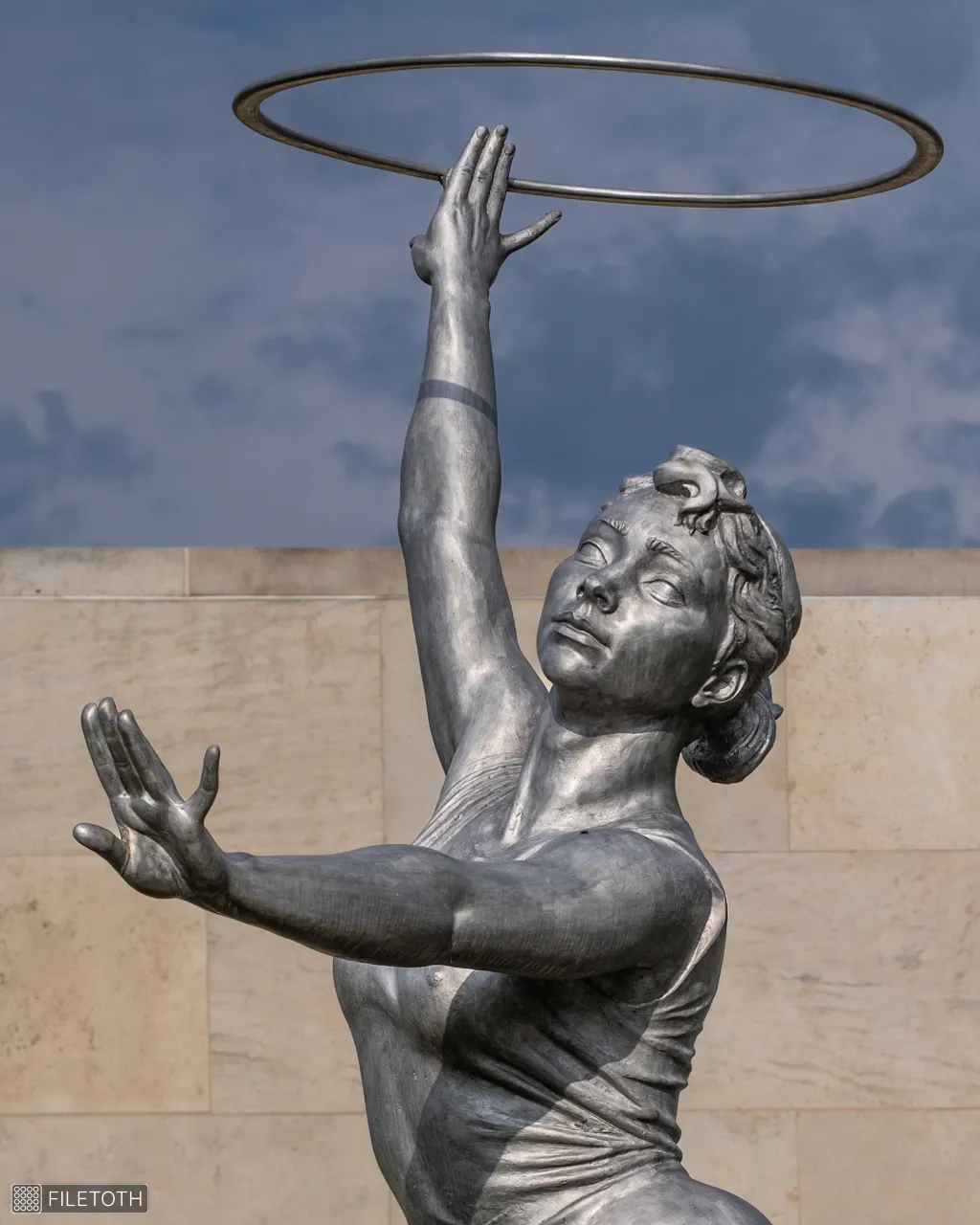
Close-up of a gymnast girl's hand.

Historical figure and era

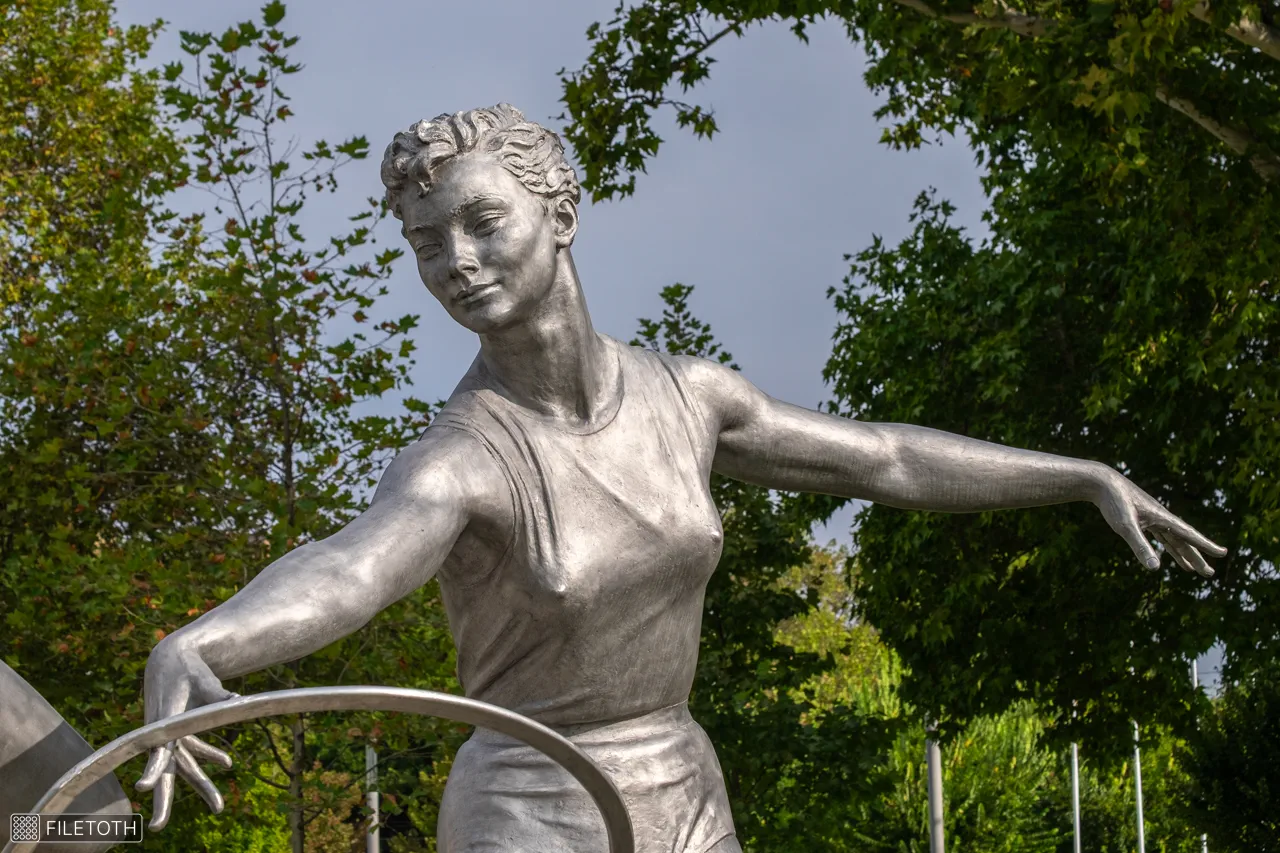
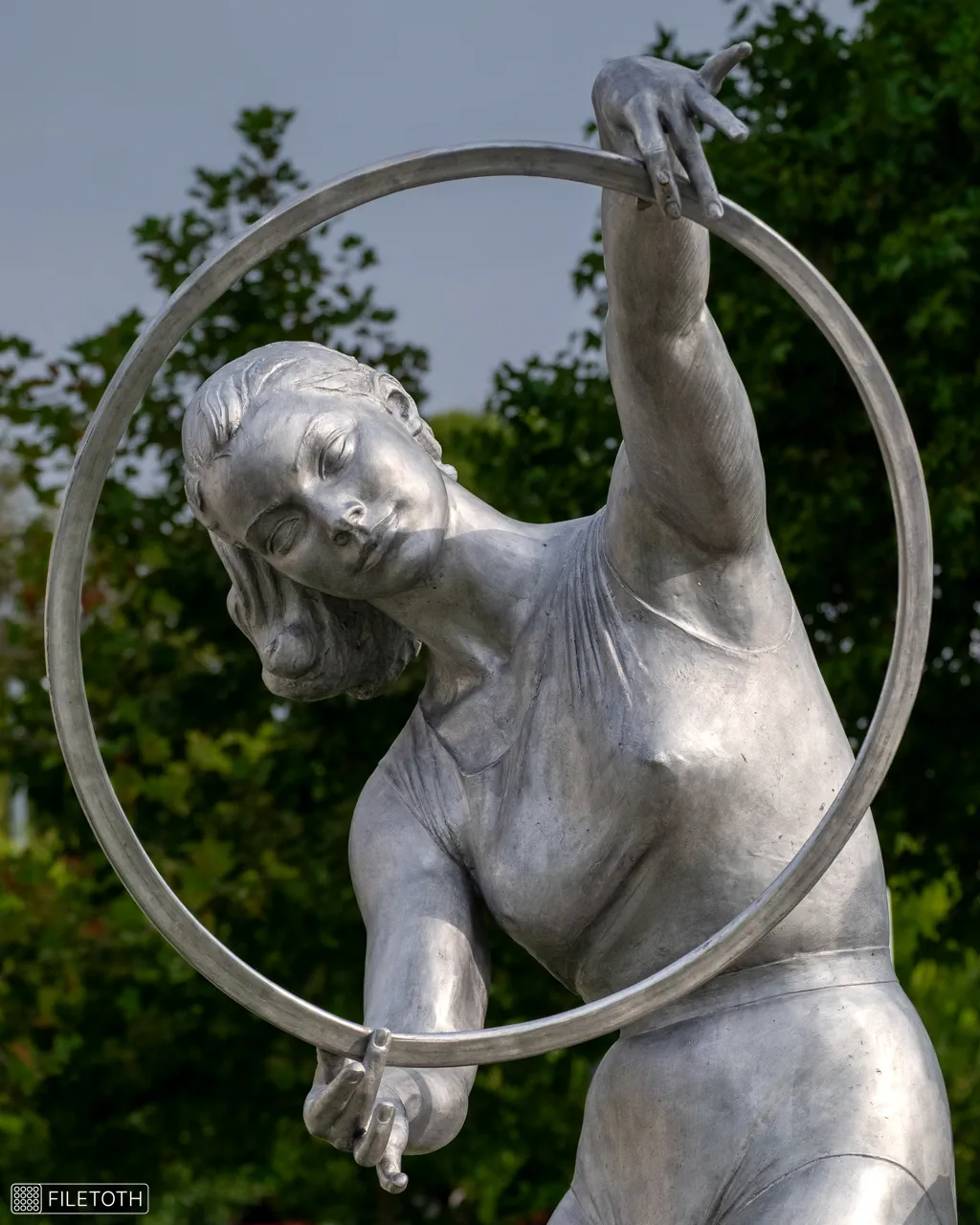
Dezső Győri (1908–1979) was a sculptor whose public works often followed official themes while maintaining a clear, naturalistic sense of movement and the human body. His 1958 group of gymnast girls captures a hoop routine in mid-motion. Graceful and energetic, the figures suggest everyday strength, coordination, and dedication rather than unattainable athletic perfection.

Creation and historical context

Installed in the Stadionkert beside the ceremonial avenue of sport sculptures at the former Népstadion, the work formed part of an open-air gallery celebrating movement and physical culture. Created at a time when sport played an important role in state ideology, the sculpture reflects both the optimism and the expectations of its era. Beyond its historical setting, the synchronized gestures quietly express the discipline, repetition, and perseverance through which skill is achieved.

Statue by Dezső Győri, 1958. [ref.]
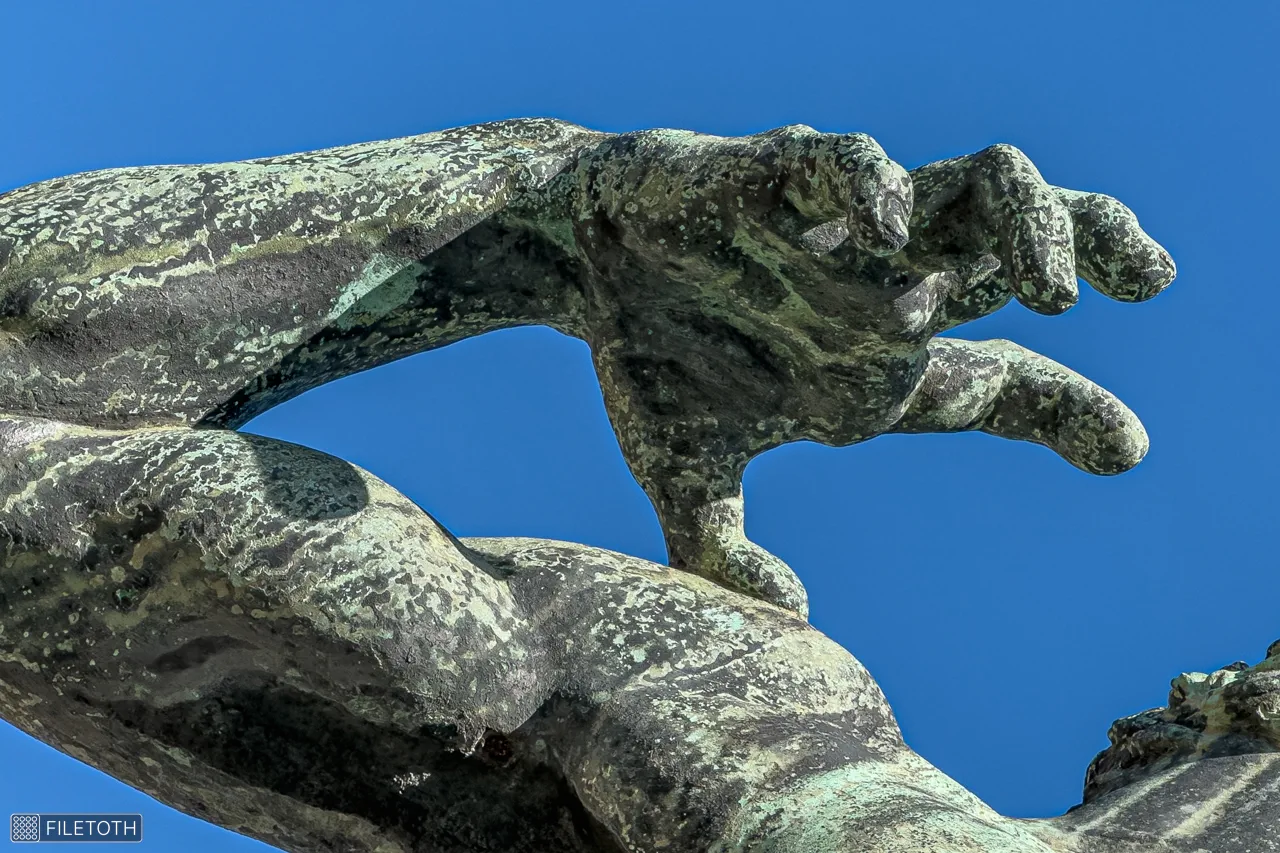
The Hand of Precision

Archer Statue

Close-up of the archer's drawing hand.

Historical figure and era

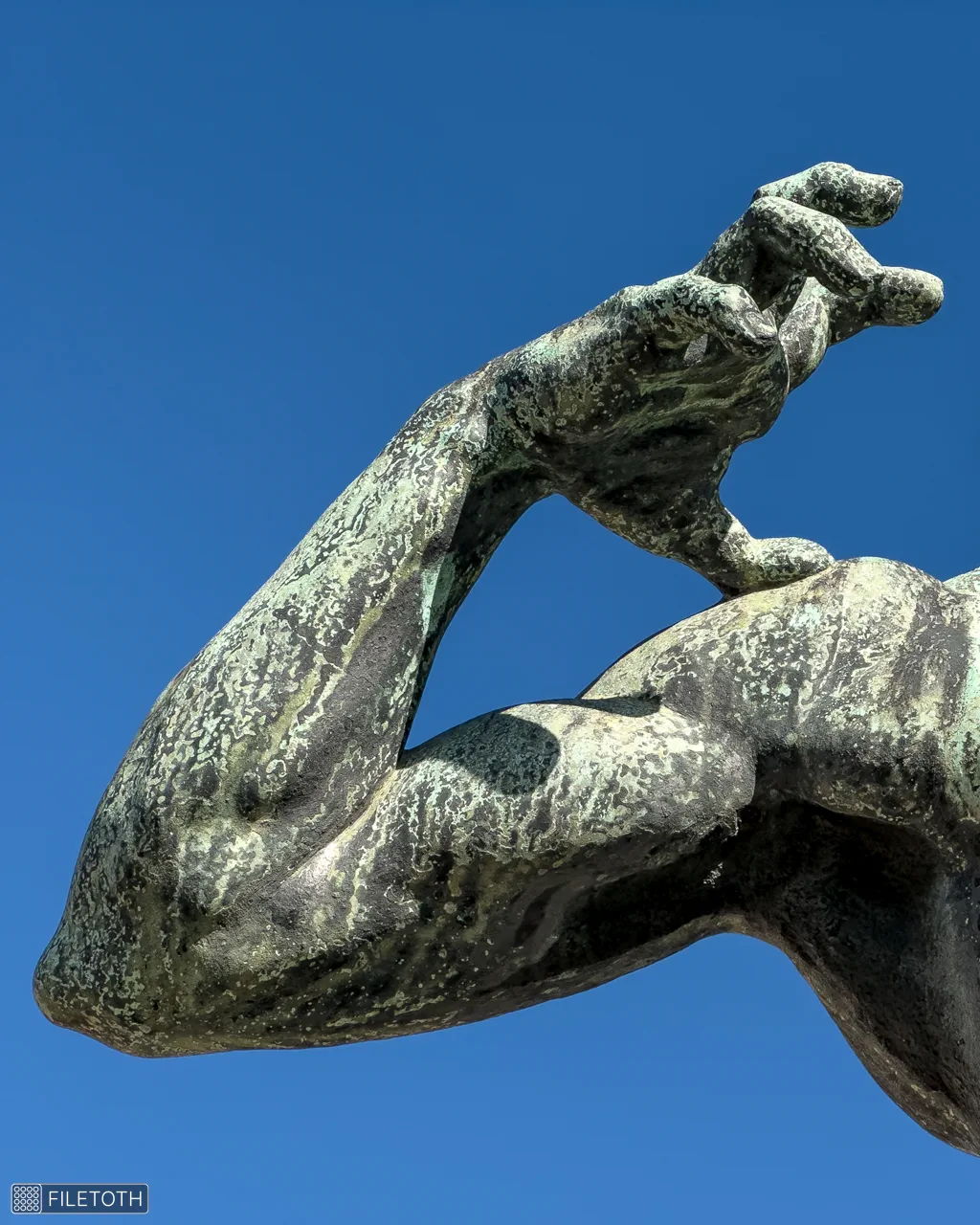
The Archer embodies the ideals of precision, concentration, and disciplined physical control that resonated with the cultural climate of the 1920s. The bronze figure captures the suspended instant before release, when body, mind, and movement are brought into perfect alignment.

Creation and historical context

Sculpted by Zsigmond Kisfaludi Strobl in 1925, the work combines exceptional anatomical observation with a remarkable sense of movement. Created at a time when athletic forms and classical ideals symbolized modern aspirations, the statue presents strength as something governed by discipline rather than force alone. The drawn bow and carefully positioned hands transform a fleeting moment into a timeless study of concentration, balance, and precision.

Statue by Zsigmond Kisfaludi Strobl, 1925. [ref.]
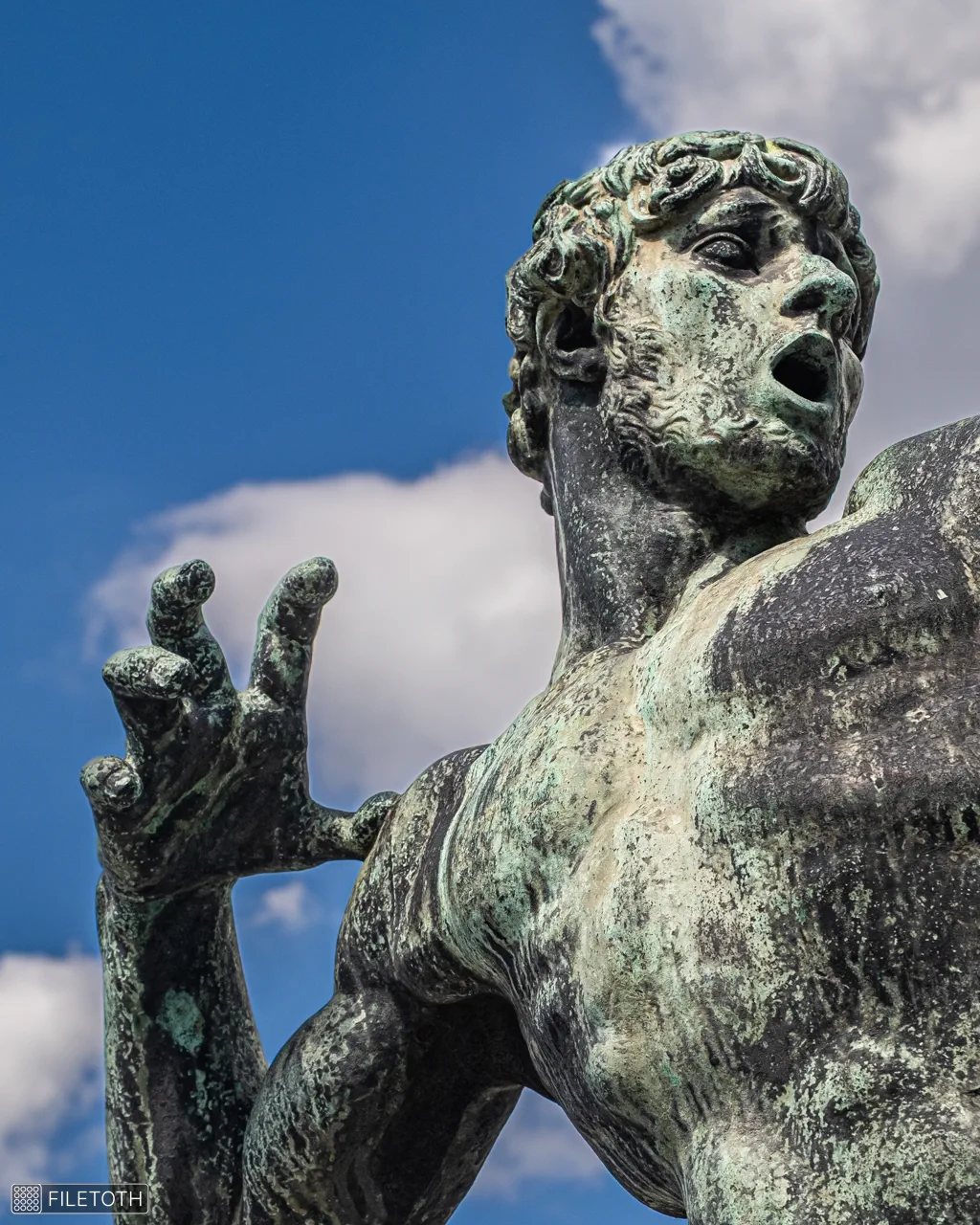
The Hand of Innovation

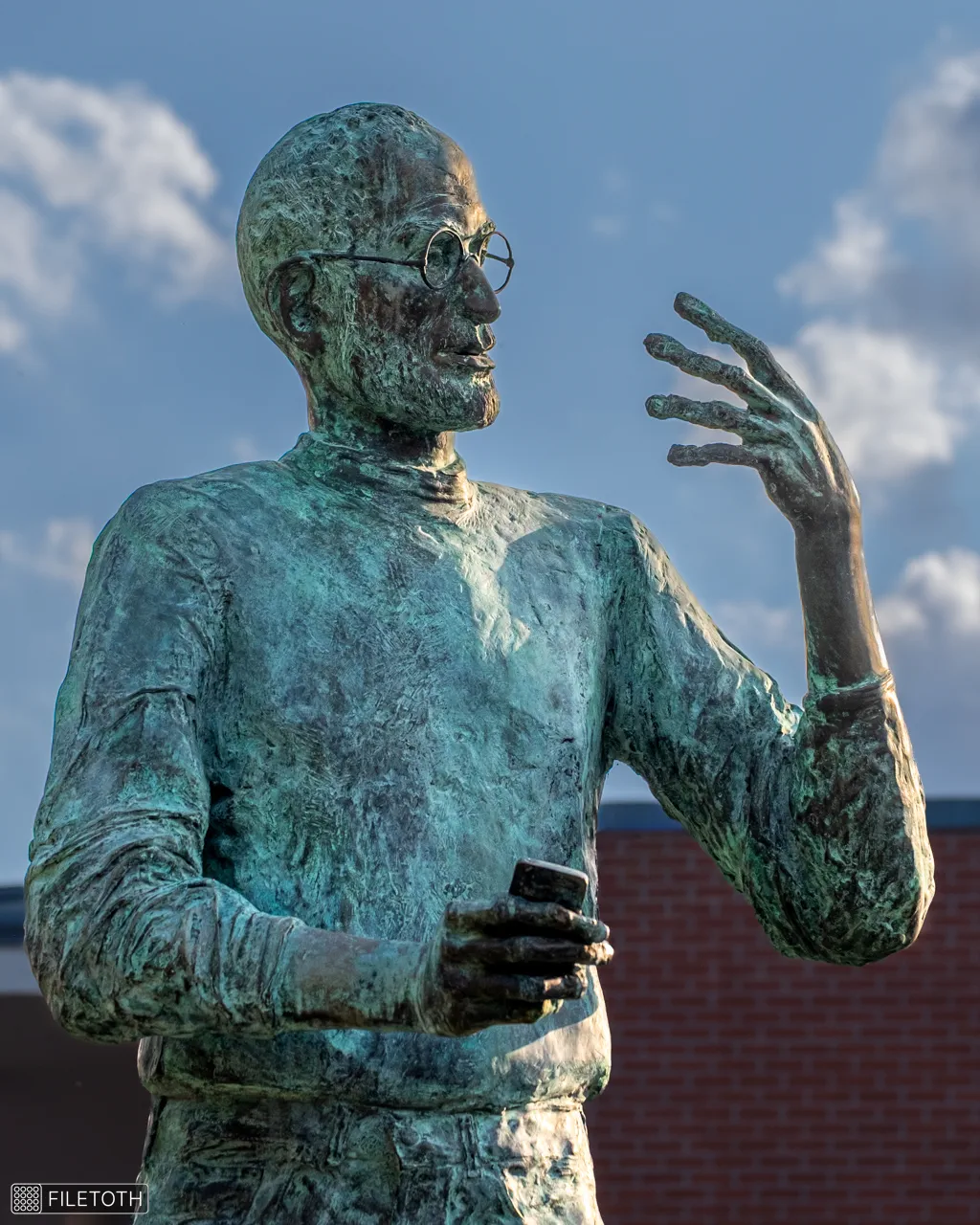
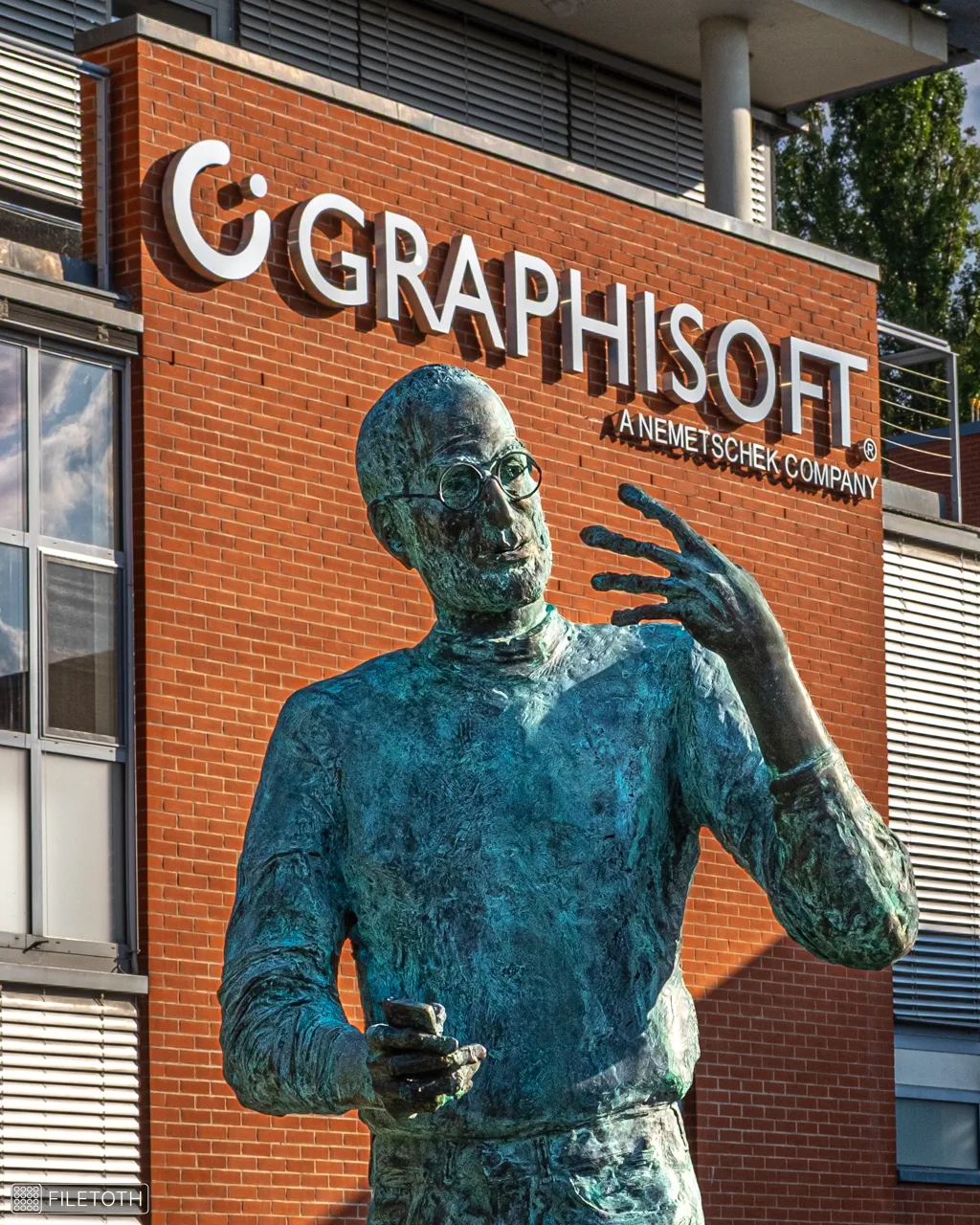
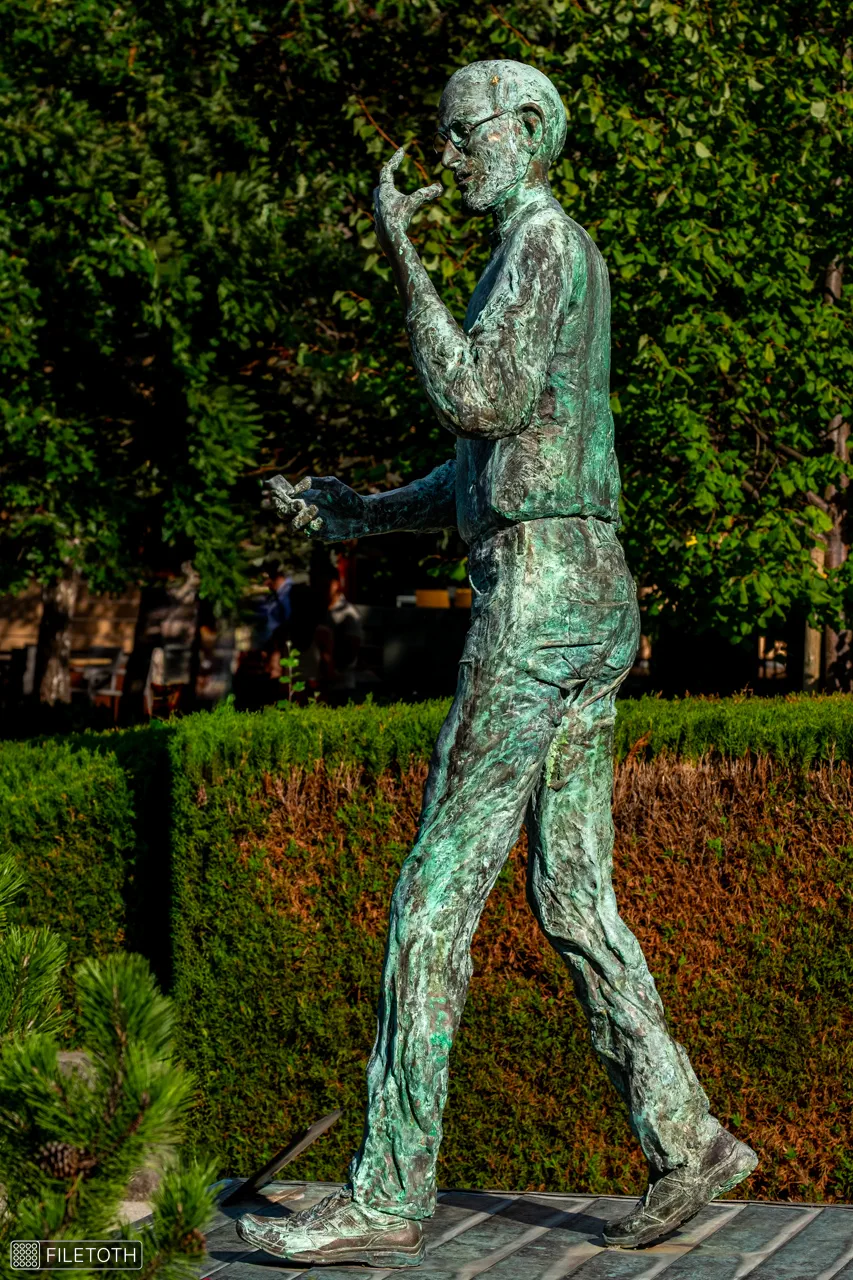
Steve Jobs Statue

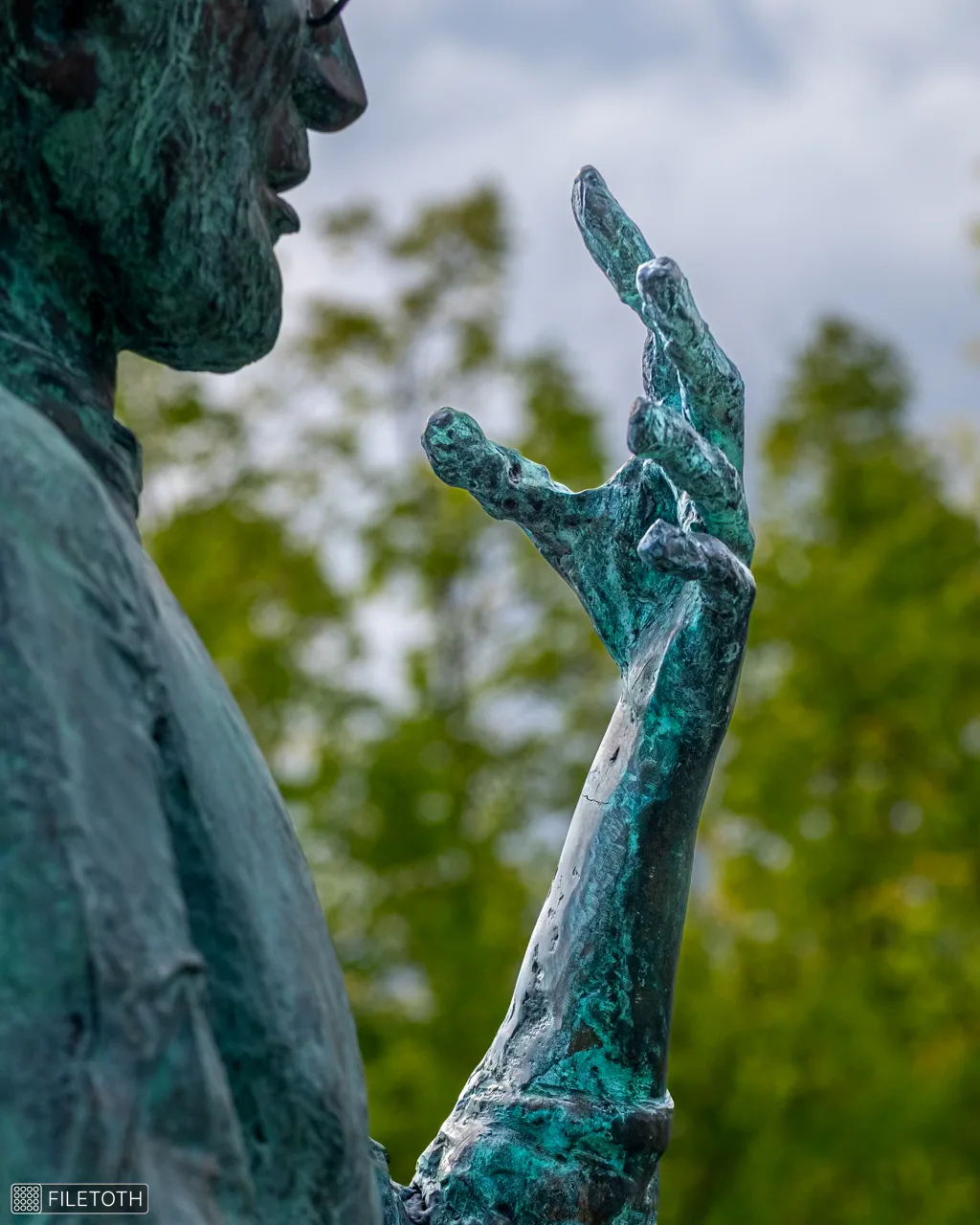
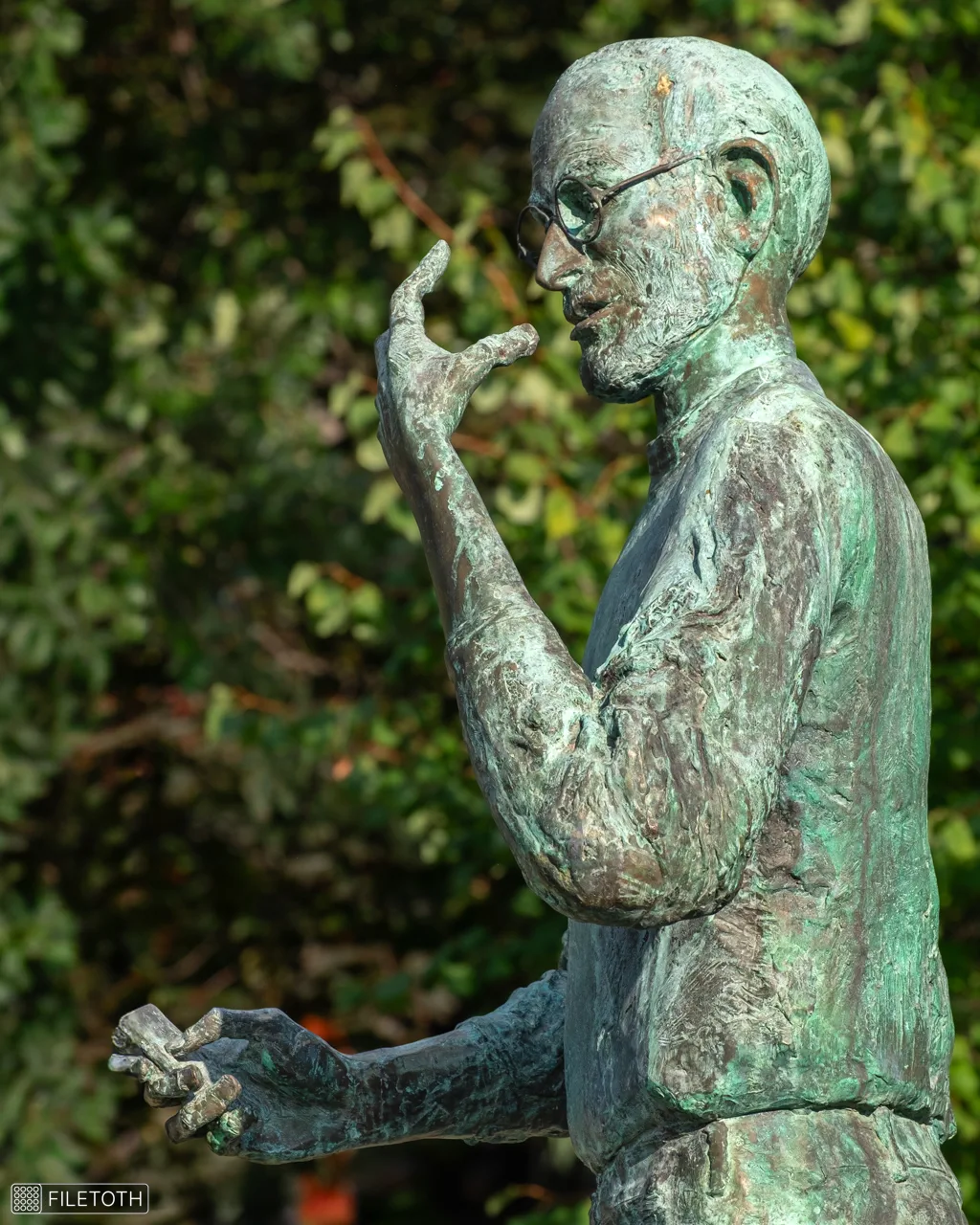
Close-up of Steve Jobs's hand holding the first iPhone.

Historical figure and era

Steve Jobs (1955–2011) was a visionary innovator and co-founder of Apple who played a central role in creating products such as the iPhone, transforming technology, industrial design, and everyday communication. His commitment to simplicity, integration, and user-centered design helped define the character of the digital age and continues to influence designers, engineers, and entrepreneurs around the world.

Creation and historical context

Ernő Tóth's 2011 statue, unveiled shortly after Jobs's death, portrays him in his characteristic forward-stepping pose, emphasizing gesture and presence over strict portrait realism. Installed in the Graphisoft Park, the sculpture reflects Budapest's place within the global technology community. The outstretched hand suggests both presentation and invitation, as though introducing the next idea before it exists. Here, innovation emerges not as a single breakthrough, but as the continuous refinement of vision, technology, and human experience.

Statue by Ernő Tóth, December 21, 2011. [ref.]
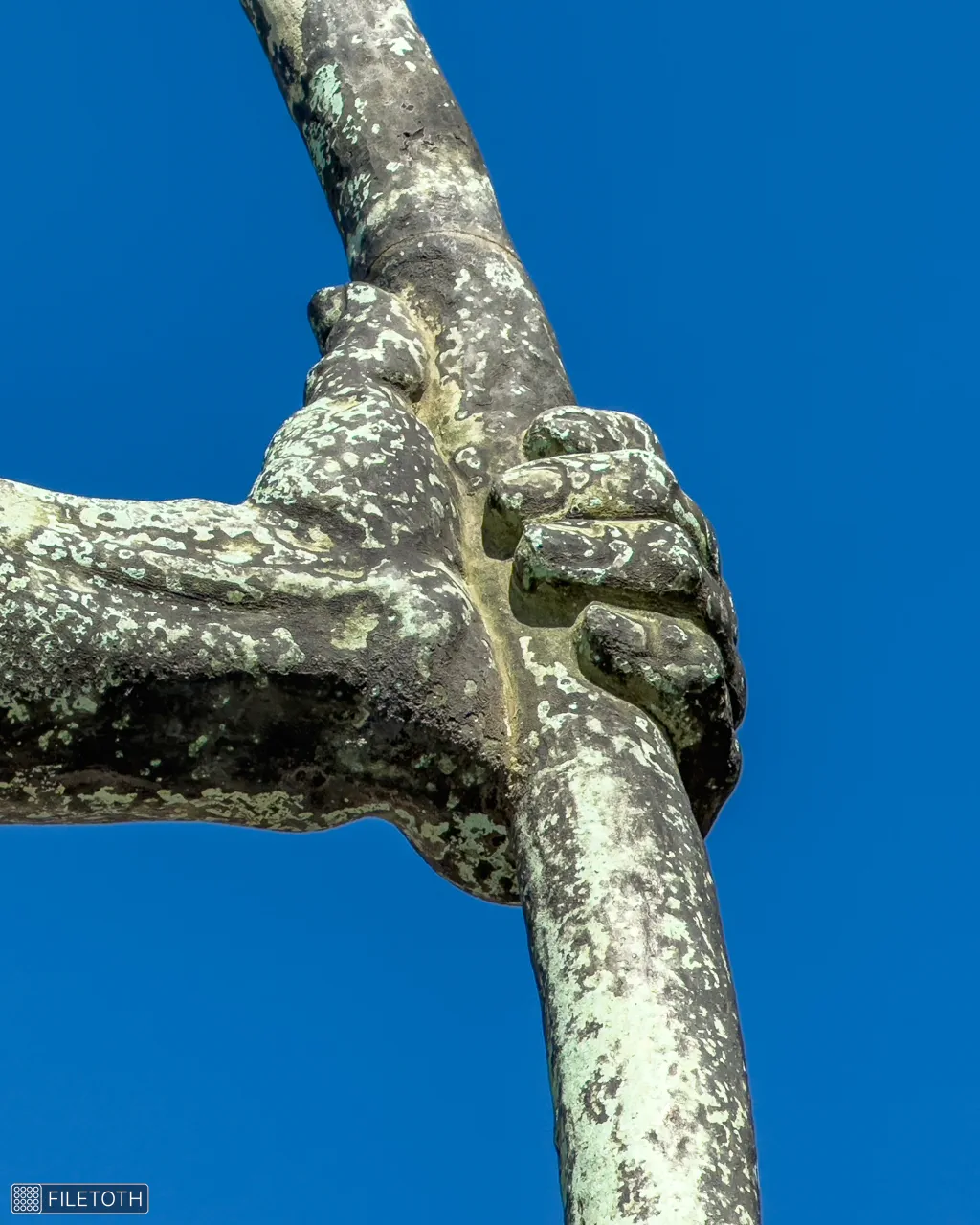
The Hand of Argument

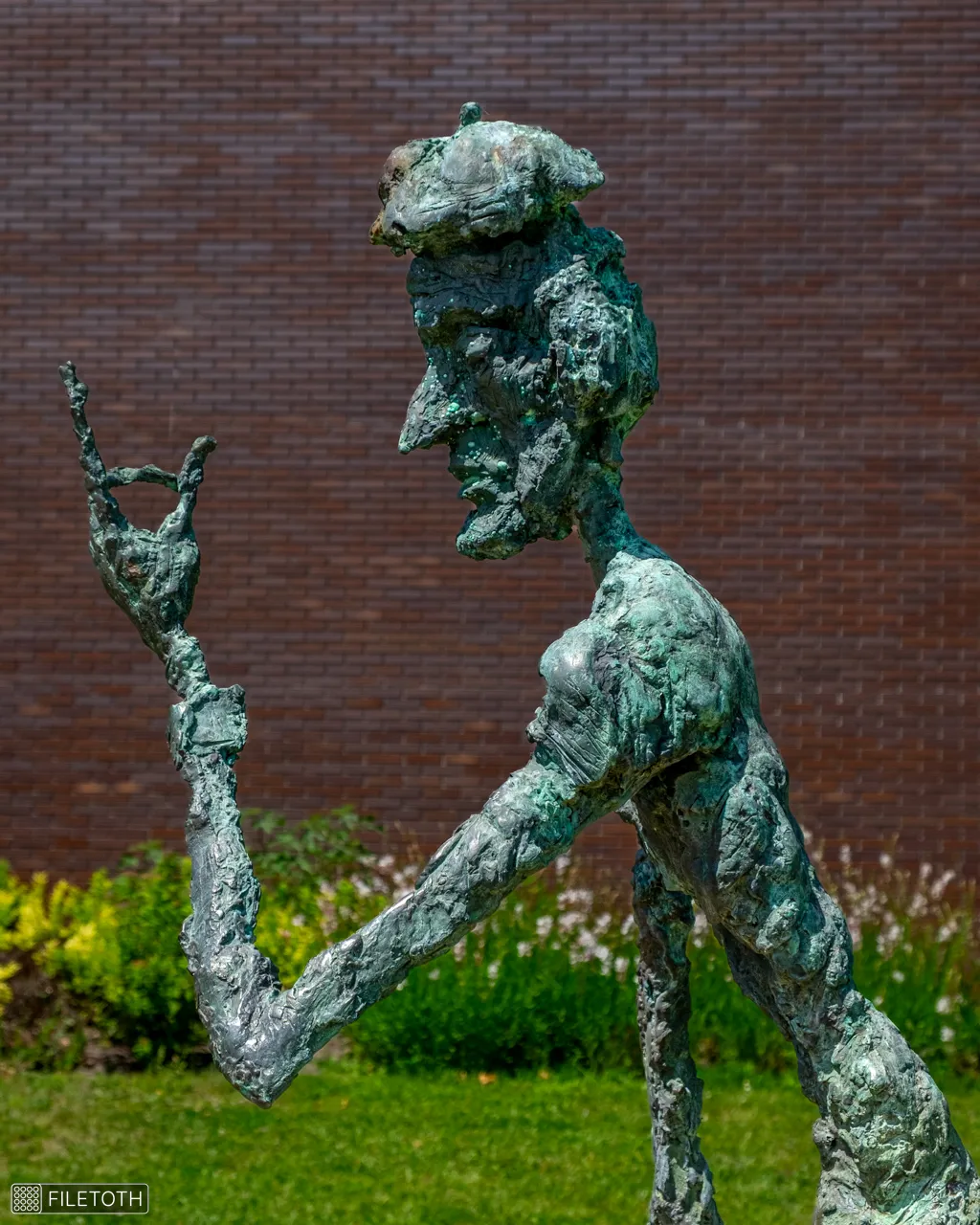
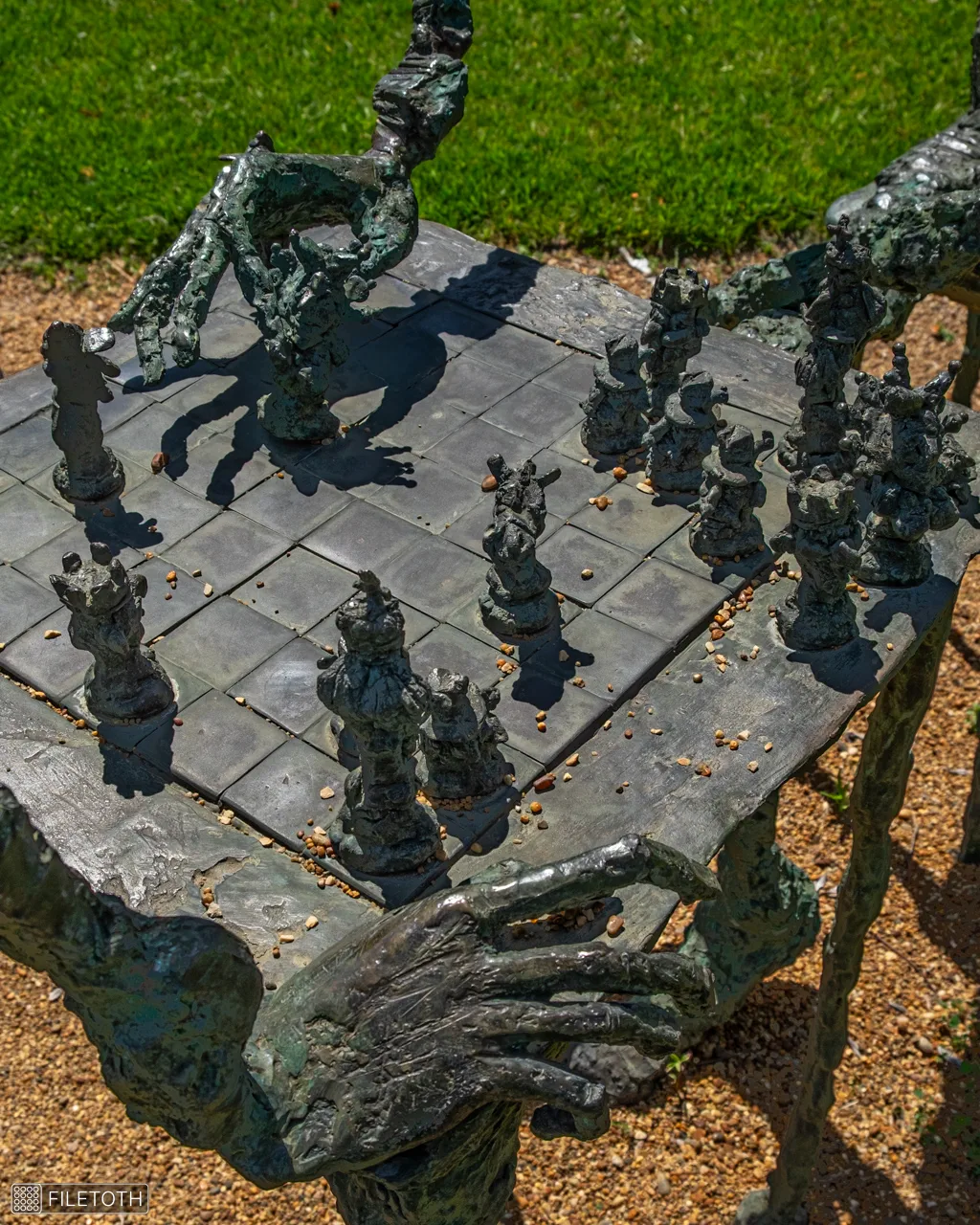
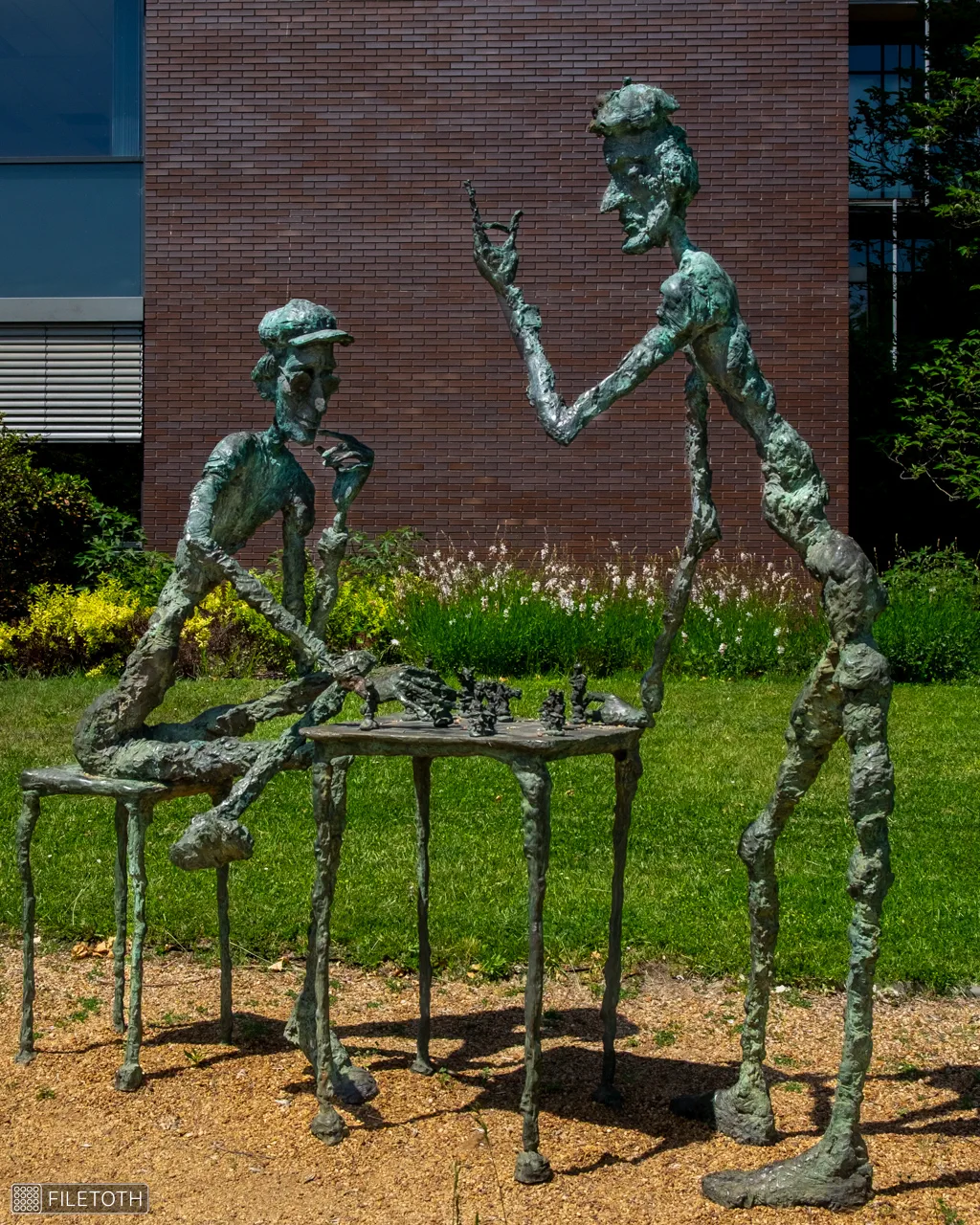
Chess Players Statue

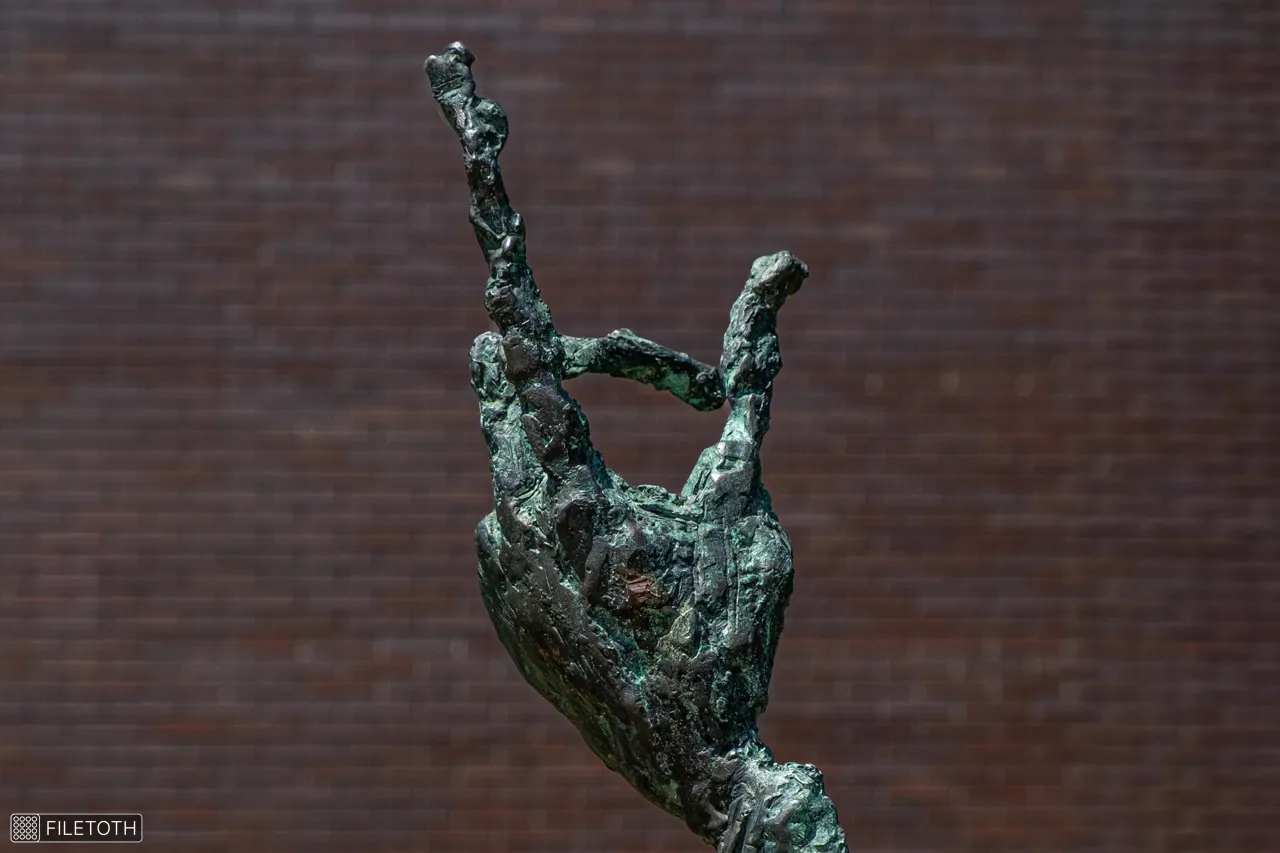
Close-up of the chess master's hand.

Historical figure and era

The statue portrays a chess master and his pupil absorbed in a tense endgame. Rather than depicting historical individuals, the clown-like figures celebrate Budapest's enduring chess culture, where the game has long been played in parks, cafés, baths, and public squares as both a social pastime and an intellectual challenge.

Creation and historical context

Ernő Tóth's bronze group, completed in 2010, belongs to a generation of human-scale public sculptures that invite direct interaction. Set directly on the gravel path instead of a pedestal, it presents a genuine chess endgame with two pieces lying on the ground, transforming strategic calculation into an animated disagreement. Visitors naturally find themselves choosing sides as the master's pointing hand, the pupil's concentration, and the scattered pieces bring the invisible drama of chess into physical space.

Statue by Ernő Tóth, 2010. [ref.]
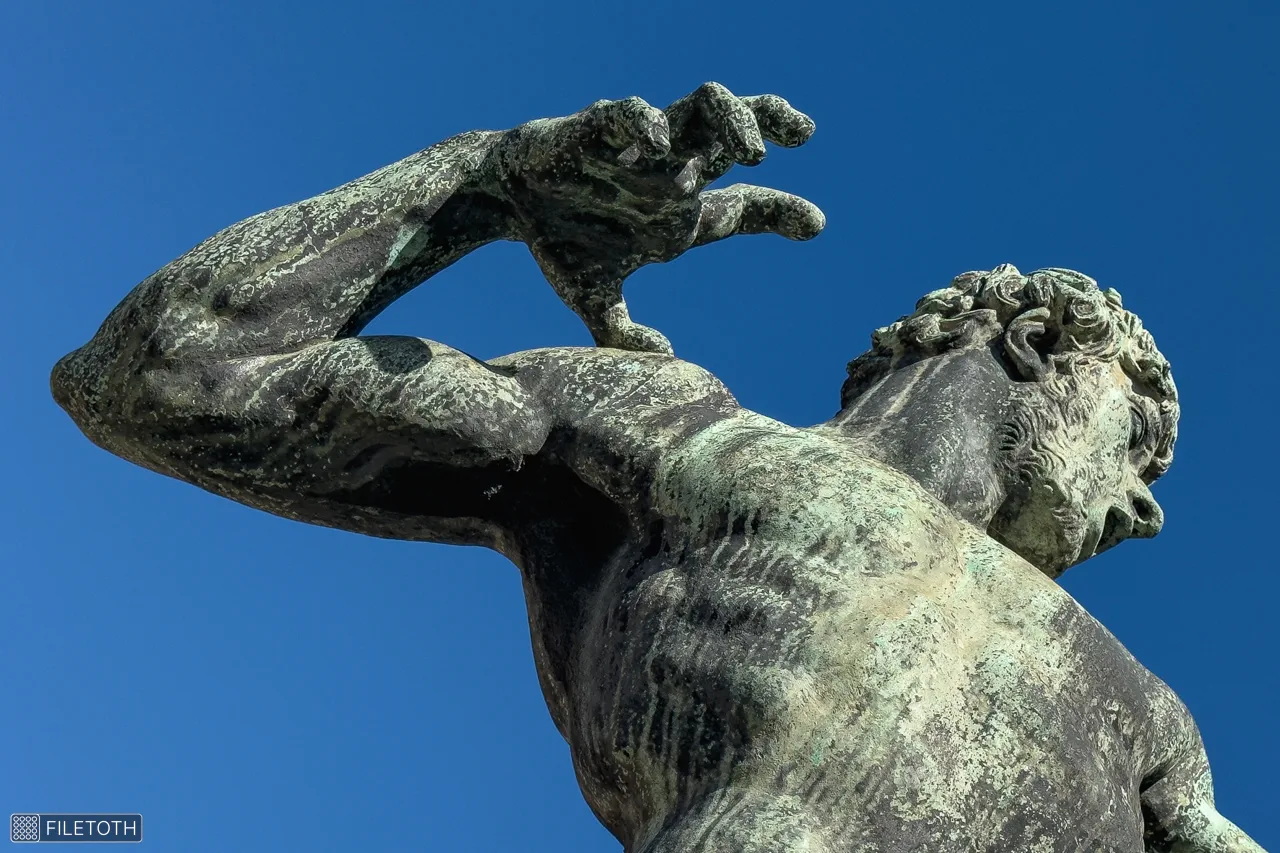
The Hand of Loyalty

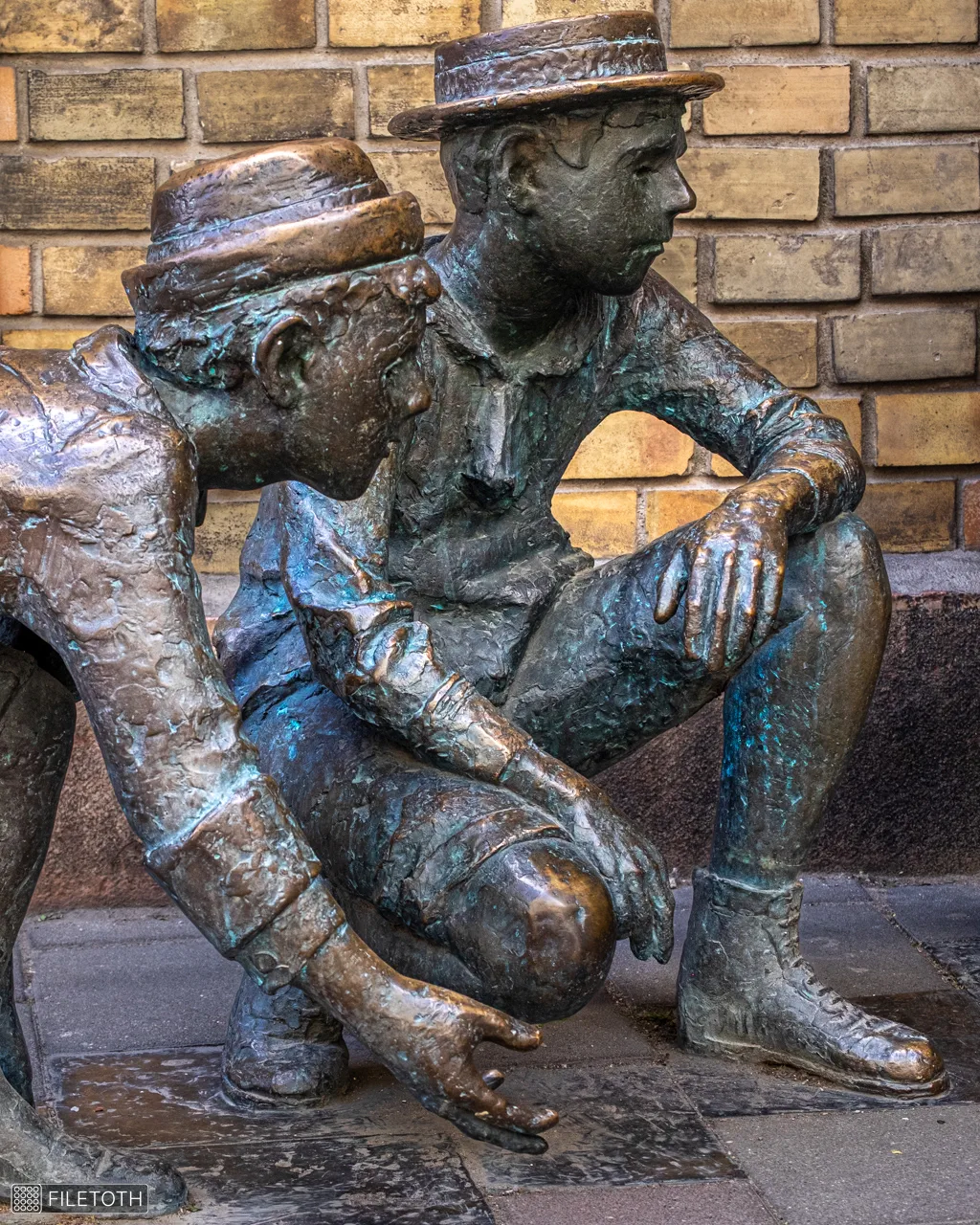
The Paul Street Boys Statue

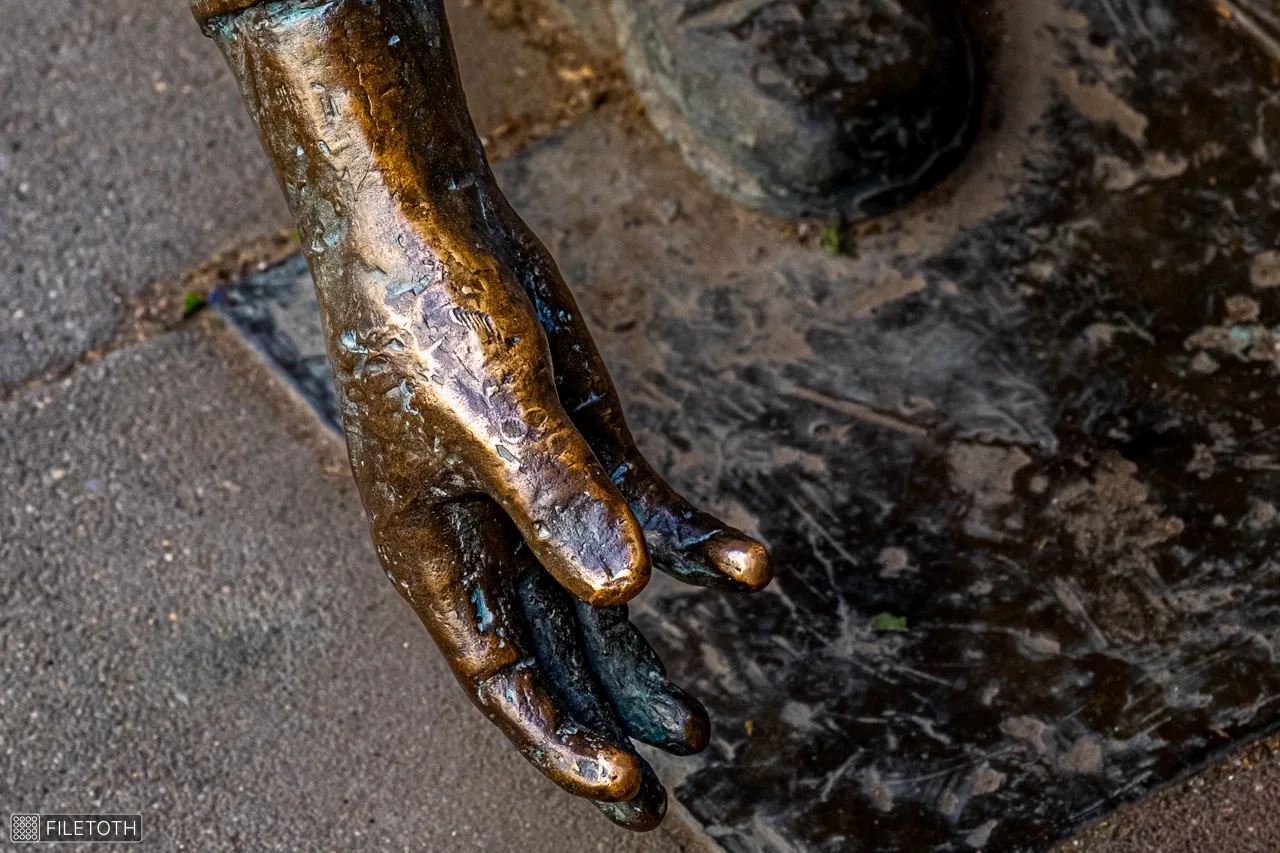
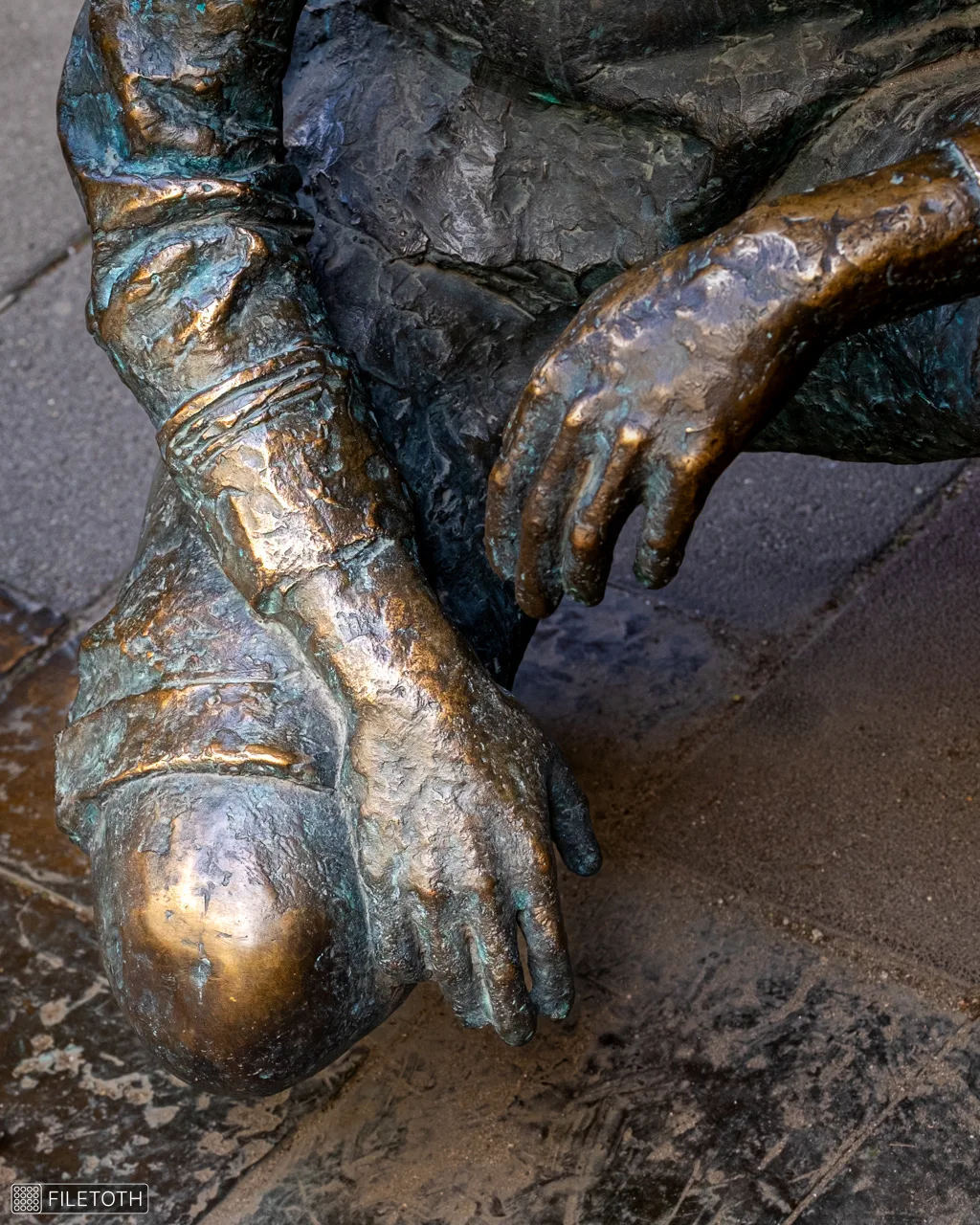
Close-up of Ernő Nemecsek's hand.

Historical figure and era

The Paul Street Boys statue brings to life the unforgettable characters of Ferenc Molnár's 1906 novel, in which a group of Budapest schoolboys defend their beloved playground—the grund—as though it were their homeland. Set in a rapidly modernizing city, the story explores friendship, loyalty, courage, and the first encounters with responsibility and loss.

Creation and historical context

Péter Szanyi's bronze group, unveiled in 2007 near the novel's original setting, places the boys directly on the pavement, allowing today's visitors to step naturally into their world. Captured in conversation and play, the figures recreate the novel's delicate balance of strategy, rivalry, imagination, and friendship. Their small community mirrors the larger society around them, where belonging is earned through trust, loyalty, and shared experience.

Statue by Péter Szanyi, September 28, 2007. [ref.]
The Hand of Grace

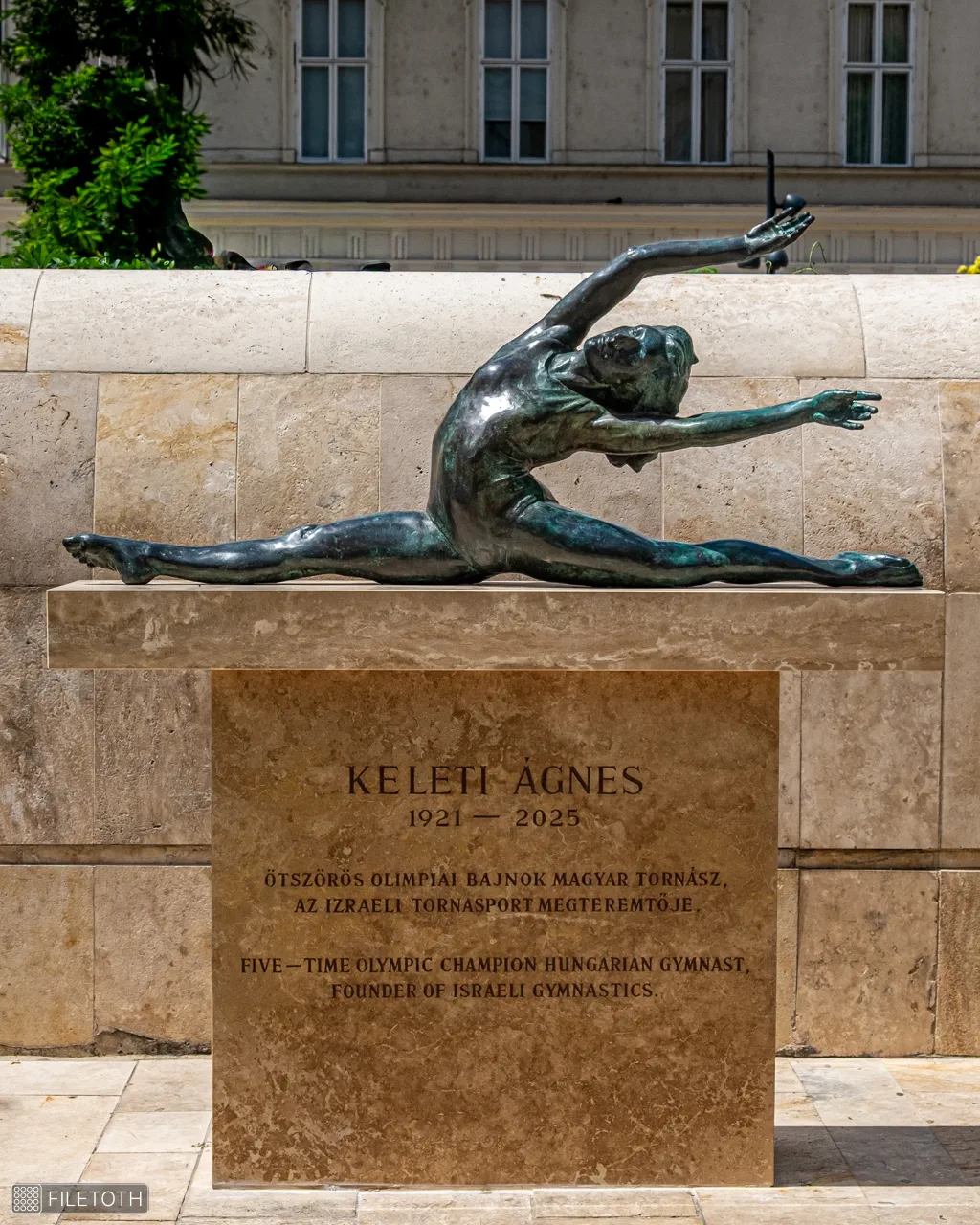
Ágnes Keleti Statue

Close-up of Ágnes Keleti's left hand.

Historical figure and era

Ágnes Keleti (1921–2025) was a Hungarian–Israeli artistic gymnast, Holocaust survivor, coach, and the most decorated Hungarian female Olympian, winning ten Olympic medals, including five golds. Her remarkable life came to symbolize not only sporting excellence but also resilience, renewal, and the enduring connection between Budapest and Israel.

Creation and historical context

Márk Lelkes's bronze statue, unveiled in 2026 shortly after Keleti's death at the age of 104, portrays the Olympic champion in a full split, recalling both the elegance of mid-twentieth-century artistic gymnastics and the extraordinary longevity that made her an admired public figure. Installed near her former home, the sculpture brings an exceptional international career into the intimate scale of everyday Budapest, where athletic achievement becomes part of local memory.

Statue by Márk Lelkes, March 30, 2026. [ref.]
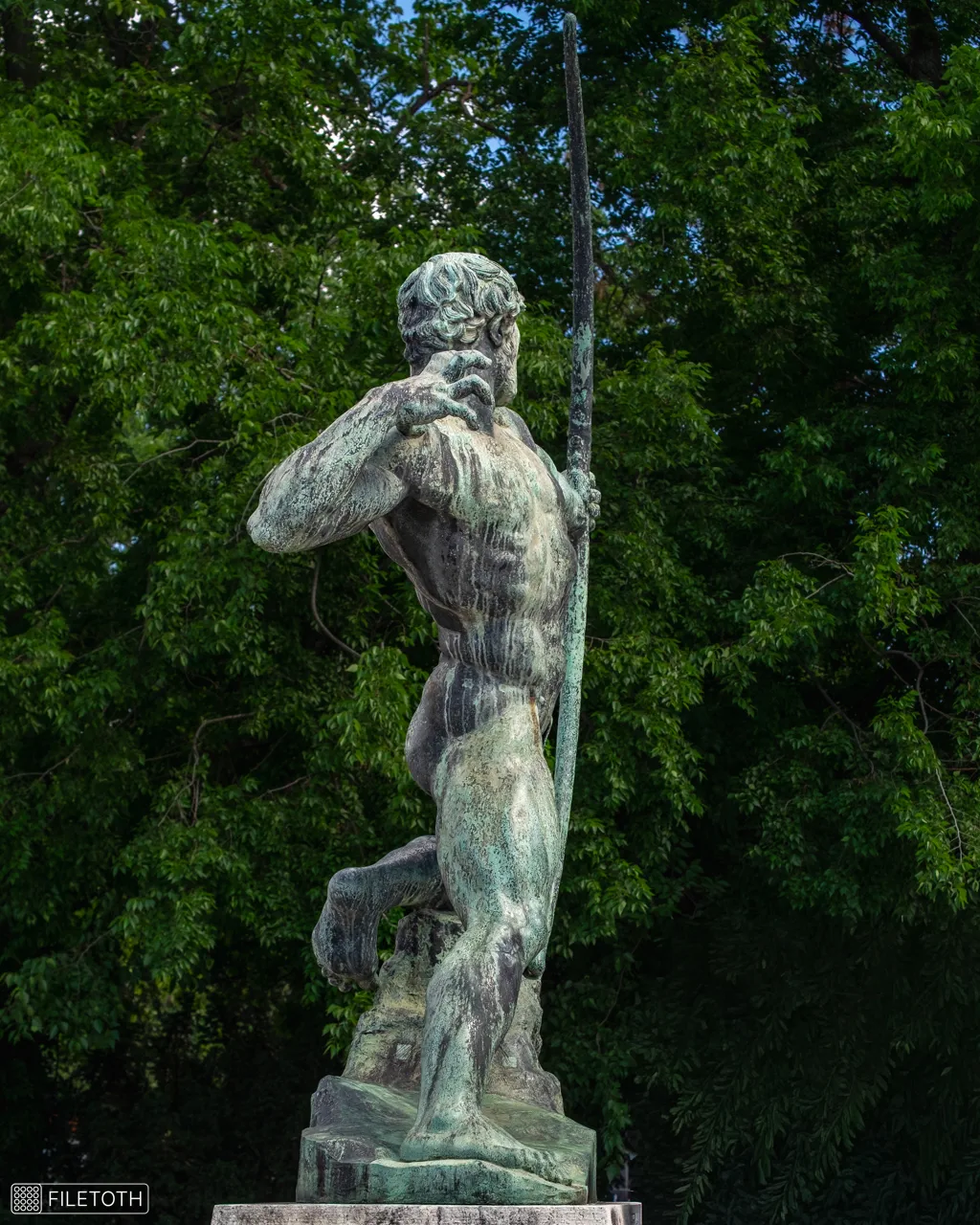
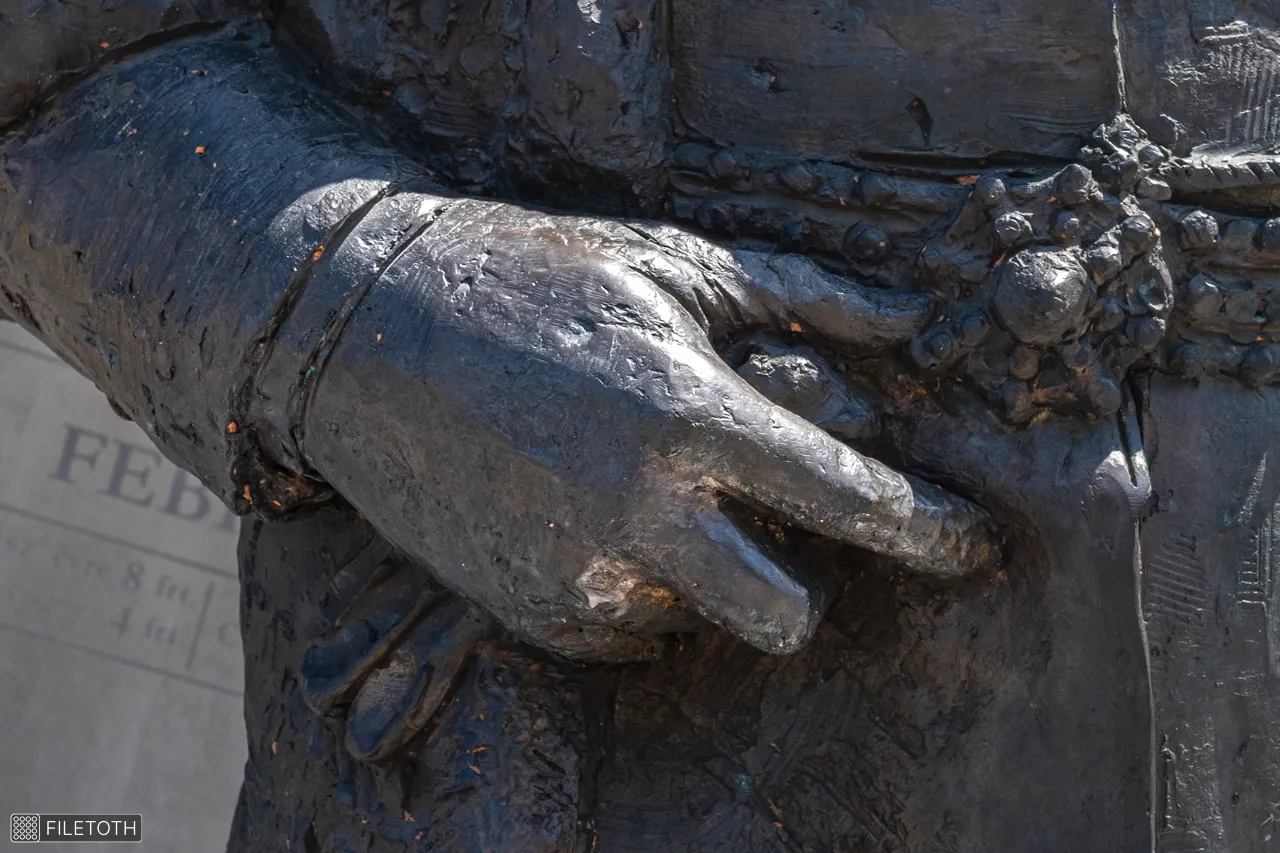
The Hand of Stability

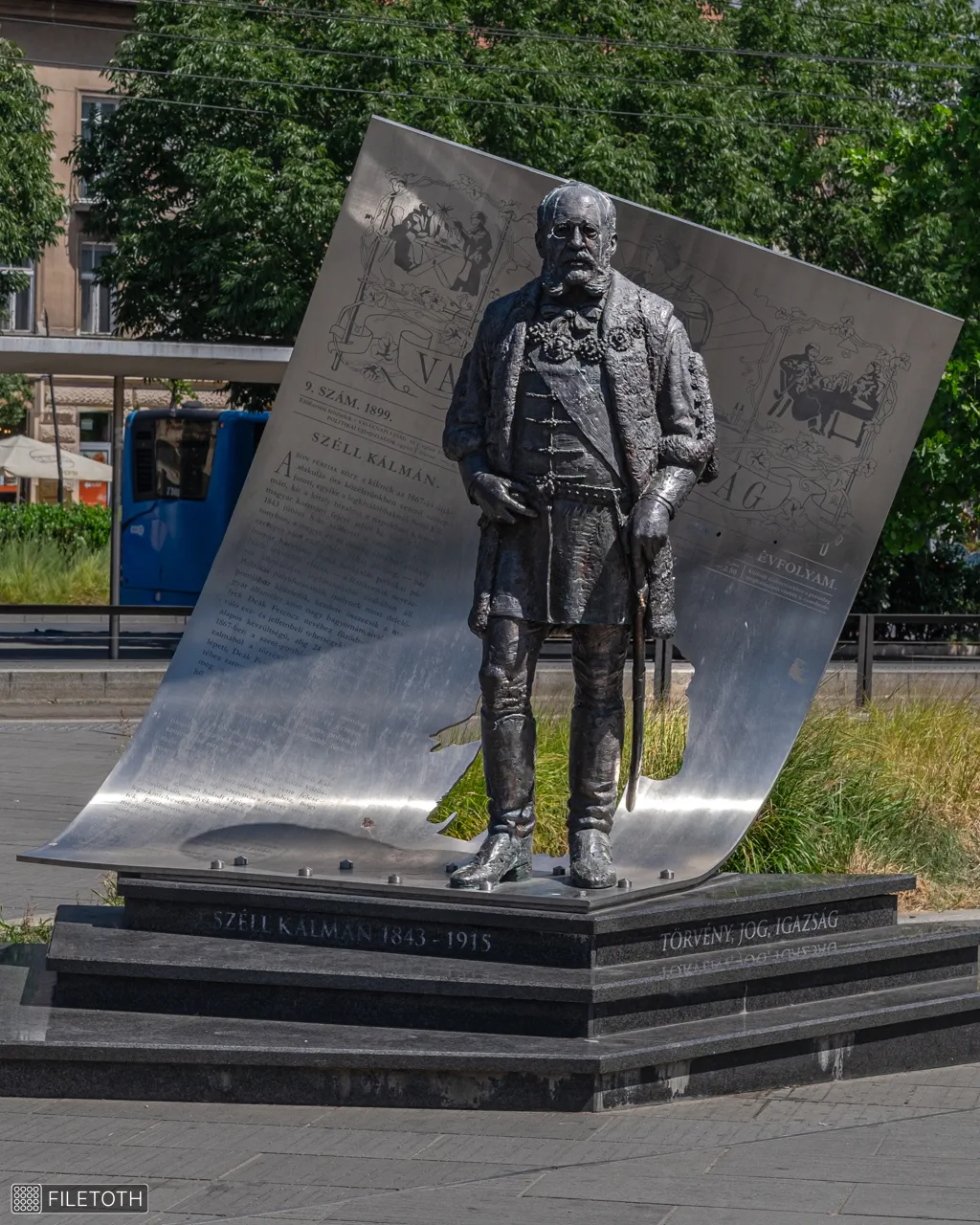
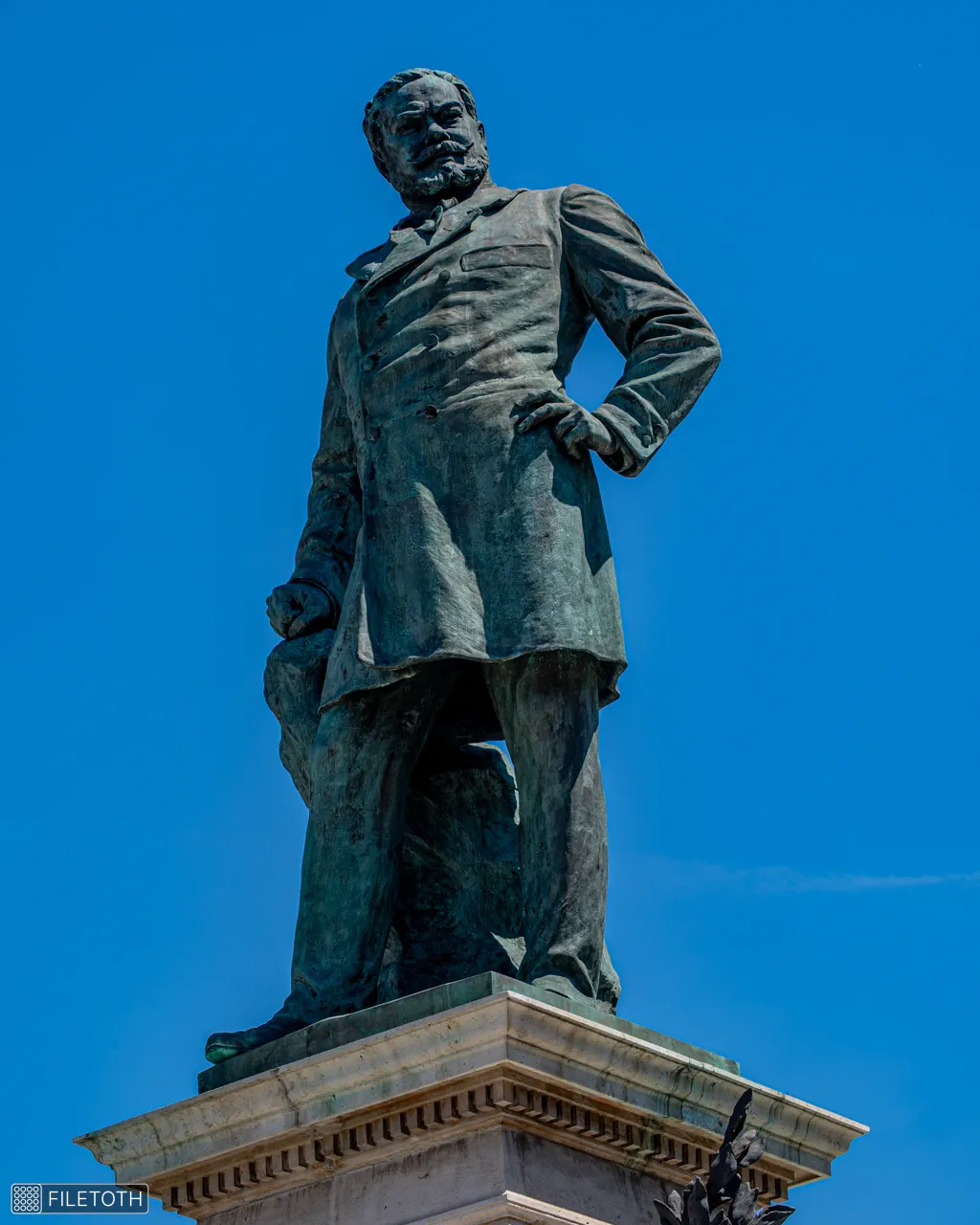
Kálmán Széll Statue

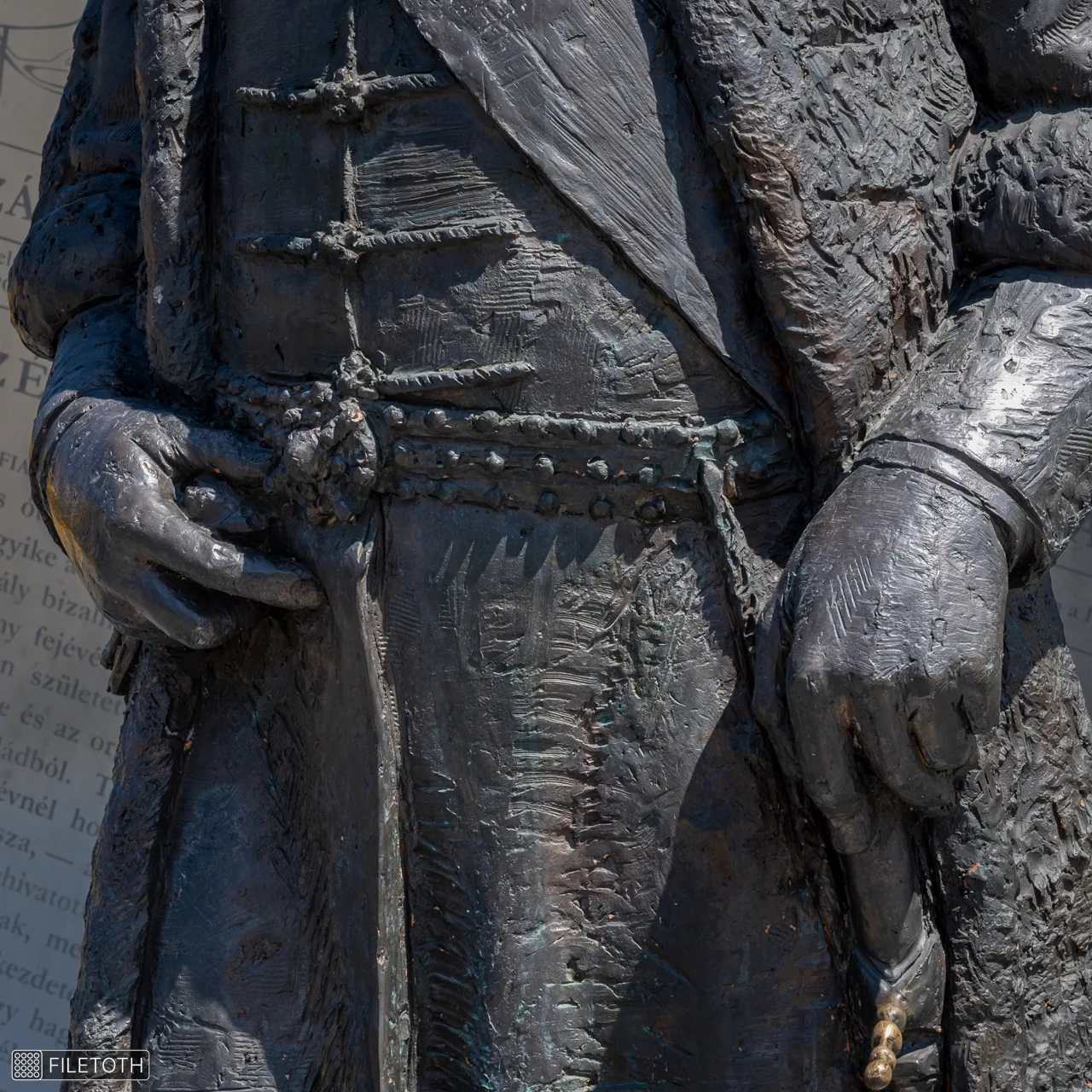
Close-up of Kálmán Széll's right hand resting on his belt.

Historical figure and era

Kálmán Széll (1843–1915) was a Hungarian politician who served first as Minister of Finance and later as Prime Minister of the Kingdom of Hungary between 1899 and 1903. Respected for his careful financial policies and pragmatic leadership, he became closely associated with political stability and administrative reform at the turn of the twentieth century.

Creation and historical context

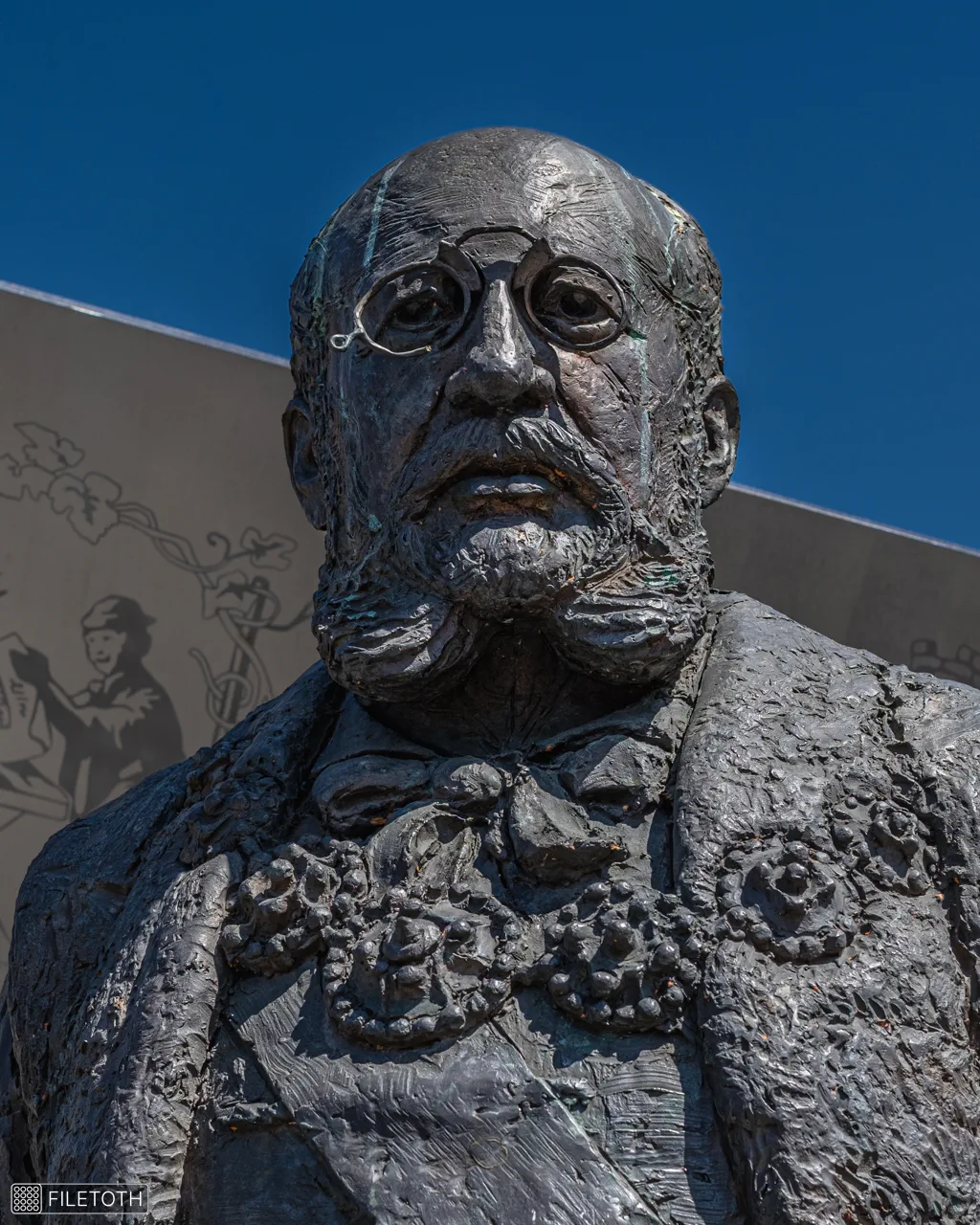
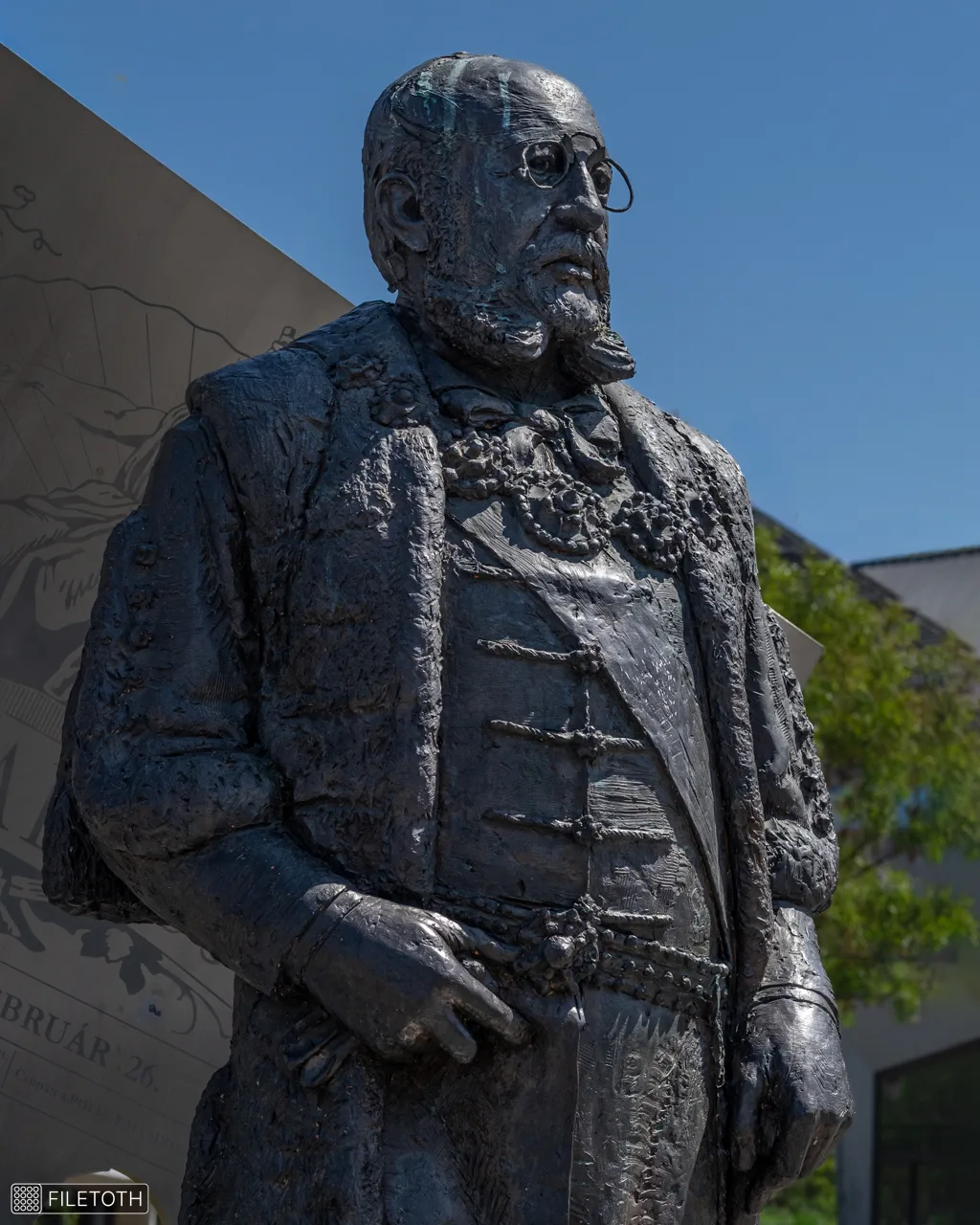
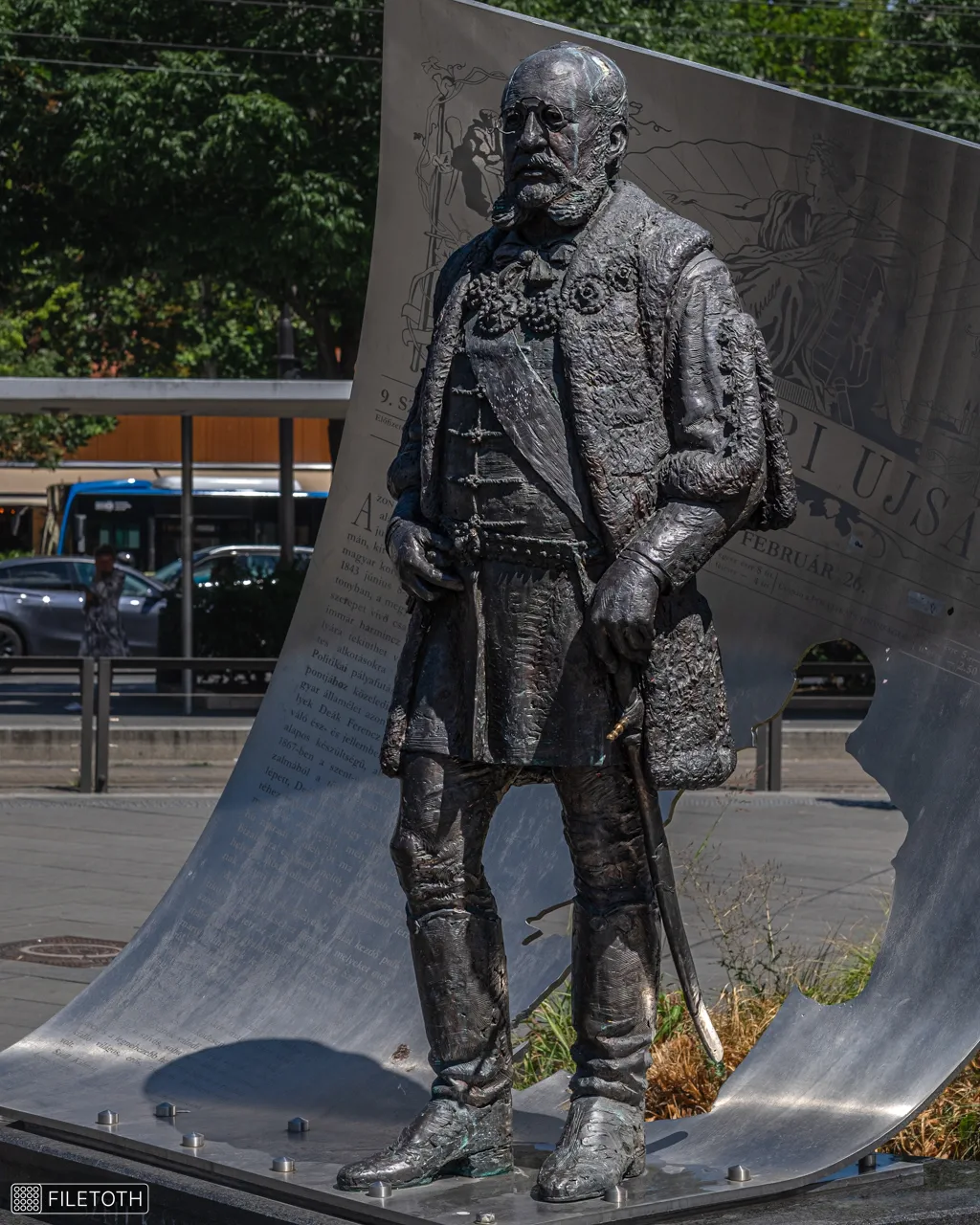
Created by Dávid Tóth and unveiled on 27 June 2019, the statue stands on the square that once again bears Széll's name. Behind the bronze figure, a steel panel reproduces a page from the 1899 Vasárnapi Újság announcing his appointment as Prime Minister. A cut-out silhouette interrupts the newspaper image, symbolizing the absence left by the historical figure while connecting the contemporary monument with the printed record of his public life.

Statue by Dávid Tóth, unveiled on 27 June 2019. [ref.]
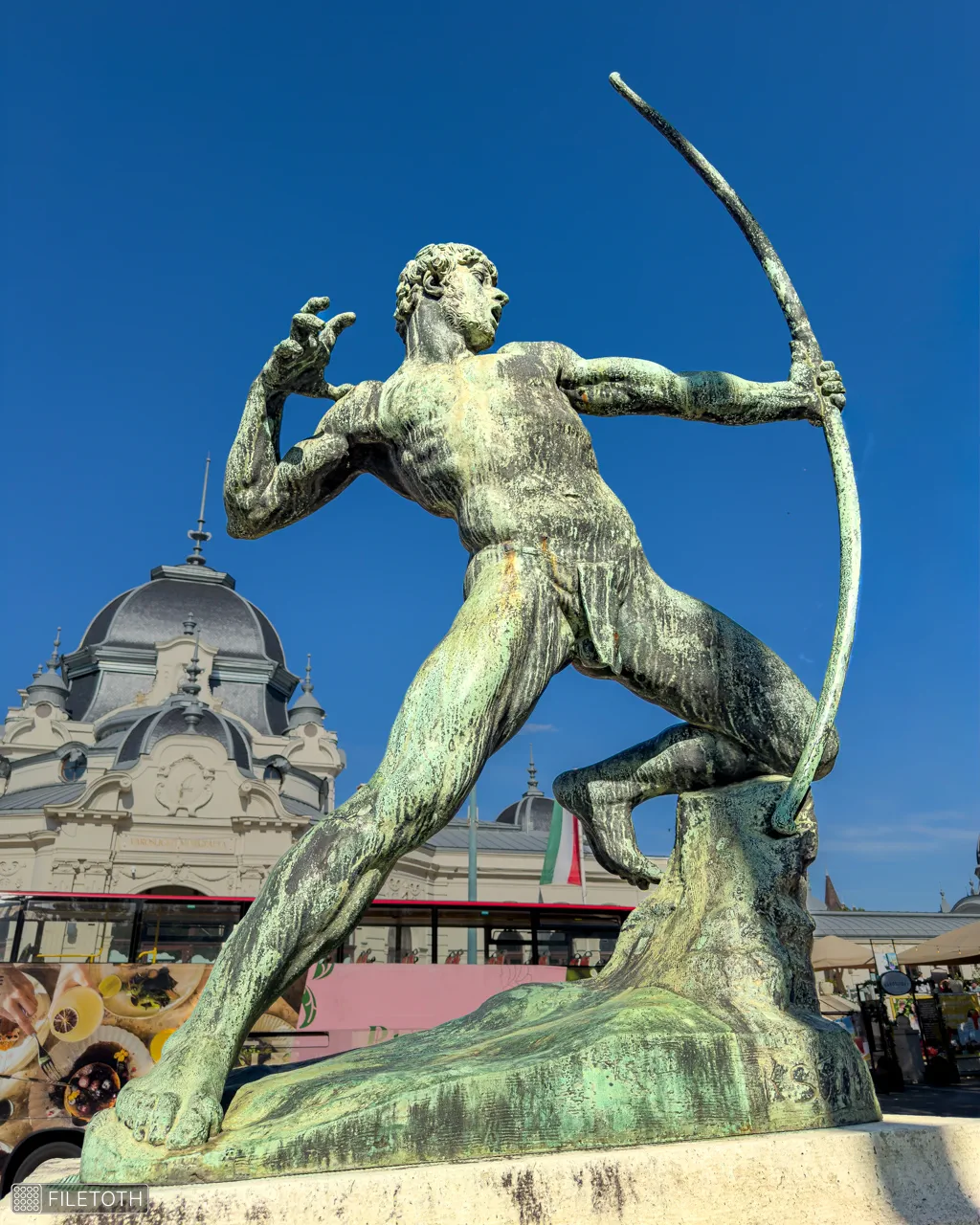
The Hand of Persuasion

Baron József Eötvös Statue

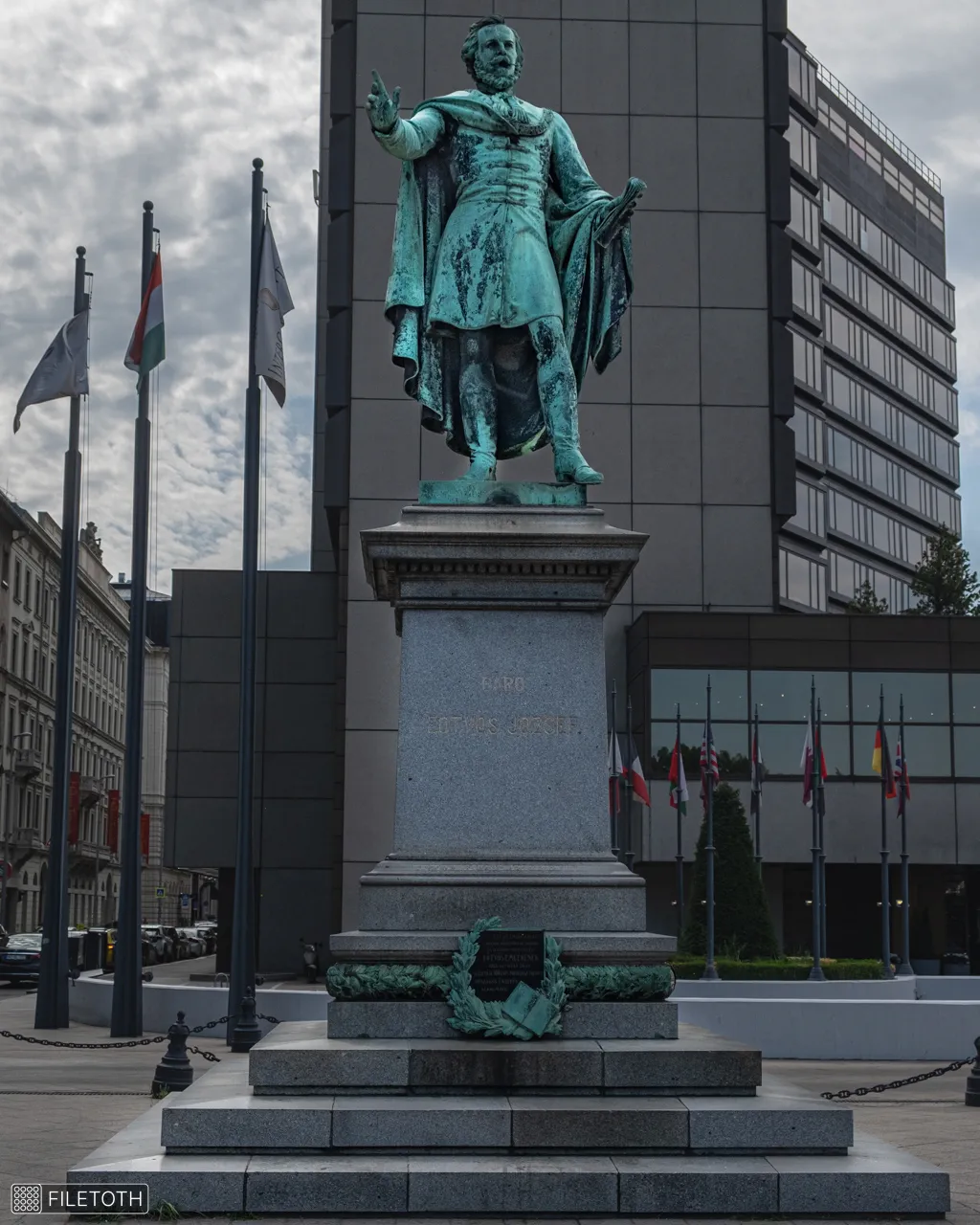
Close-up of Eötvös' open right hand in a gentle speaking gesture.

Historical figure and era

Baron József Eötvös (1813–1871) was one of nineteenth-century Hungary's leading writers, political thinkers, and statesmen. As Minister of Religion and Public Education, he championed public education, civil liberties, and the modernization of Hungarian society. His influence extended beyond politics through essays and novels that explored the relationship between freedom, responsibility, and the role of the individual within the state. The monument remembers him as a man whose ideas shaped the nation through reasoned debate rather than force.

Creation and historical context

Adolf Huszár's statue was unveiled on May 25, 1879, facing the Hungarian Academy of Sciences. Eötvös stands in ceremonial Hungarian dress, holding a rolled document in his left hand while his right hand extends gently forward in the measured gesture of a public speaker. Rather than emphasizing authority, the open palm suggests explanation, persuasion, and thoughtful dialogue. The composition reflects the ideals for which Eötvös became known: education, intellectual freedom, and the belief that lasting reform begins by convincing minds before changing institutions.

Statue by Adolf Huszár, unveiled May 25, 1879. [ref.]
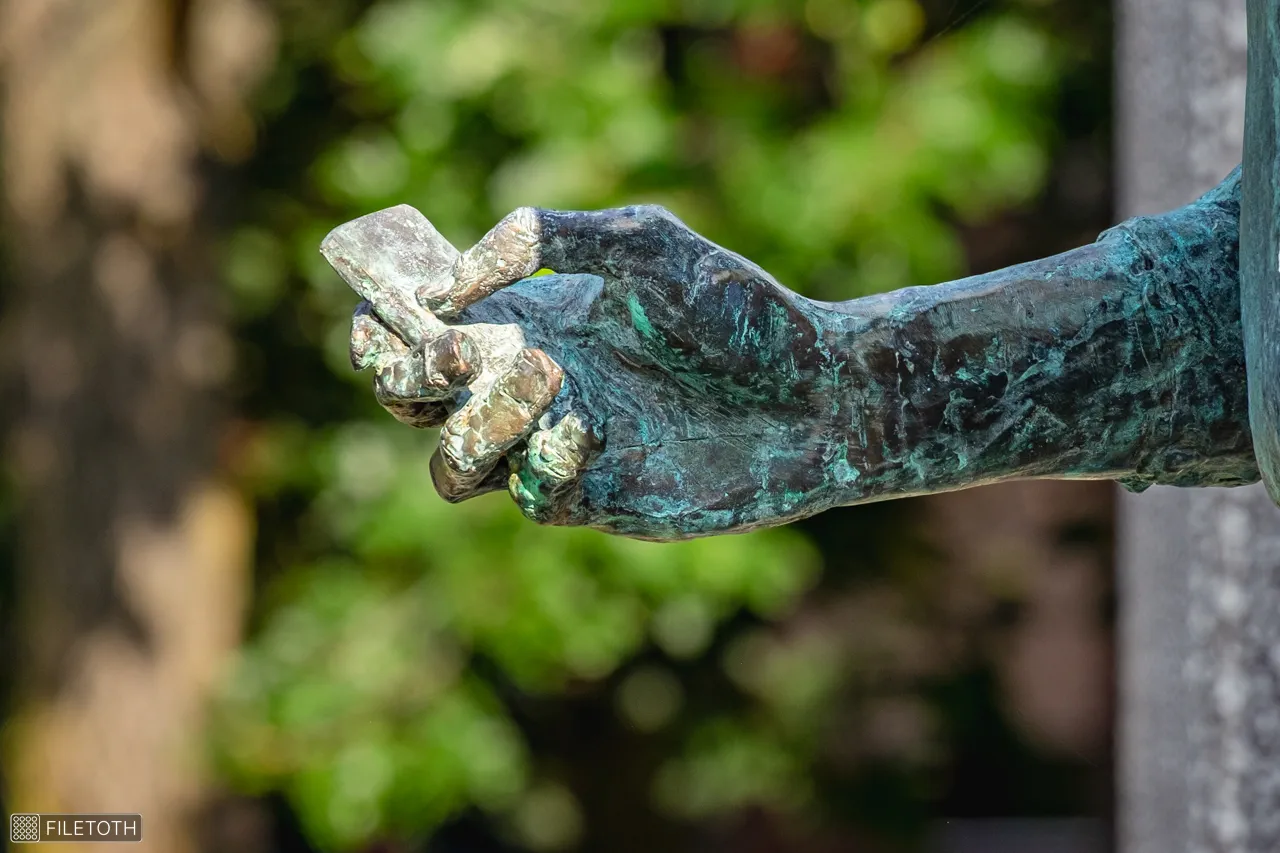
The Hand of Learning

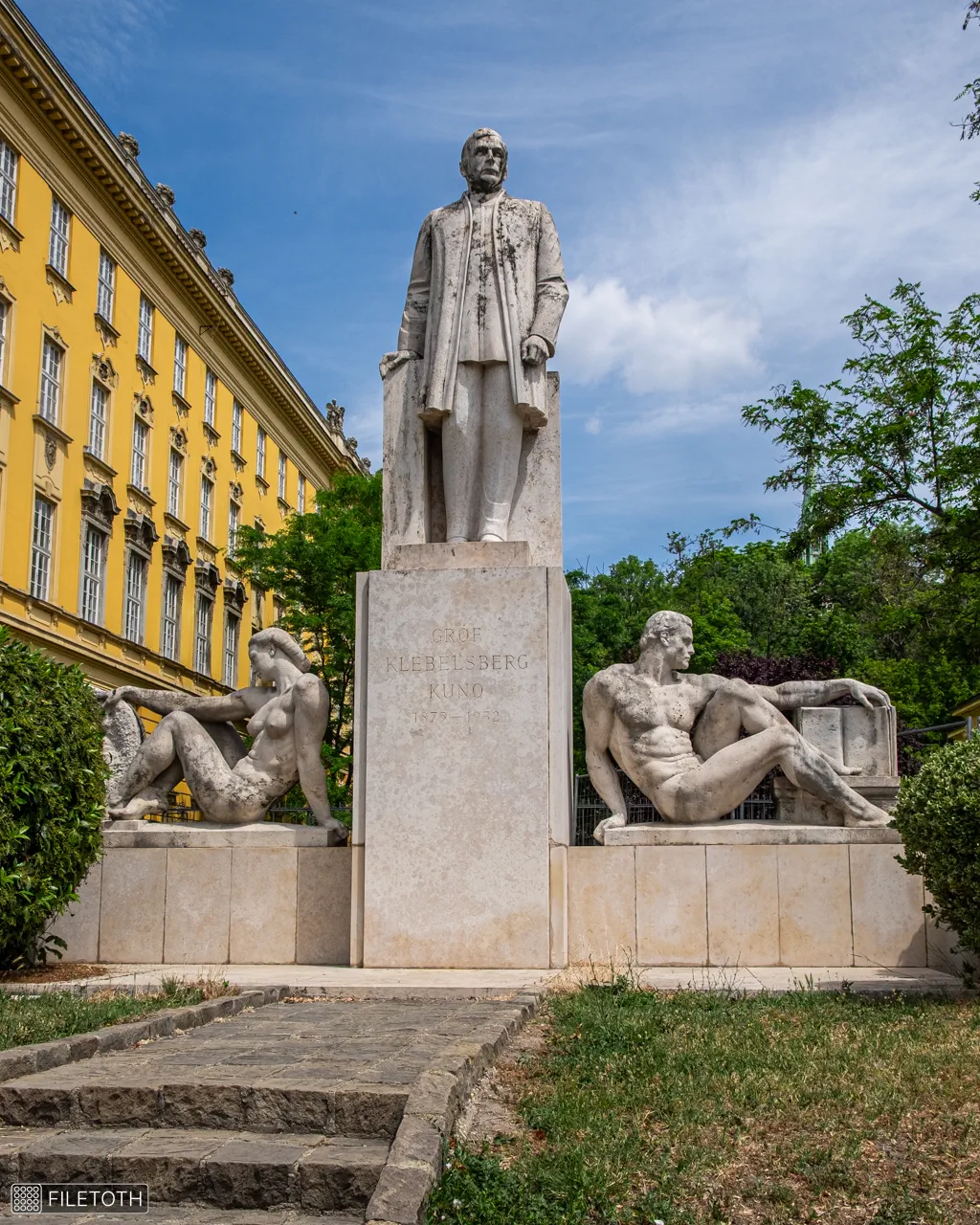
Kunó Klebelsberg Memorial

Close-up of Kunó Klebelsberg's right hand.

Historical figure and era

Kunó Klebelsberg (1875–1932) served as Hungary's Minister of Religion and Public Education during the interwar period and became one of the country's most influential architects of cultural and educational policy. Following the Treaty of Trianon, he championed the creation of rural schools, universities, museums, libraries, and Hungarian cultural institutes abroad, believing that national renewal should be built upon education, scholarship, and the arts.

Creation and historical context

Jenő Grantner's memorial, unveiled in 1939, presents Klebelsberg between allegorical figures representing Science and Art. Rather than emphasizing political power, the composition celebrates intellectual life as the foundation of national progress. The statesman addresses the viewer while the seated figures accompany him as enduring companions, together expressing a vision in which learning, culture, and creativity become lasting public investments.

Memorial by Jenő Grantner, May 9, 1939. [ref.]

The Hand of Connection

Gábor Baross Statue

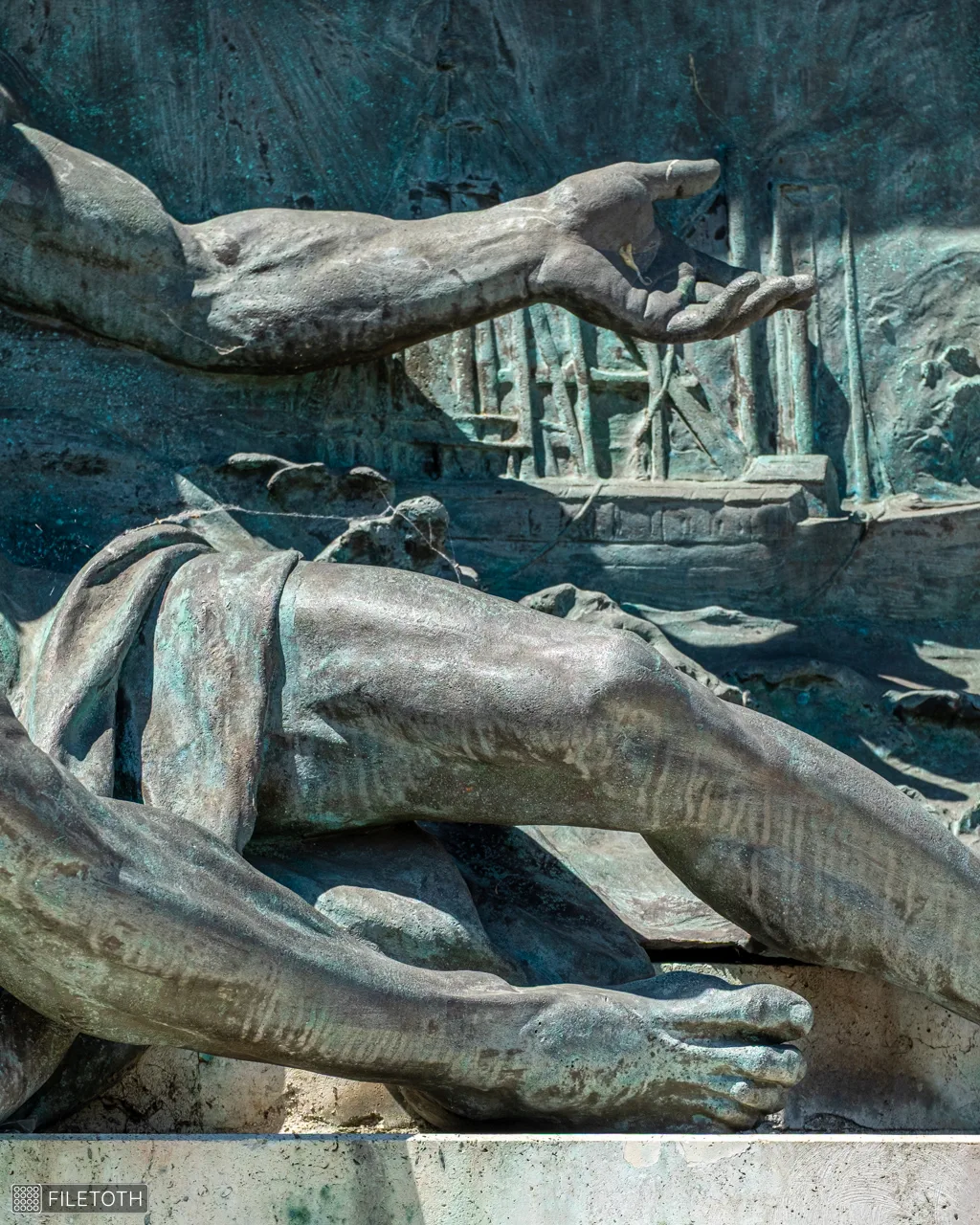
Close-up of Gábor Baross's sculpted hand.

Historical figure and era

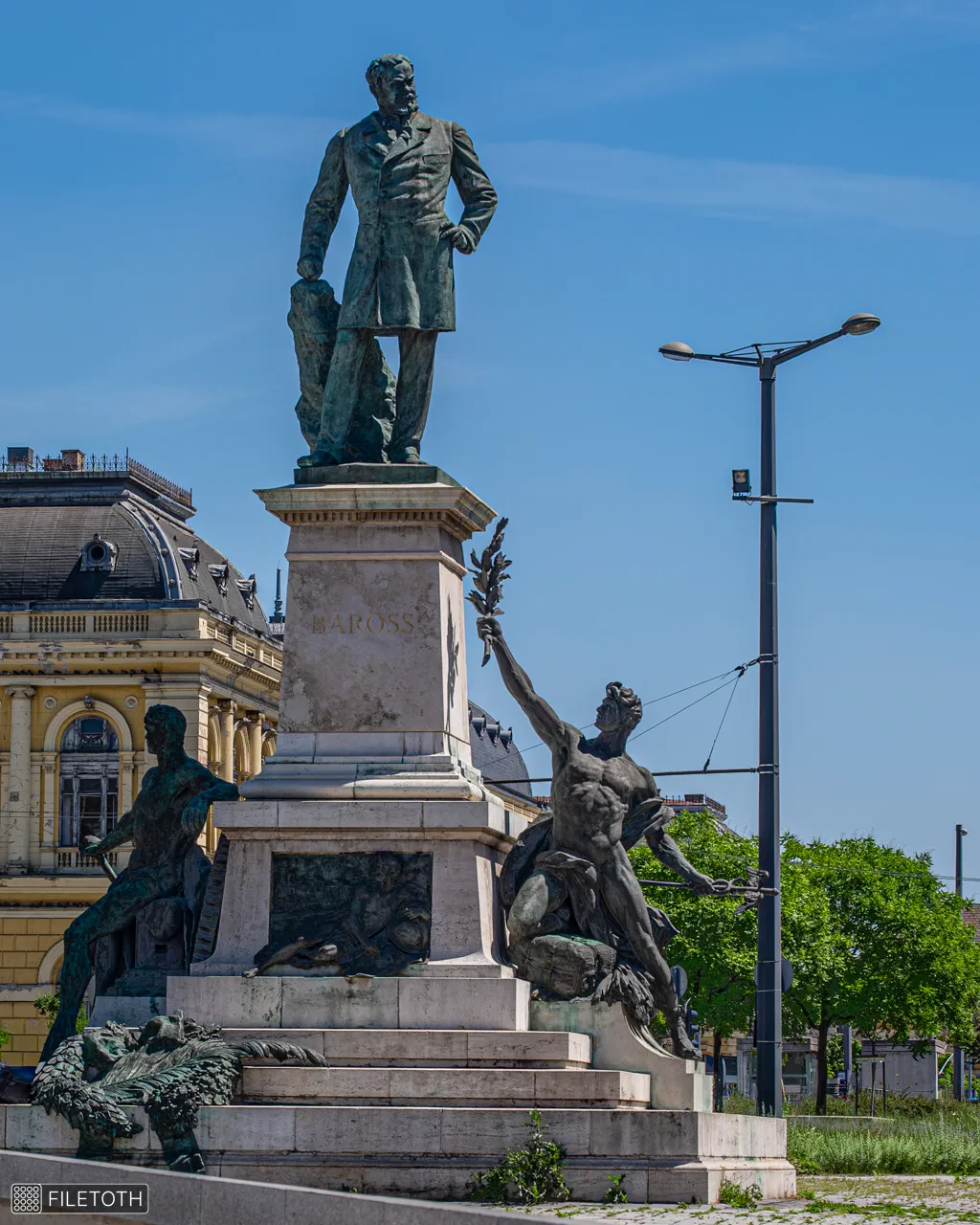
Gábor Baross (1848–1892), known as the "Iron Minister," served as Hungary's Minister of Transport and played a decisive role in nationalizing and expanding the country's railway network. His reforms transformed transportation into a unified national system, strengthening economic ties and connecting Budapest more closely with regional centers and international routes across Central Europe.

Creation and historical context

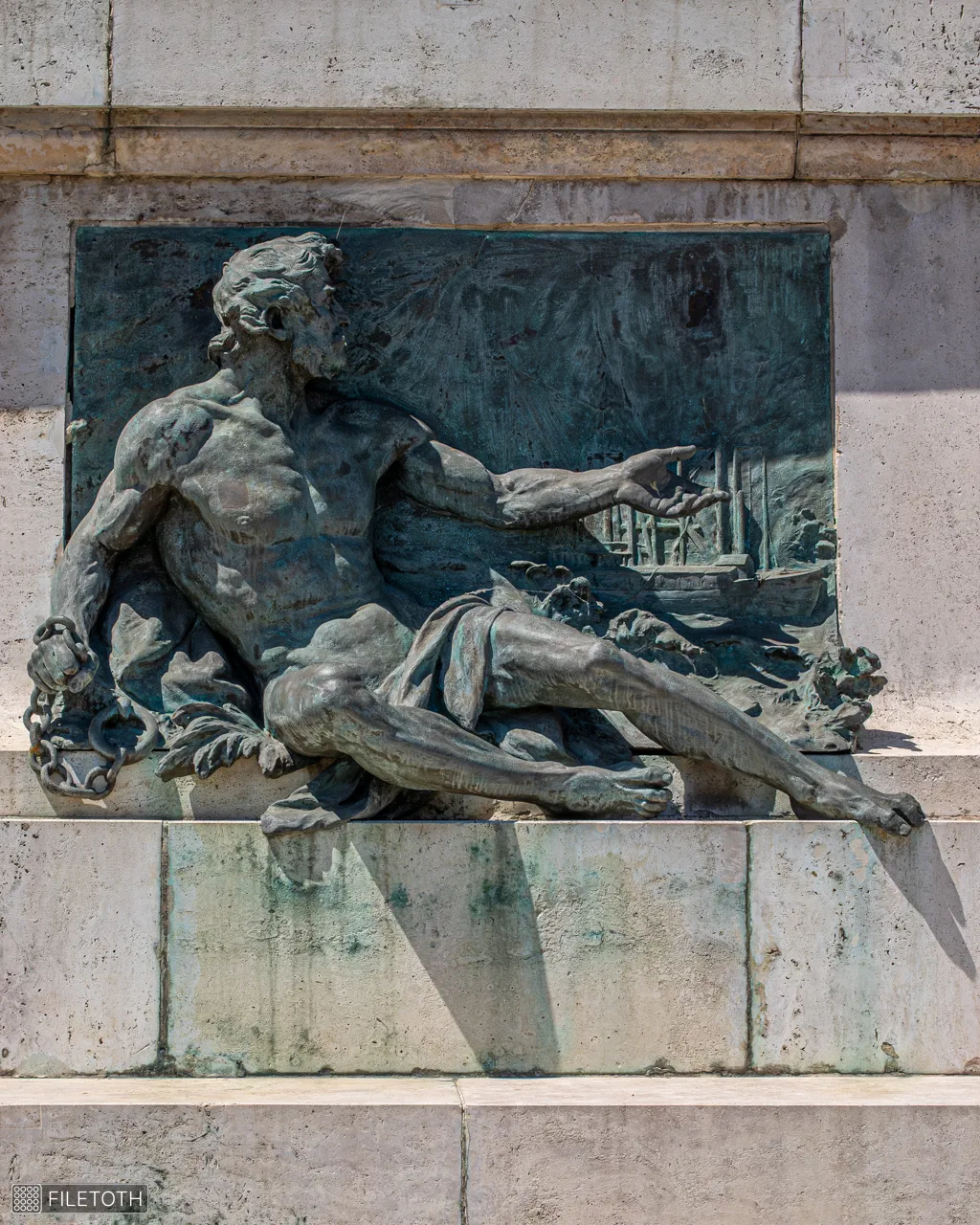
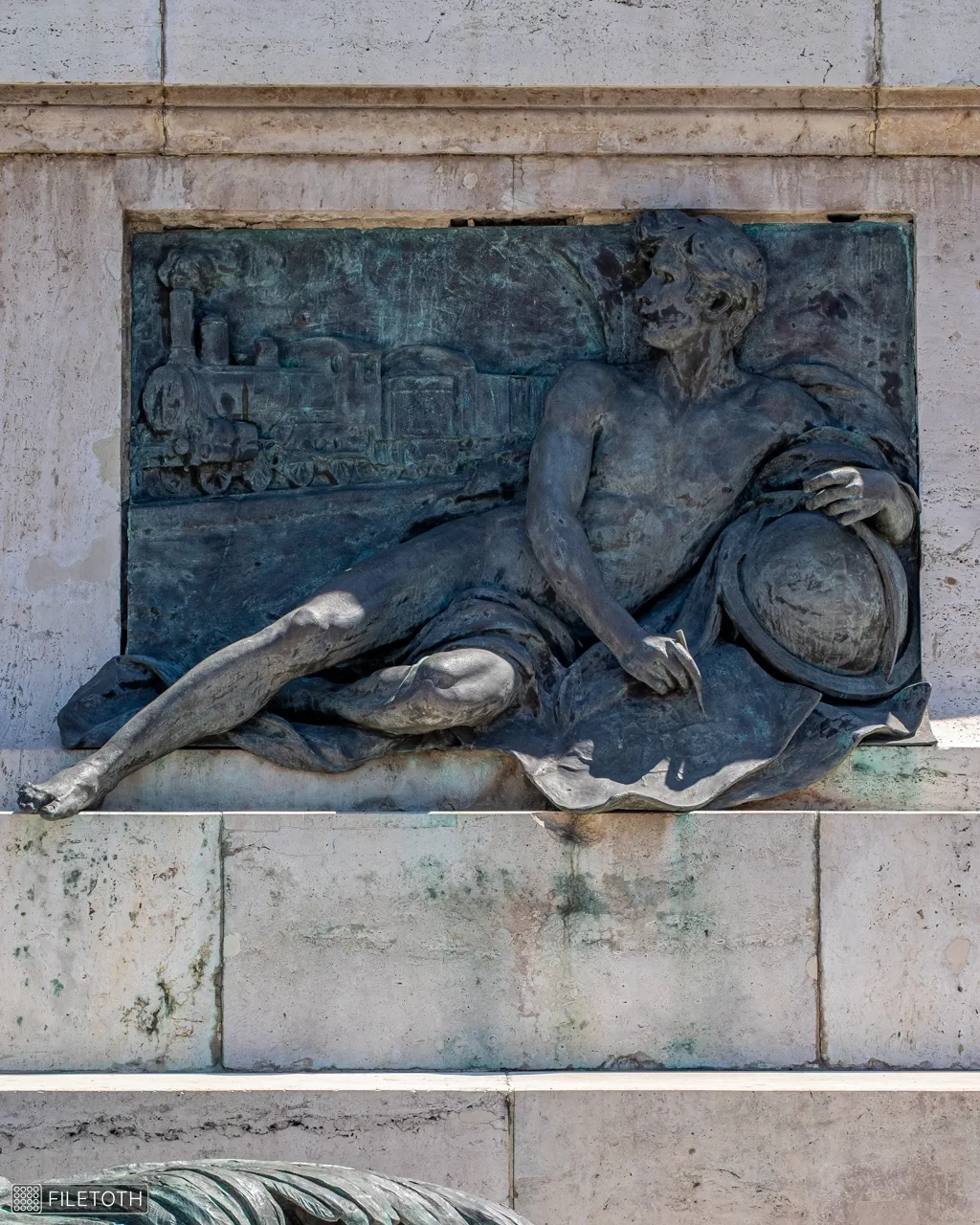
Antal Szécsi's monument, unveiled in 1898, celebrates not only Baross himself but the broader idea of modern mobility. The surrounding allegorical figures represent railways, navigation, commerce, and communication, reflecting the many systems required to connect a nation. Standing before Keleti Railway Station, the monument continues to welcome commuters and travelers, reminding visitors that infrastructure shapes everyday life as profoundly as it shapes history.

Statue by Antal Szécsi, November 20, 1898. [ref.]

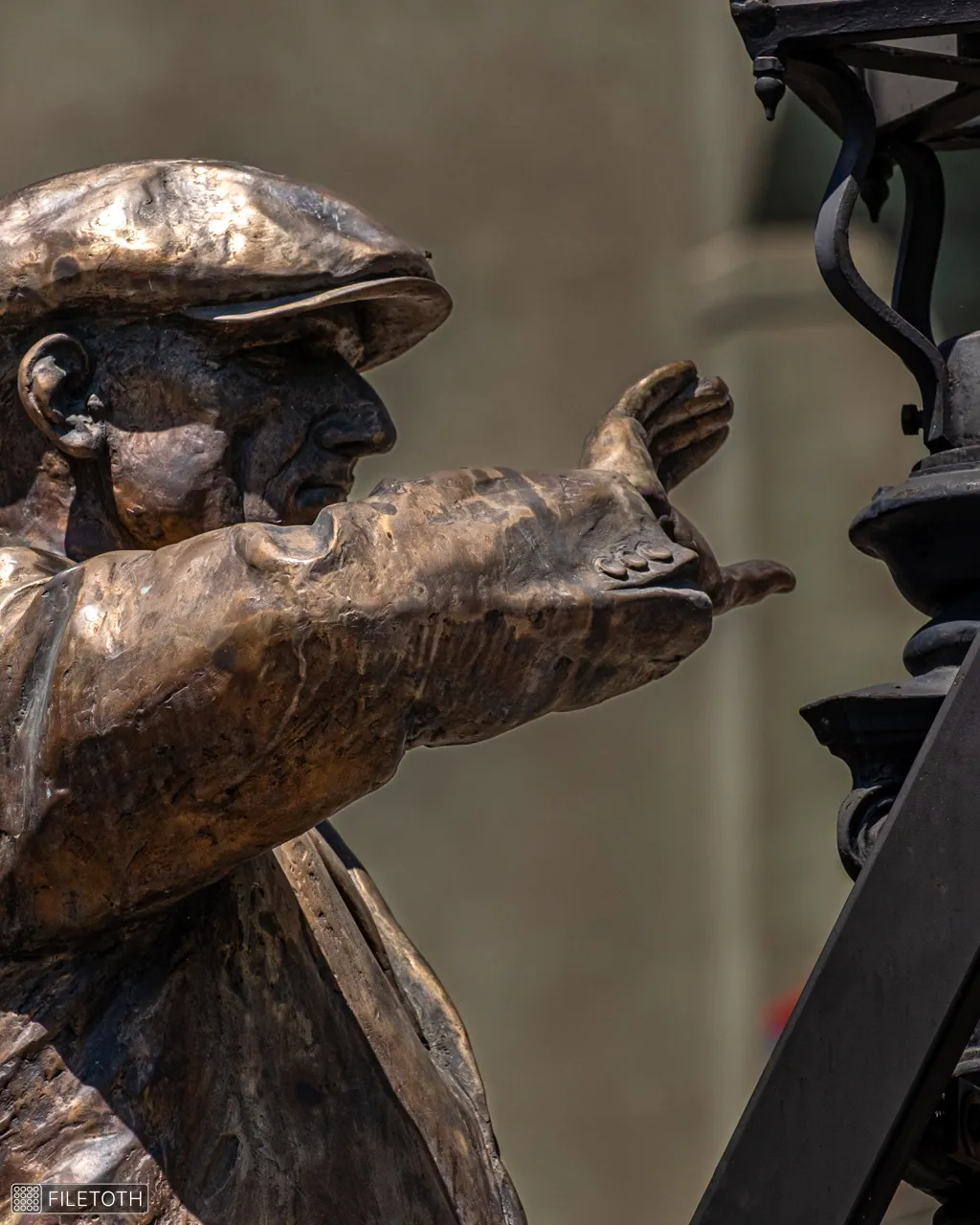
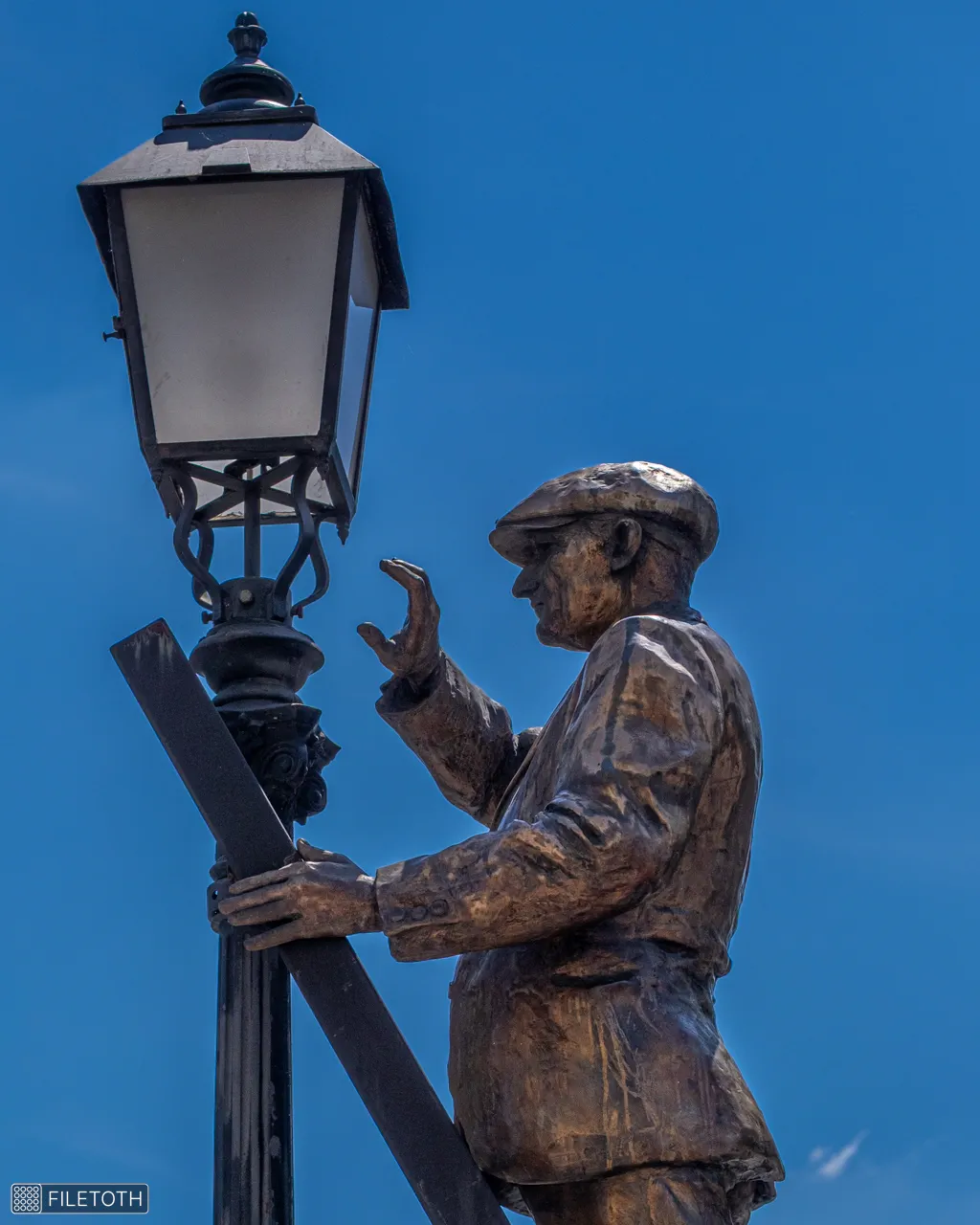
The Hands of Everyday Life

Teleki Square Statues

Close-up of the junk dealer's bronze hand.

Historical figure and era

The lamplighter and junk dealer represent the workers and traders who shaped everyday life in Józsefváros from the late nineteenth century onward, while Count László Teleki (1811–1861) recalls the liberal politician and writer after whom the square is named. Together, they connect the world of gas lamps, markets, and neighborhood commerce with the political and literary history that gave Teleki Square its identity.

Creation and historical context

Created by Attila Mészáros and inaugurated in 2024, the sculptural group formed part of the renewal of Teleki Square, reconnecting the area with its social history while creating an inviting contemporary public space. Rather than celebrating national heroes, the statues honor the ordinary people whose daily work sustained the neighborhood. Standing at ground level among benches, playgrounds, and walking paths, they naturally become part of everyday life, inviting visitors to pause, observe, and share the square alongside them.

Statue by Attila Mészáros, September 10, 2024. [ref.]
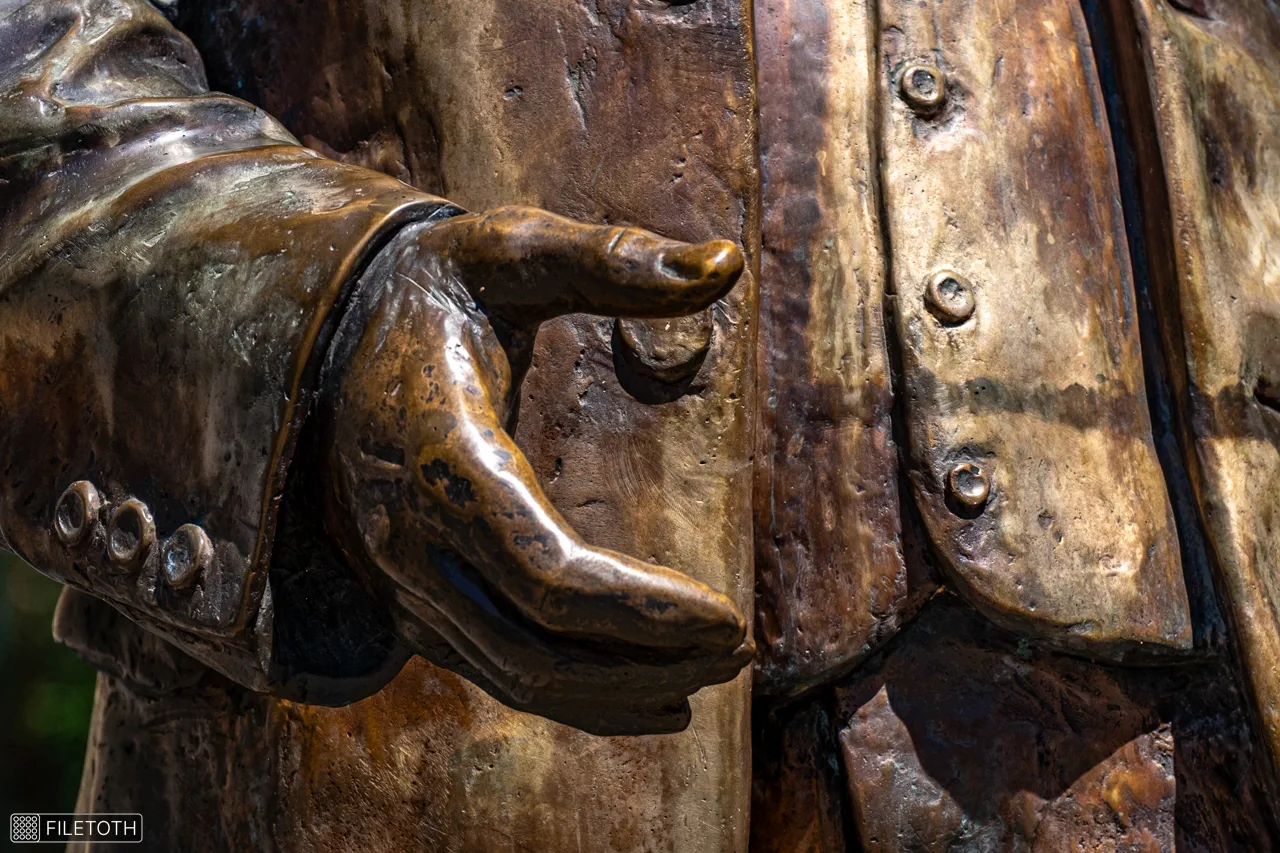
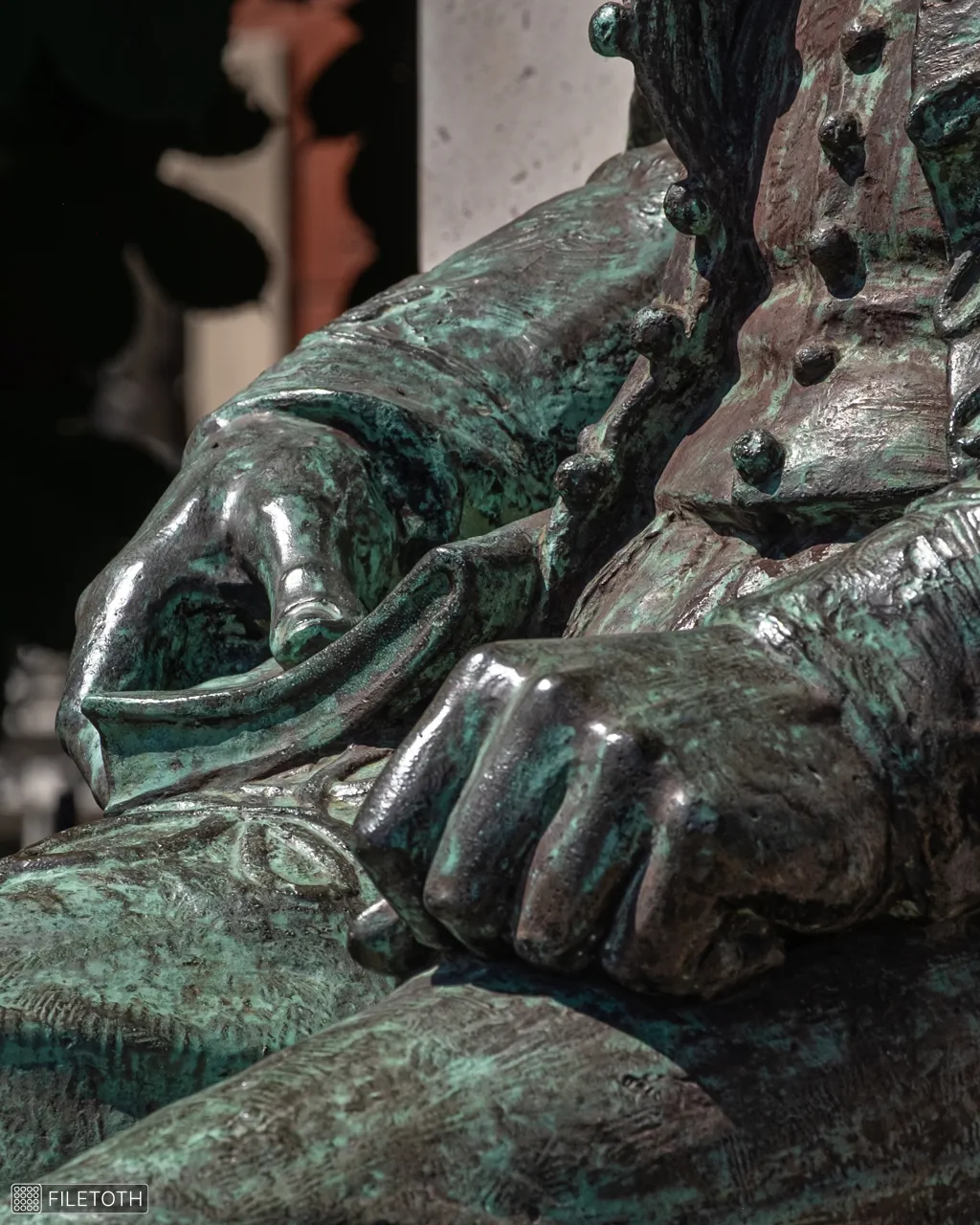
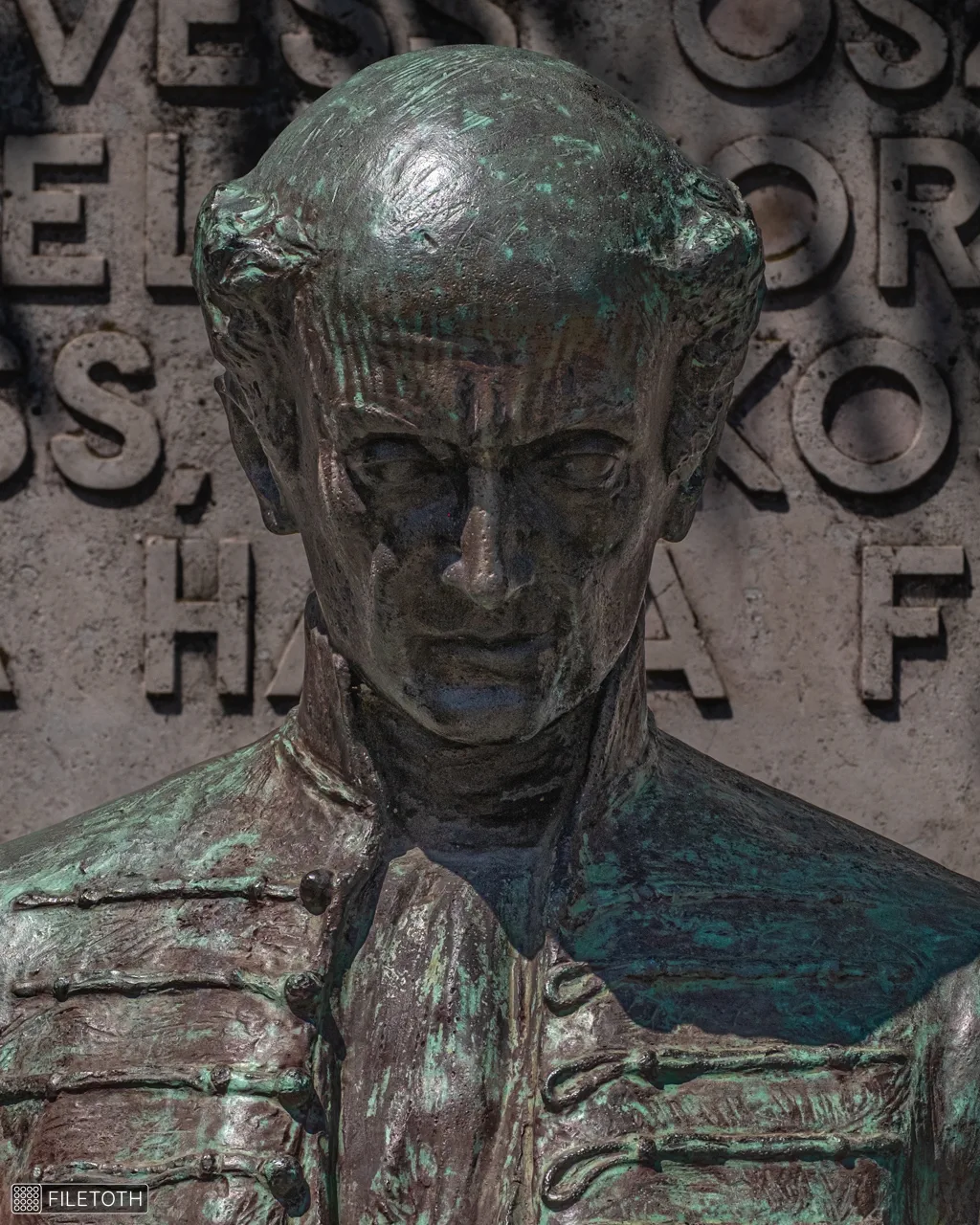
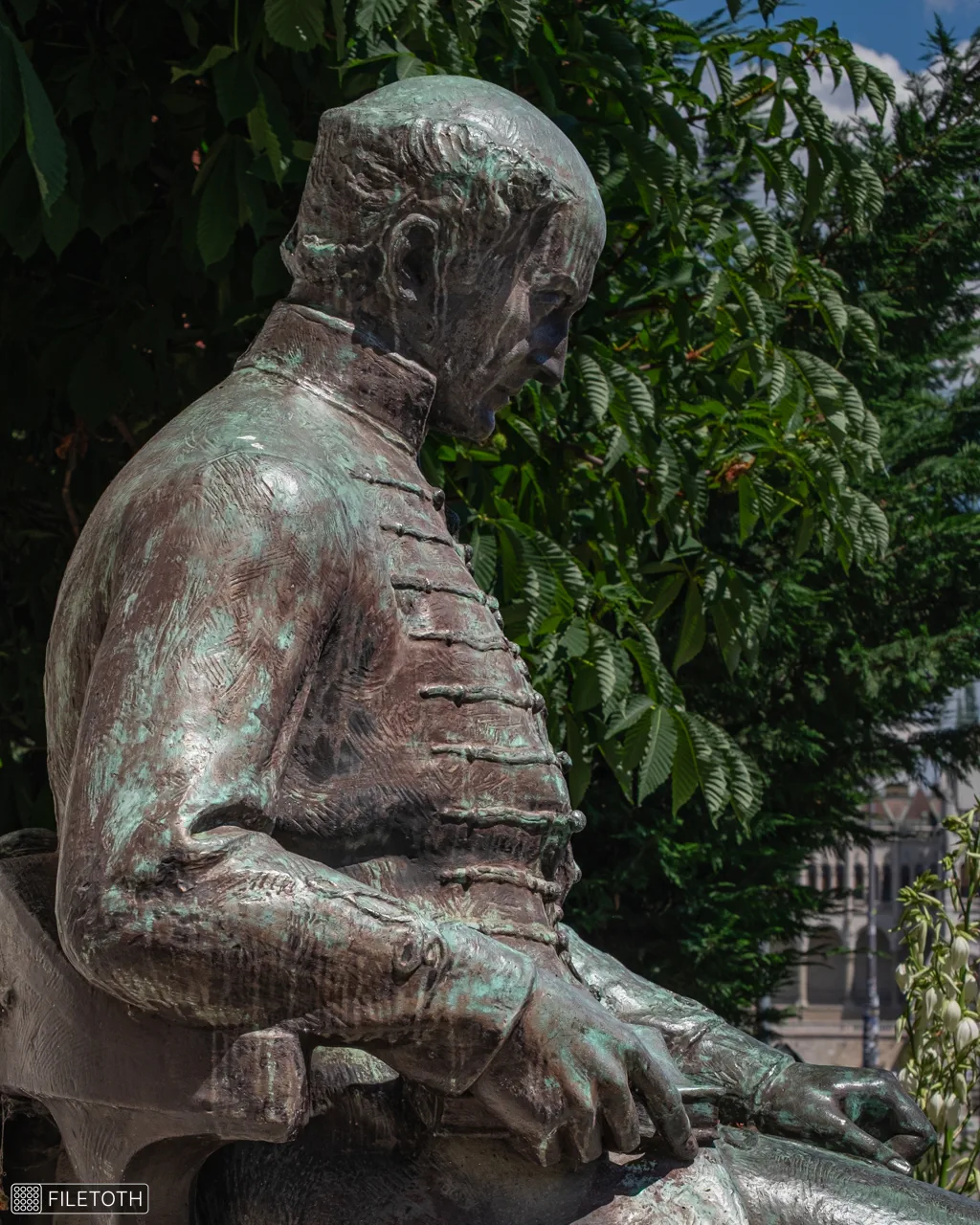
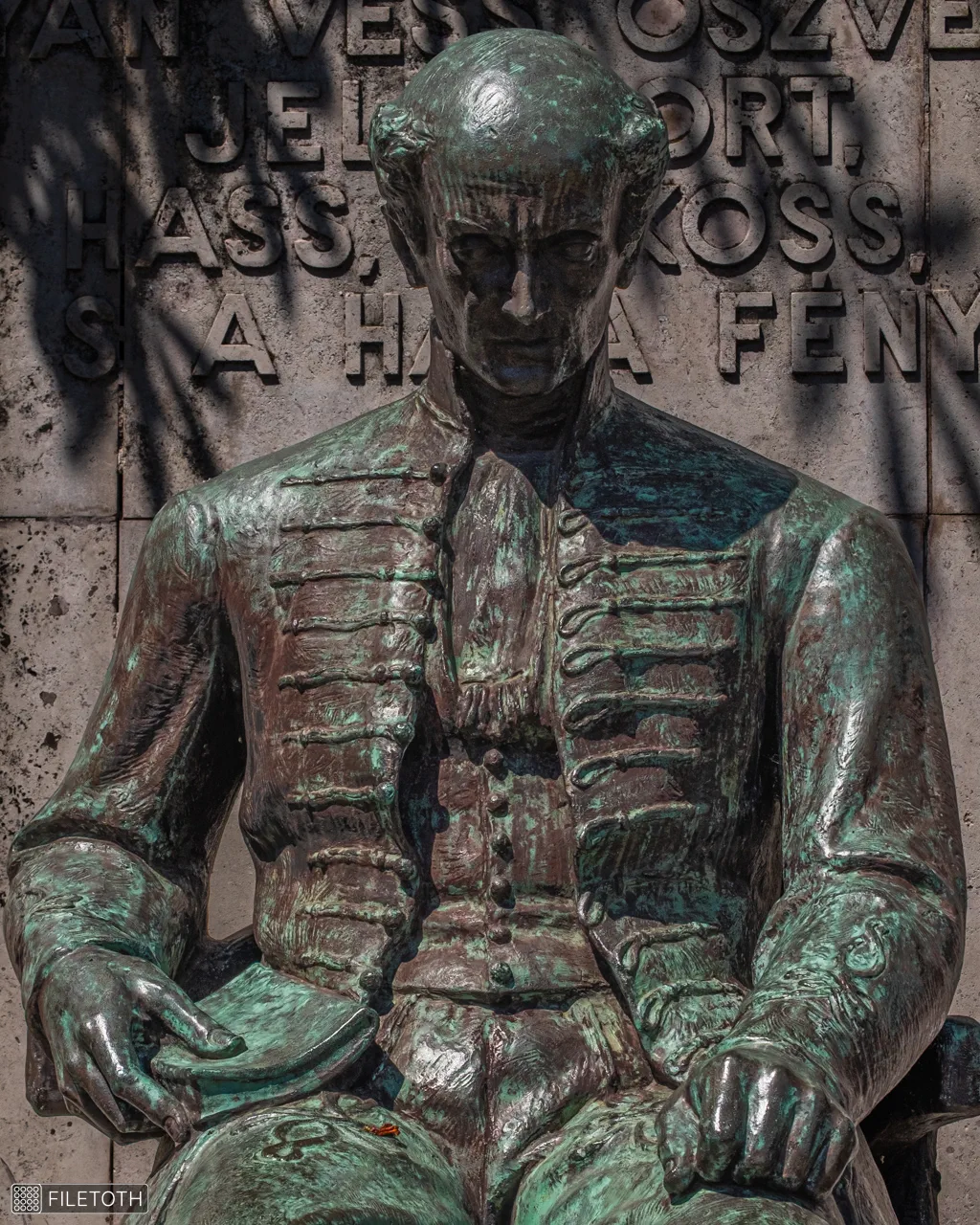
The Hand of Conscience

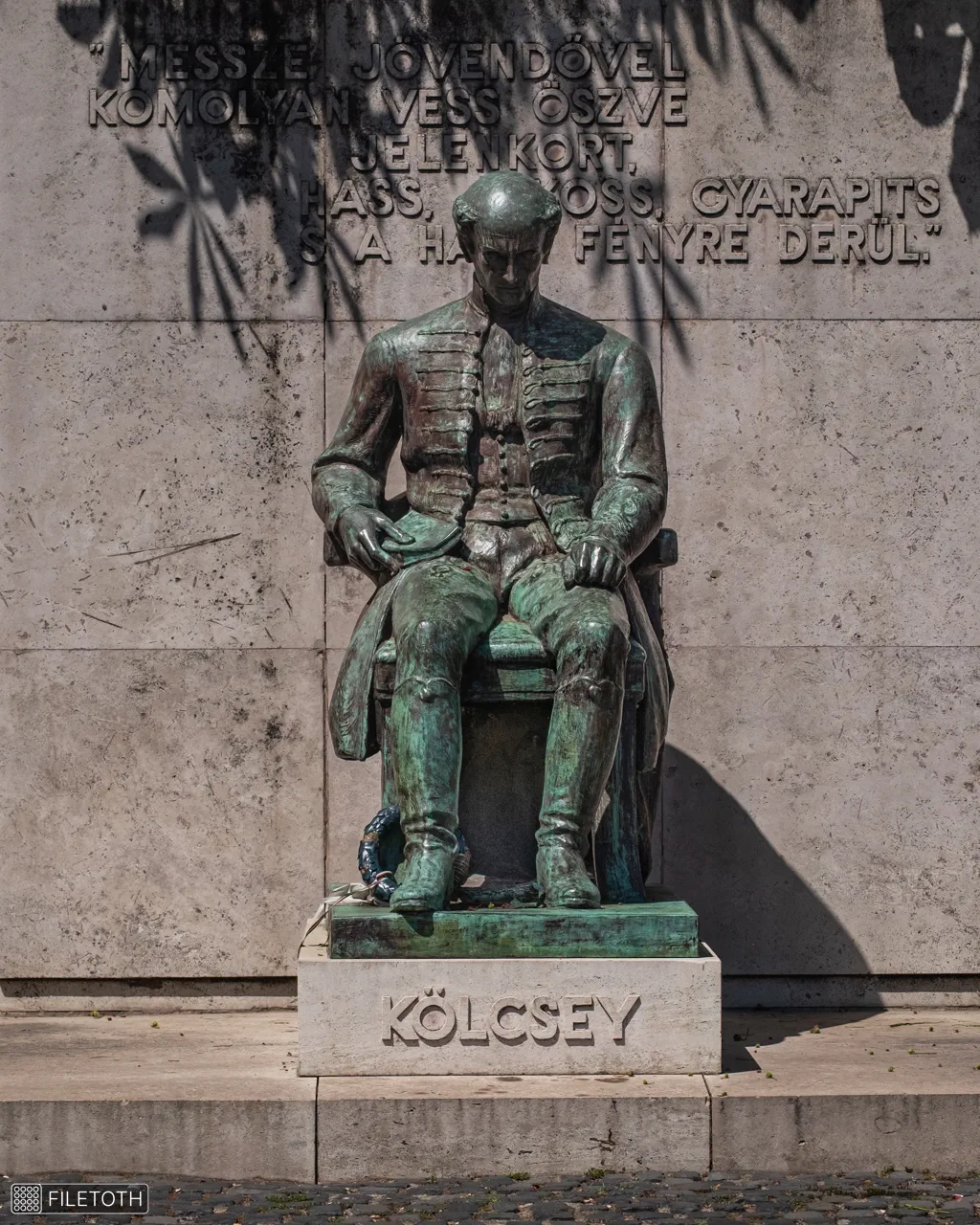
Ferenc Kölcsey Statue

Close-up of Ferenc Kölcsey's hand.

Historical figure and era

Ferenc Kölcsey (1790–1838) was a poet, critic, statesman, and one of Hungary's leading intellectuals of the Reform Era. Best known as the author of the national anthem, Himnusz, he also promoted moral responsibility, education, and national renewal through his writings and public service, helping shape Hungarian political and cultural thought.

Creation and historical context

Ede Kallós's statue, unveiled on June 11, 1939, depicts Kölcsey in a calm, contemplative pose. Seated with a book on his lap, he leans slightly forward, conveying attentiveness rather than distance. Behind him appears one of his best-known lines: "Hass, alkoss, gyarapíts: s a haza fényre derül" ("Act, create, enrich, and the nation shall rise into light"). The monument was erected at a time when literary figures were often presented as moral exemplars. Kölcsey does not address the viewer with dramatic gestures. Instead, his hands rest on the book, suggesting reflection, learning, and the enduring power of ideas.

Statue by Ede Kallós, June 11, 1939. [ref.]
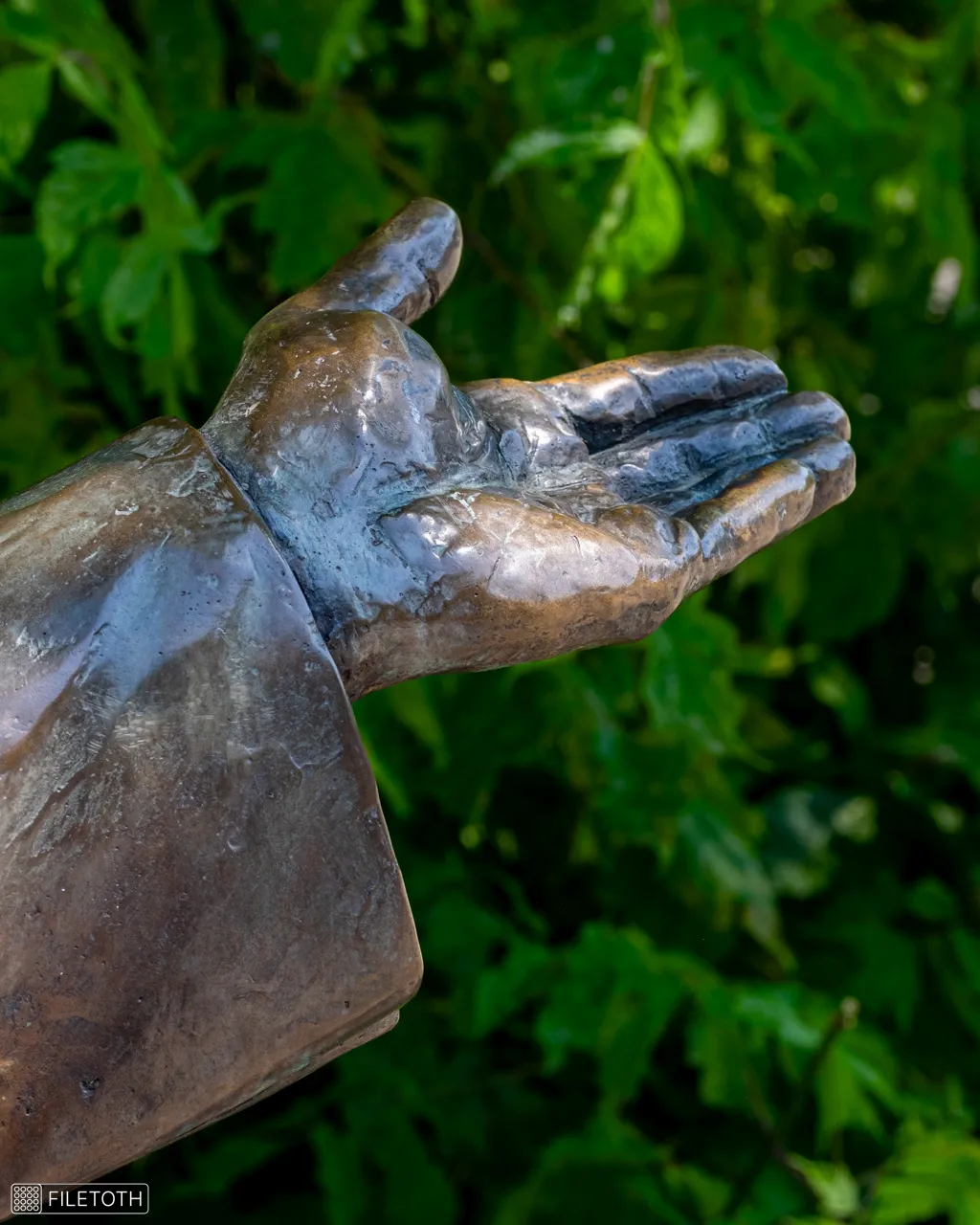
The Hand of Determination

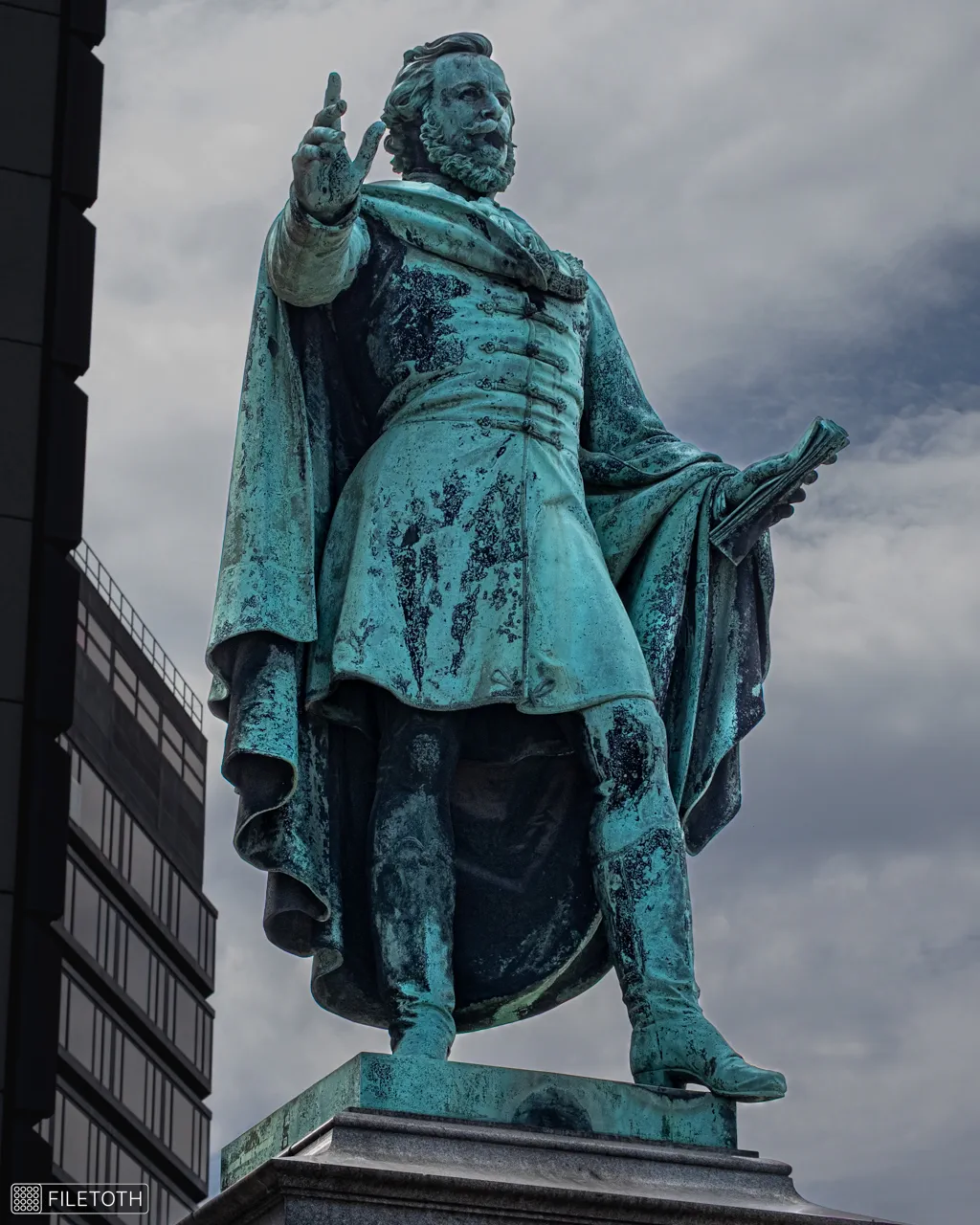
Lajos Kossuth Memorial

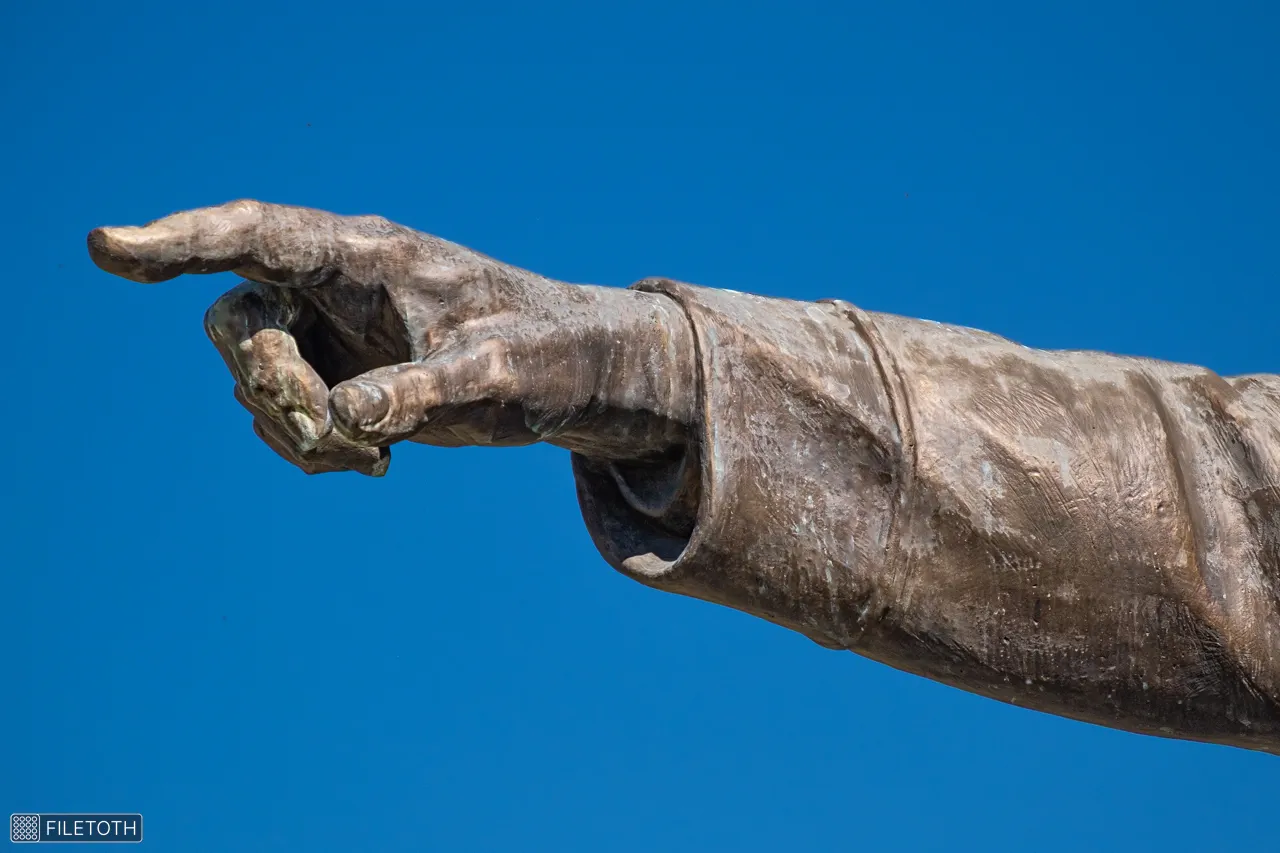
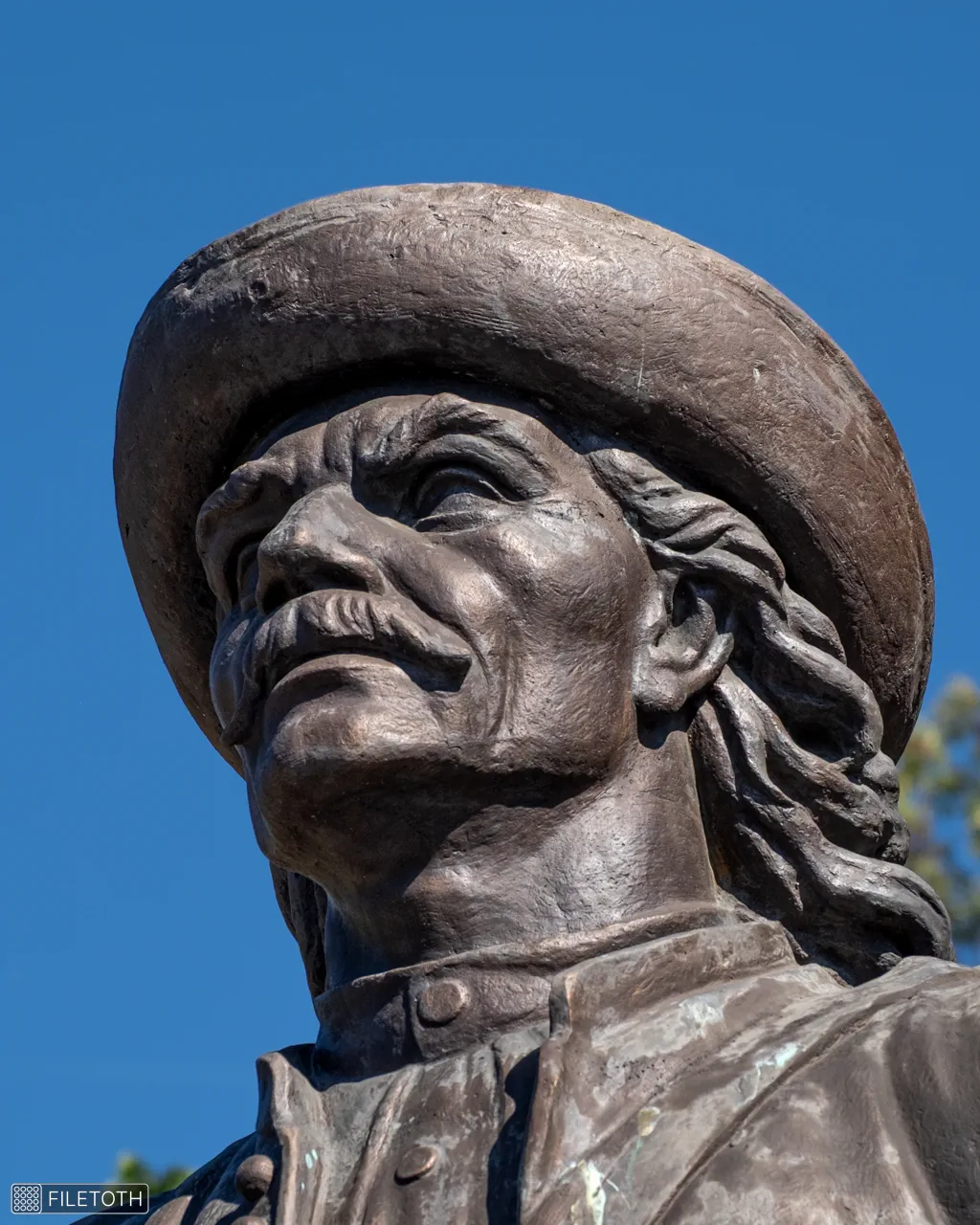
Close-up of Lajos Kossuth's pointing hand.

Historical figure and era

Lajos Kossuth (1802–1894) was a central figure in nineteenth-century Hungarian public life, remembered as a symbol of independence and patriotism. As a statesman, journalist, and Governor-President, he inspired the nation's struggle for self-determination during the 1848–49 Revolution and War of Independence against the Habsburg Empire.

Creation and historical context

Zsigmond Kisfaludi Strobl's 1952 monument portrays Kossuth in a controlled, dignified pose, emphasizing perseverance rather than dramatic action. Installed in the early 1950s, the monument reflects how successive political eras continued to reinterpret Kossuth while preserving him as one of Hungary's enduring national figures. His outstretched hand suggests not command, but resolve—an enduring appeal to civic responsibility, public dialogue, and commitment to the common good.

Memorial by Zsigmond Kisfaludi Strobl, September 19, 1952. [ref.]
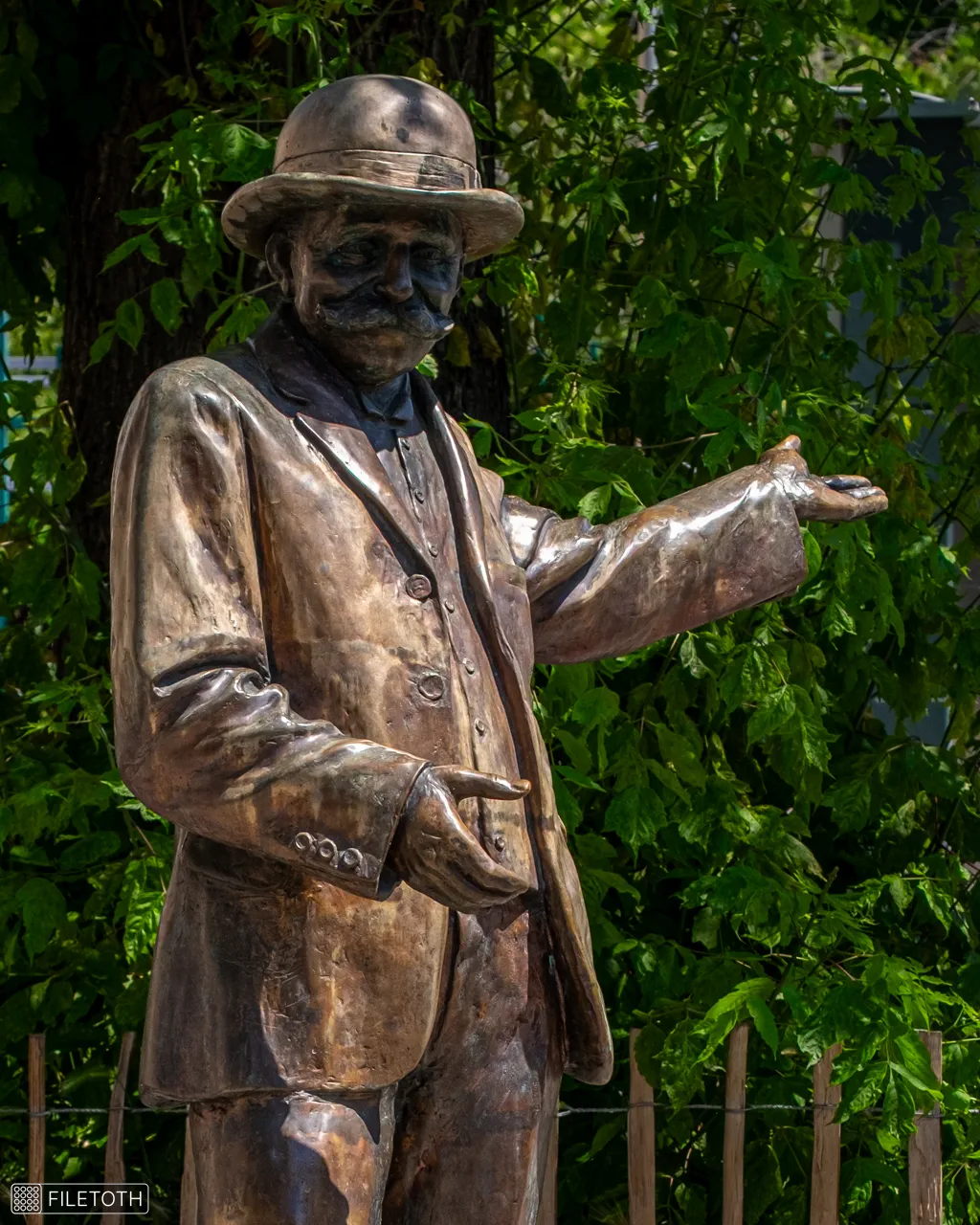
The Hand of Responsibility

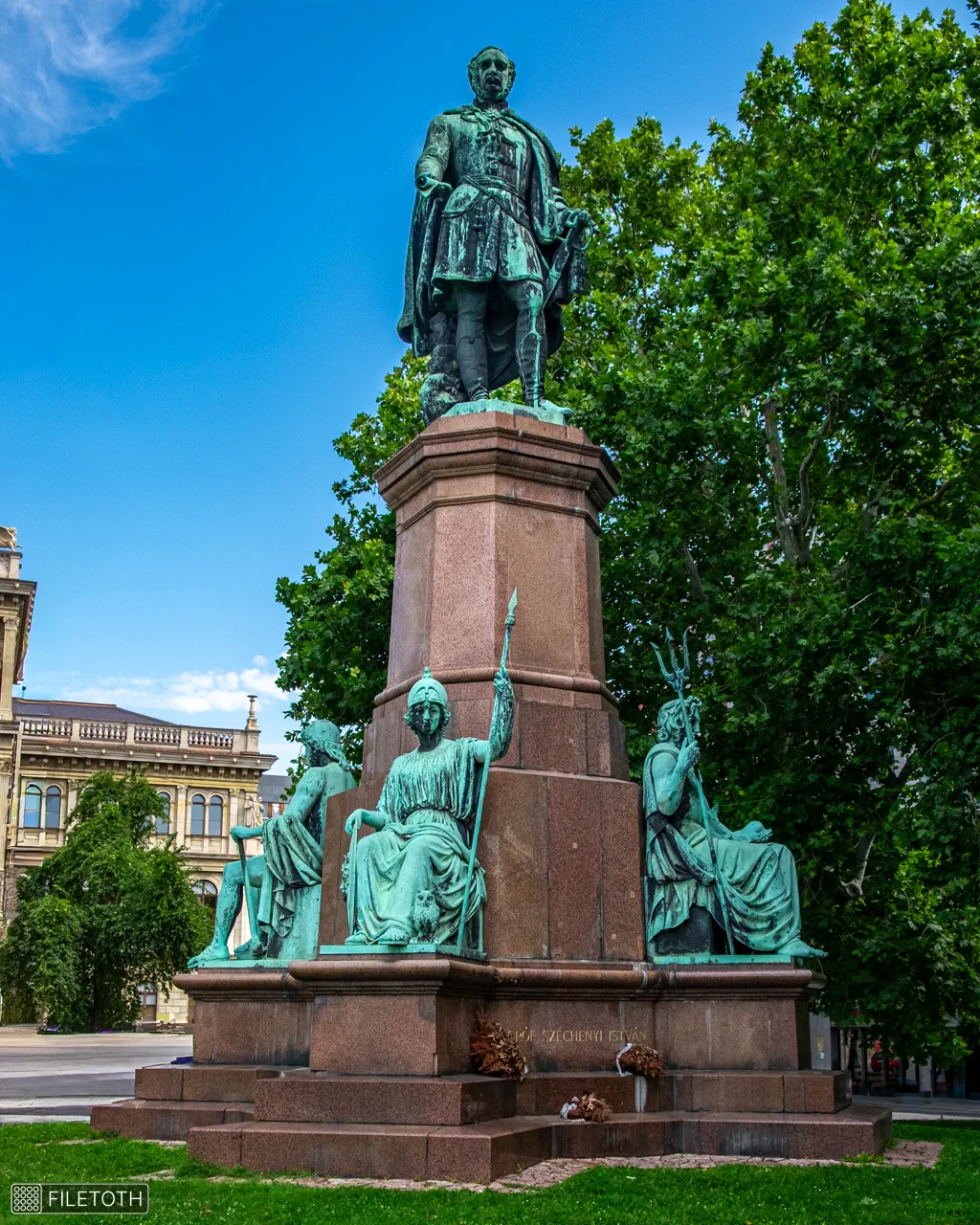
István Széchenyi Memorial

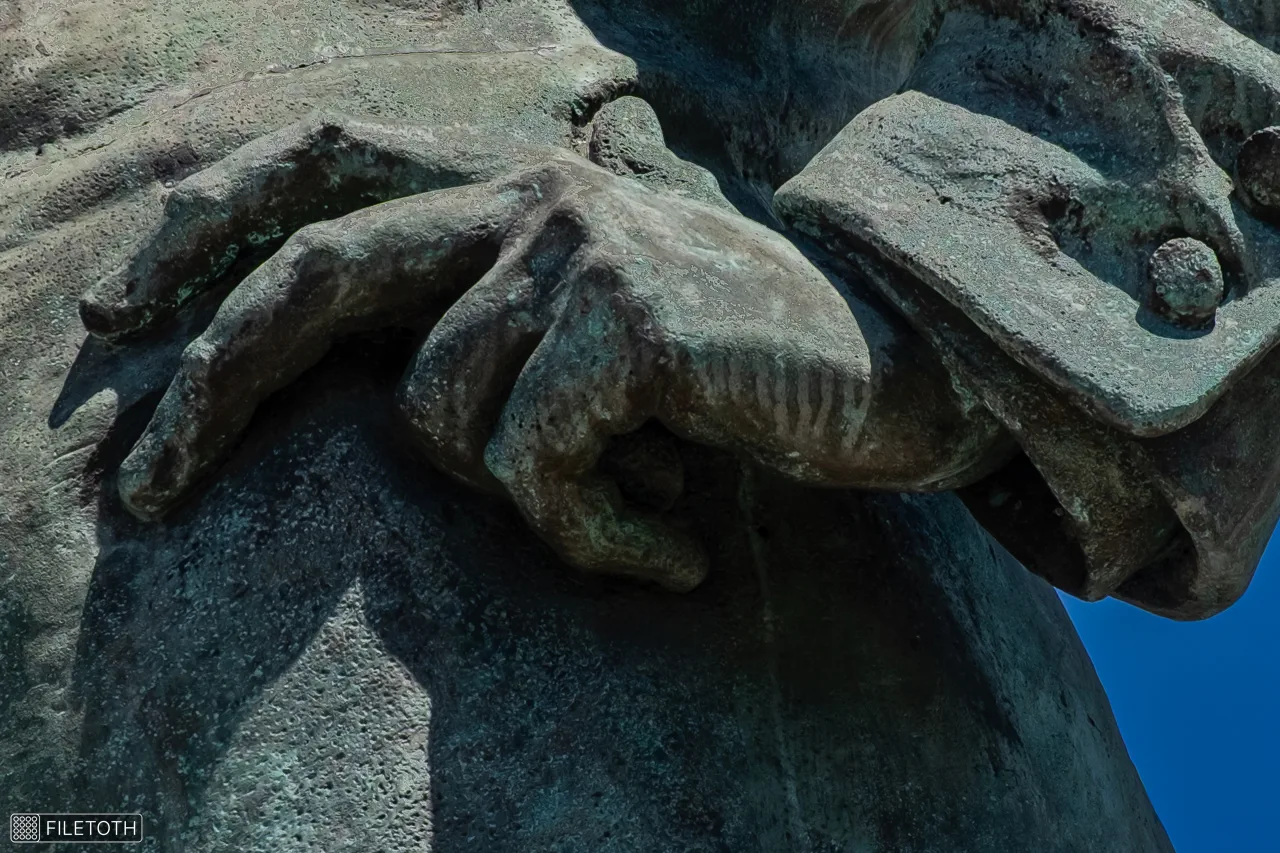
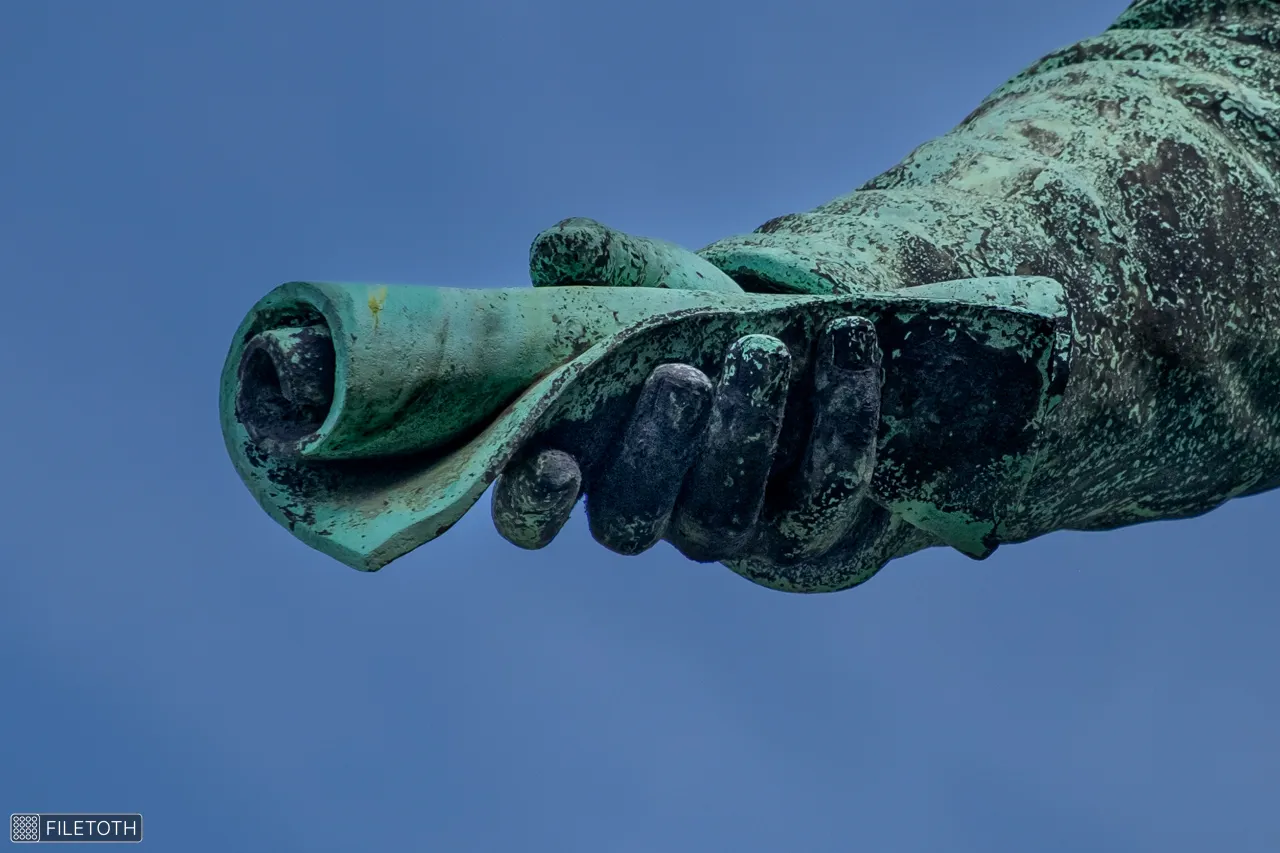
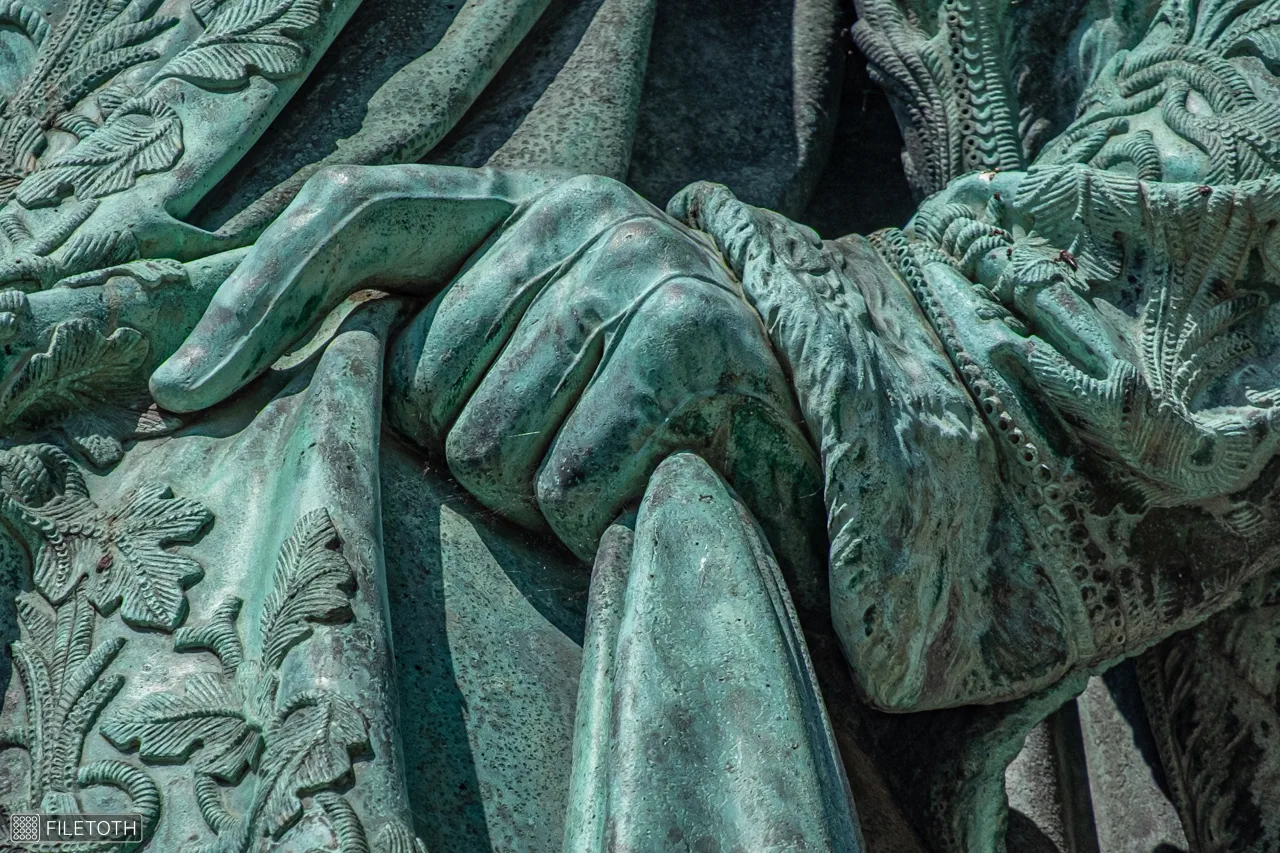
Close-up of Széchenyi's hand holding a rolled document.

Historical figure and era

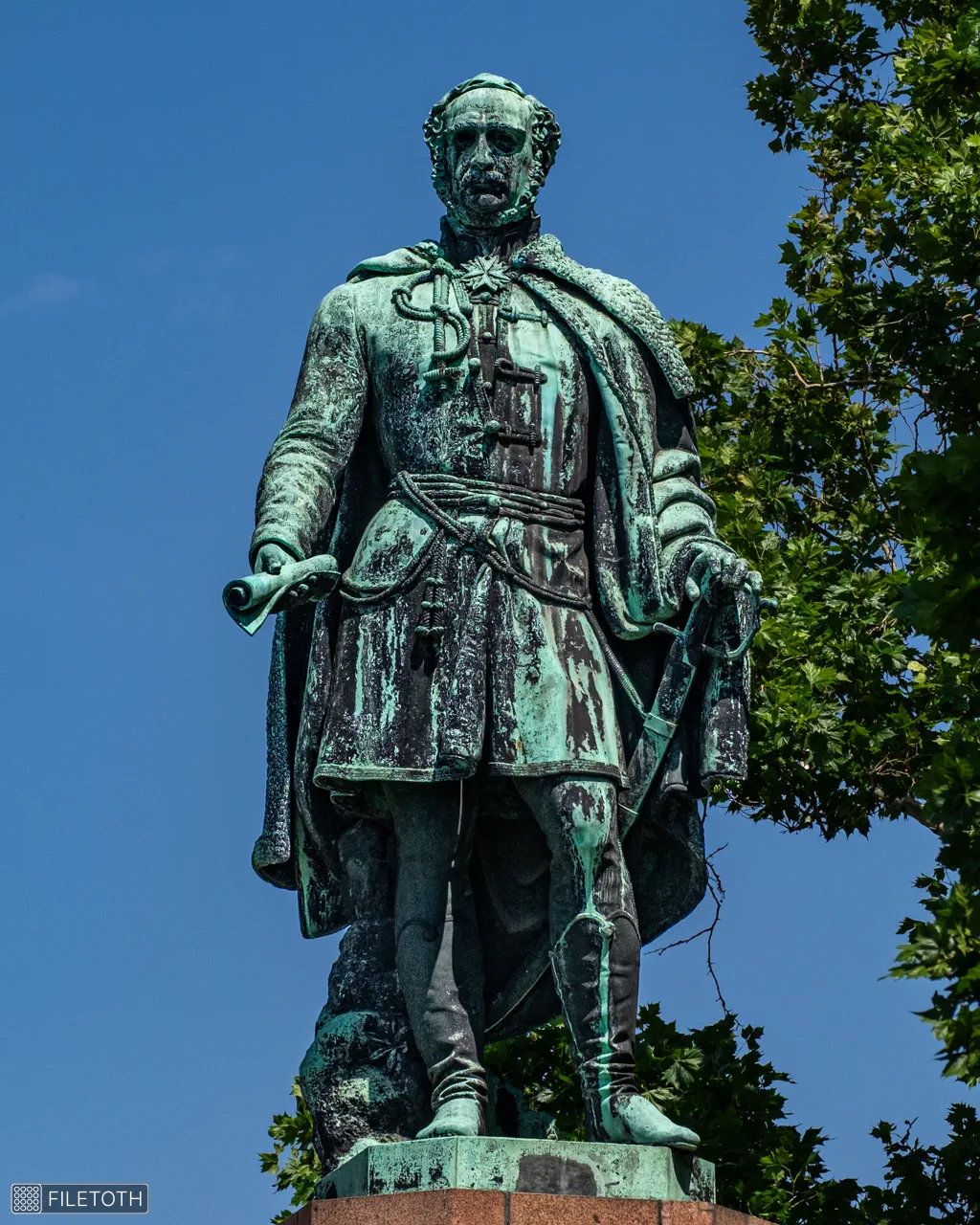
Count István Széchenyi (1791–1860) is widely regarded as one of the principal architects of Hungary's nineteenth-century modernization. His initiatives helped transform transportation, navigation, science, and public life, earning him the title "the Greatest Hungarian." Rather than relying on political rhetoric alone, Széchenyi believed lasting national progress depended upon education, infrastructure, economic reform, and personal responsibility. The monument presents him not as a triumphant hero, but as a thoughtful statesman whose work was devoted to the future of his country.

Creation and historical context

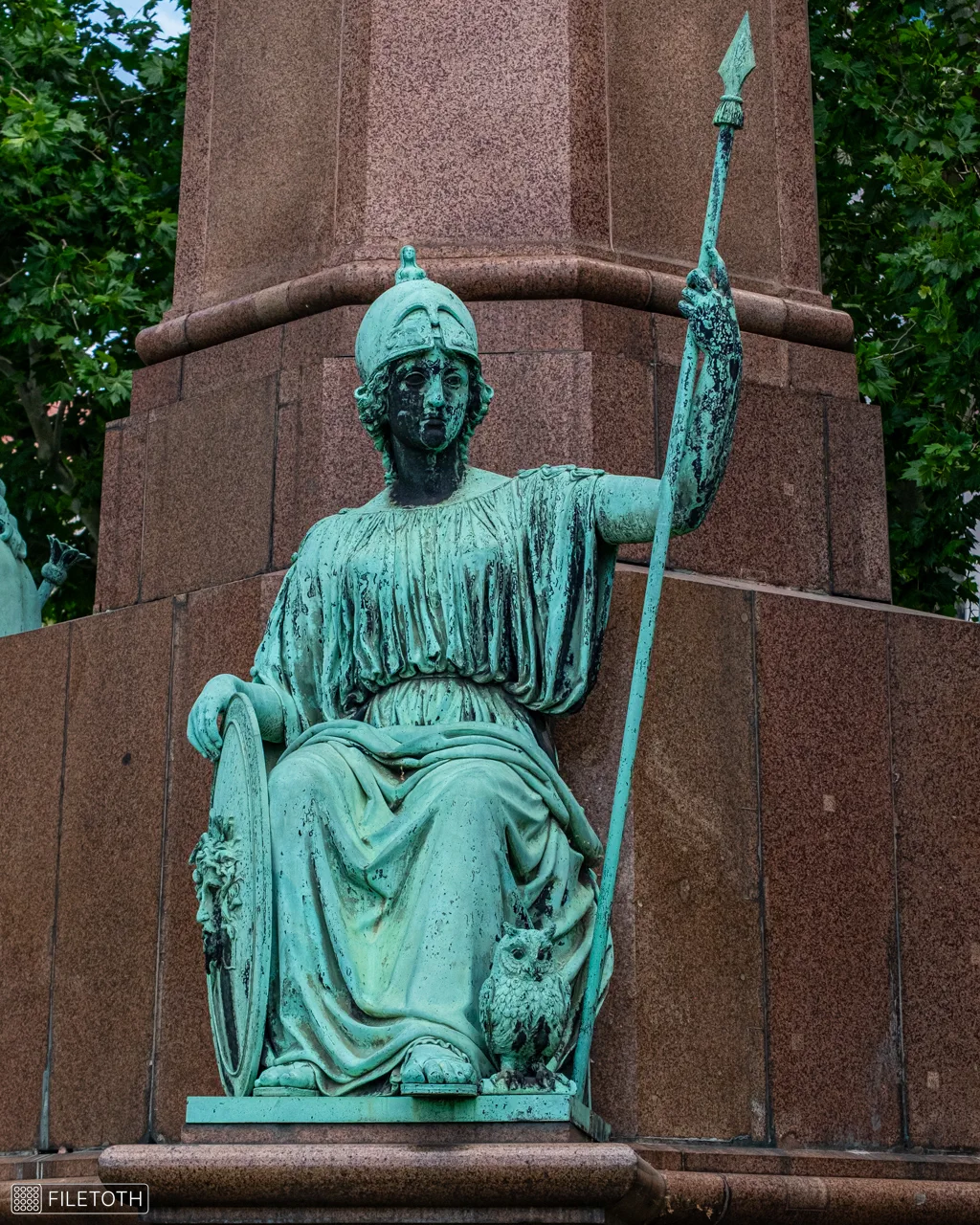
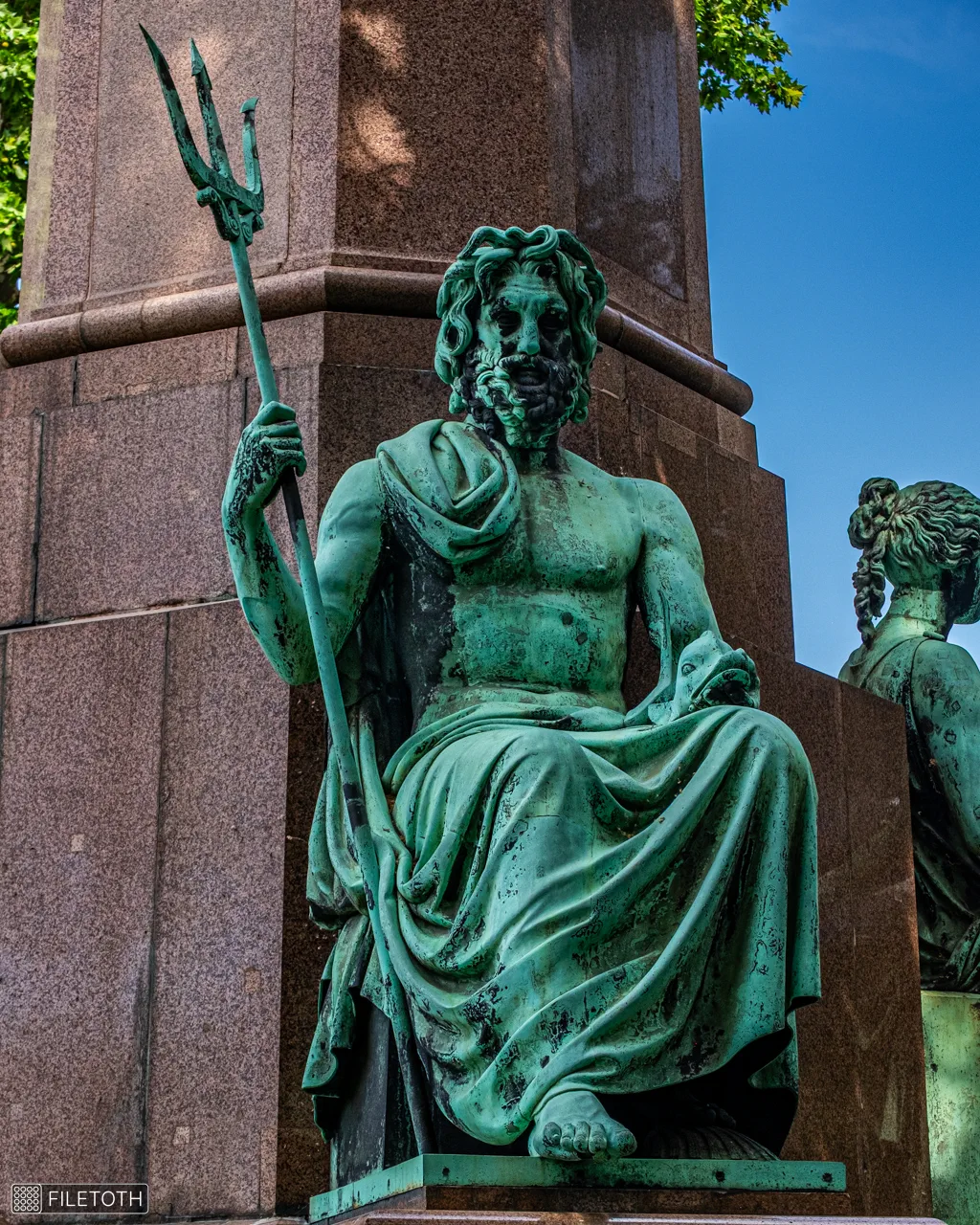
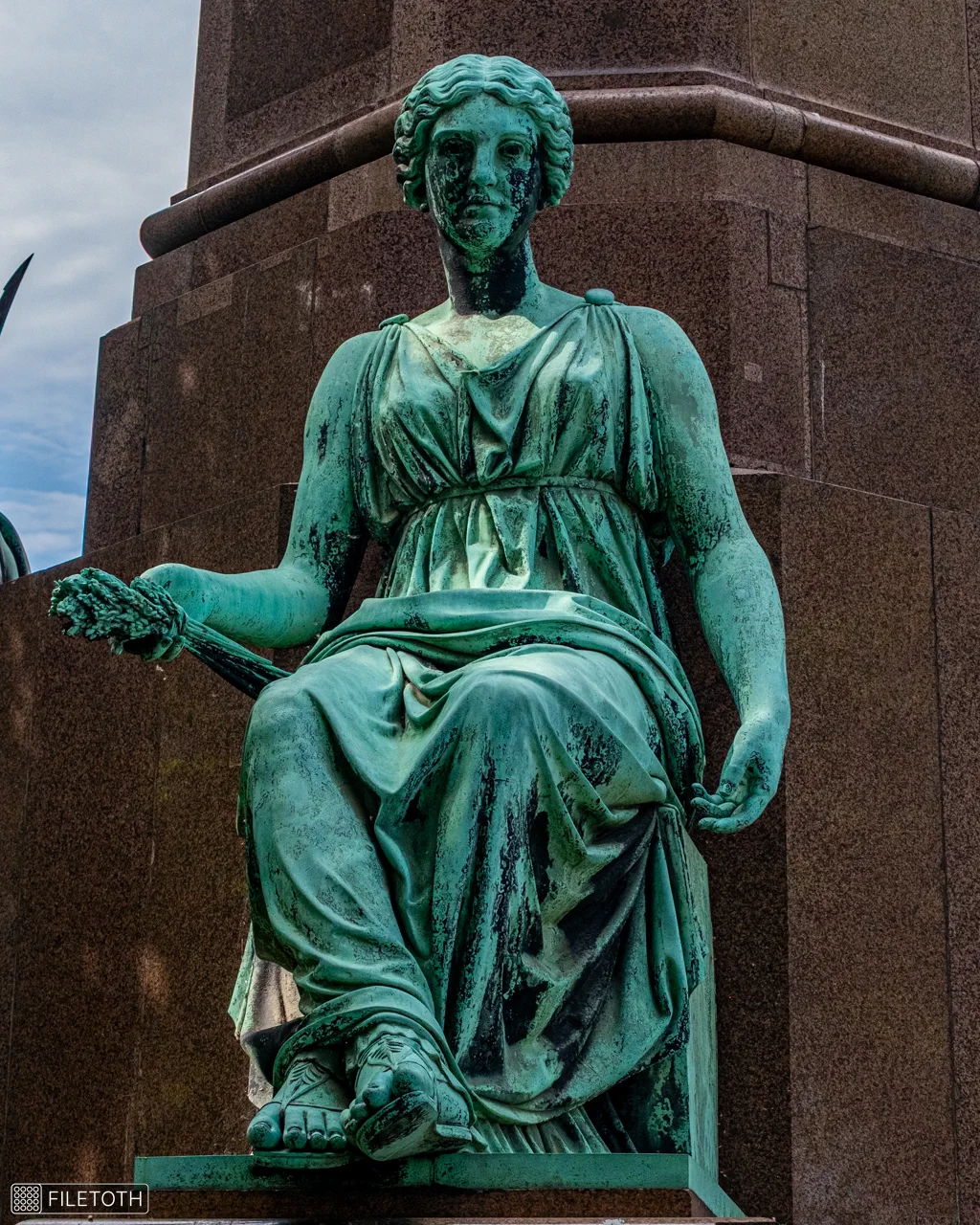
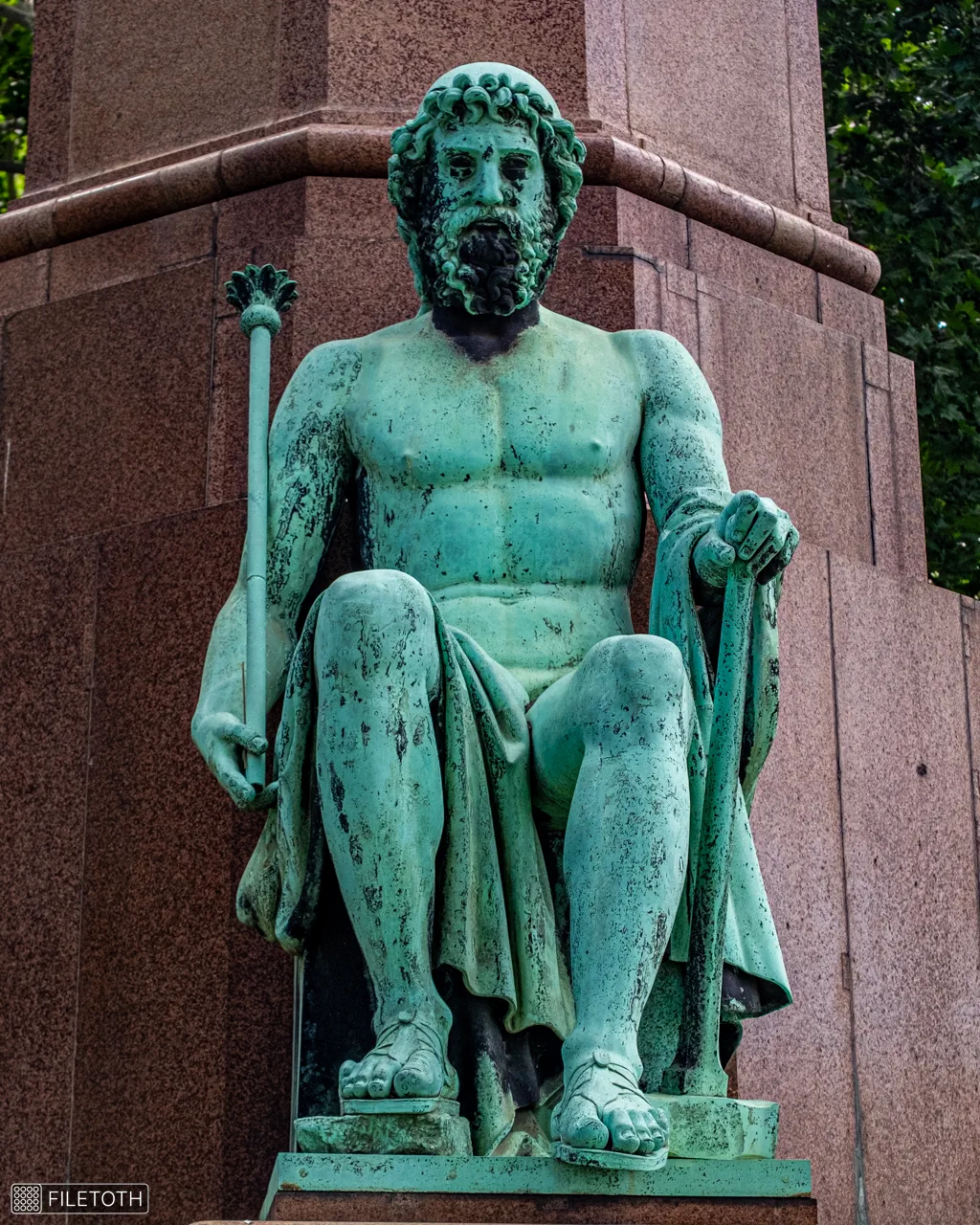
József Engel's monument was unveiled on May 23, 1880, in Széchenyi Square beside the Danube. Dressed in ceremonial Hungarian attire, Széchenyi rests one hand on his sword while extending a rolled document in the other, as though presenting ideas rather than issuing commands. Around the pedestal sit four allegorical figures: Minerva, Neptune, Vulcan, and Ceres, representing wisdom, navigation, industry, and agriculture. Together they embody the fields through which Széchenyi sought to modernize Hungary, transforming the monument into a celebration of civic responsibility and national progress.

Statue by József Engel, May 23, 1880. [ref.]
The Hand of Stewardship

Archduke Joseph of Austria Statue

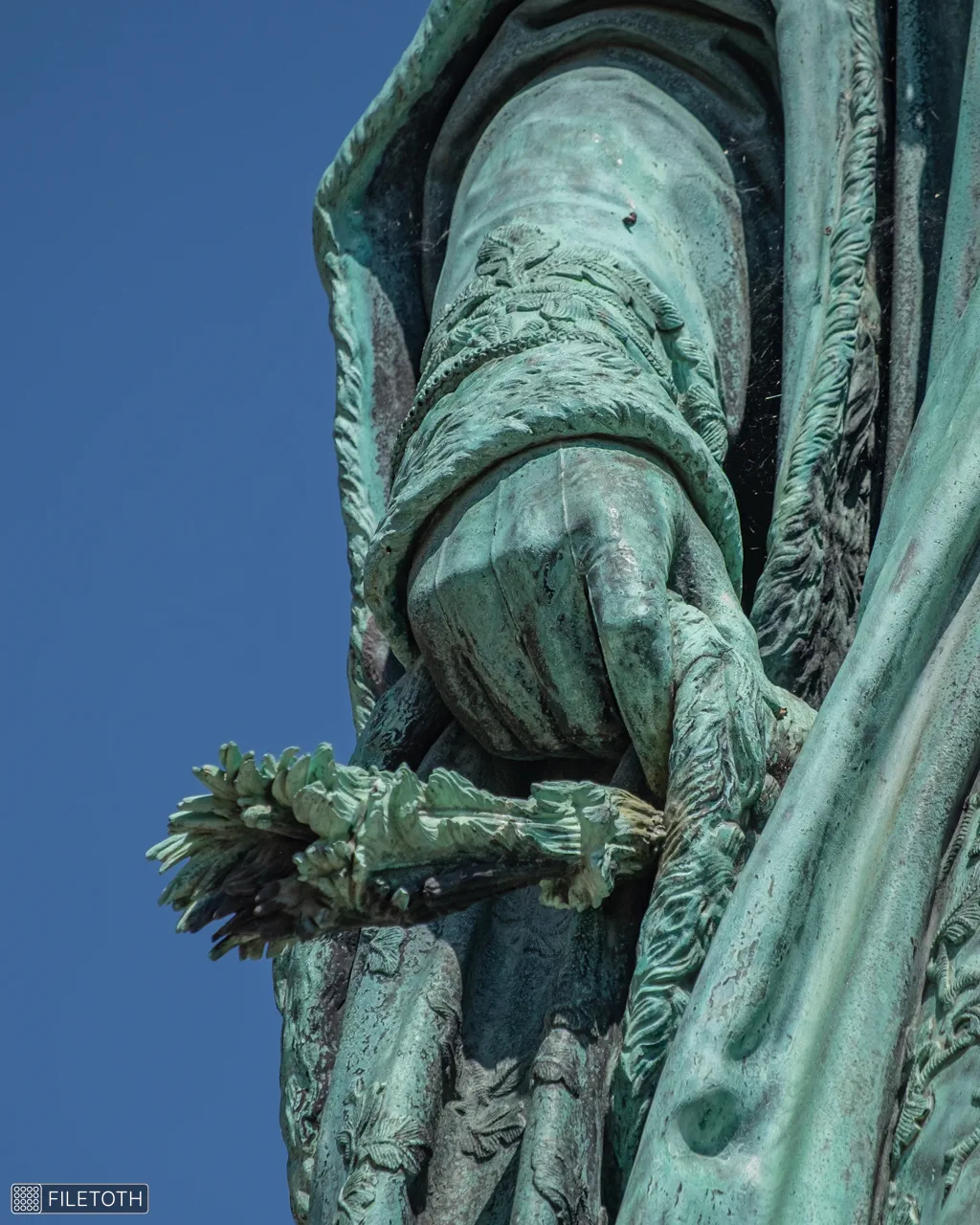
Close-up of Archduke Joseph's left hand gently holding his cloak.

Historical figure and era

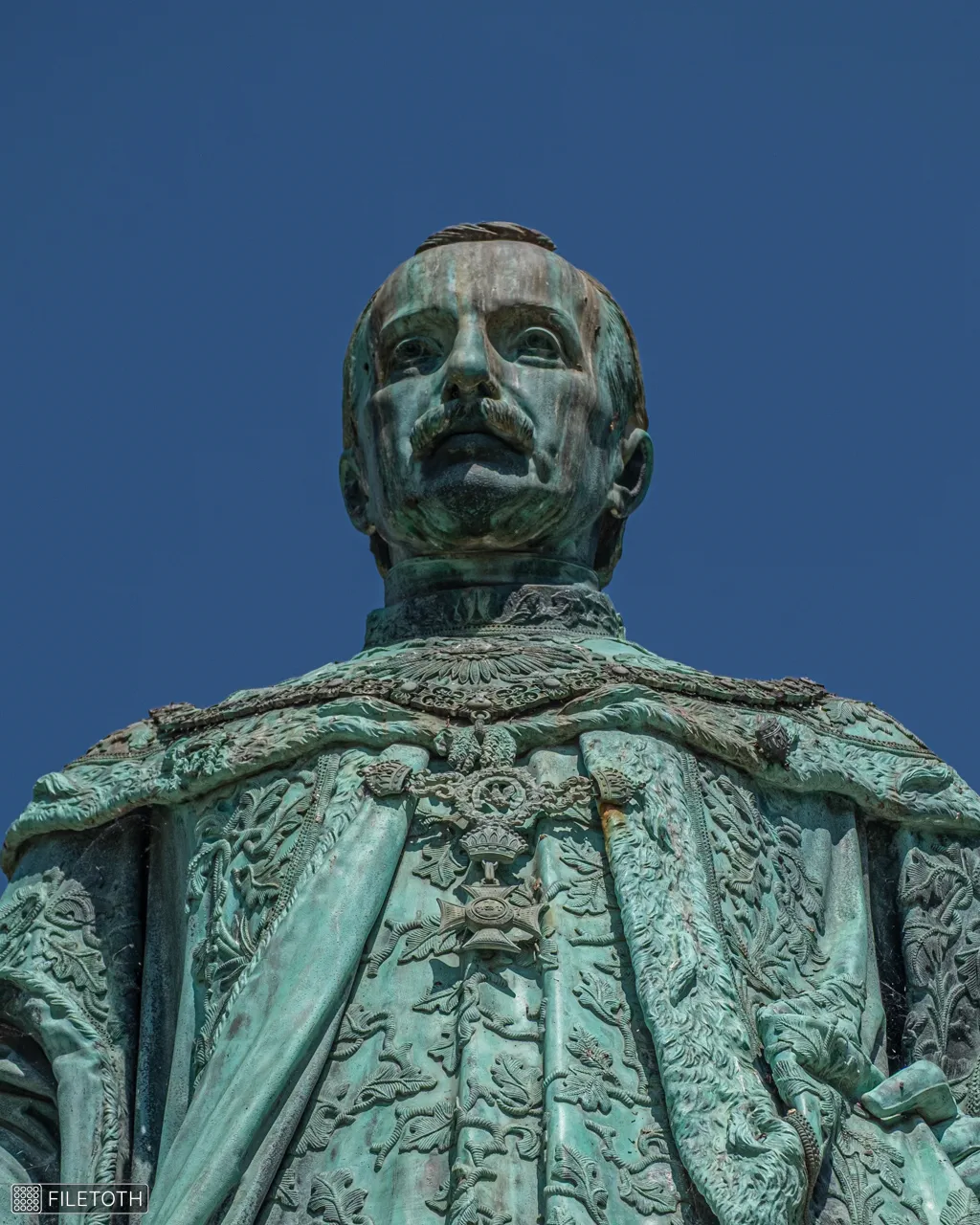
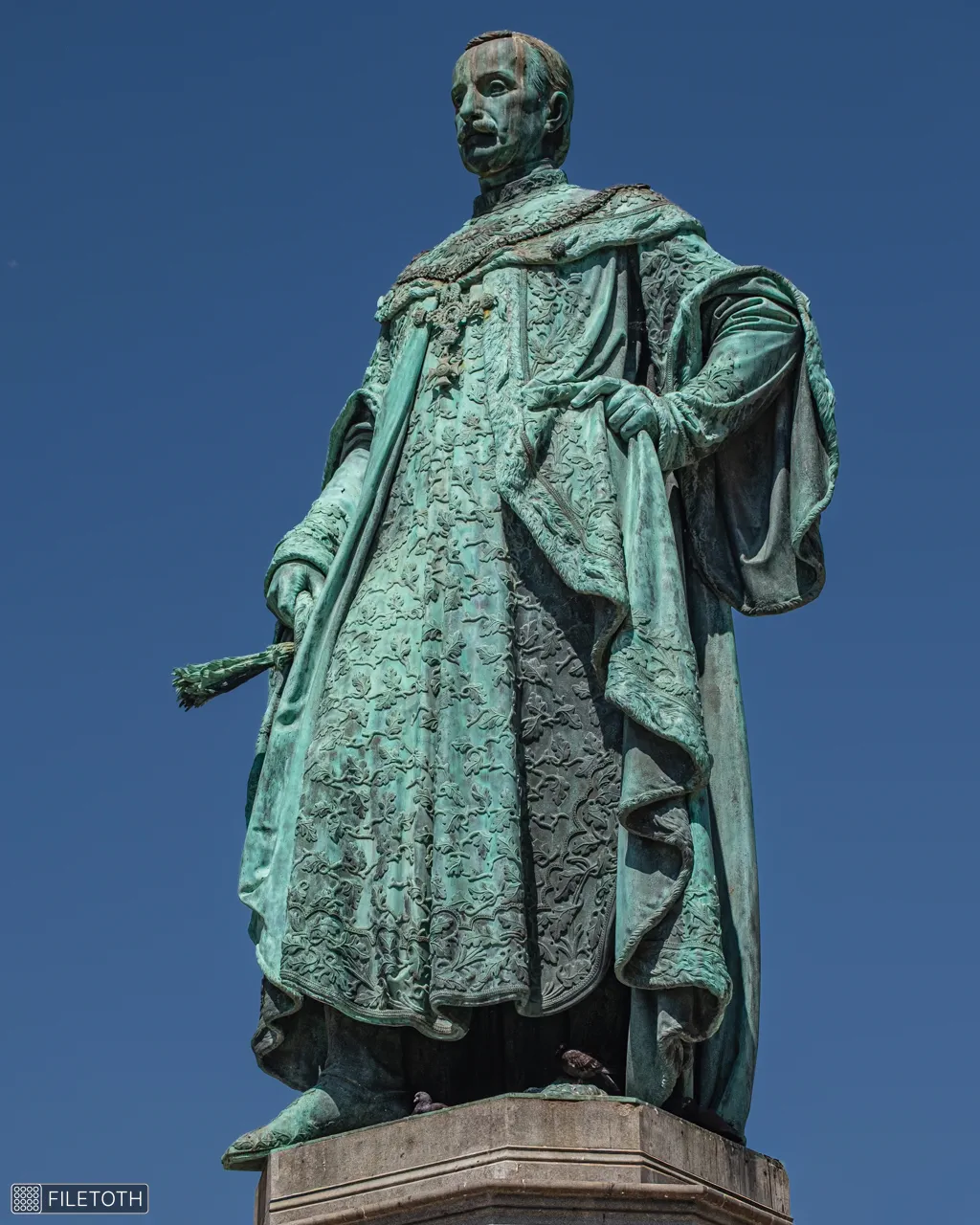
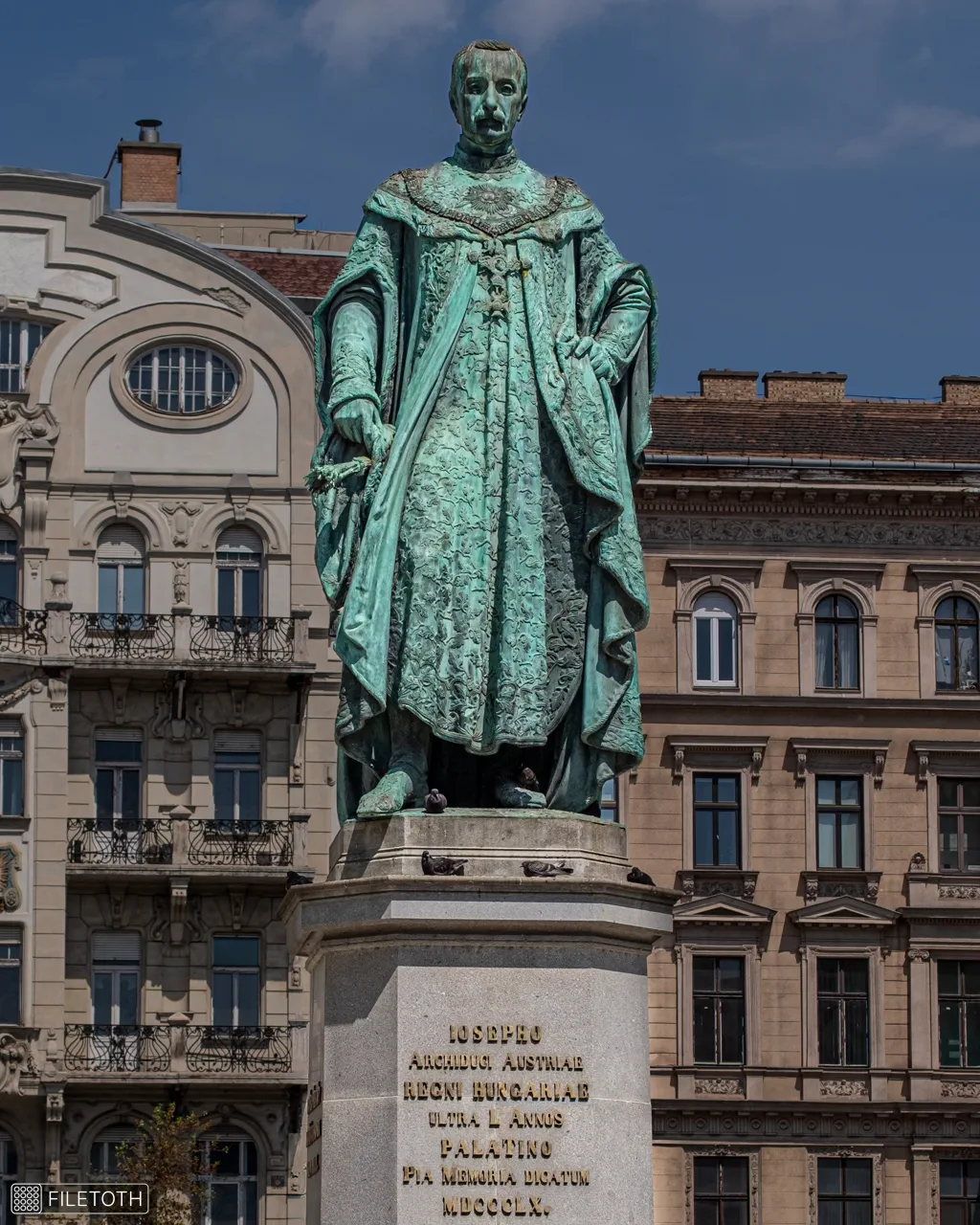
Archduke Joseph of Austria (1776–1847), known in Hungary as József nádor, served as Palatine of Hungary for almost fifty years. Respected across political and social boundaries, he devoted much of his life to the country's economic, cultural, and scientific development. His support for education, infrastructure, public institutions, and the modernization of Pest and Buda earned him lasting admiration as one of Hungary's most influential statesmen.

Creation and historical context

Plans to erect a public monument began soon after Joseph's death in 1847, but the Hungarian Revolution of 1848 delayed the project. Johann Halbig completed the bronze statue in Munich, and it arrived in Pest by ship in 1860, only to remain packed inside a wooden crate in the City Hall courtyard for nearly a decade while debates continued over funding, placement, and even the direction the statue should face. Finally unveiled on April 25, 1869, in the presence of Emperor Franz Joseph and Queen Elisabeth, the monument portrays a calm and dignified leader whose relaxed hands express careful stewardship rather than authority.

Statue by Johann Halbig, unveiled April 25, 1869. [ref.]
The Hand of Principle

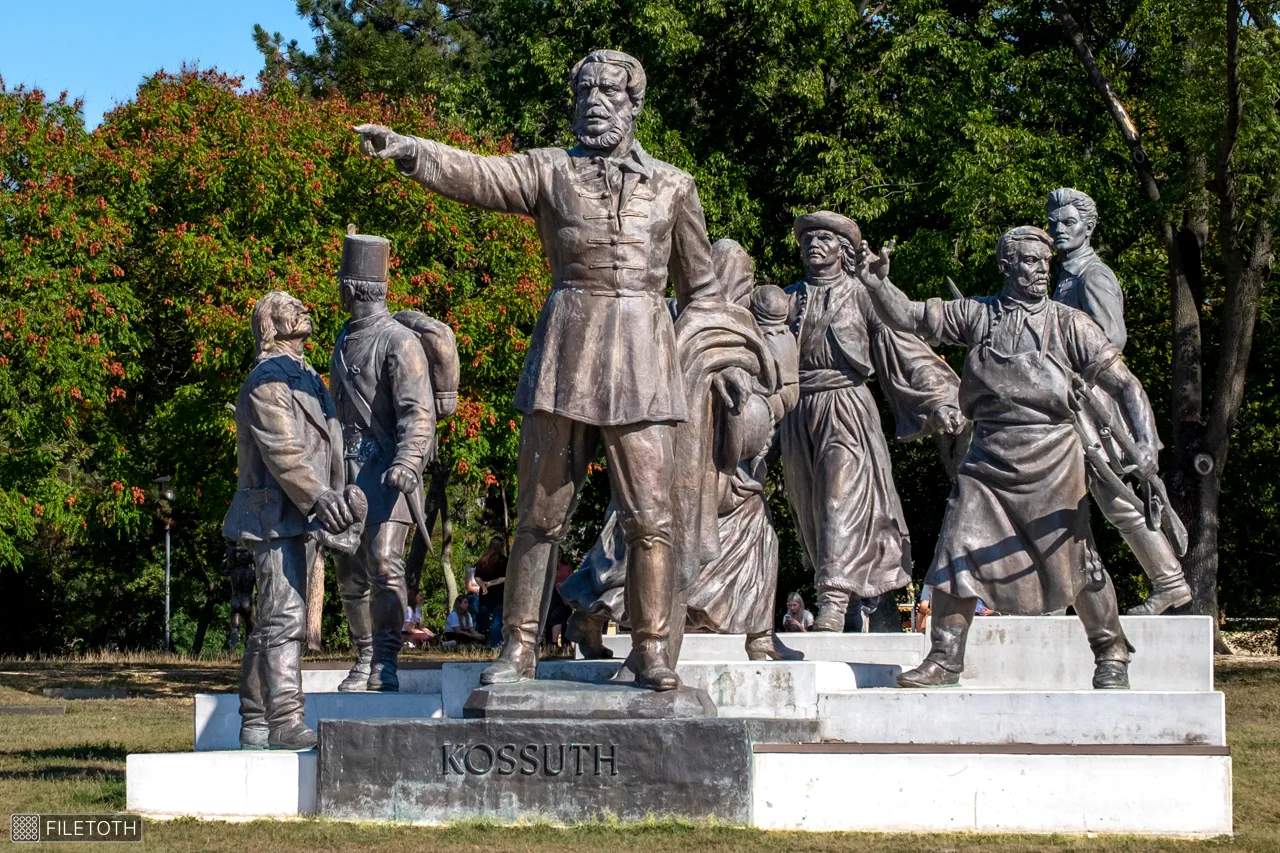
Kossuth Memorial

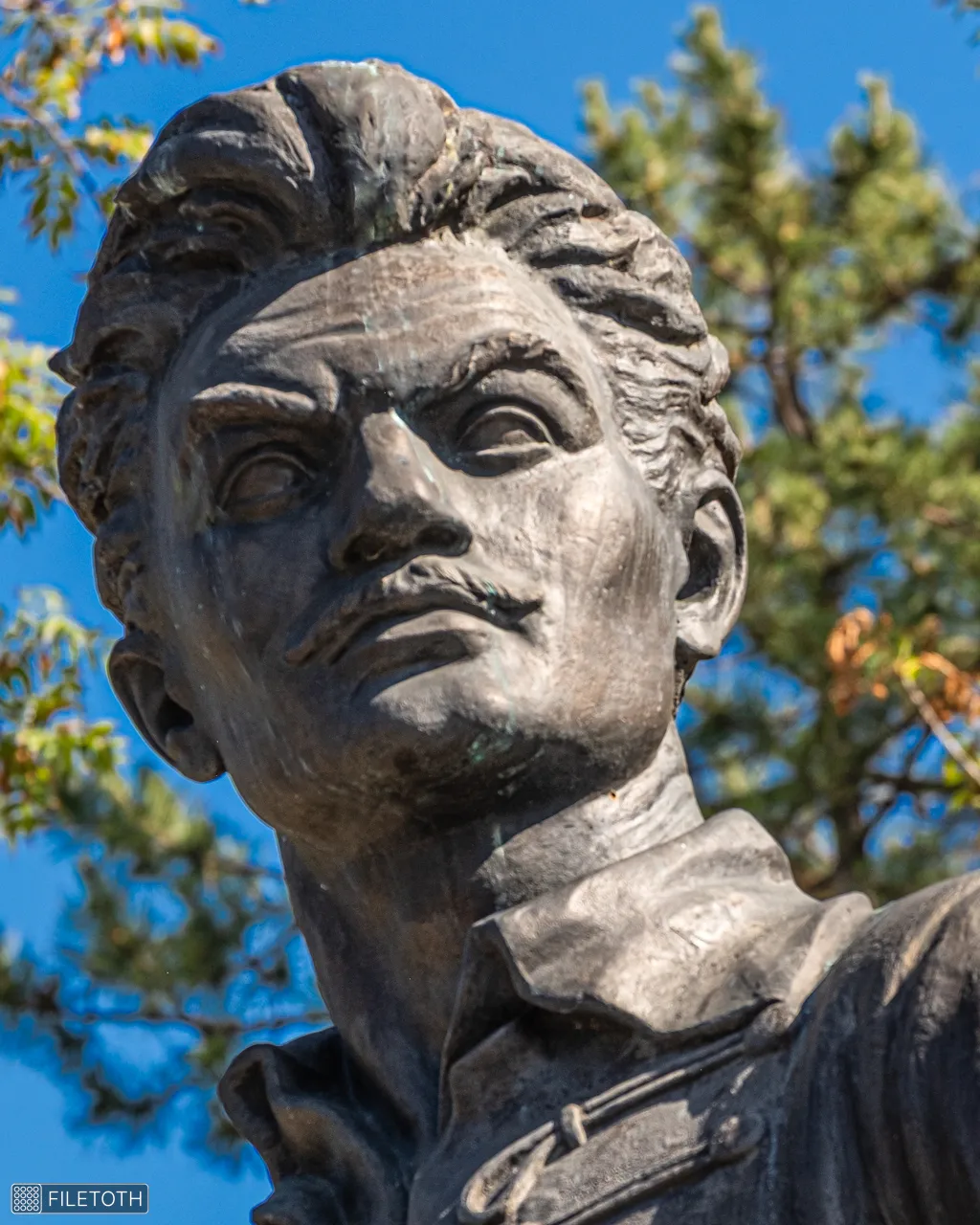
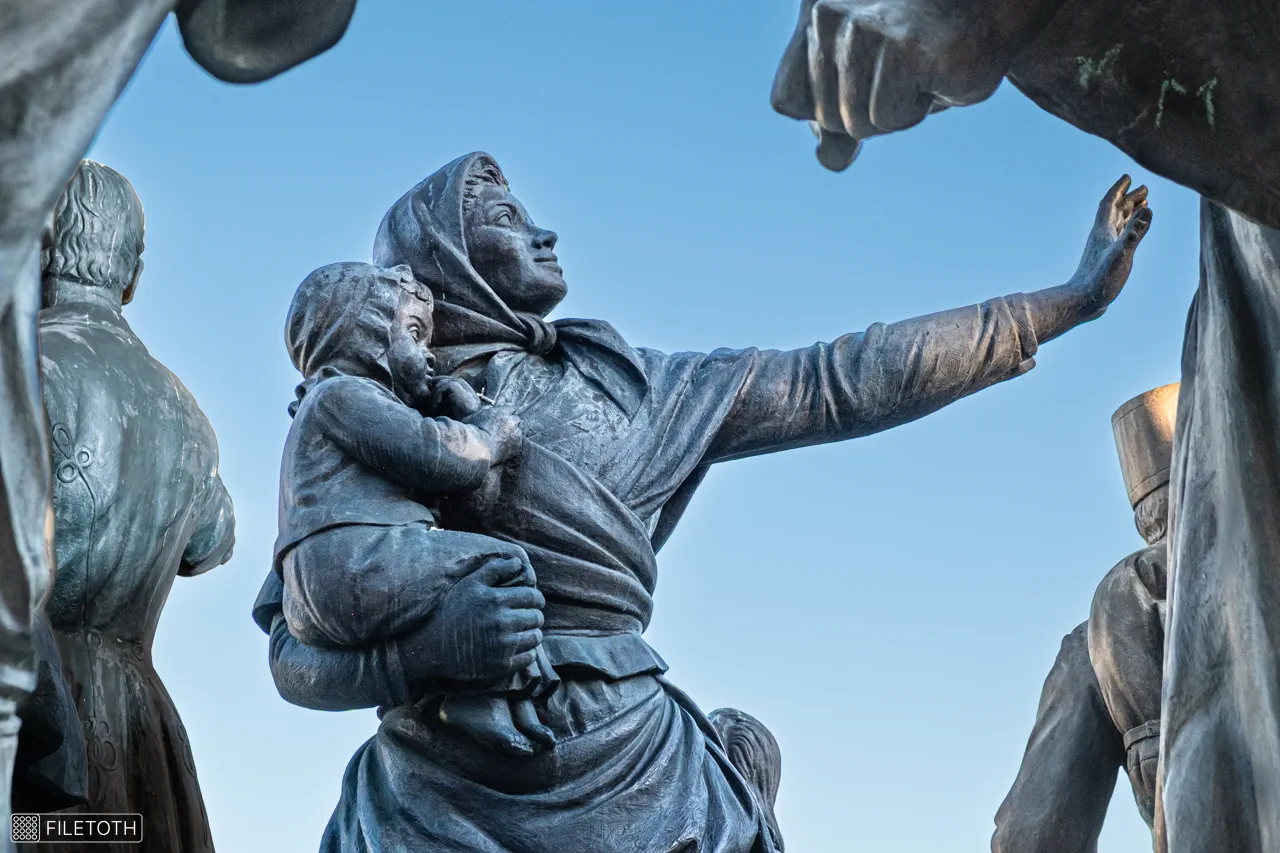
Close-up of Lajos Kossuth's partially raised left fist.

Historical figure and era

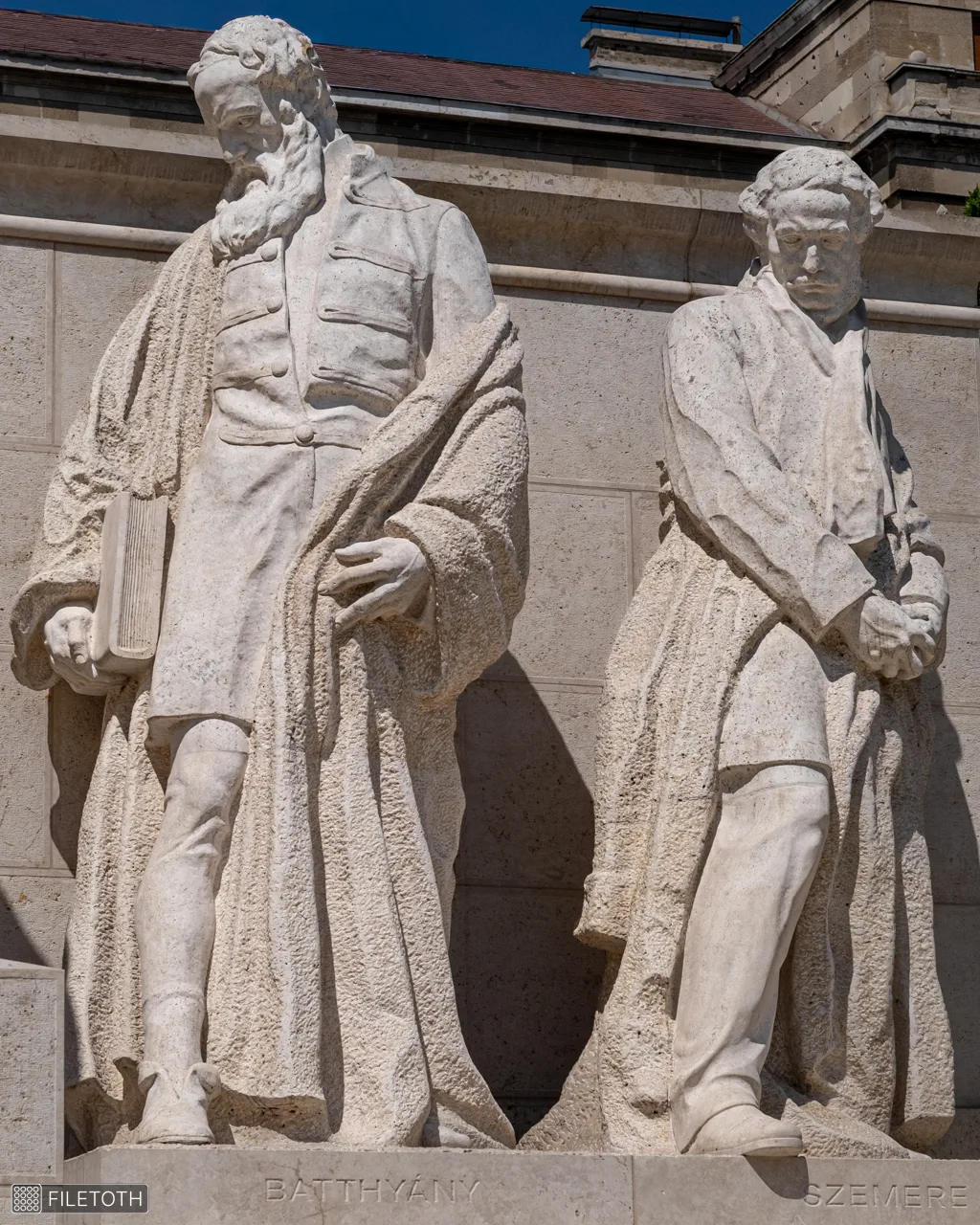
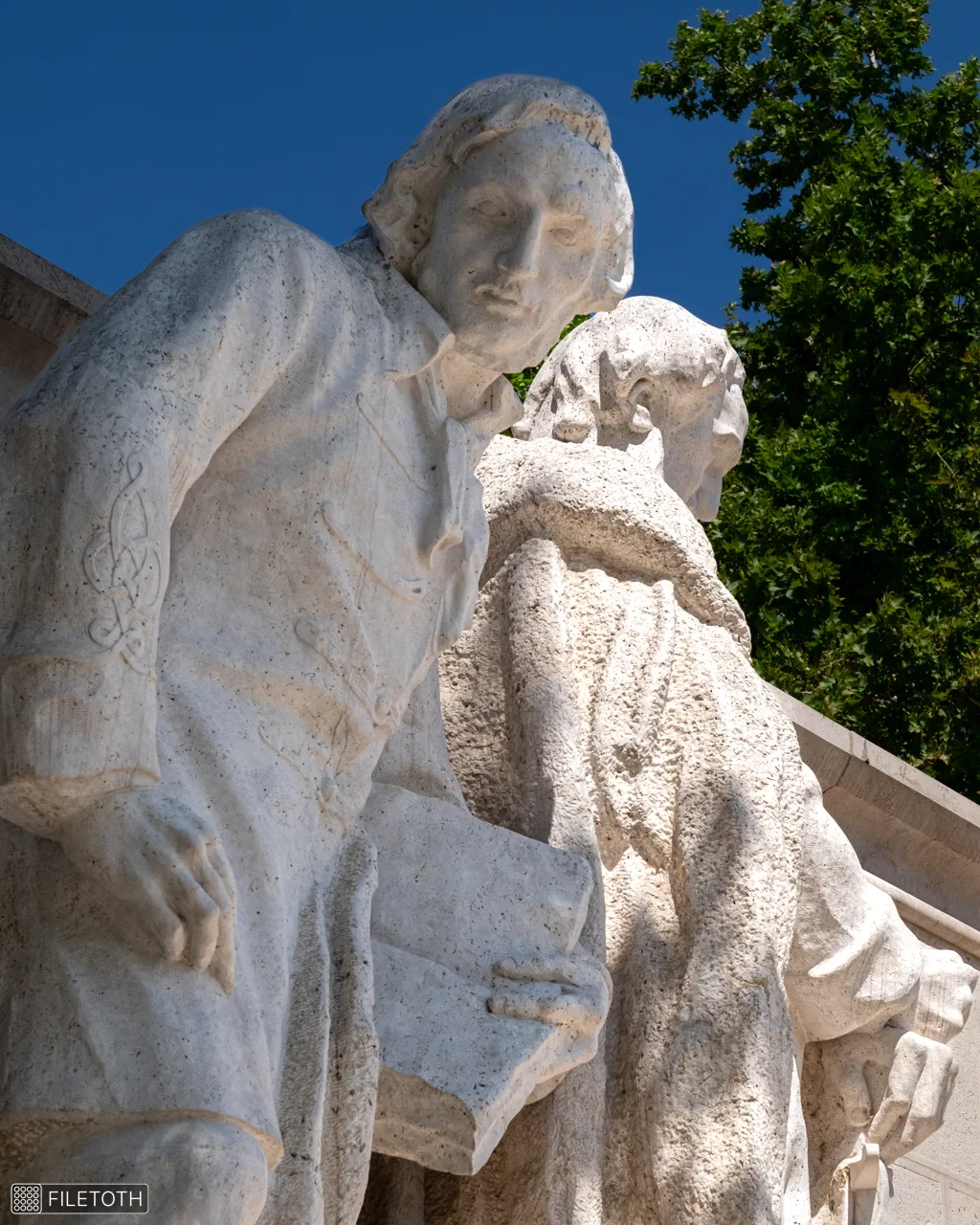
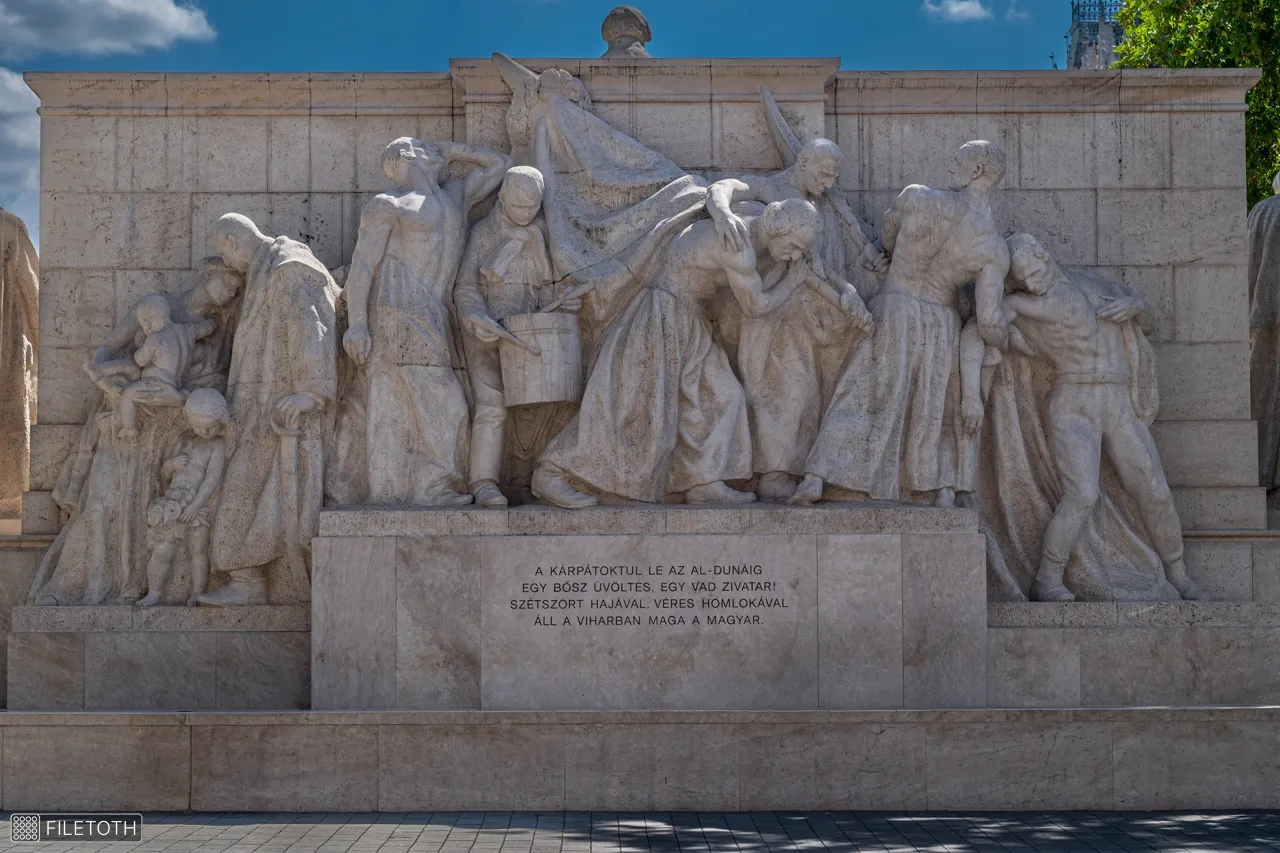
The Kossuth Memorial places Lajos Kossuth, Minister of Finance in Hungary's first responsible government of 1848, at the center of a monumental group portraying the leading members of the Batthyány government. Rather than celebrating a single individual, the composition presents a generation of statesmen whose decisions shaped modern Hungarian constitutional history.

Creation and historical context

Created by János Horvay and unveiled on 6 November 1927, the memorial originally stood beside the Hungarian Parliament. Removed in 1952, the sculptural group was preserved in Dombóvár before an exact reconstruction was erected in Budapest in 2014. Kossuth steps slightly forward, his left hand held close in a restrained fist while his right hand remains relaxed behind him. The contained gesture expresses inner determination rather than public oratory, contrasting with the open-handed Kossuth familiar from many other monuments.

Memorial by János Horvay, unveiled on 6 November 1927; reconstructed in 2014. [ref.]
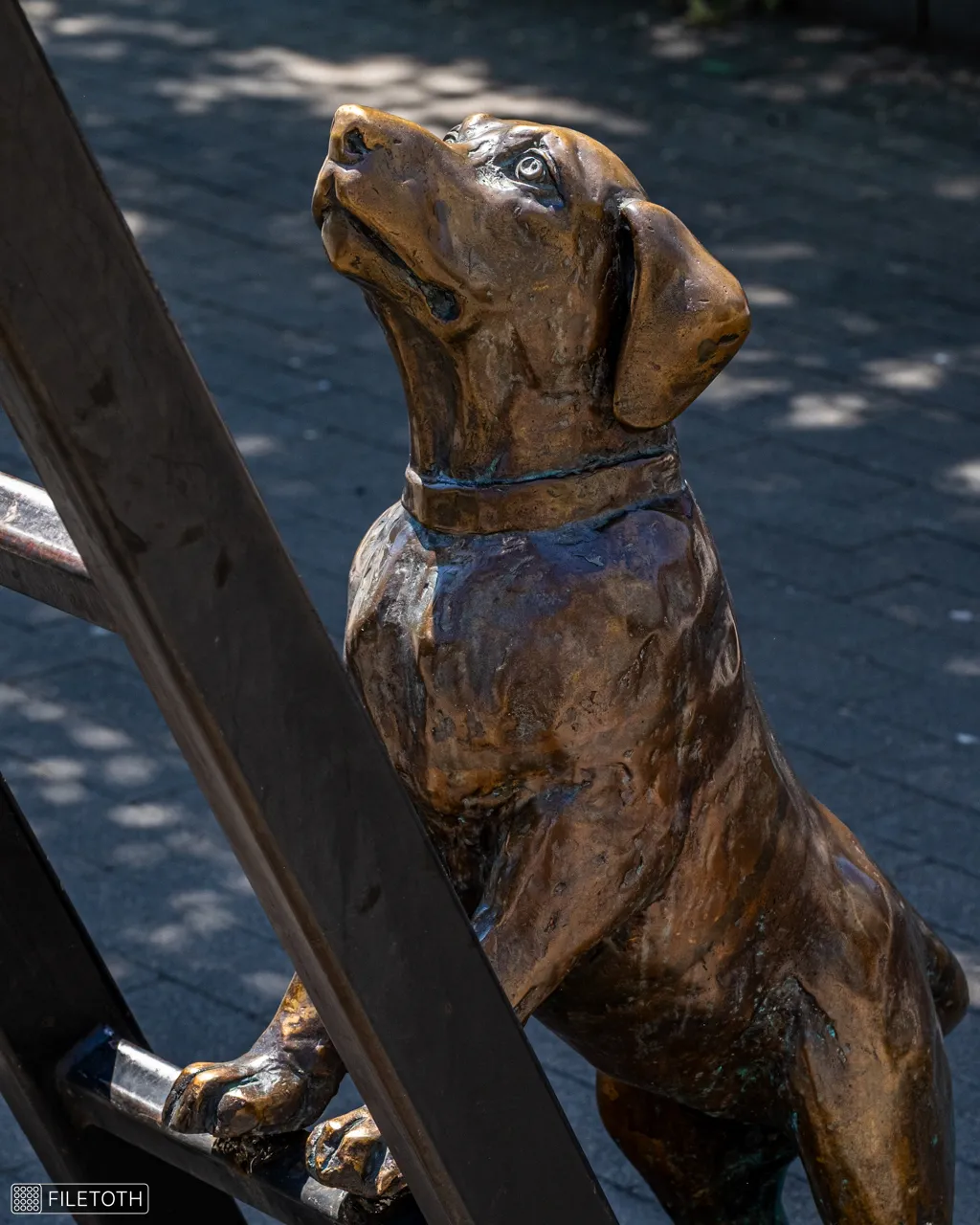
The Hand of Restraint

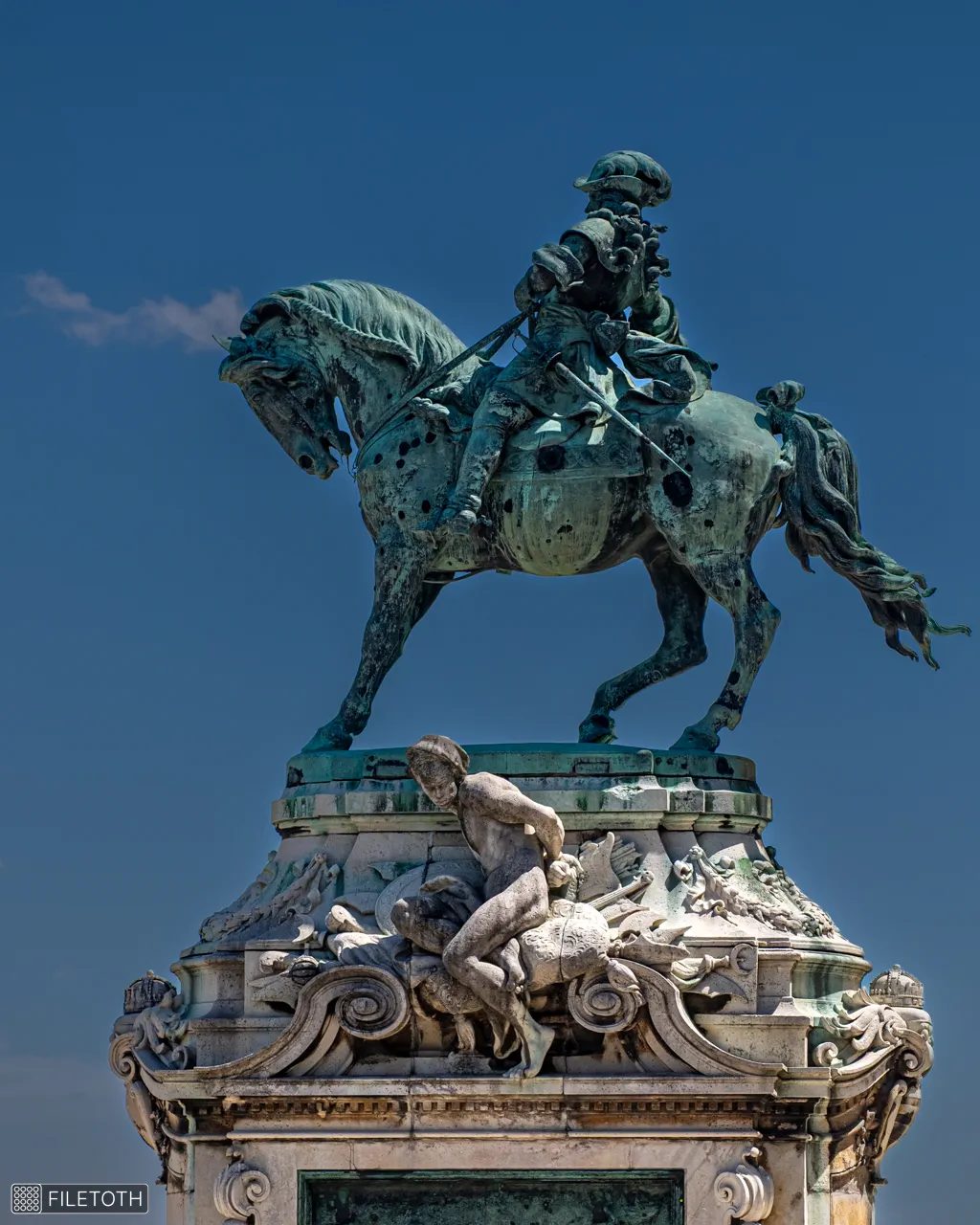
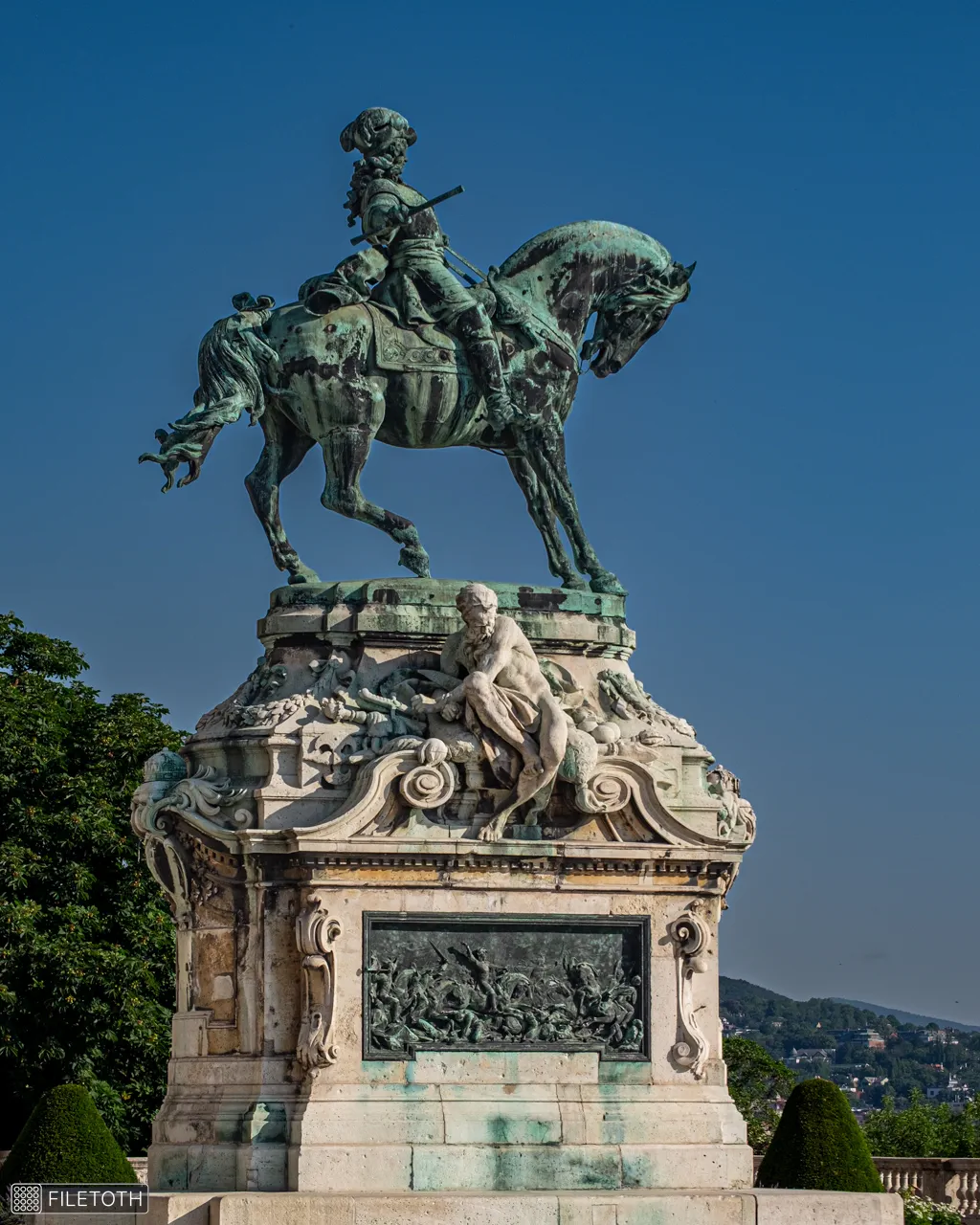
Prince Eugene of Savoy's Equestrian Statue

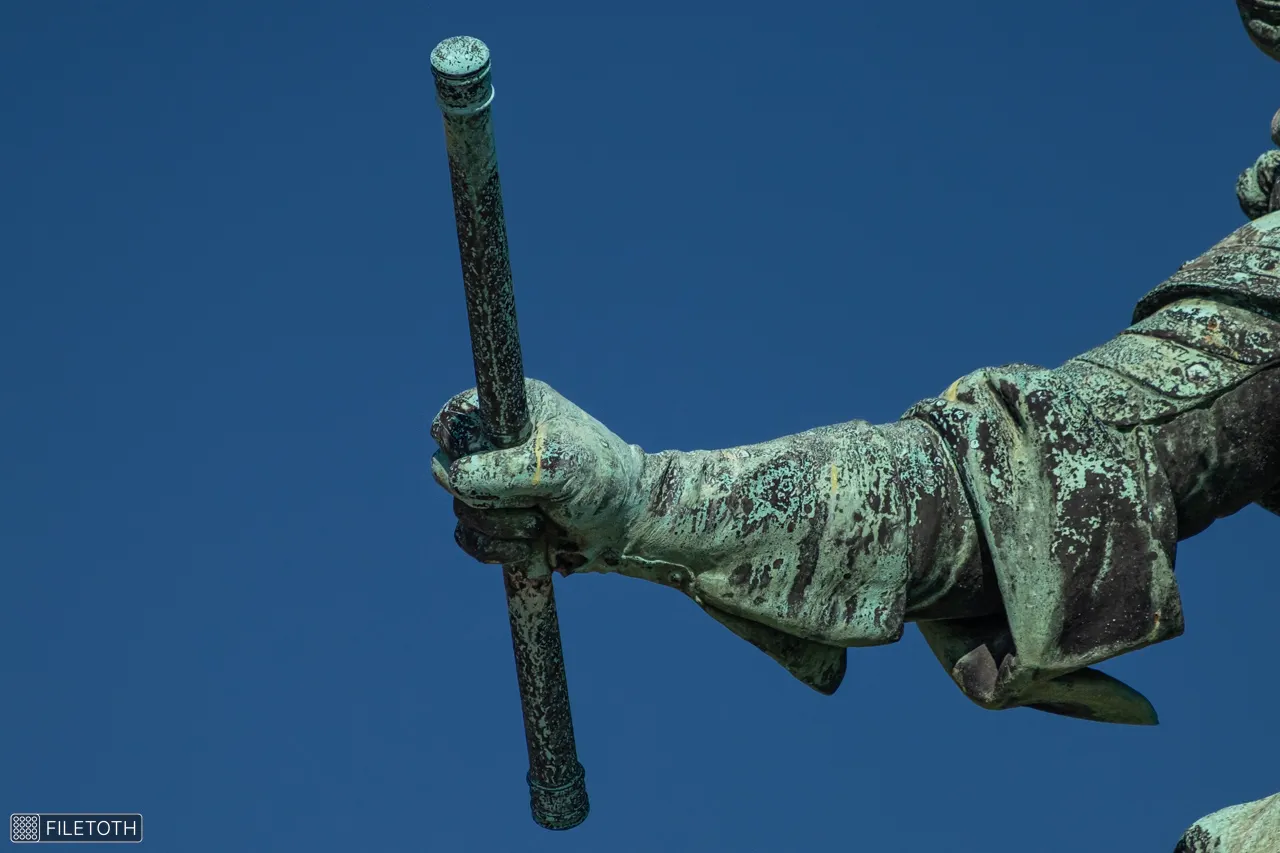
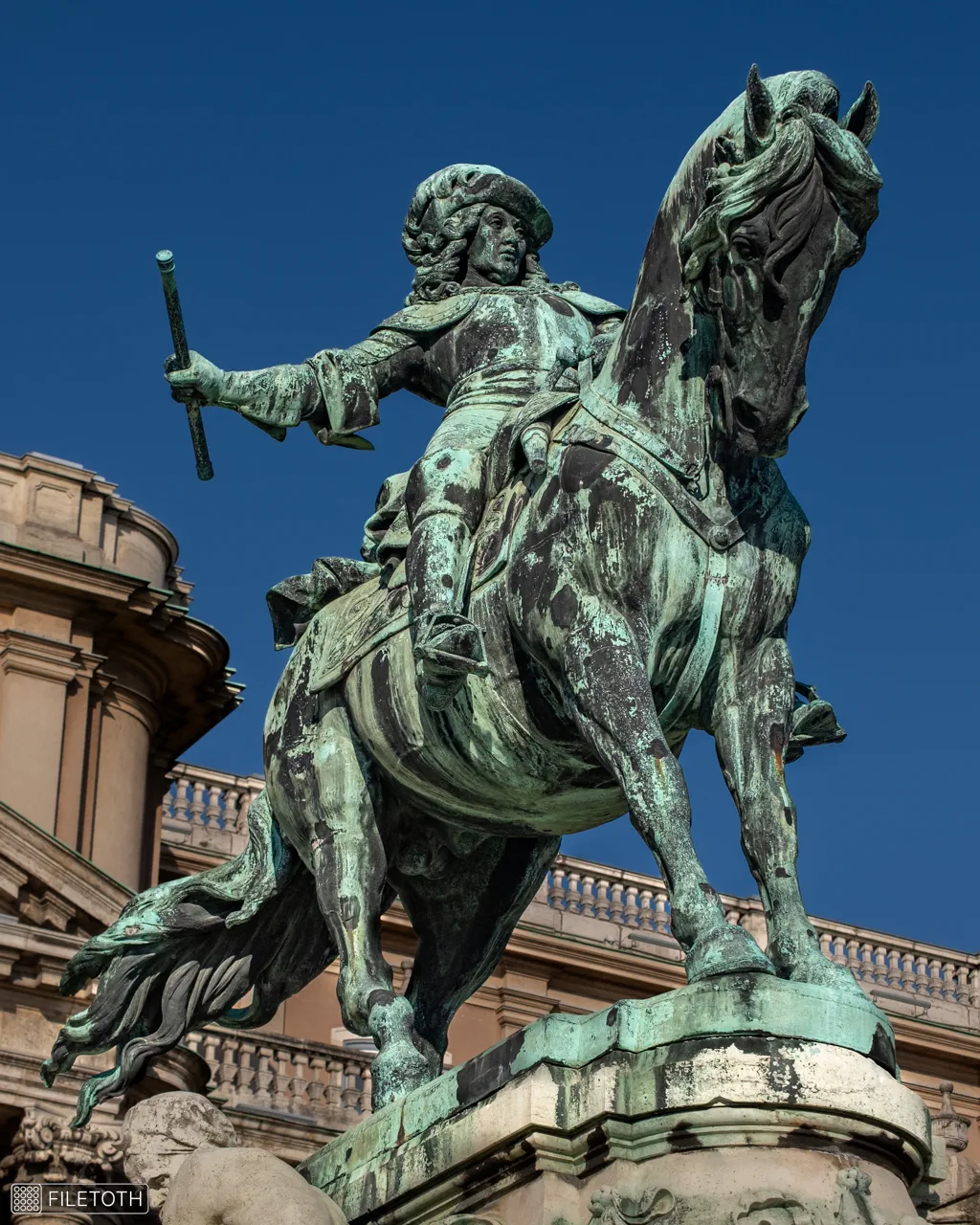
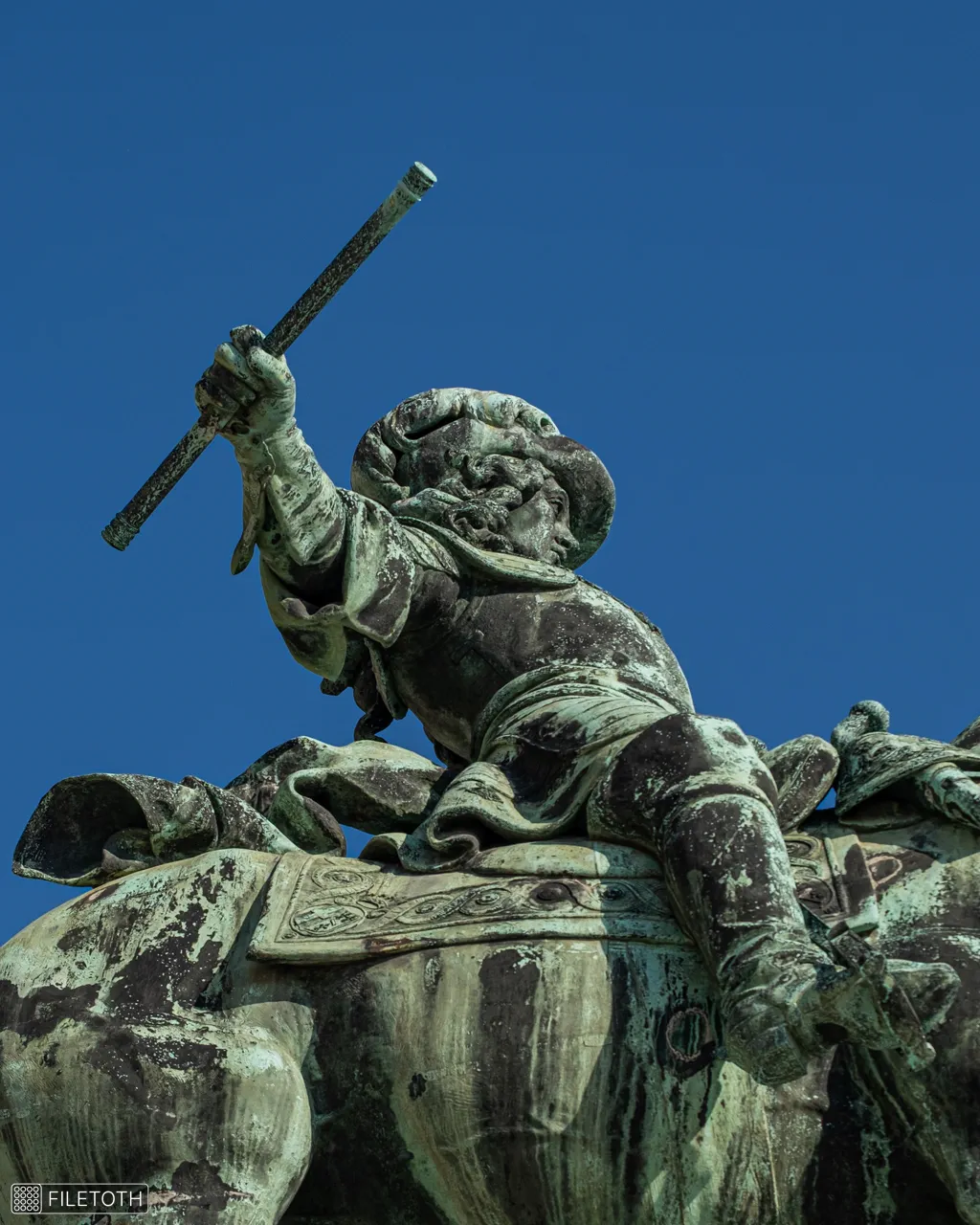
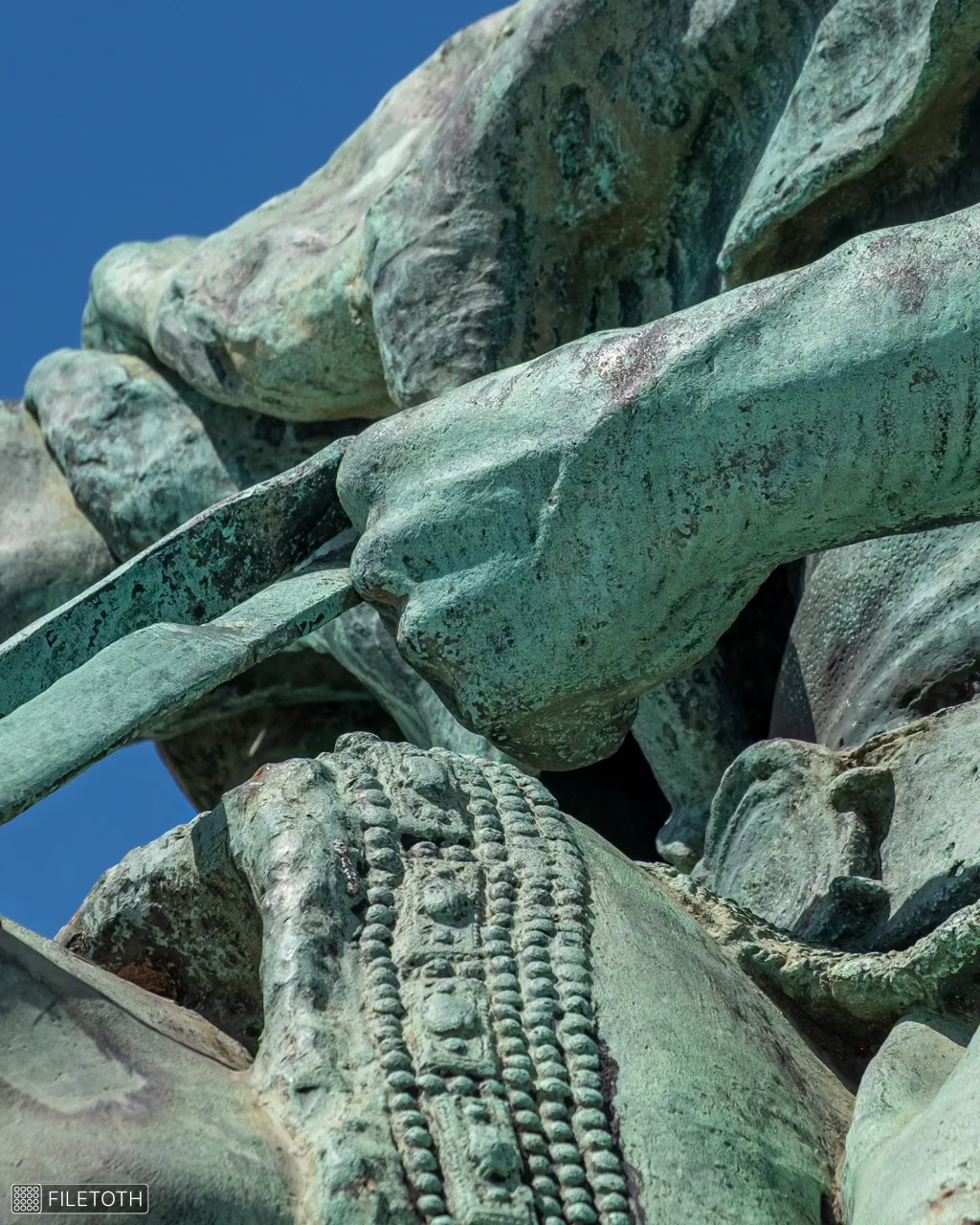
Close-up of Prince Eugene's right hand holding the commander's baton.

Historical figure and era

Prince Eugene of Savoy (1663–1736) was one of Europe's most accomplished military commanders and a leading general of the Habsburg Monarchy. His victories against the Ottoman Empire, especially the decisive Battle of Zenta in 1697, played a pivotal role in ending Ottoman dominance over much of Hungary and reshaped the political landscape of Central Europe.

Creation and historical context

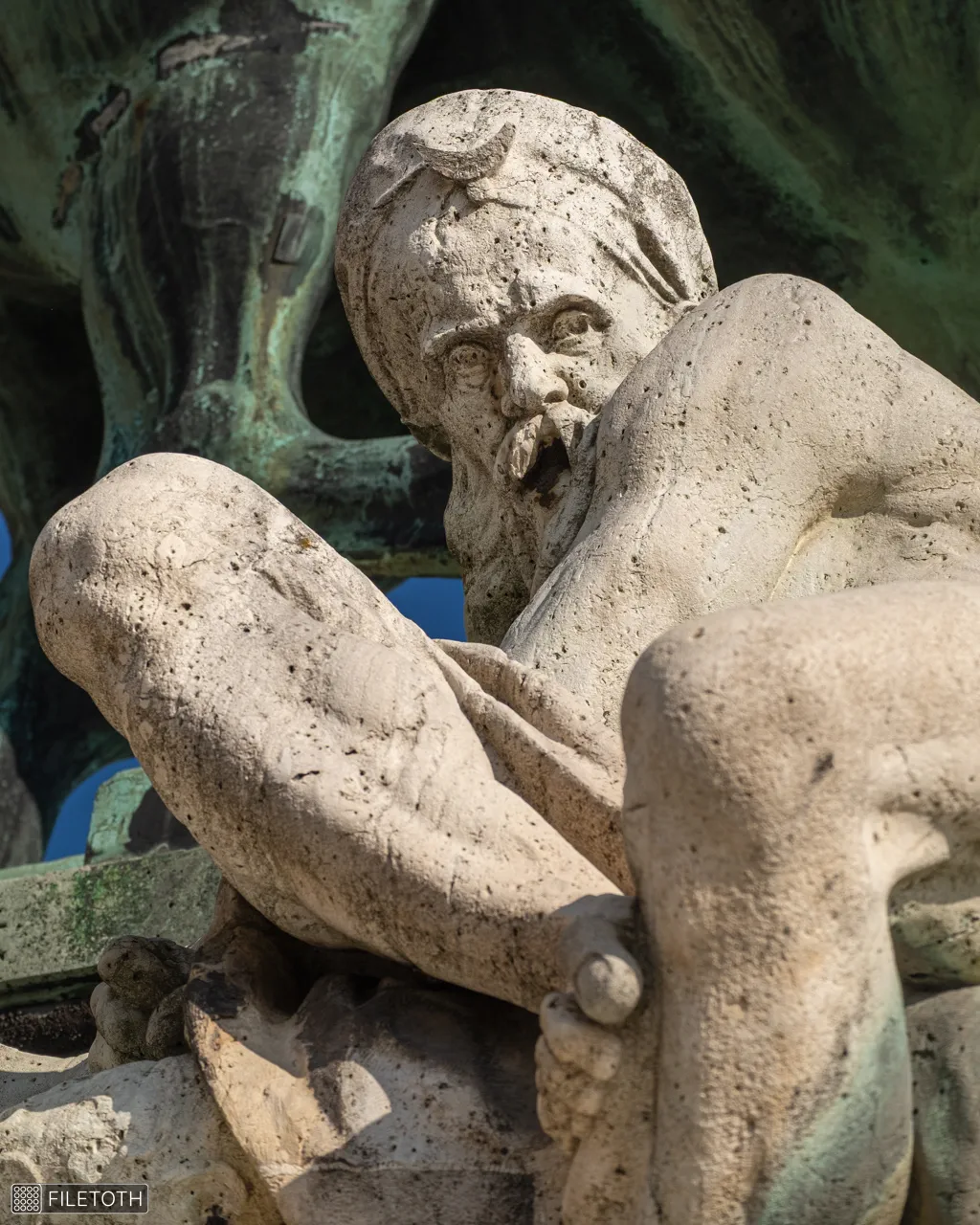
József Róna originally created the monument for the city of Zenta, but the project could not be completed because sufficient funds were never raised. After the equestrian statue was exhibited in front of Budapest's Műcsarnok in 1899, Emperor Franz Joseph suggested placing it before Buda Castle instead, observing that no one could object to honoring the commander who had helped liberate Hungary from Ottoman rule. Installed in 1900, the monument was damaged during the Second World War, dismantled in 1968, and returned to its present location after restoration in 1971. Savoy's left hand restrains the horse while his right holds the commander's baton, capturing the calm discipline of a leader surveying the battlefield rather than rushing into it.

Statue by József Róna, 1899. [ref.]
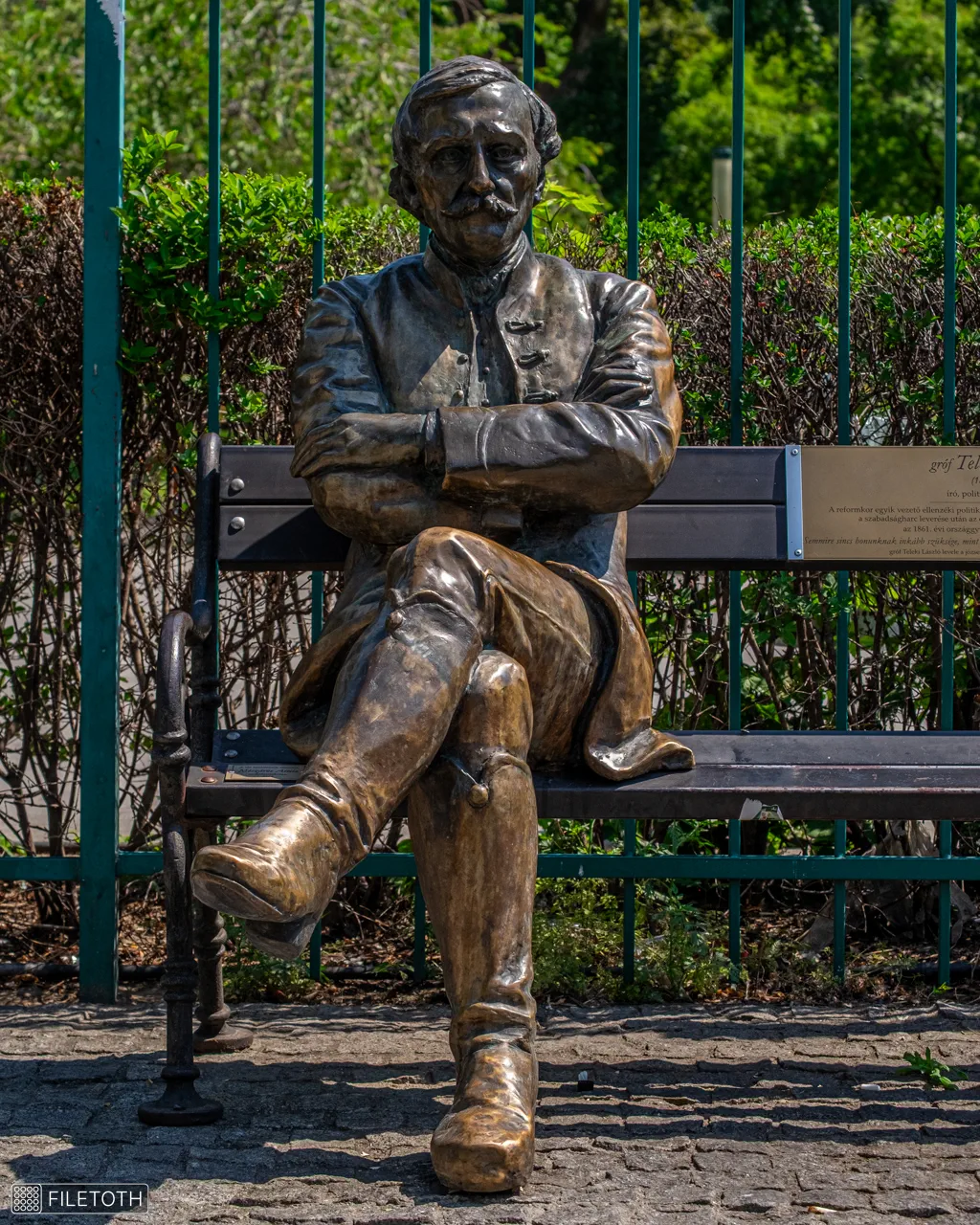
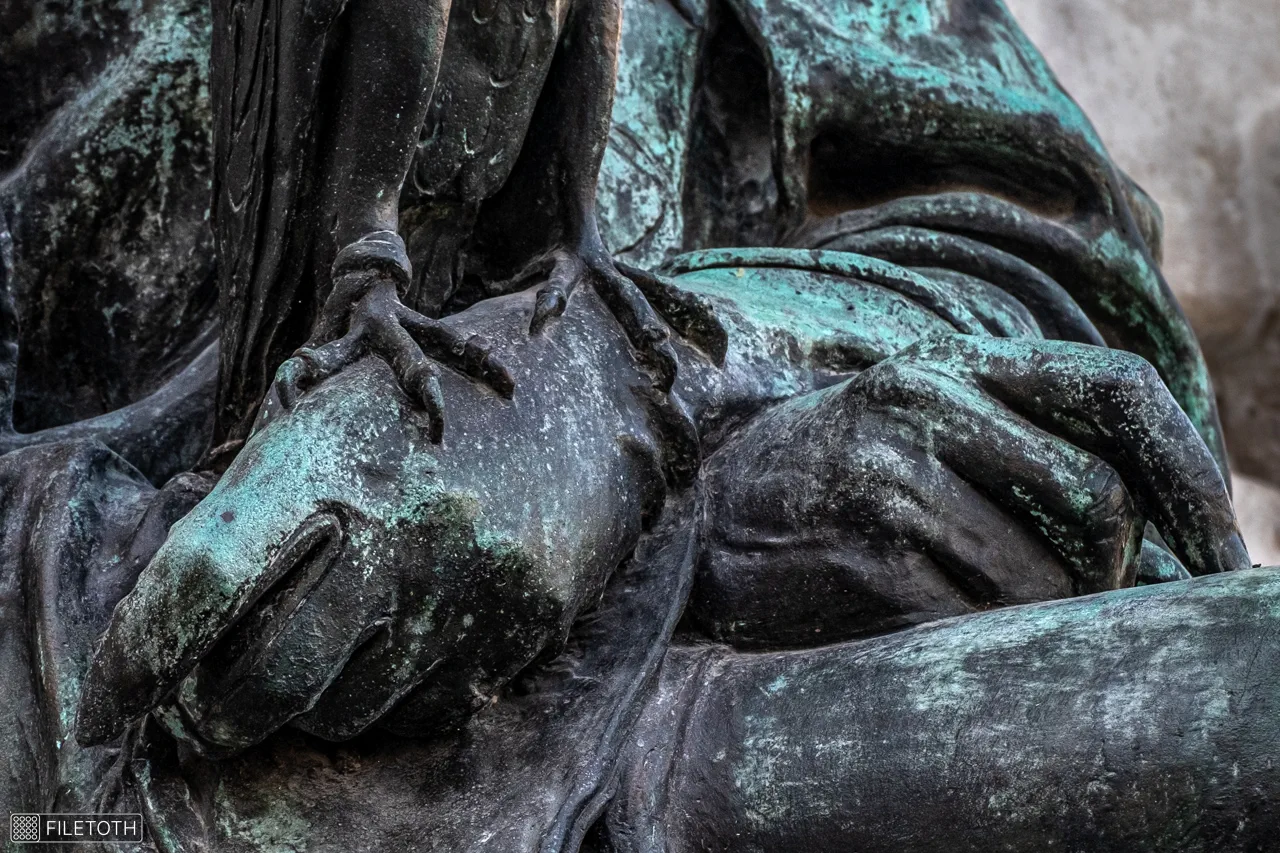
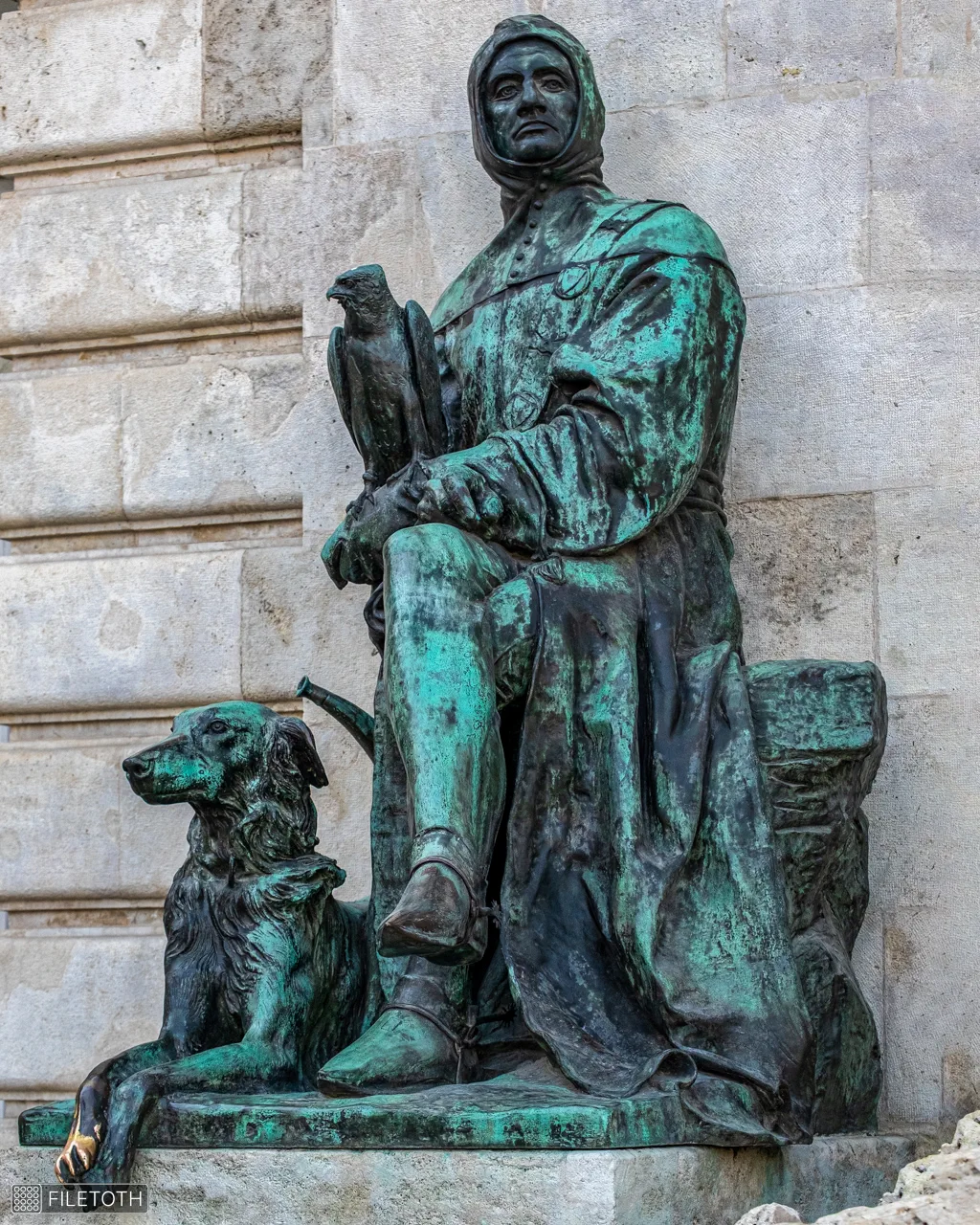
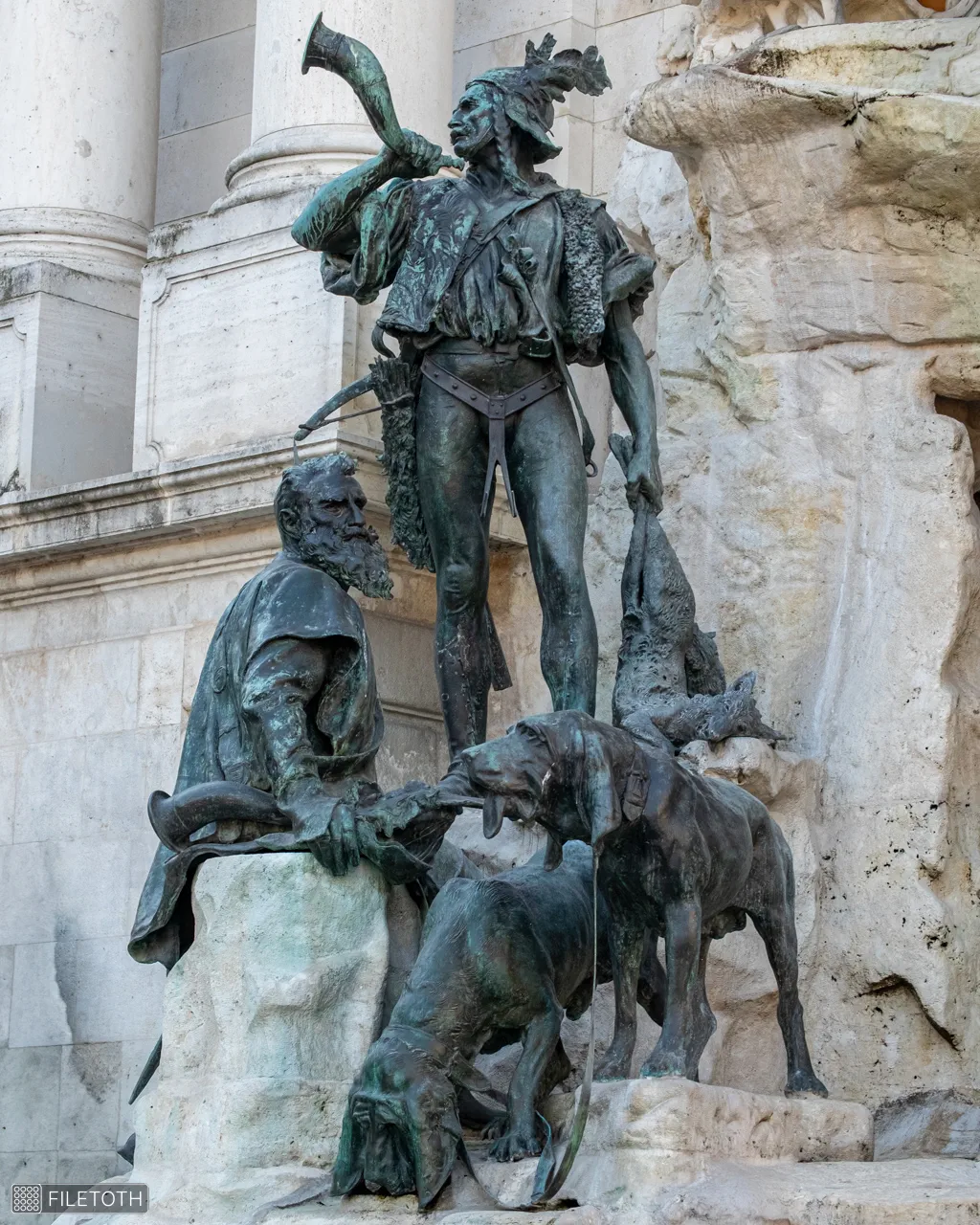
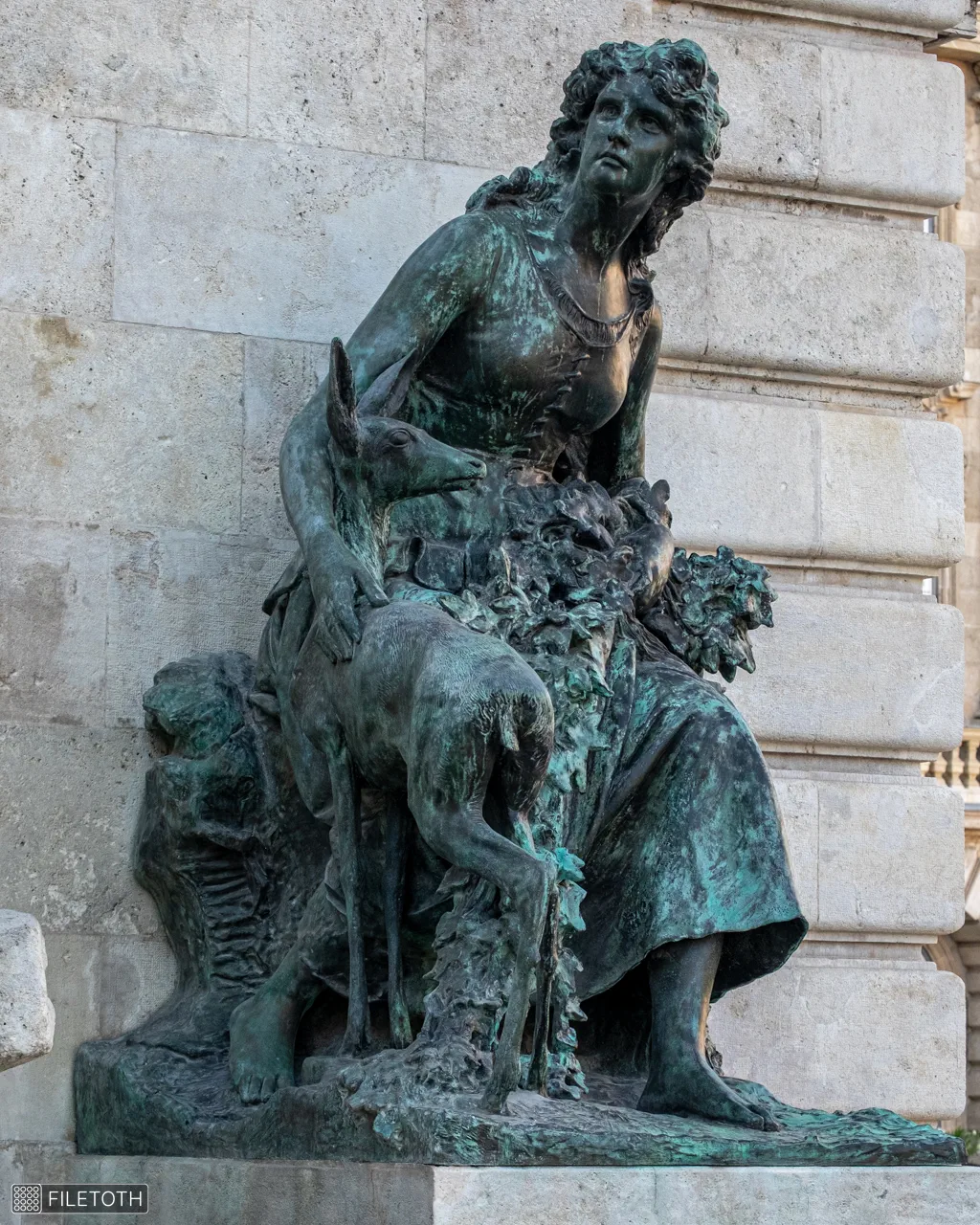
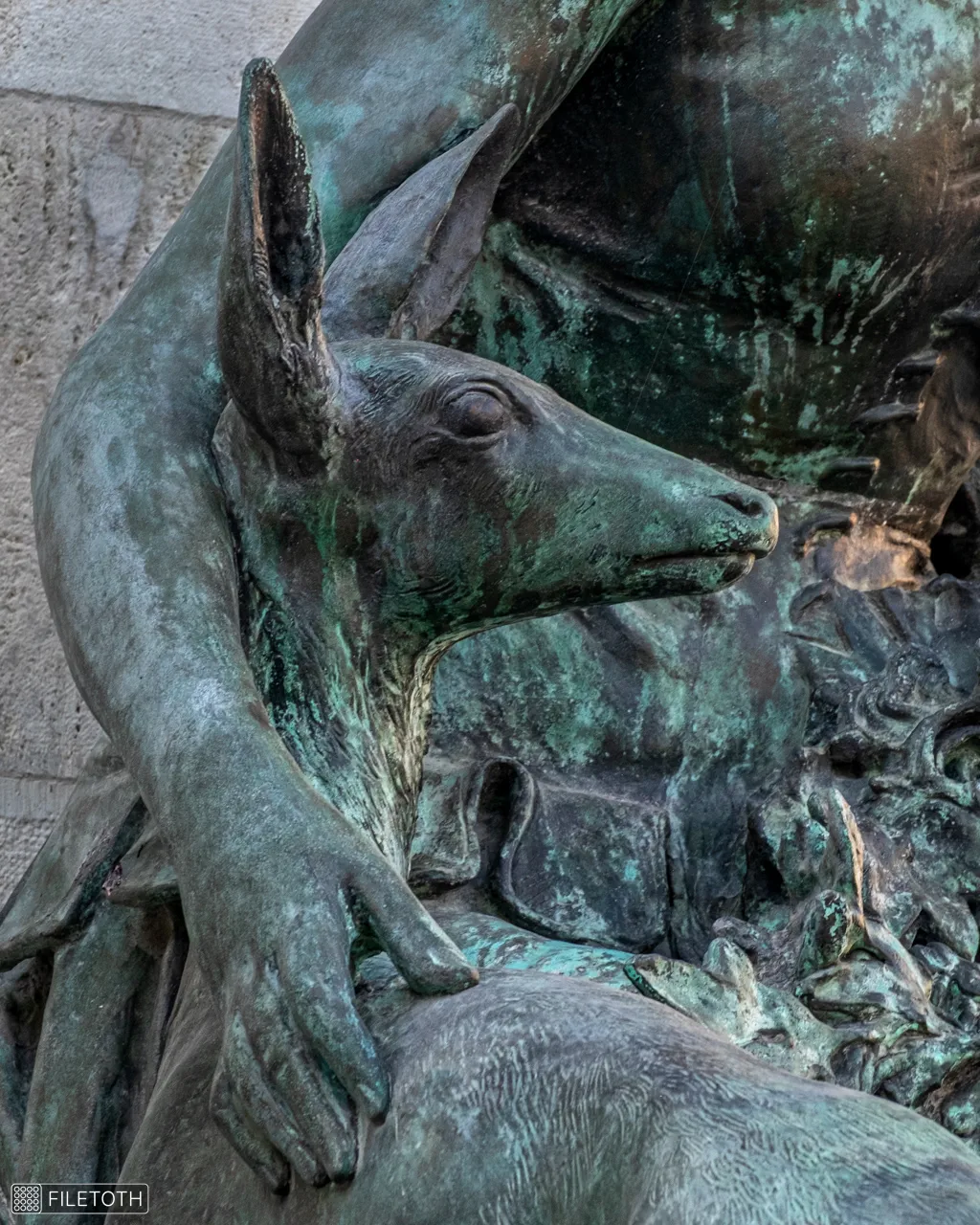
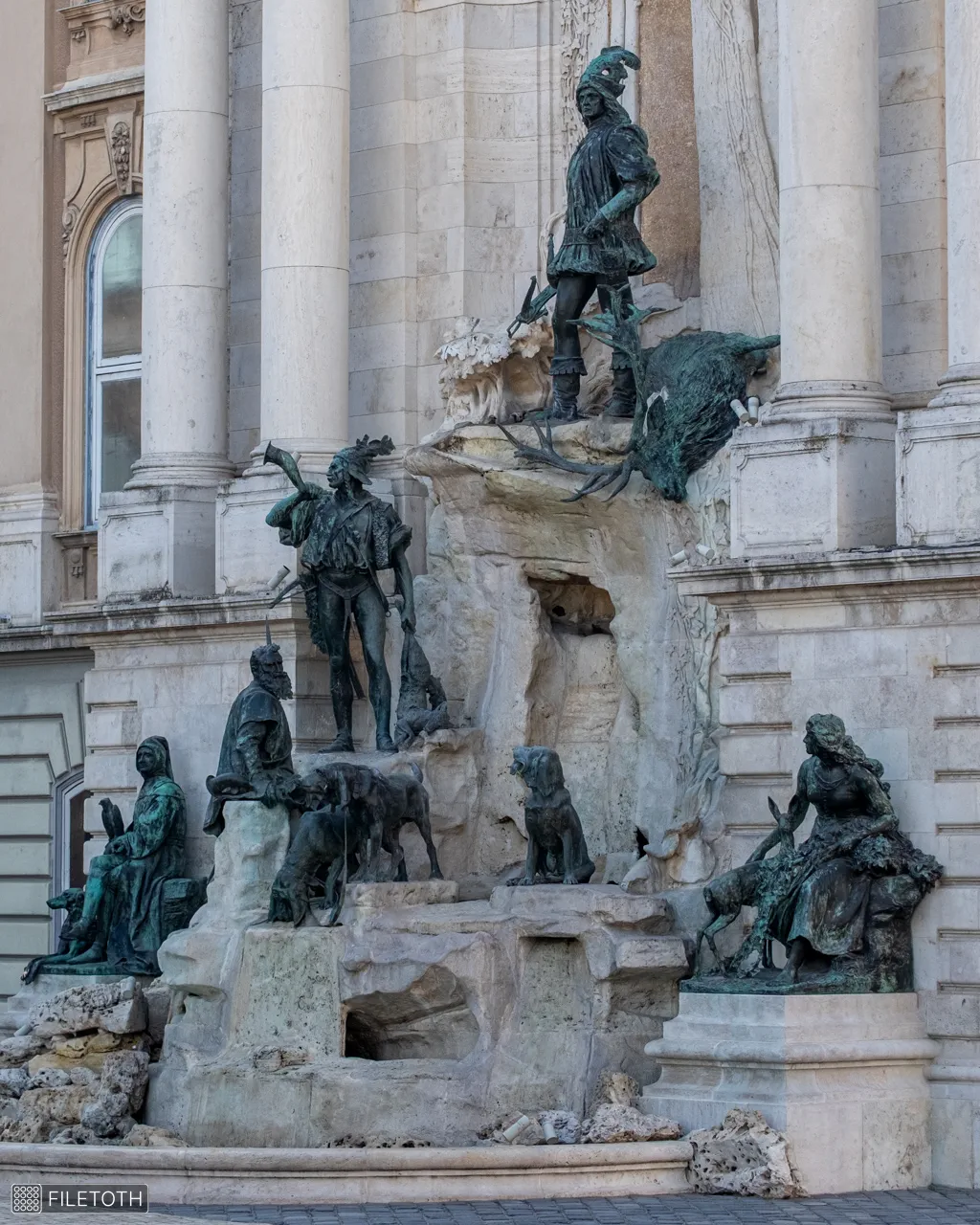
The Hand of Poise

King Matthias Fountain

Close-up of the falconer's hand with the falcon's talons.

Historical figure and era

The seated falconer is part of Alajos Strobl's Matthias Fountain, completed in 1904. The fountain depicts King Matthias Corvinus returning from the hunt, surrounded by companions and animals. While the king occupies the center, the falconer offers a quieter image of courtly hunting, in which falconry symbolized patience, skill, and partnership between human and animal.

Creation and historical context

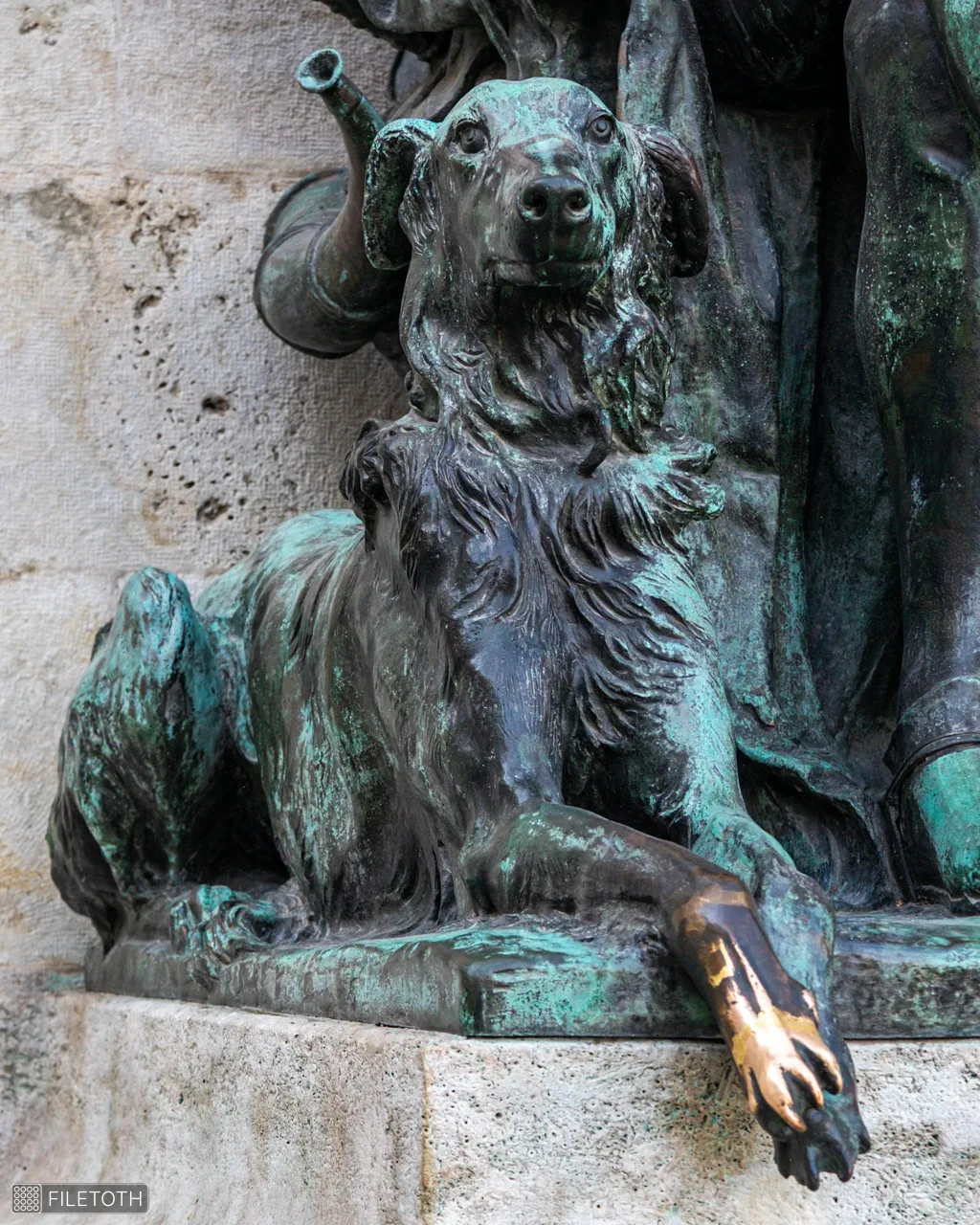
Installed beside Buda Castle in 1904, the Matthias Fountain was created during Budapest's transformation into a modern capital. Alajos Strobl composed the monument as a rich narrative of King Matthias returning from the hunt, with each surrounding figure contributing to the story. Seated beside a hunting dog, the falconer rests calmly as a hawk perches on his arm, creating one of the fountain's quietest and most intimate moments.

Fountain by Alajos Strobl, 1904. [ref.]
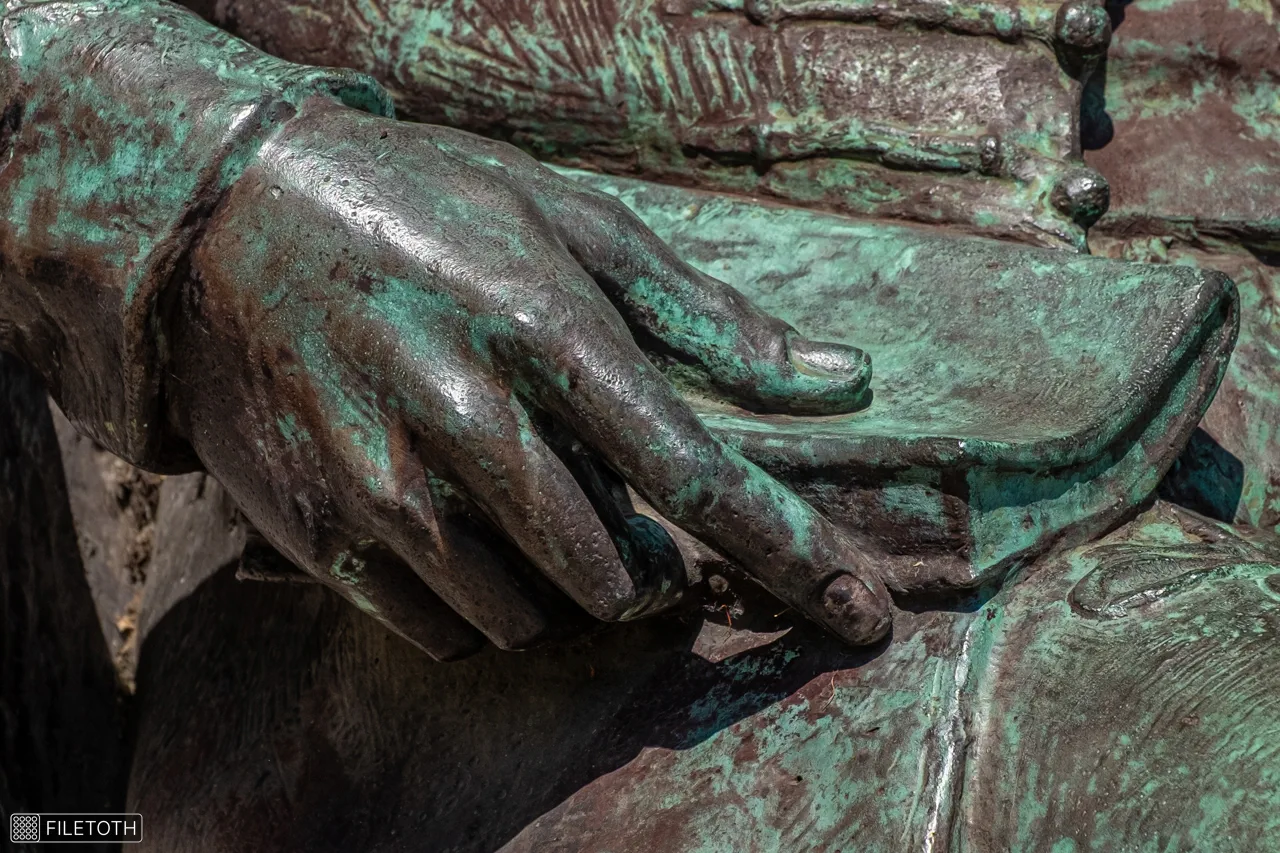
The Hand of Guidance

The Horse Handler

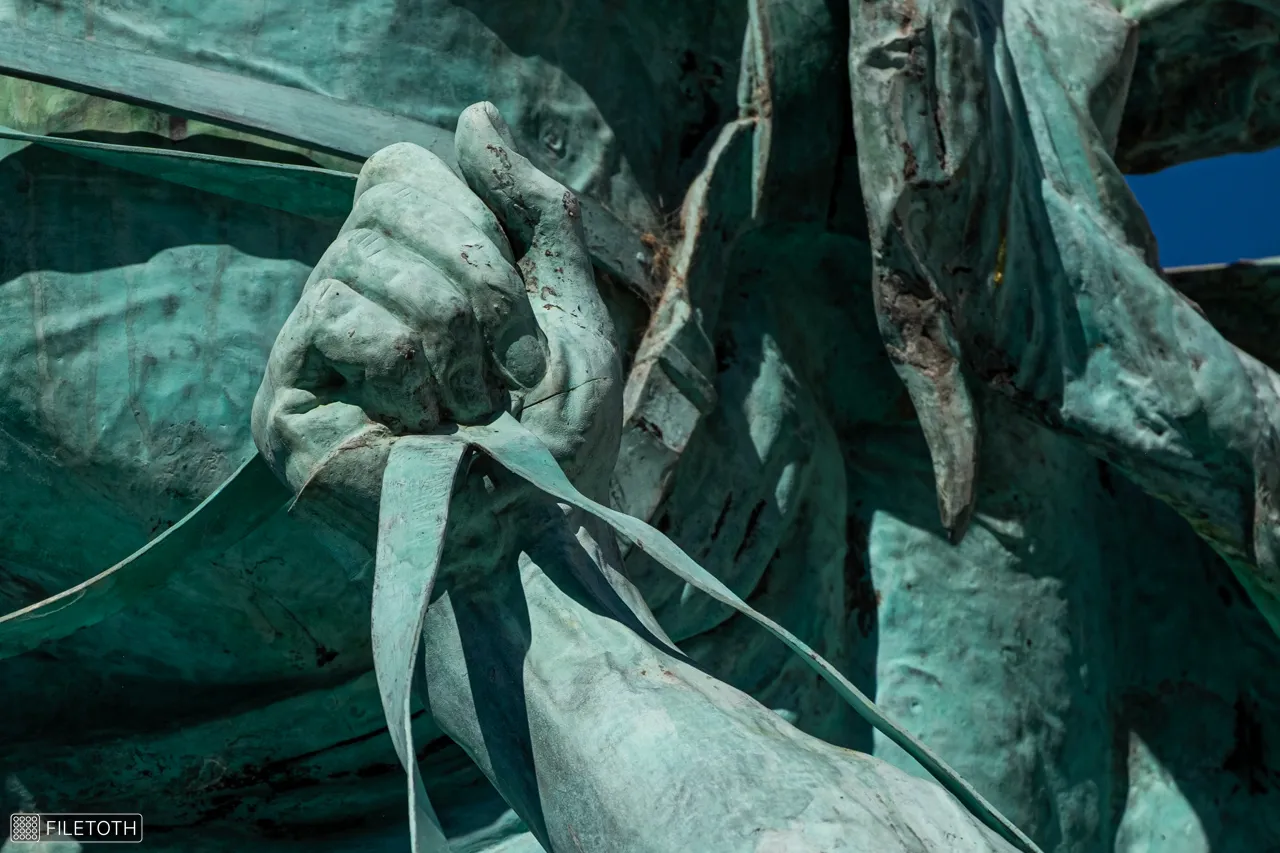
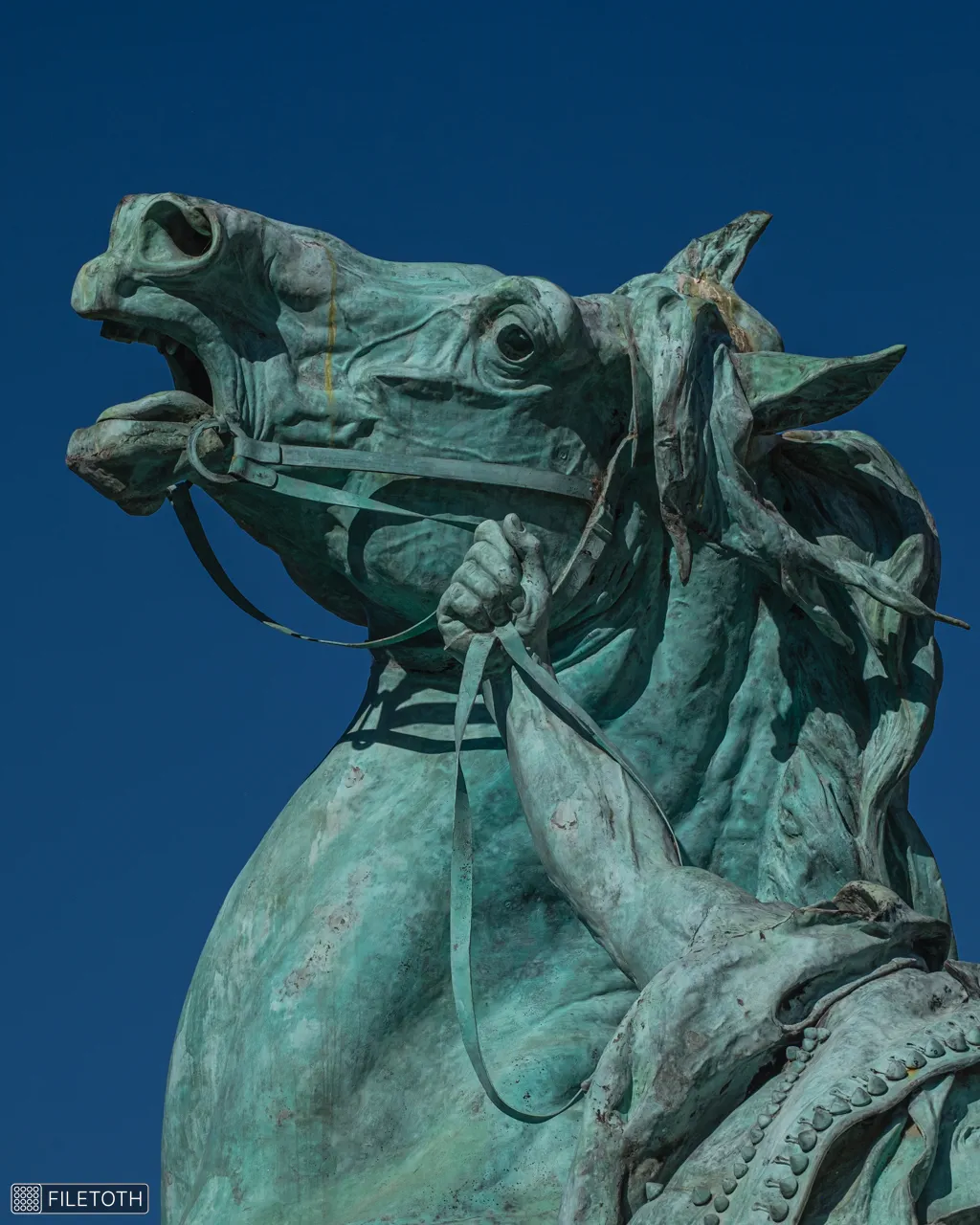
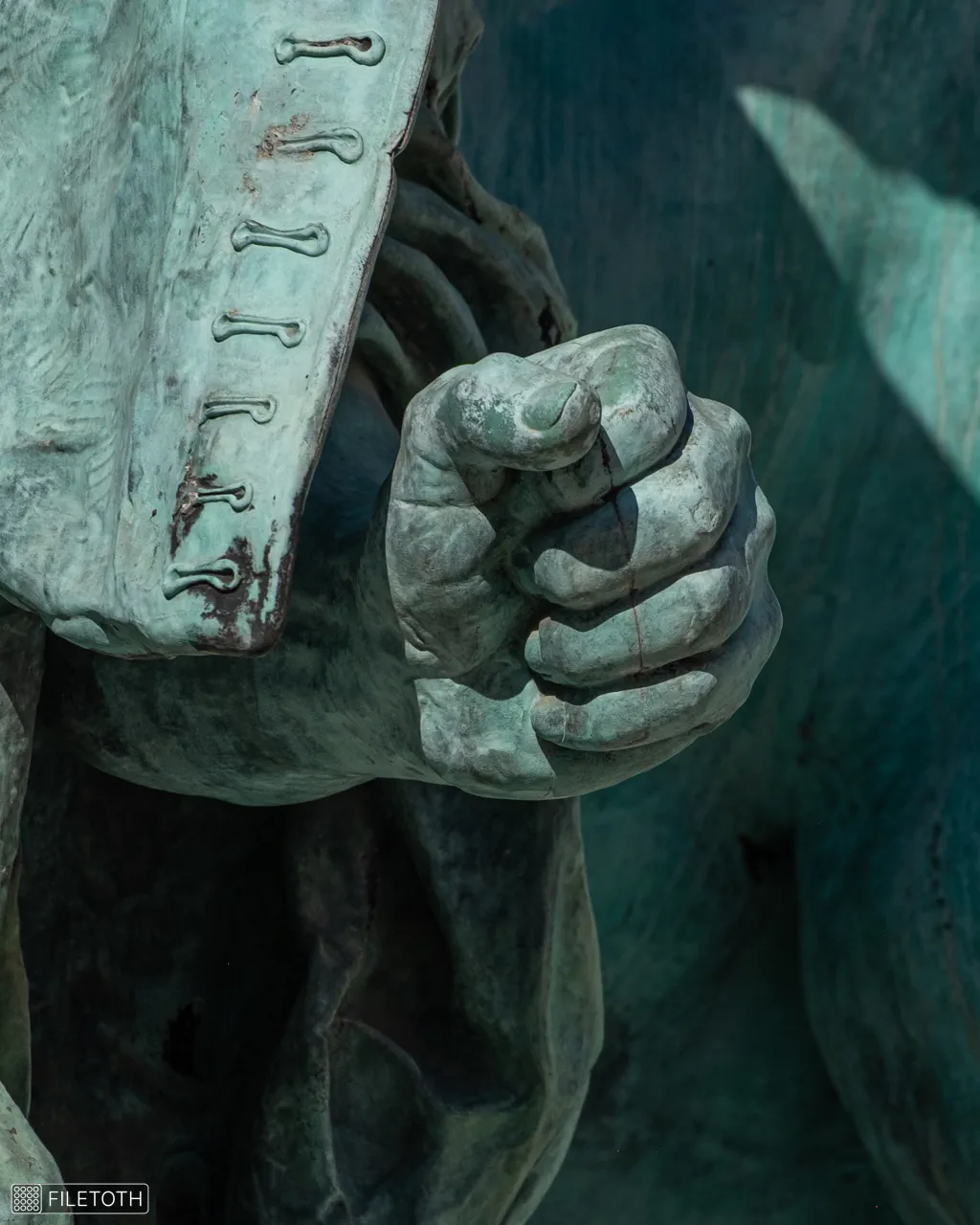
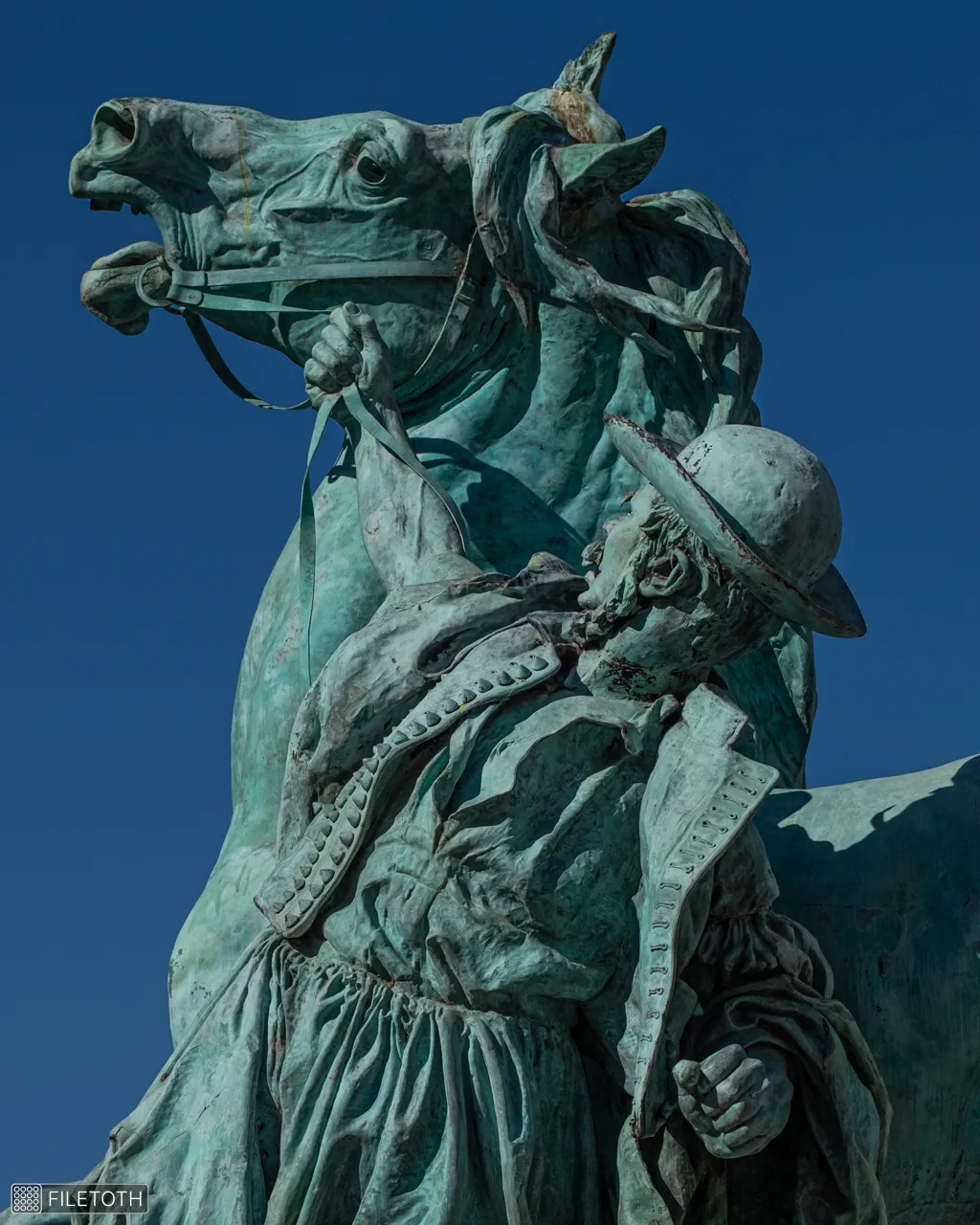
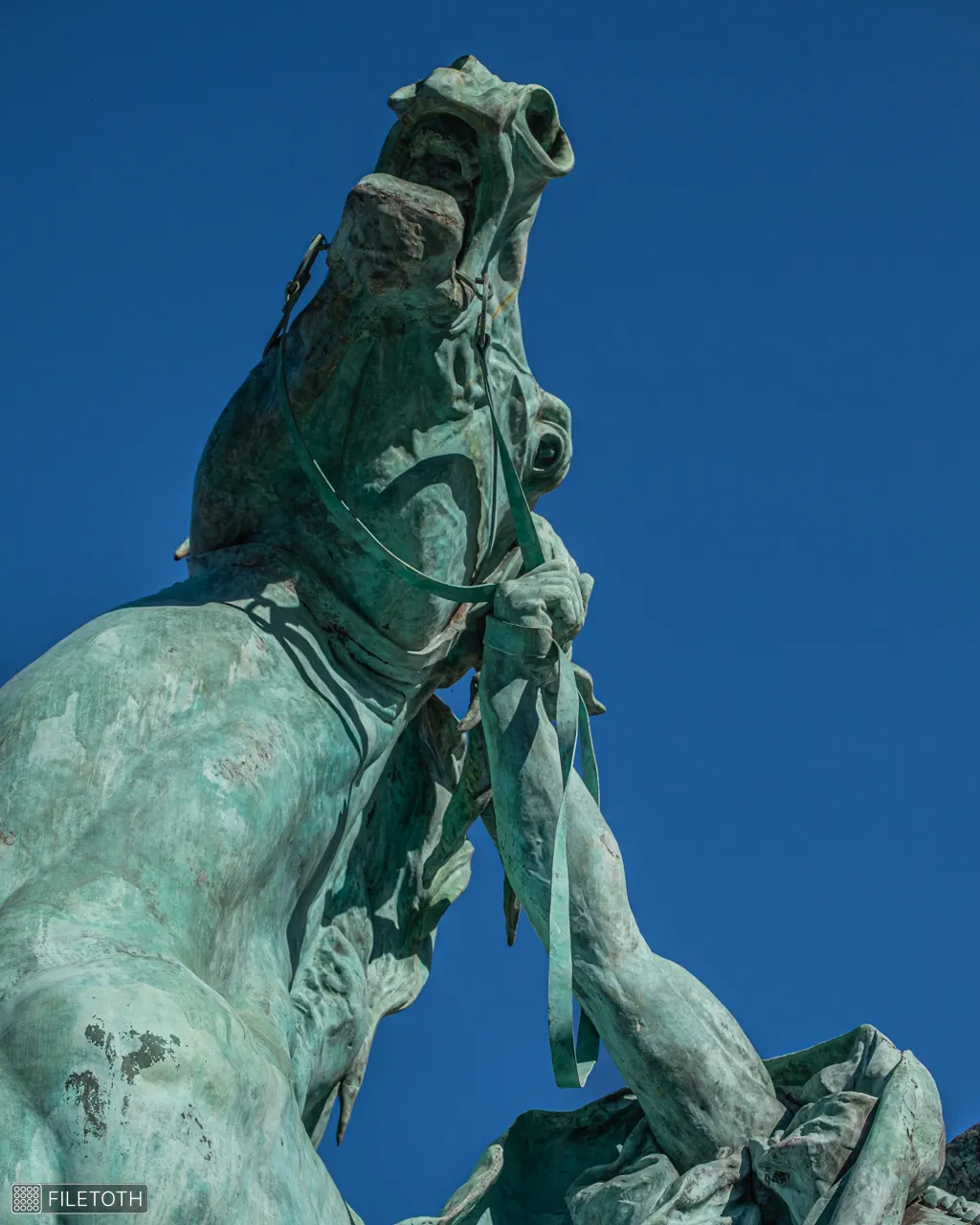
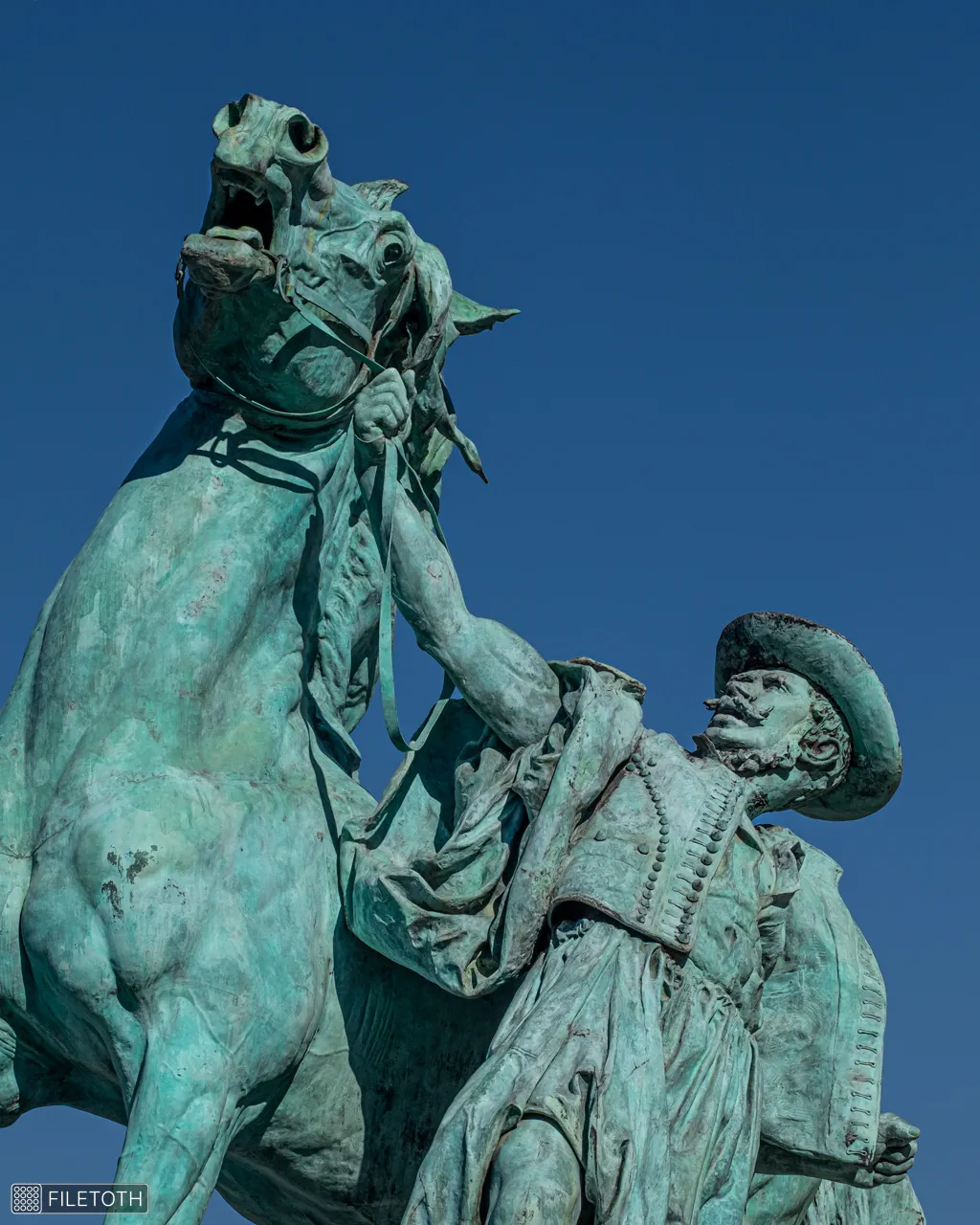
Close-up of the horse handler's hand holding leather reins.

Historical figure and era

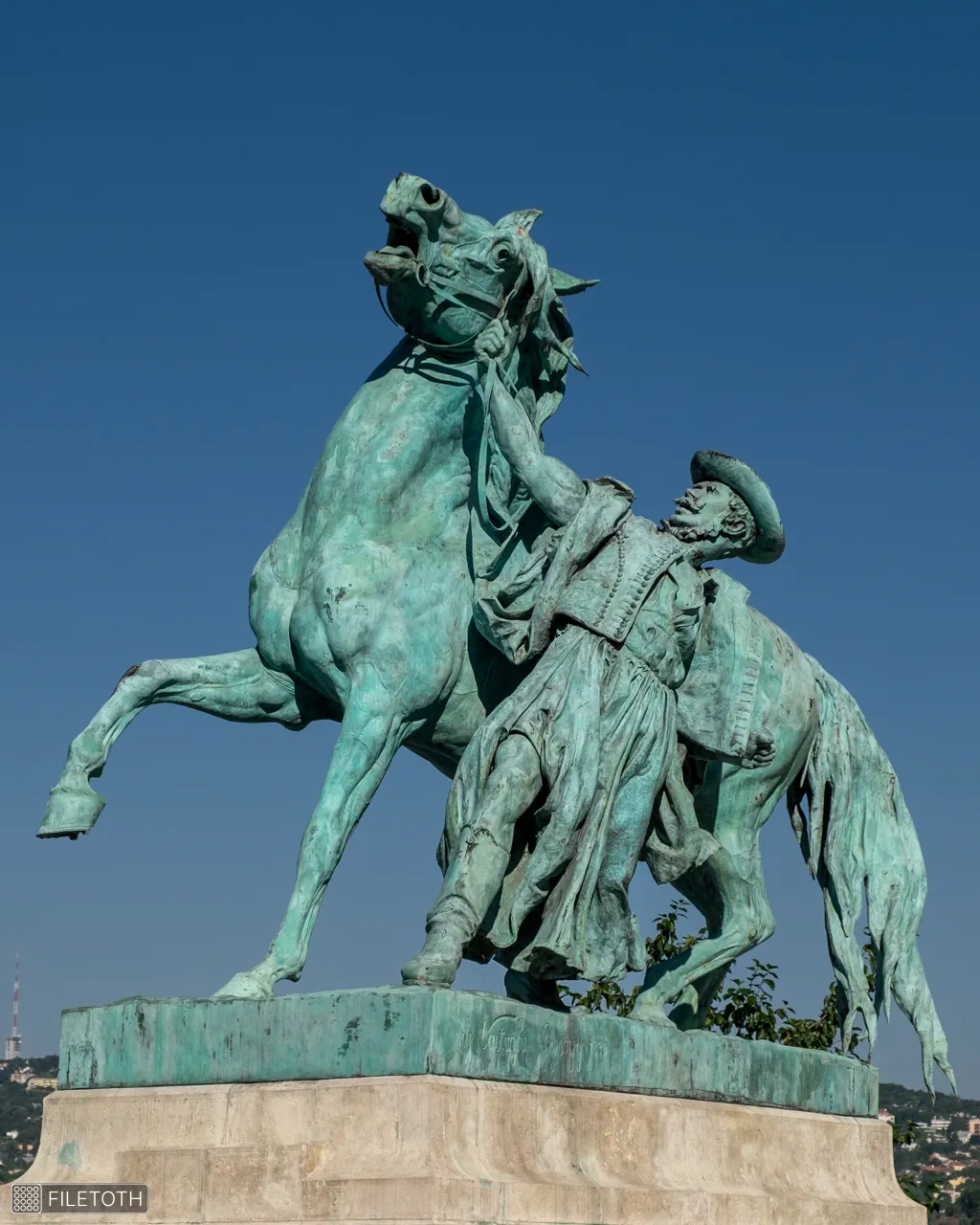
The csikós is one of the most recognizable figures of the Hungarian Great Plain, renowned for exceptional horsemanship and a close partnership with horses. More than a rider or herdsman, the csikós embodies generations of practical knowledge, patience, and mutual trust between humans and animals. Rather than celebrating physical strength alone, the sculpture captures the calm confidence and skill required to guide a powerful horse through a fleeting moment of motion.

Creation and historical context

Created by György Vastagh in 1901 for the Royal Riding Hall at Buda Castle, the sculpture depicts a horse rearing unexpectedly as the csikós steadies it with practiced ease. Rather than depicting struggle, the composition captures an instant of communication between horse and handler, transforming a brief moment into a remarkably dynamic sculpture. Today, it remains one of Budapest's finest expressions of movement, craftsmanship, and human mastery.

Statue by György Vastagh sr, 1899. [ref.]
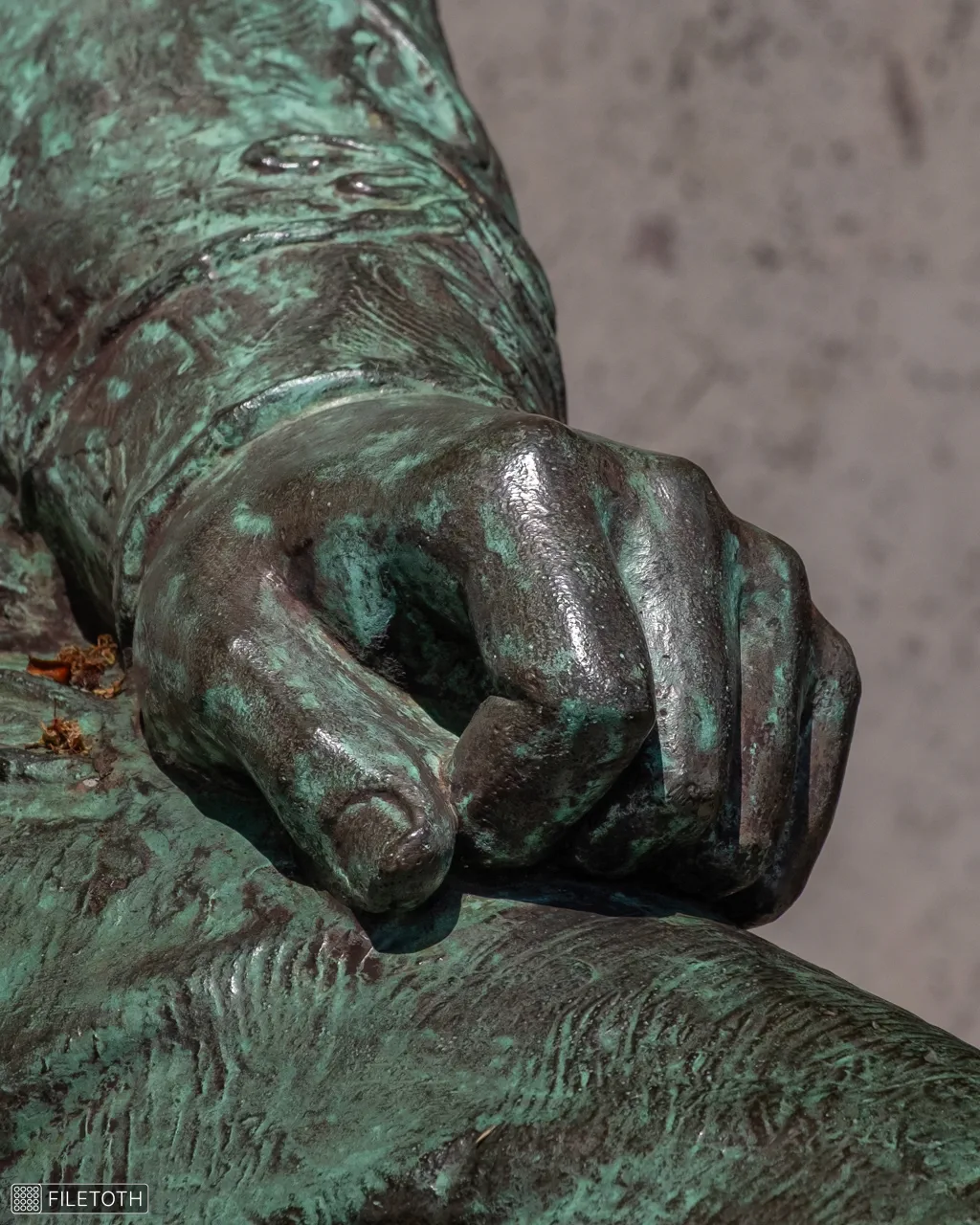
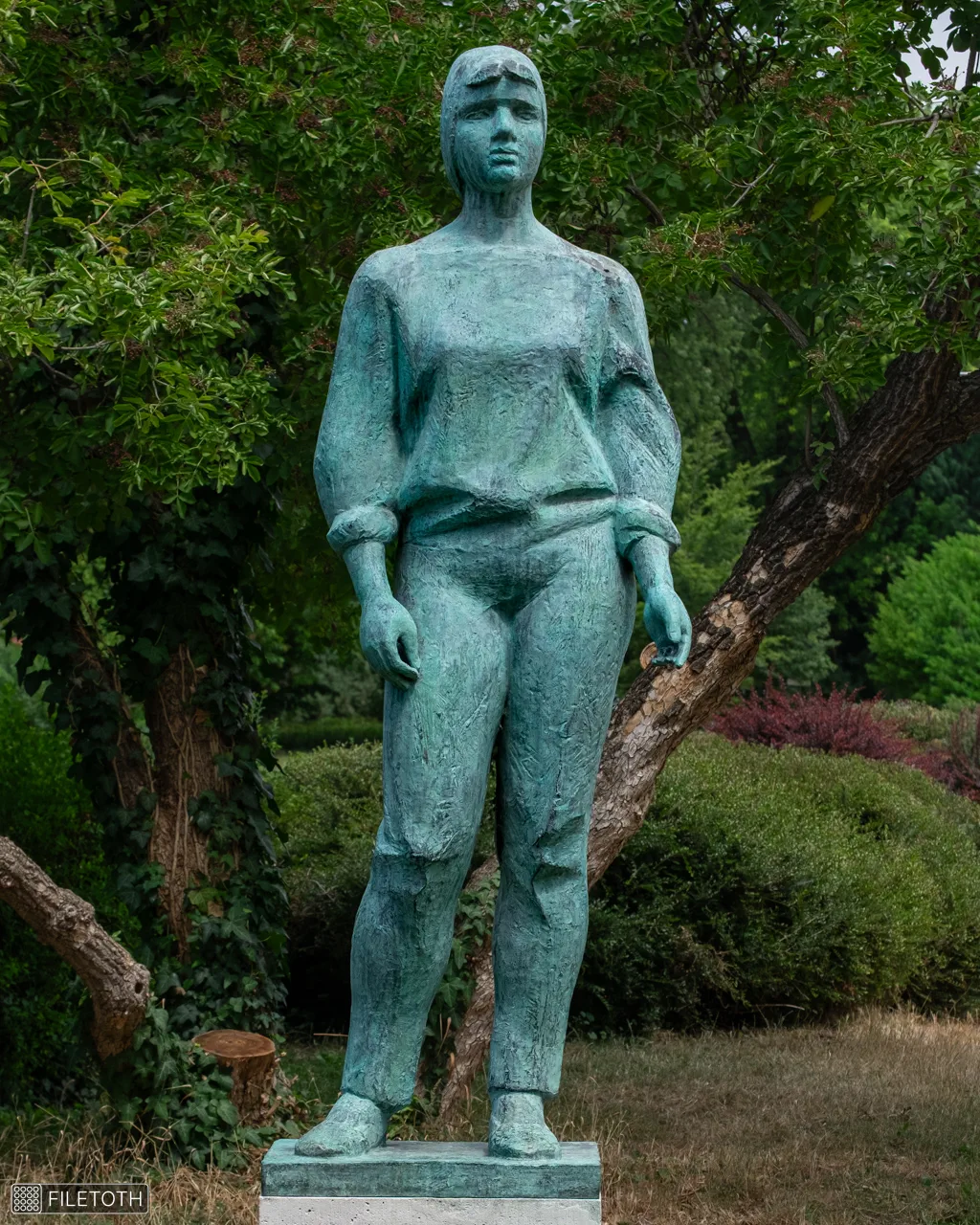
The Hand of Quiet Readiness

Statue of a Young Worker

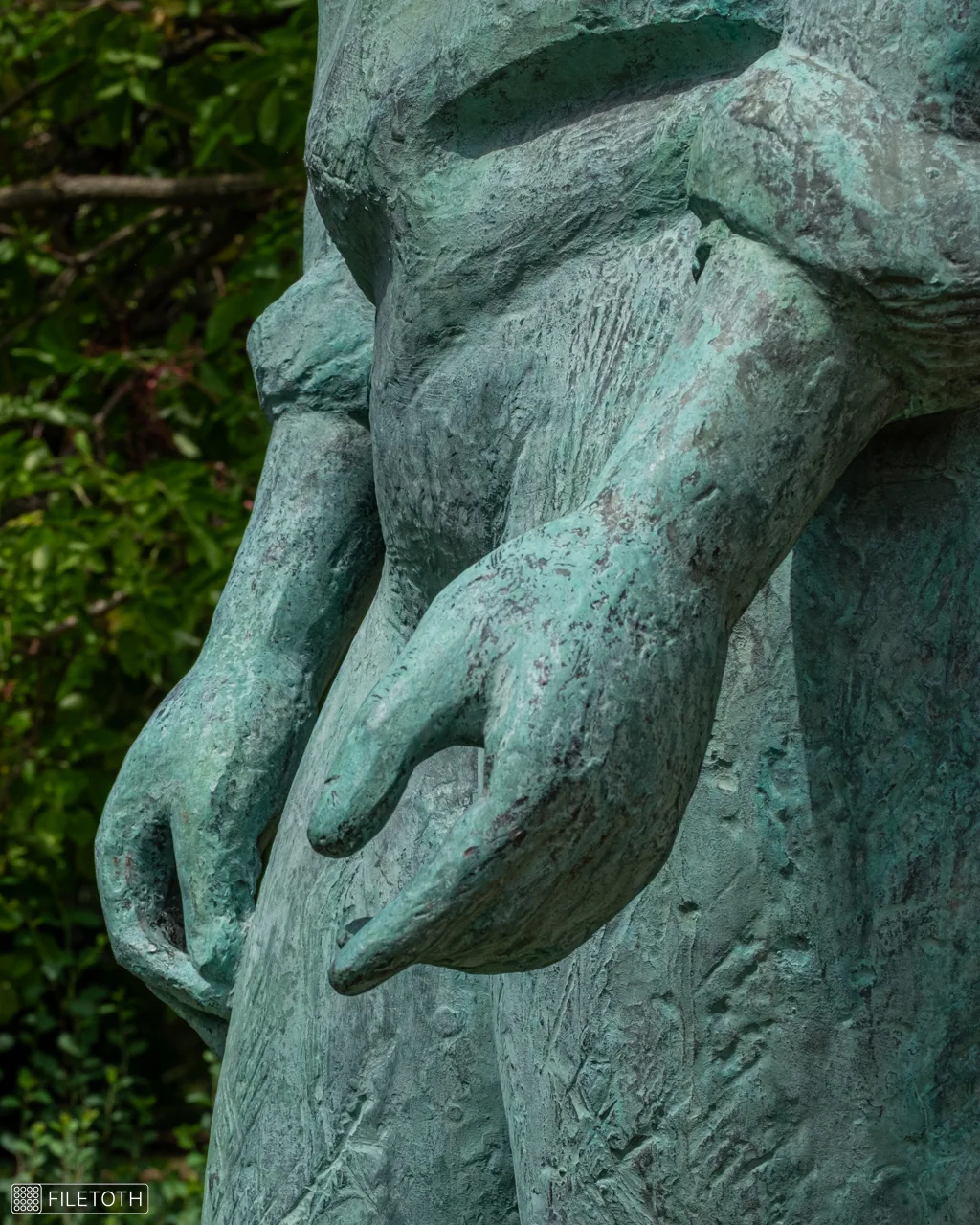
Close-up of the young worker's left hand with green bronze patina.

Historical figure and era

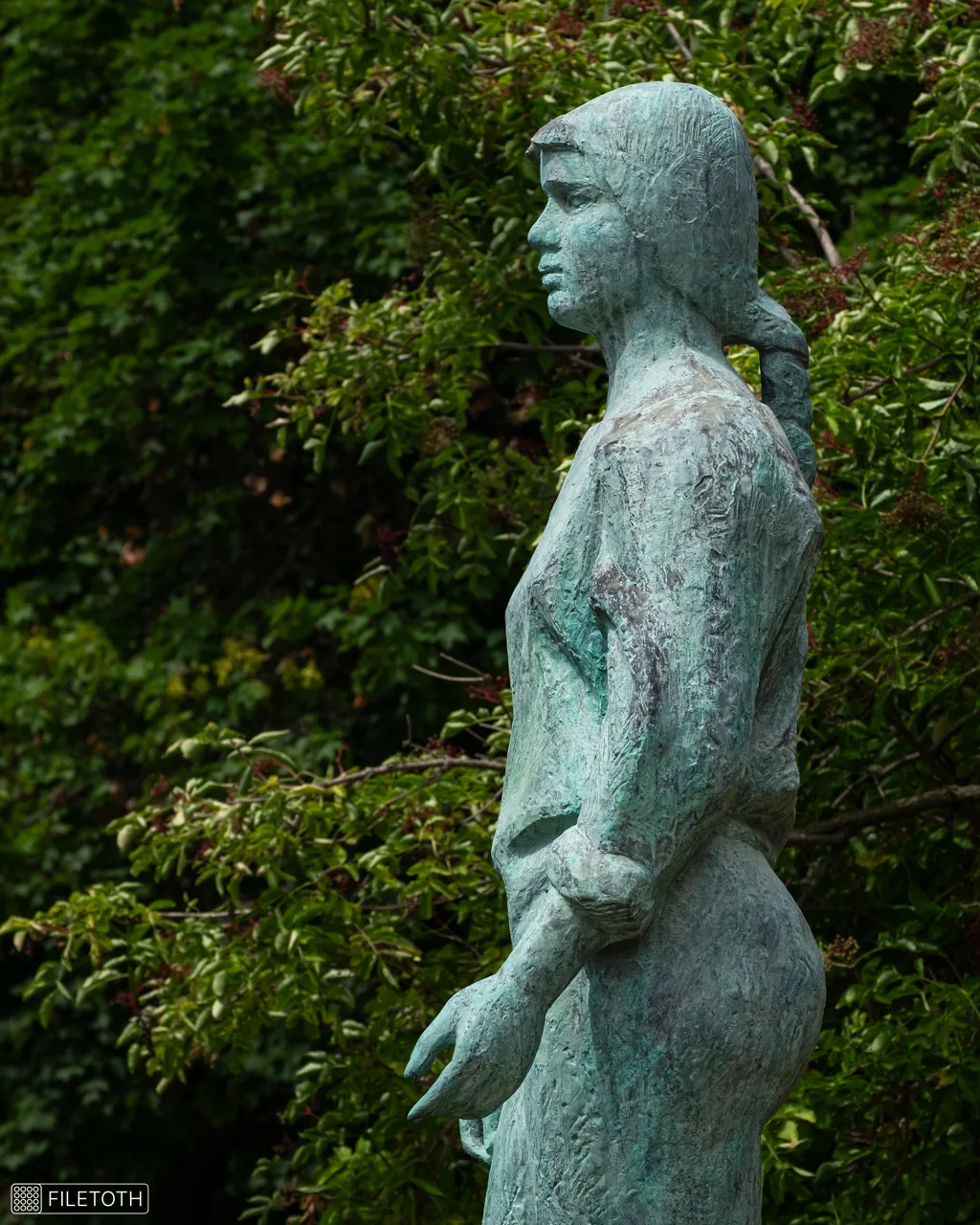
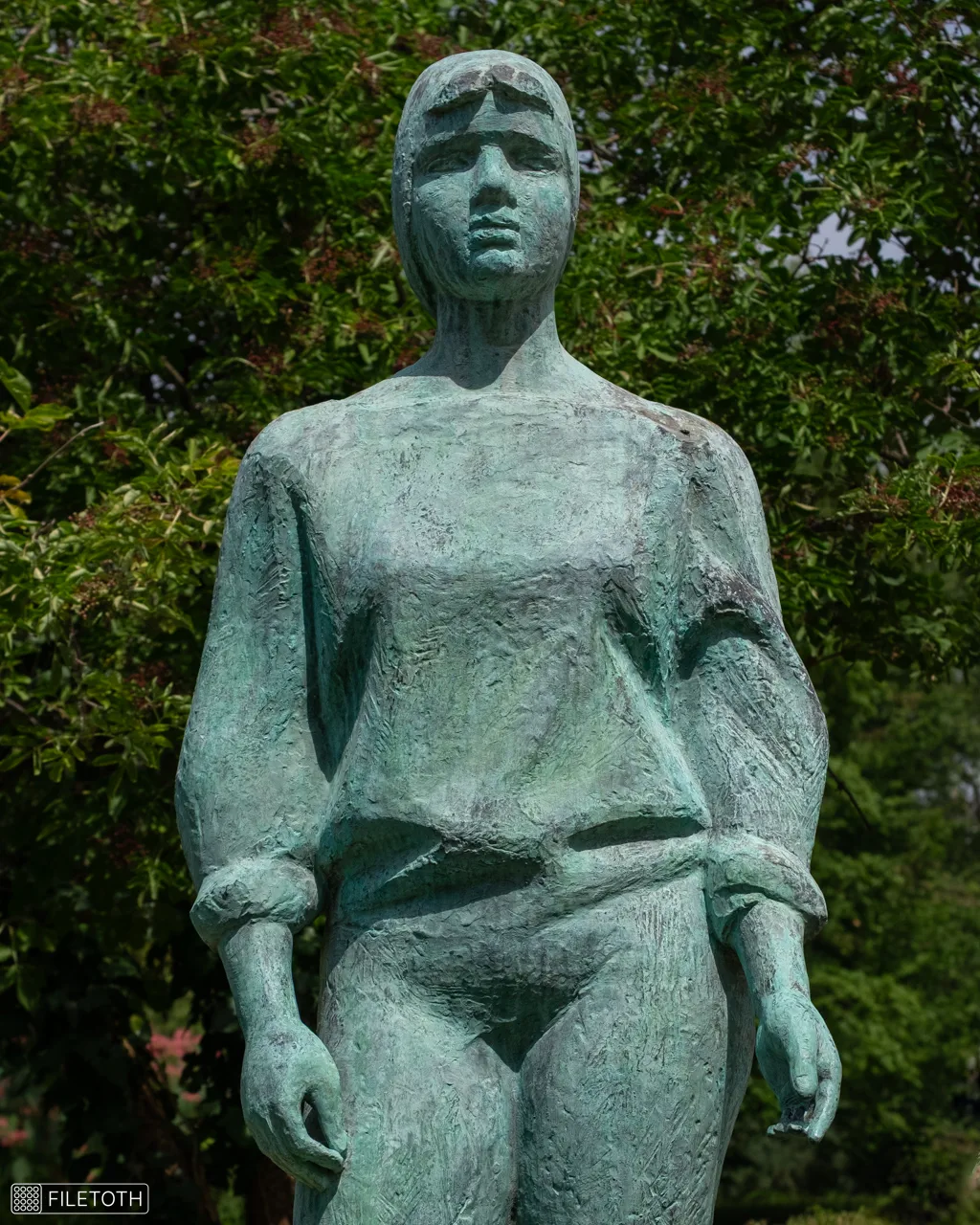
This sculpture represents an idealized young industrial worker rather than a specific individual. Created during the early 1960s, it reflects a period when public art often celebrated ordinary working people and their role in shaping society. Instead of emphasizing heroism or physical strength, the figure presents youth with quiet confidence, dignity, and a sense of purpose, offering a human portrayal of everyday life.

Creation and historical context

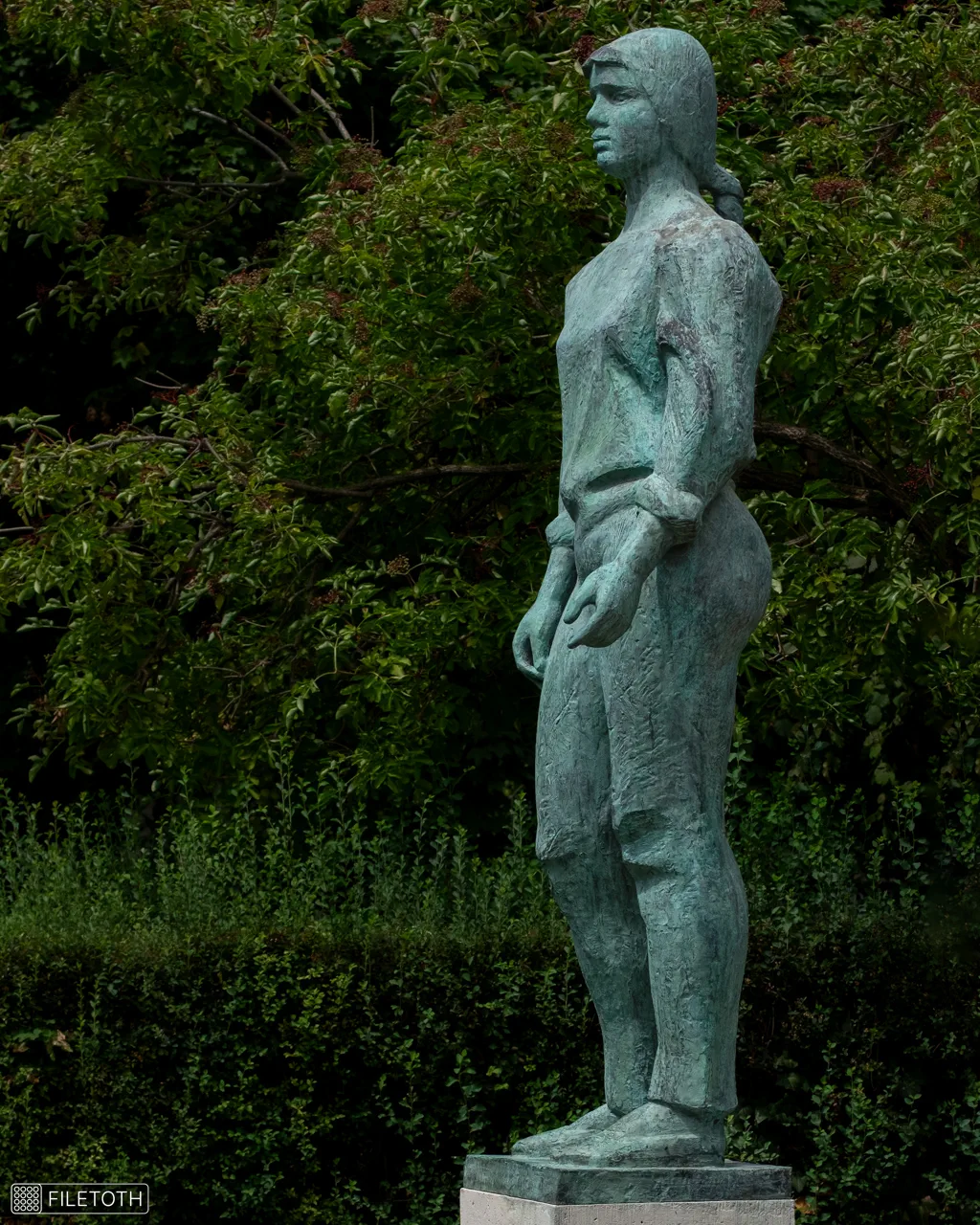
Created by Agamemnon Makrisz in August 1962 for a youth park, the sculpture portrays a young woman standing calmly in simple work clothes. Her relaxed posture and restrained gesture avoid dramatic symbolism, focusing instead on quiet presence. One hand hangs naturally while the other moves slightly forward, as if she is about to speak or take a step. Surrounded by trees, the weathered bronze blends gently into its setting, inviting visitors to discover the figure rather than commanding their attention.

Statue by Agamemnon Makrisz, August 1962. [ref.]

The Hand of Perseverance

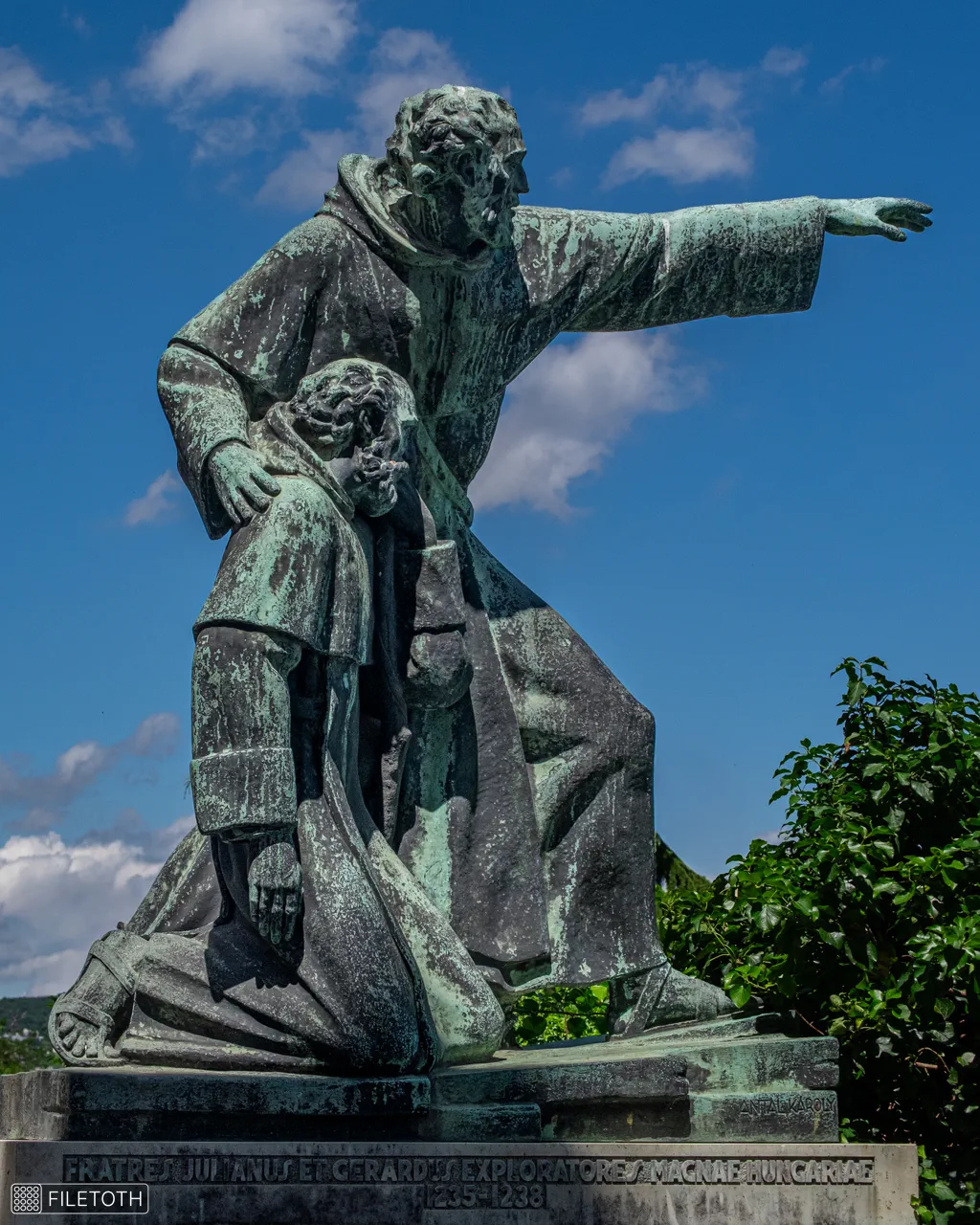
Statue of Gerhardus and Julianus

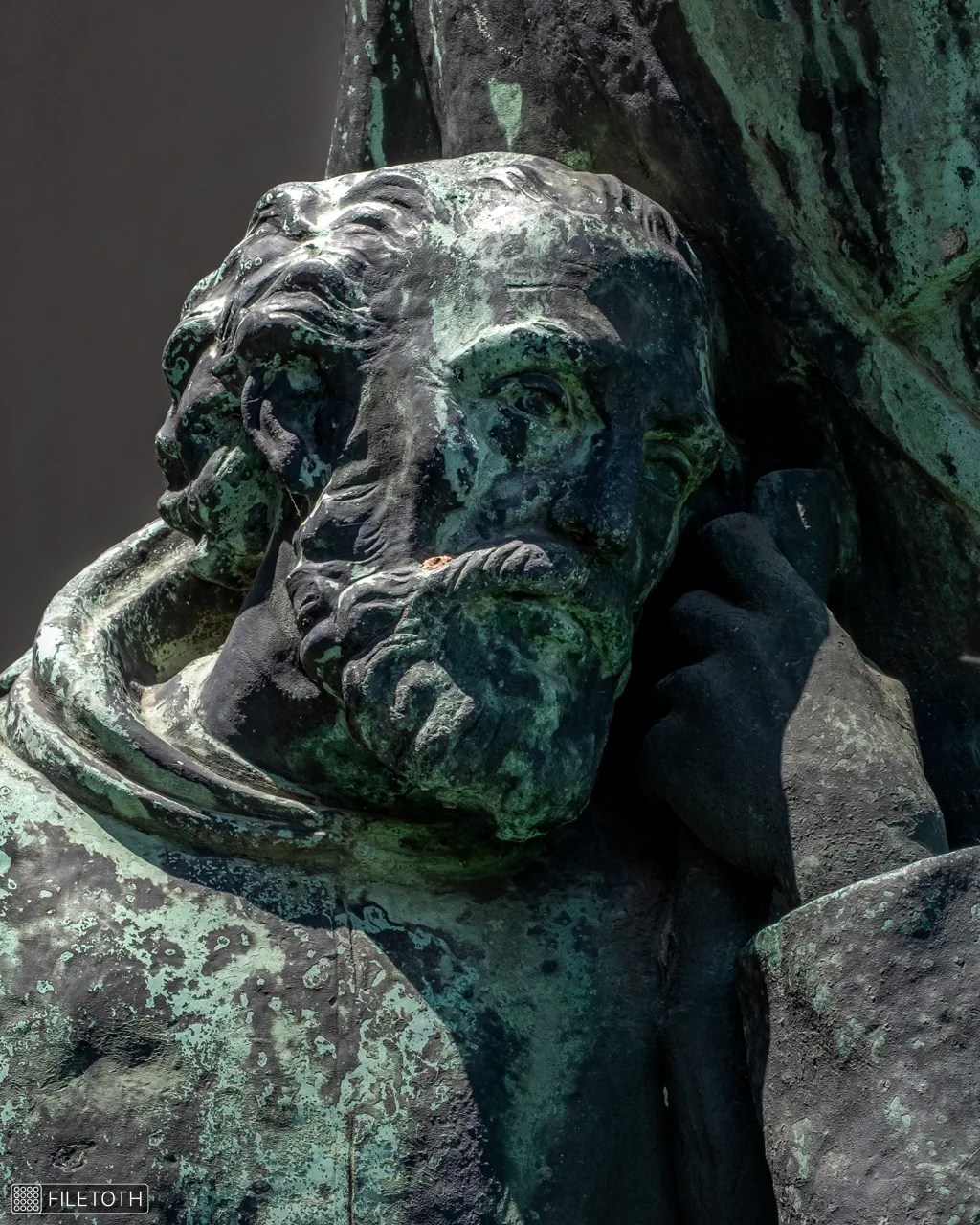
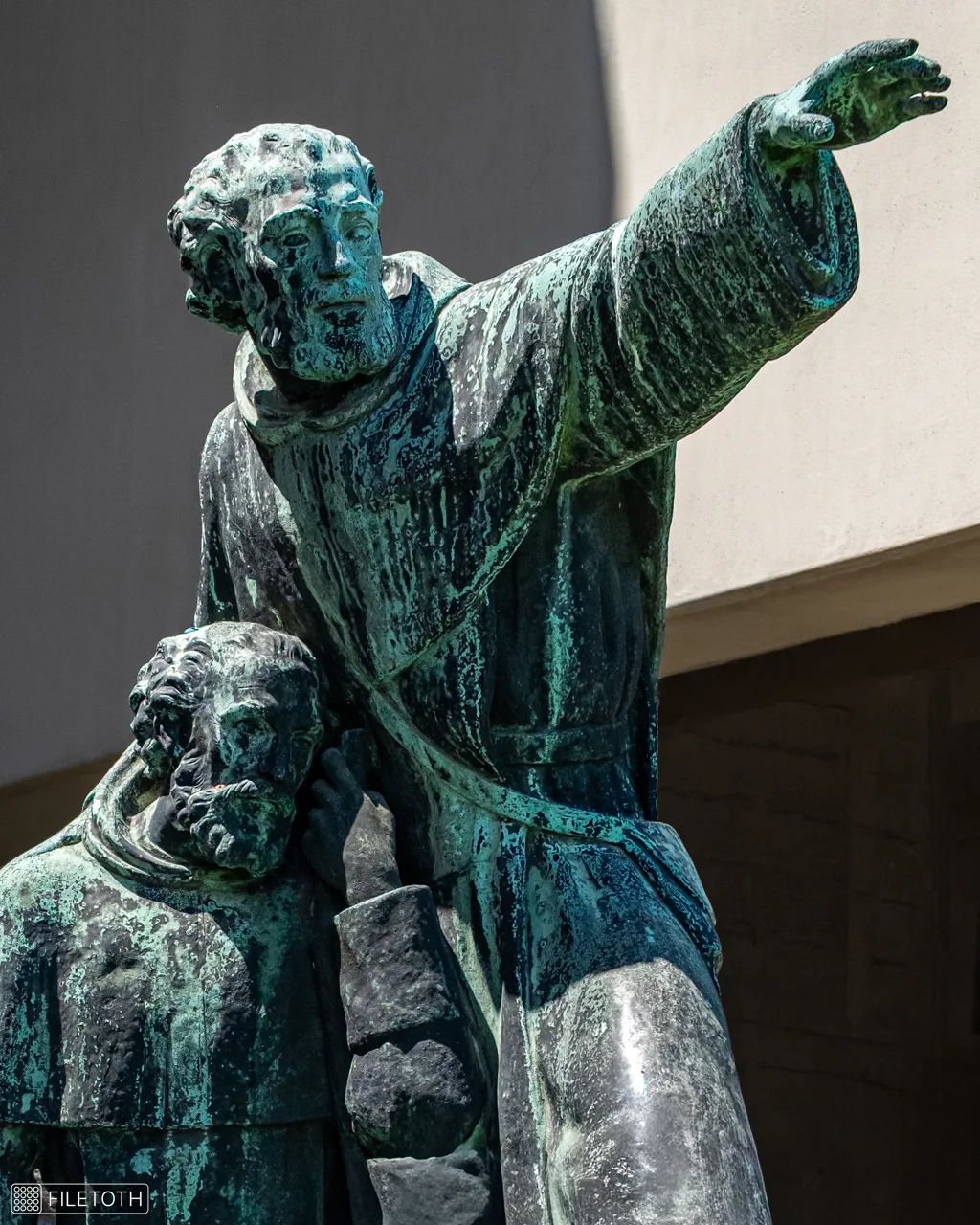
Close-up of Brother Julianus's left hand.

Historical figure and era

Brother Julianus was a 13th-century Dominican friar best known for his journeys in search of the eastern Hungarians, believed to have remained beyond the Carpathian Basin. In 1235, he traveled east with several companions. Two turned back, and Brother Gerhardus died before reaching their destination. Julianus continued alone and found the eastern Hungarians near the Volga. On a later journey, he brought reports of the advancing Mongols, whose campaigns would soon transform the region.

Creation and historical context

Károly Antal's 1937 sculpture commemorates the expedition's achievement and sacrifice. Rather than depicting discovery itself, the monument captures a moment of struggle. Gerhardus leans against Julianus, while Julianus supports his companion with one arm and points east with the other. The composition becomes a story of endurance, friendship, and determination. The sculpture's power lies in the relationship between the two figures. One arm bears a burden; the other indicates a direction. Together, they suggest that perseverance requires both support and purpose: continuing despite setbacks while keeping sight of a distant goal.

Statue by Károly Antal, 1937. [ref.]

The Hand of Legacy

National Museum Pediment Statues

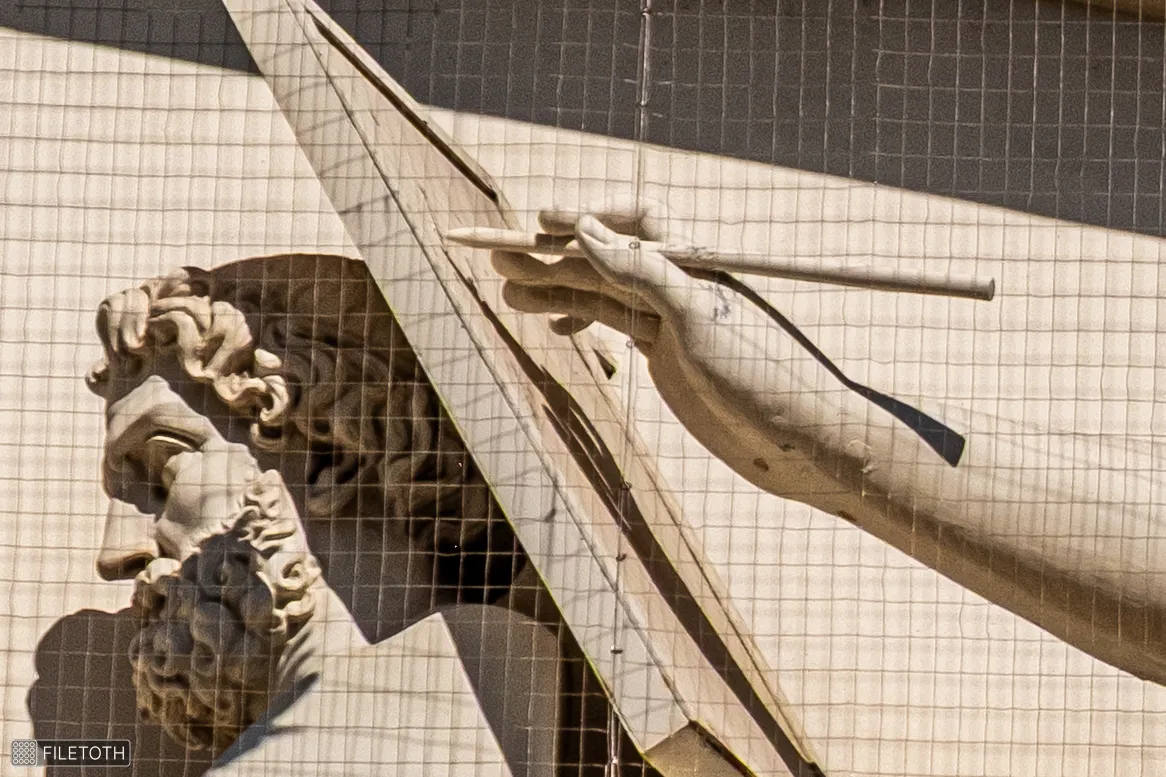
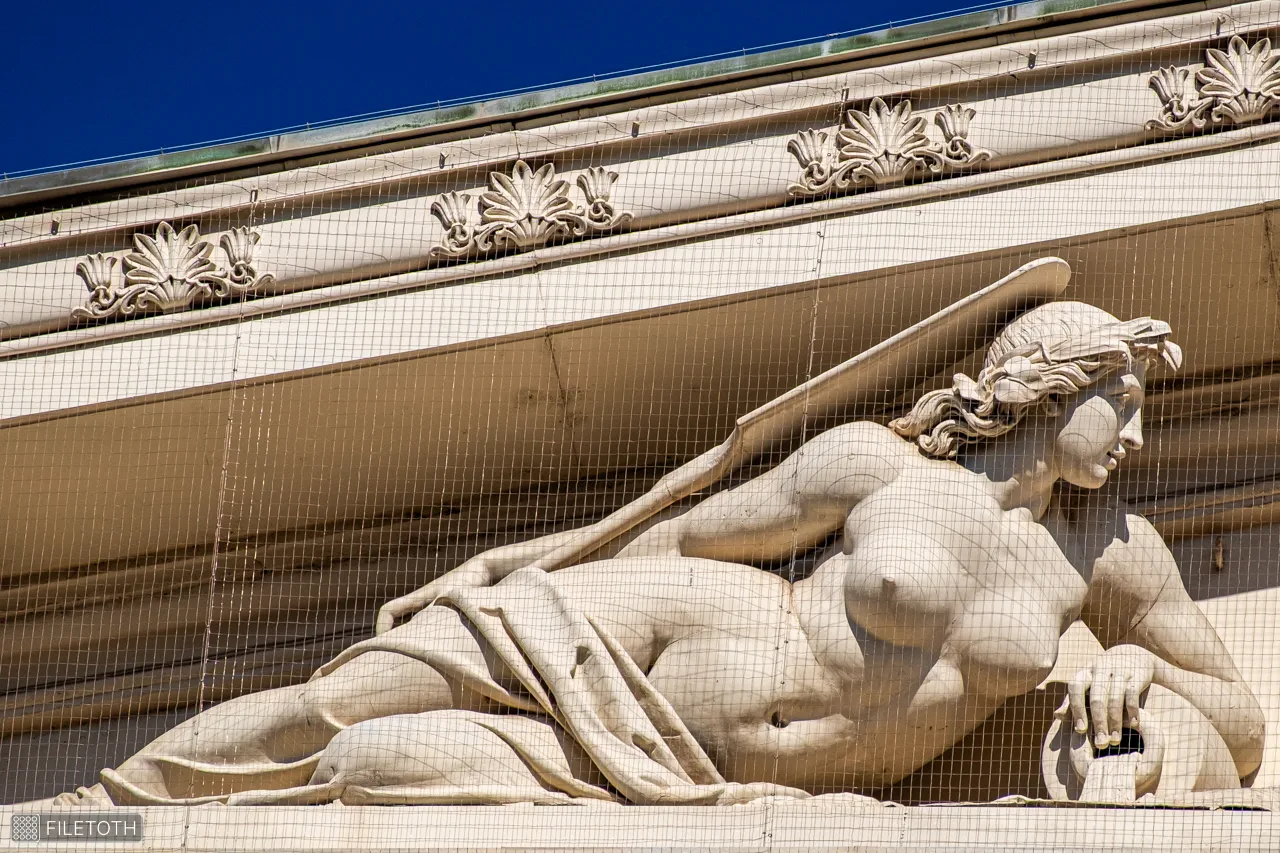
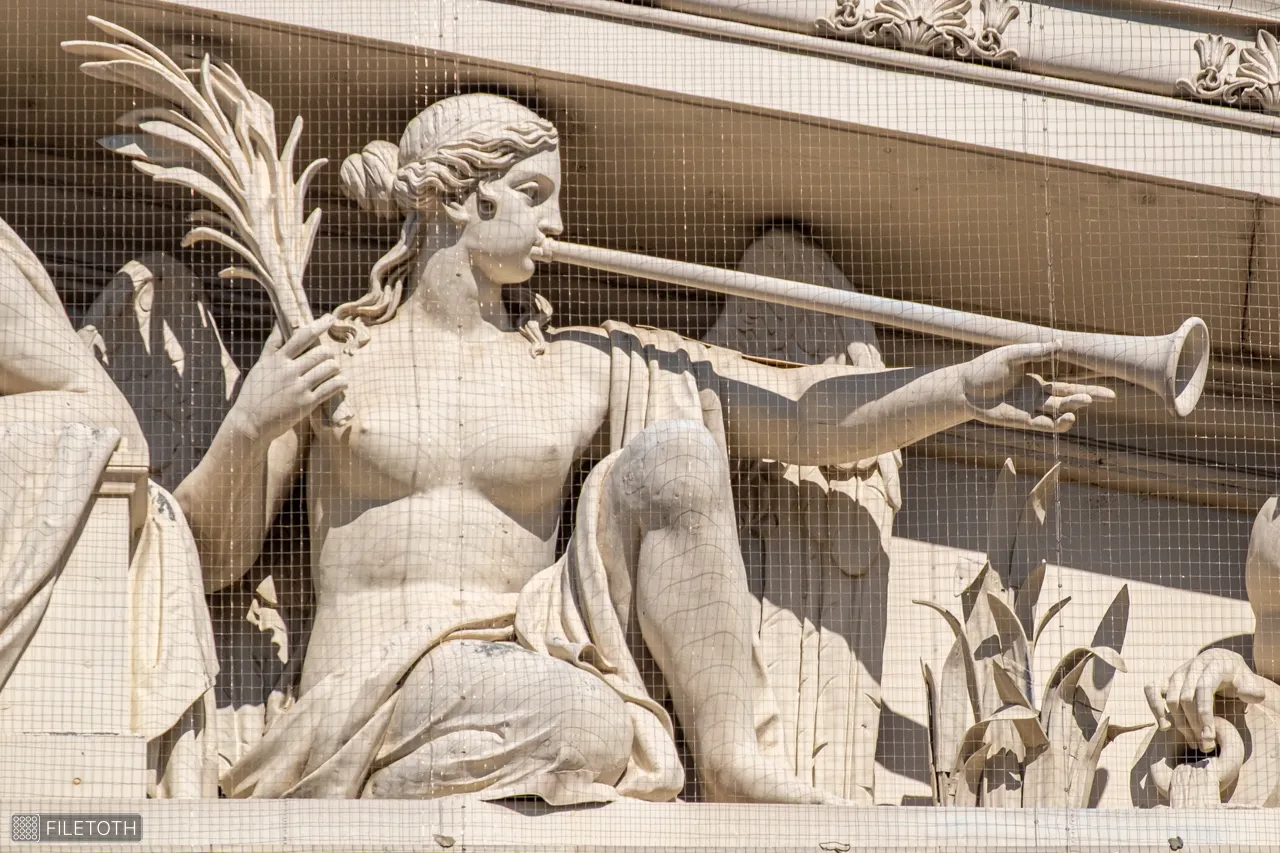
Close-up of the hand of the female figure representing History.

Historical figure and era

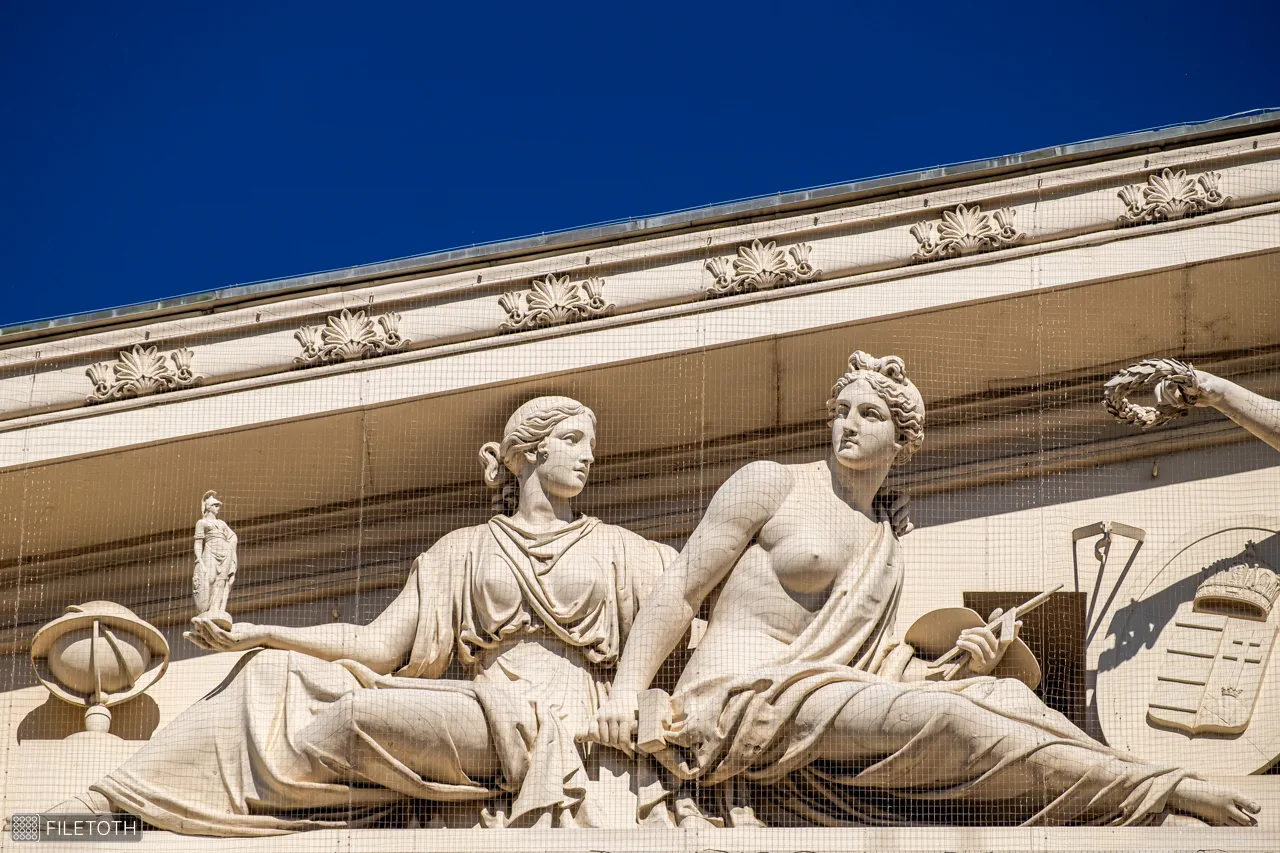
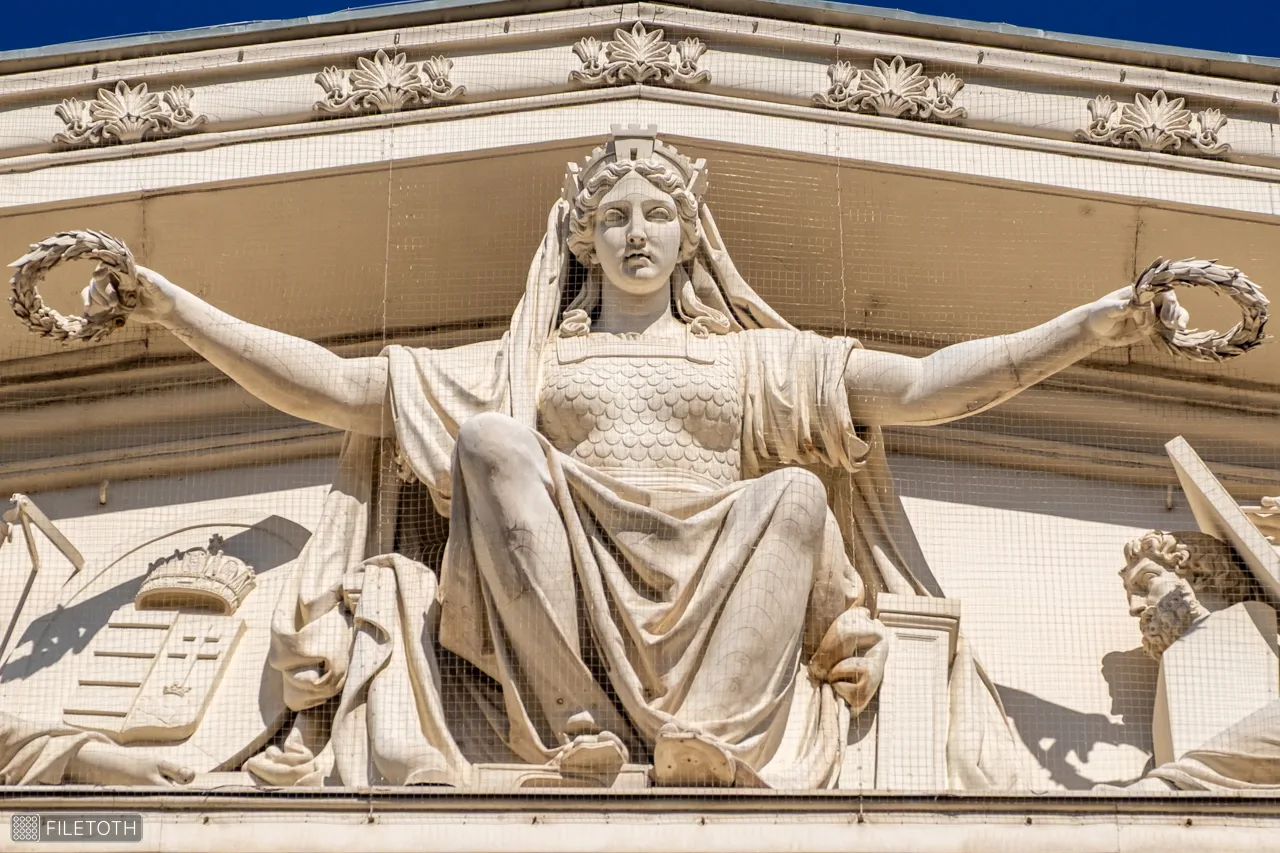
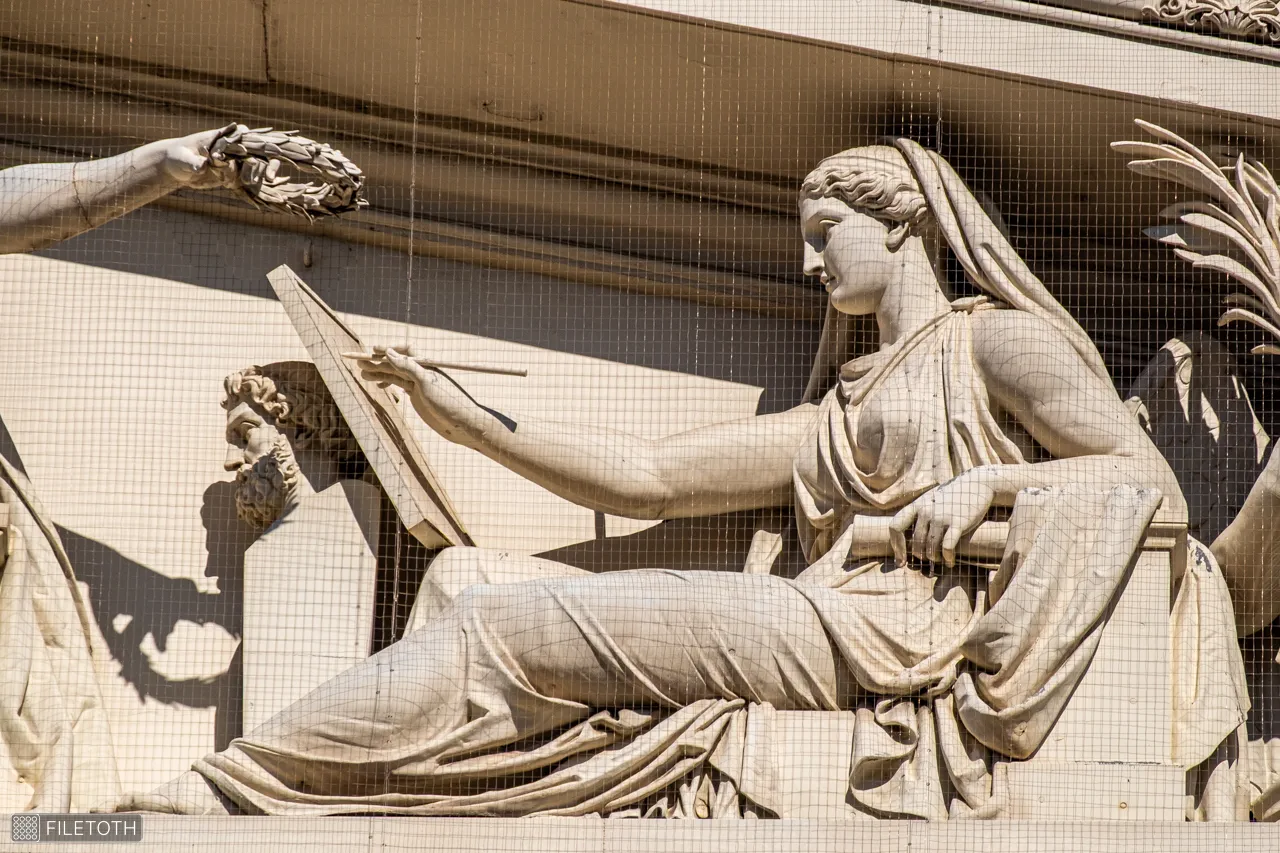
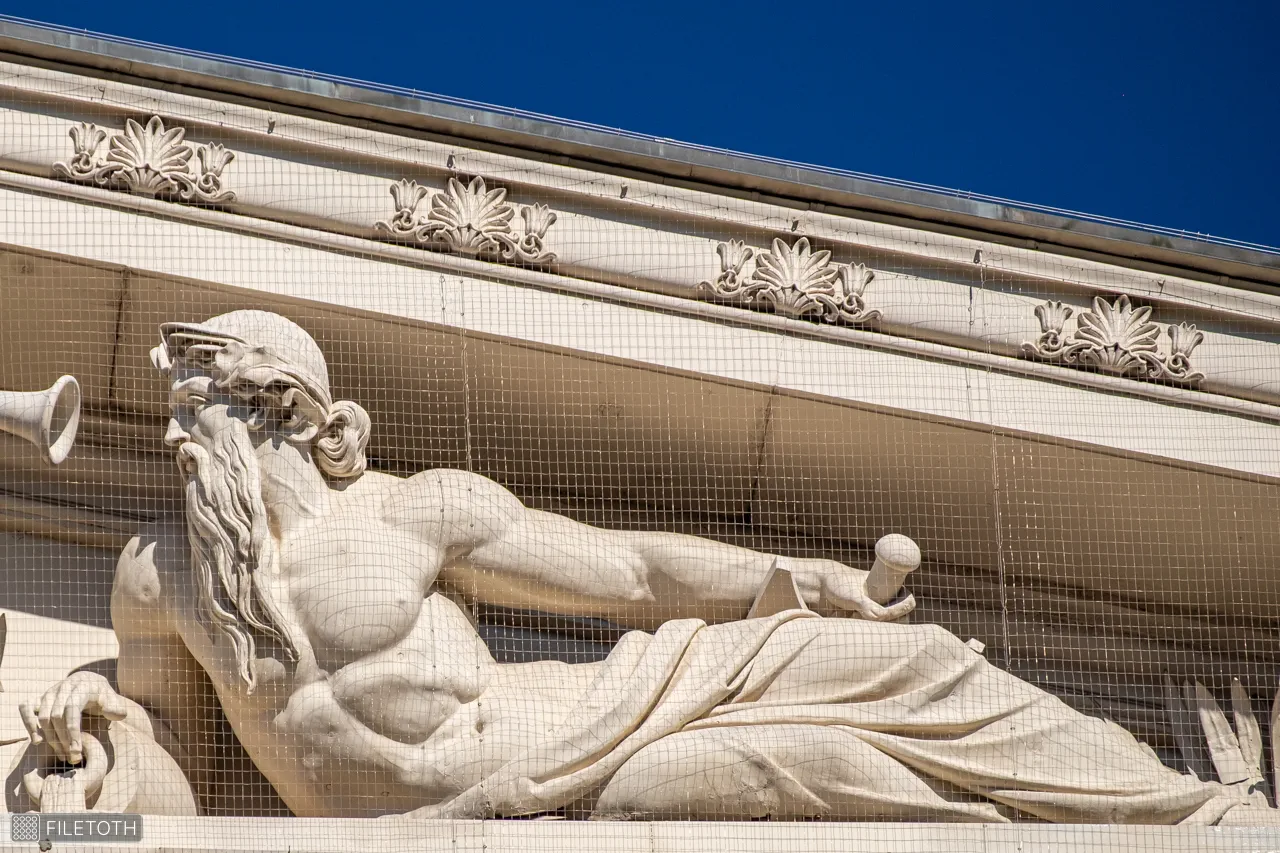
The seven figures of the National Museum's pediment represent, from left to right, the River Dráva, Art, Science, Pannonia, History, Fame, and the River Danube. Together, the rivers symbolize Hungary, while the allegorical figures embody the ideals that shaped the nation's intellectual and cultural aspirations during the first half of the nineteenth century.

Creation and historical context

Created in 1842 by Rafael Monti and Ludwig Schaller, the sculptural ensemble crowns the façade of the Hungarian National Museum. At its center, Pannonia extends two laurel wreaths in opposite directions, linking achievement with the homeland. Conceived during Hungary's Reform Era, the composition celebrates the harmony of knowledge, culture, history, and national identity, suggesting that legacy is built collectively across generations.

Statues by Rafael Monti and Ludwig Schaller, 1842. [ref.]

The Hand of Destiny

Statue of Grand Prince Árpád

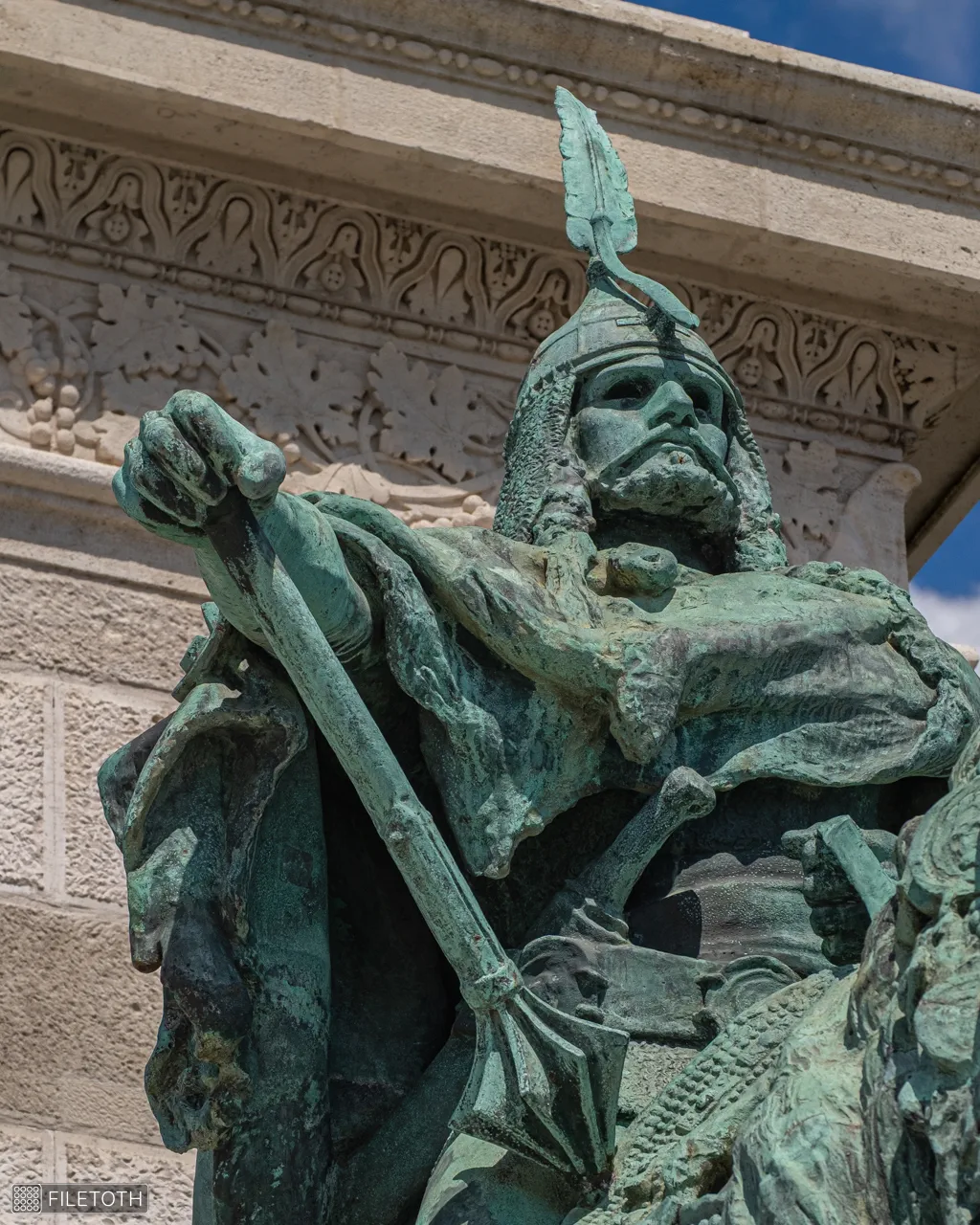
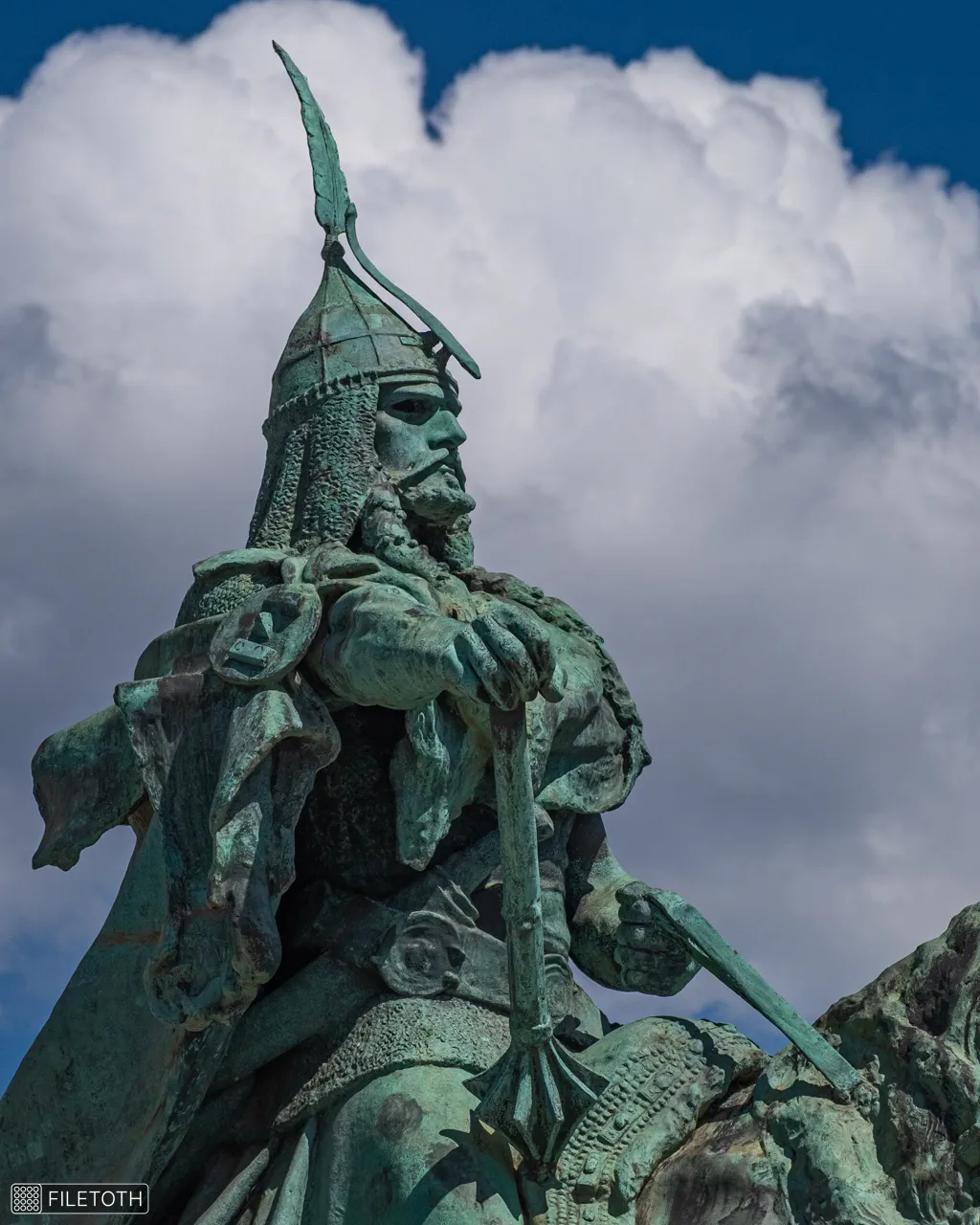
Close-up of Grand Prince Árpád's hand.

Historical figure and era

Grand Prince Árpád (c. 845–907) is traditionally regarded as the leader of the Hungarian tribes during the Conquest of the Carpathian Basin at the end of the 9th century. Although details of his life remain uncertain, he holds a foundational place in Hungarian historical memory as the figure who led his people into the territory that would become Hungary. Over time, Árpád became a symbol of origins, leadership, and collective destiny.

Creation and historical context

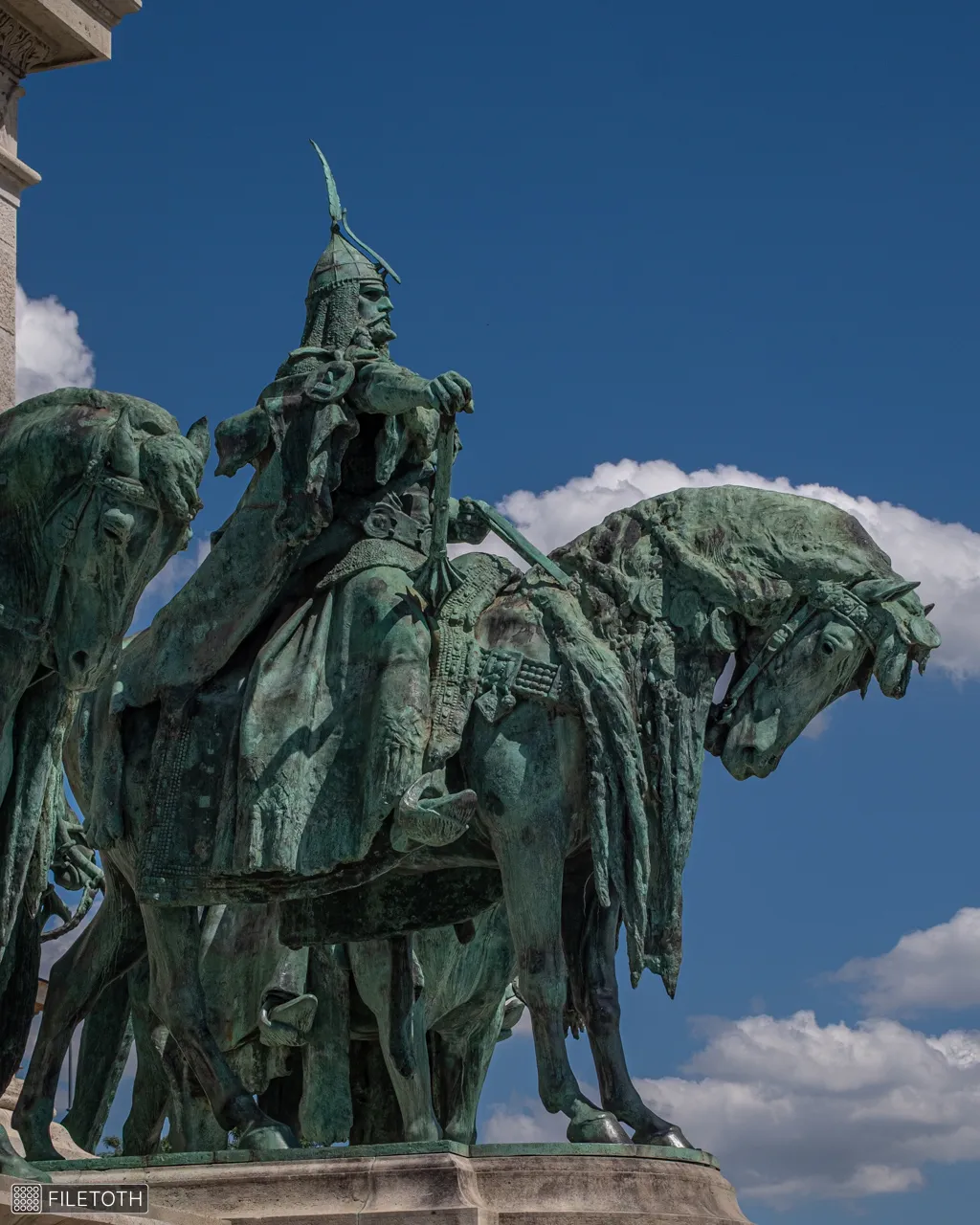
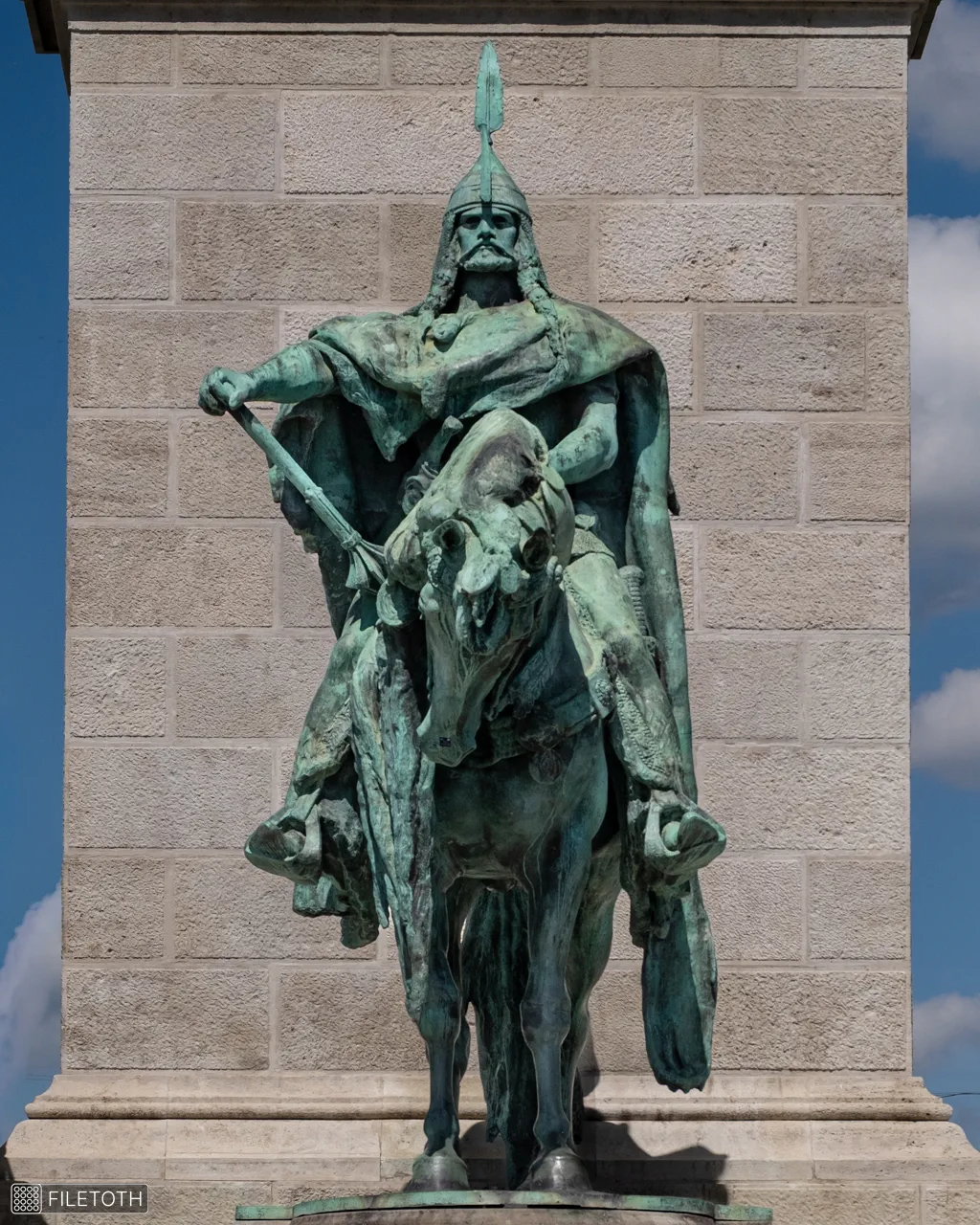
György Zala's equestrian statue, completed in 1912, is part of the sculptural program of the Fisherman's Bastion. Created during a period when Hungary sought to commemorate key figures from its past, it depicts Árpád as a confident leader surveying the land before him. His hand rests on a mace, an emblem of leadership, while the horse stands poised rather than charging forward. Viewed up close, the resting hand draws attention through its restraint. The weapon remains present yet unused; authority is suggested rather than asserted.

Statue by György Zala, 1912. [ref.]

Continue exploring:

The Kolodko Trail.|Browse the full reference index.|Search the collection.|Explore the map.